Cooking Tips for Authentic Indian Flavors
When it comes to Indian cooking, the art of balancing spices, textures, and timing to create deeply flavorful meals. Also known as home-style Indian cuisine, it’s not about complicated techniques—it’s about knowing when to add that pinch of cumin, how long to let dough rest, or why soaking rice matters. This is cooking that’s been passed down for generations, not learned from a video. The secret isn’t just in the spices—it’s in the little things most people skip.
Take tandoori chicken, a classic dish where yogurt, spices, and heat work together to create tender, smoky flavor. Also known as tandoori marinade, it’s not just about tossing chicken in spices. The texture, color, and taste all depend on how you prep it—whether you use yogurt or sour cream, how long it sits, and if you’re using real charcoal or just an oven. Then there’s basmati rice, a long-grain rice that needs the right soak time to stay fluffy and separate. Also known as Indian long-grain rice, skipping the soak? You’ll end up with gummy rice, no matter how good your curry is. And don’t get started on garam masala, a spice blend that’s not one-size-fits-all. Also known as Indian warming spice mix, some people throw in turmeric or mustard seeds by accident. But true garam masala leaves those out—on purpose. These aren’t random tips. They’re the kind of details that separate okay food from something that makes you say, "This tastes like my grandma’s kitchen."
You’ll find posts here that explain why potato shows up in some biryanis but not others, how to tell if your dosa batter has gone bad without tasting it, and which spices actually belong in curry powder. No fluff. No theory. Just what works. Whether you’re trying to make soft roti for the first time, wondering if you can swap Greek yogurt for sour cream in your marinade, or just want to know what those tiny black things in your biryani are (spoiler: they’re cardamom), this collection gives you straight answers. These aren’t recipes you’ll find on every blog—they’re the fixes real Indian home cooks use every day.
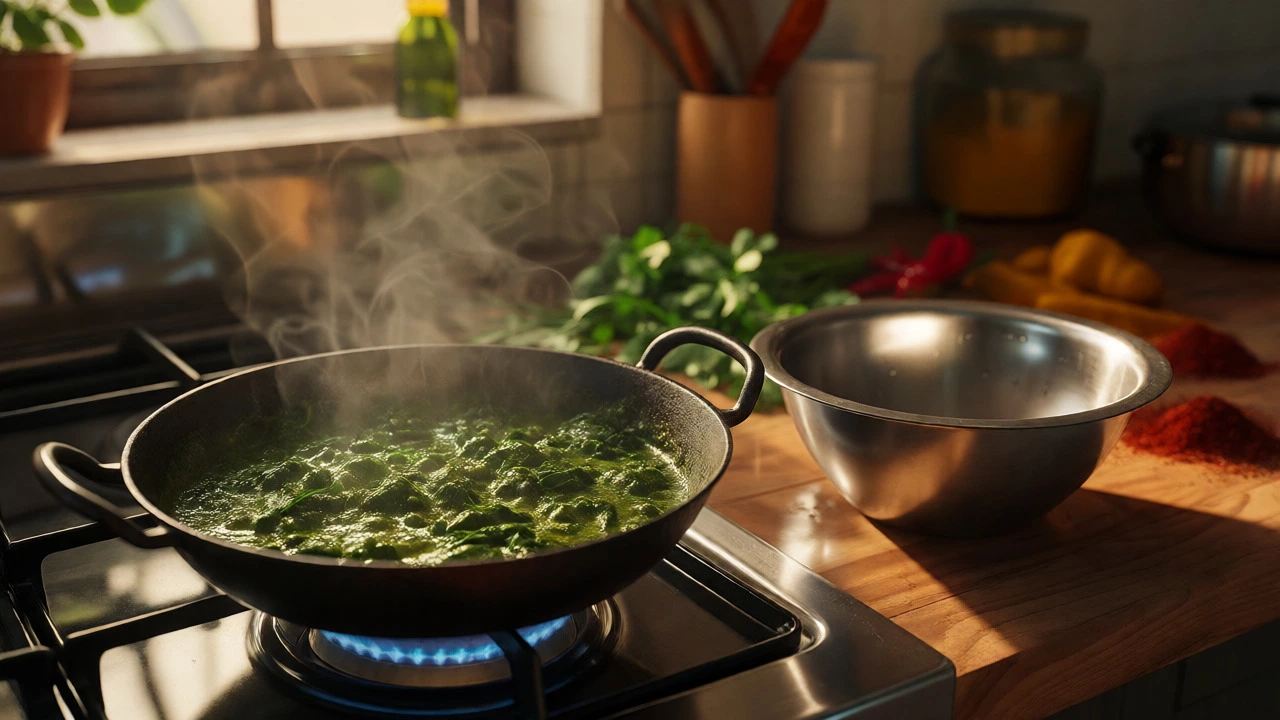
Best Paneer Substitutes: What Cheese Can You Use Instead?
Struggling to find paneer? Discover the best cheese substitutes for Indian cooking. Learn how to use Halloumi, Queso Blanco, and Tofu without ruining your dish's texture.
View More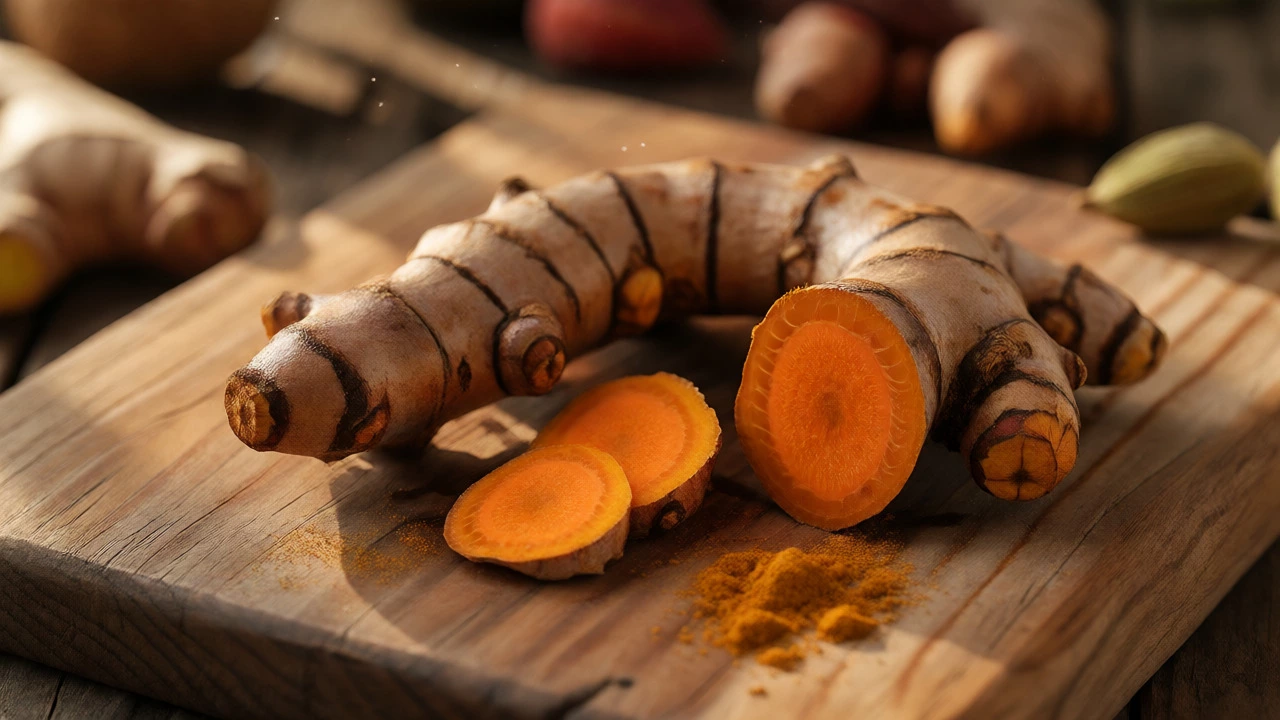
What is the Golden Yellow Spice Used in Curries? Turmeric Explained
Discover what the golden yellow spice in curries really is. Learn how turmeric impacts flavor, color, and health, plus tips on using it correctly in chicken dishes.
View More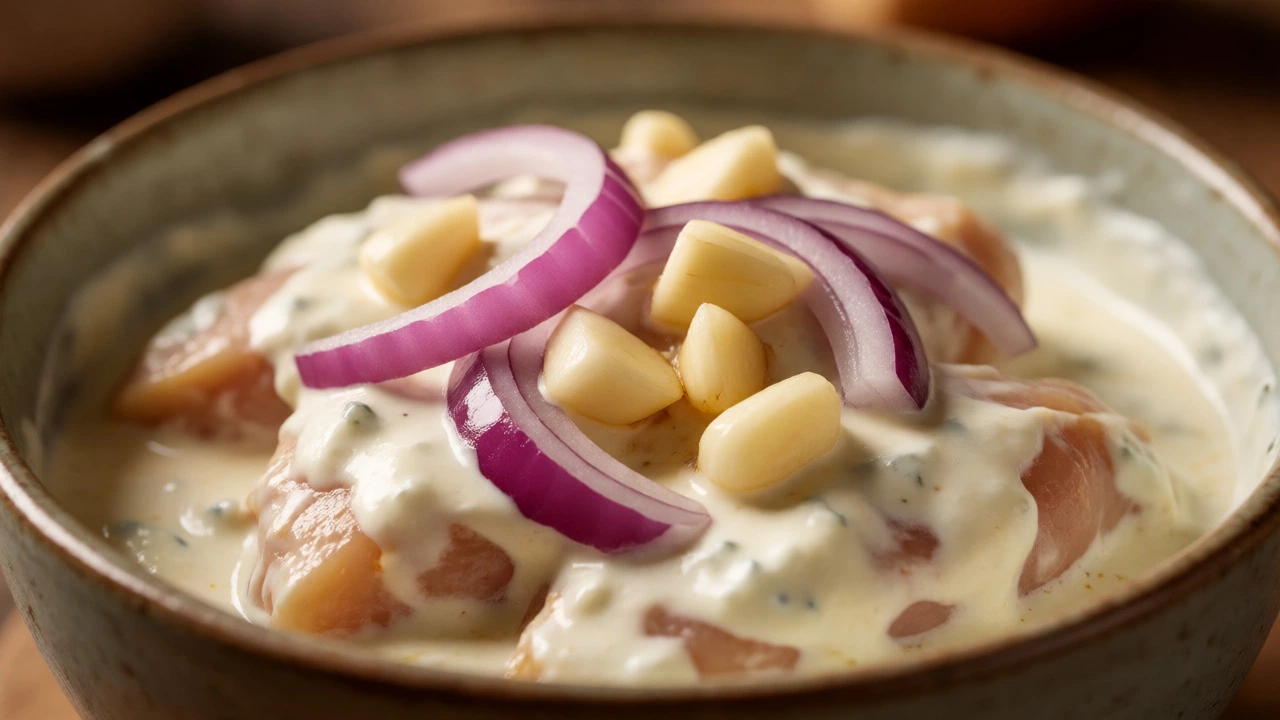
What Not to Put in Chicken Marinade: Avoiding Common Mistakes
Avoid common marinade mistakes like burning garlic or mushy meat. Learn what ingredients to exclude for perfect tandoori chicken.
View More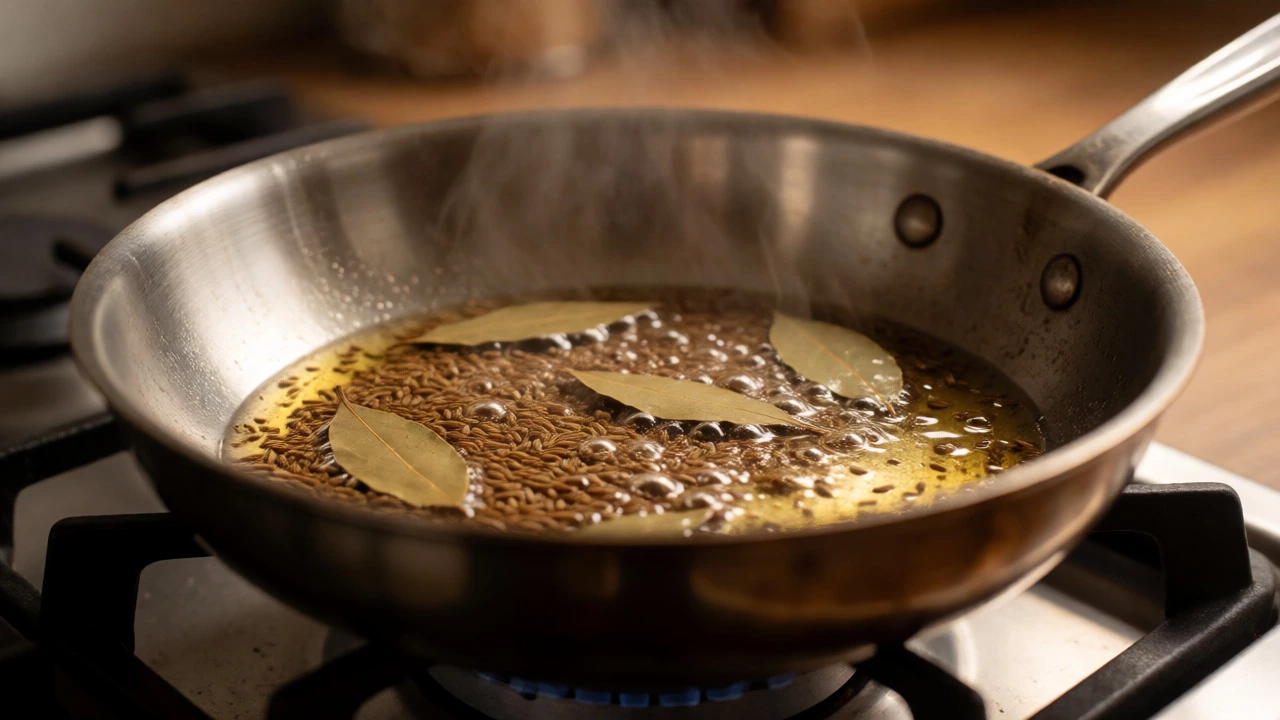
The Essential Spice Guide for Perfect Chicken Curry
Master the art of chicken curry by understanding the role of key spices like turmeric, cumin, and garam masala. Learn when to add each ingredient for maximum flavor.
View More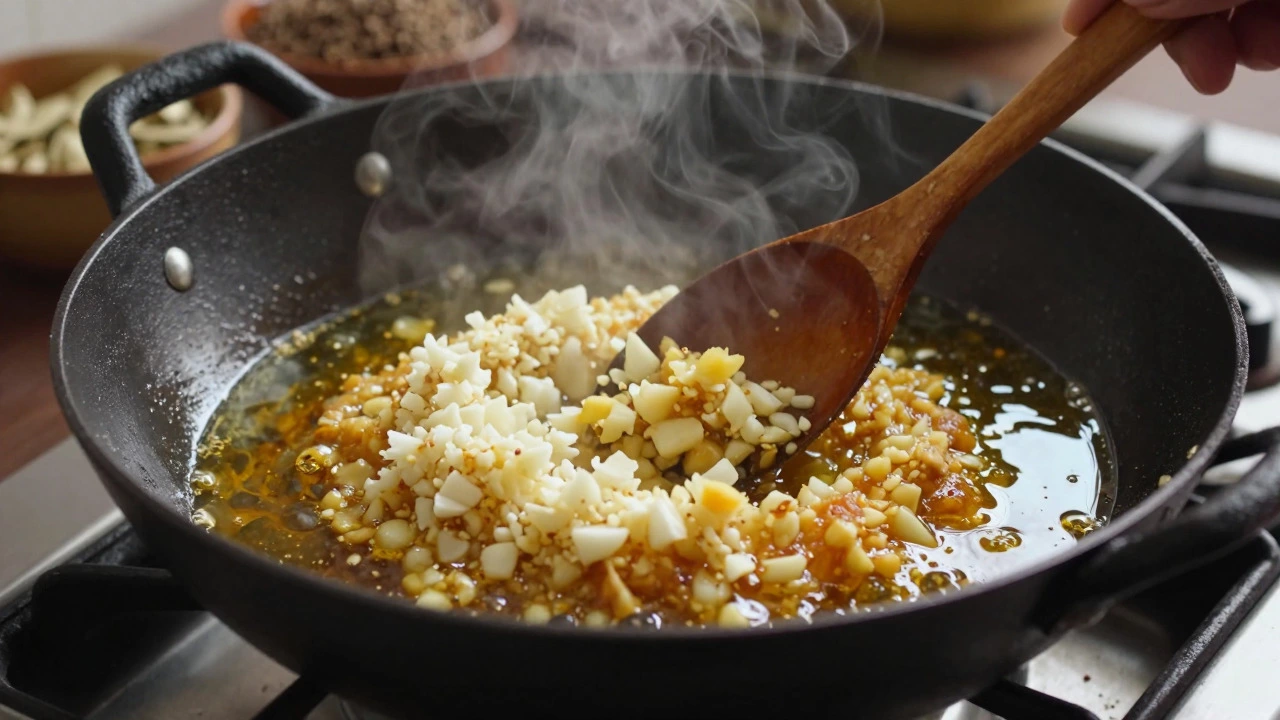
When to Add Garlic and Ginger to Curry: Timing Guide
Learn the exact timing for adding garlic and ginger to curry to avoid bitter, burnt flavors. This guide covers step-by-step instructions, common mistakes, and pro tips for perfect chicken curry bases.
View More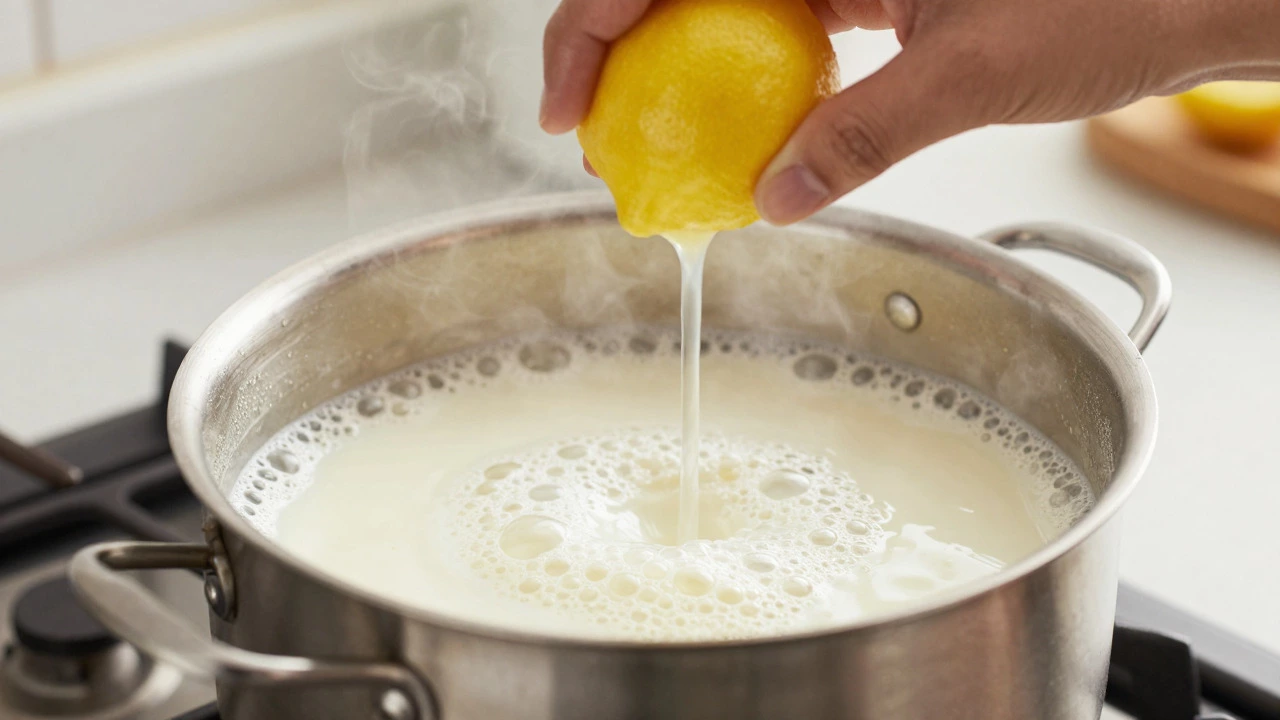
Does Adding Lemon Juice to Milk Make It Curdle? The Science Behind Homemade Paneer
Discover why adding lemon juice to milk makes it curdle and how to use this reaction to make perfect homemade paneer. Learn the science of acid coagulation, compare acids, and troubleshoot common issues.
View More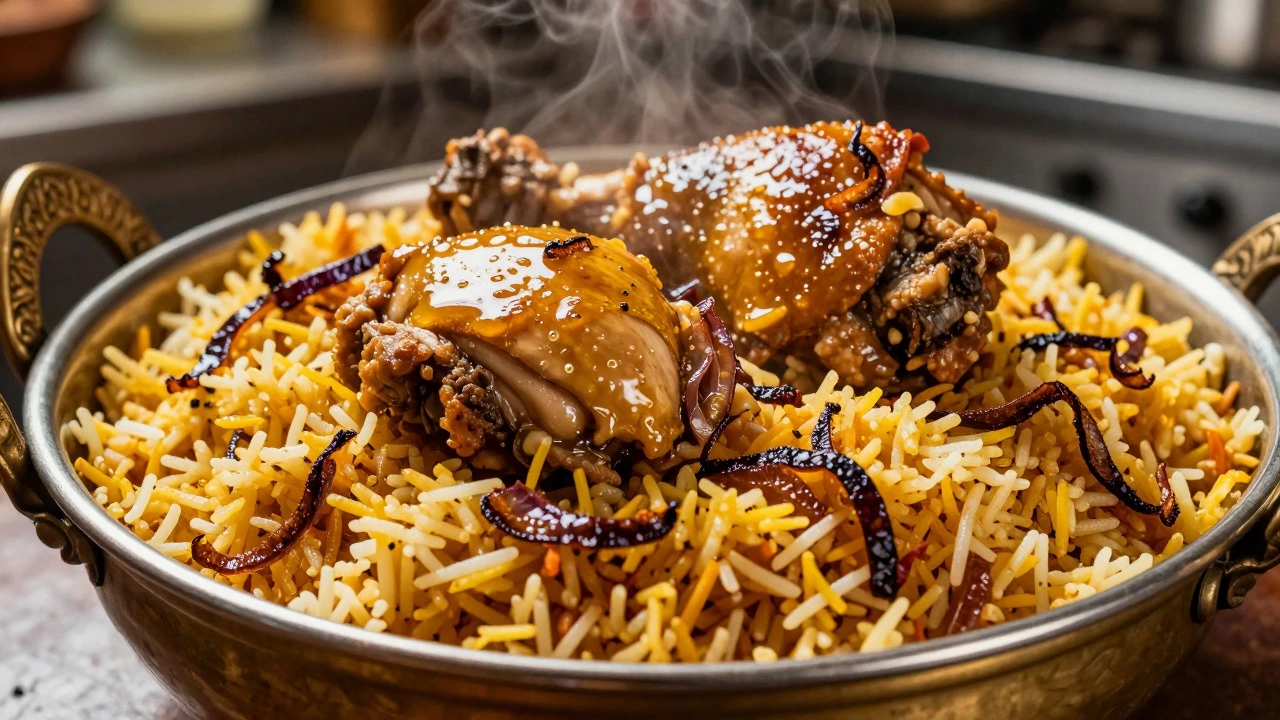
Why Is Biryani Unhealthy? The Truth About Calories, Fat, and How to Make It Healthier
Discover why traditional biryani is considered unhealthy due to high calories, fat, and sodium. Learn practical tips to make a healthier version without sacrificing flavor.
View More
How to Get Good Aroma in Biryani: The Secret Techniques for Fragrant Rice
Discover the secrets to achieving restaurant-quality aroma in your biryani. Learn how to use saffron, ghee, and dum cooking techniques to create a fragrant, flavorful dish.
View More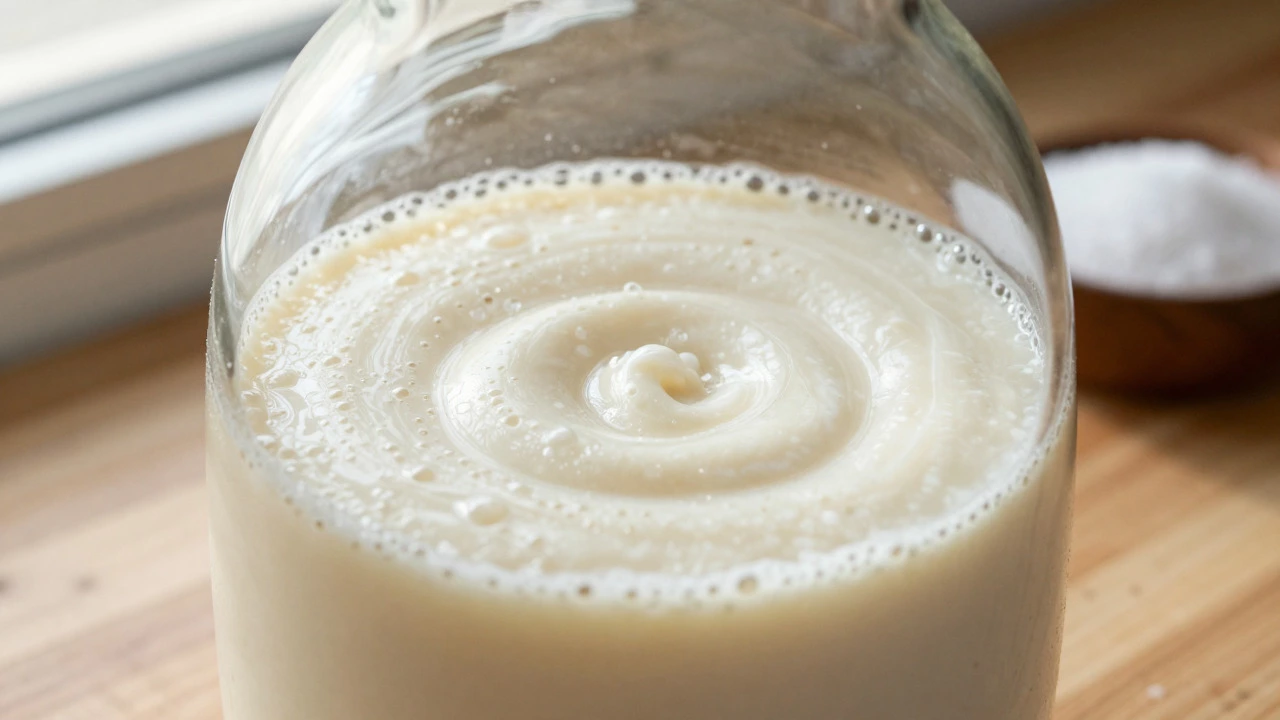
Should You Add Salt to Dosa Batter? The Science Behind Perfect Fermentation
Discover why adding salt to dosa batter before fermentation ruins crispiness. Learn the scientific reason behind waiting until the last minute to season your South Indian crepes for the perfect texture.
View More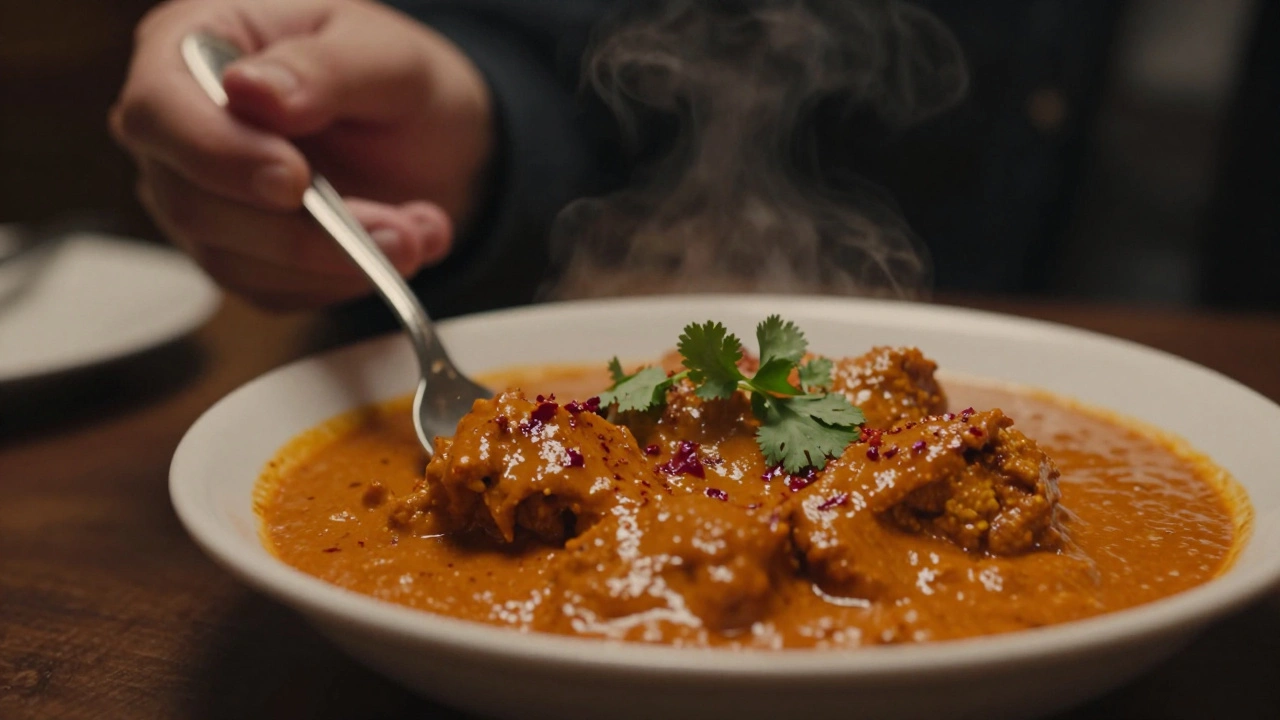
Why Indian Food Upsets Your Stomach: 7 Reasons & How to Fix It
Discover why Indian food upsets your stomach, from spice sensitivity to dairy overload. Learn practical tips to enjoy flavorful meals without bloating or discomfort.
View More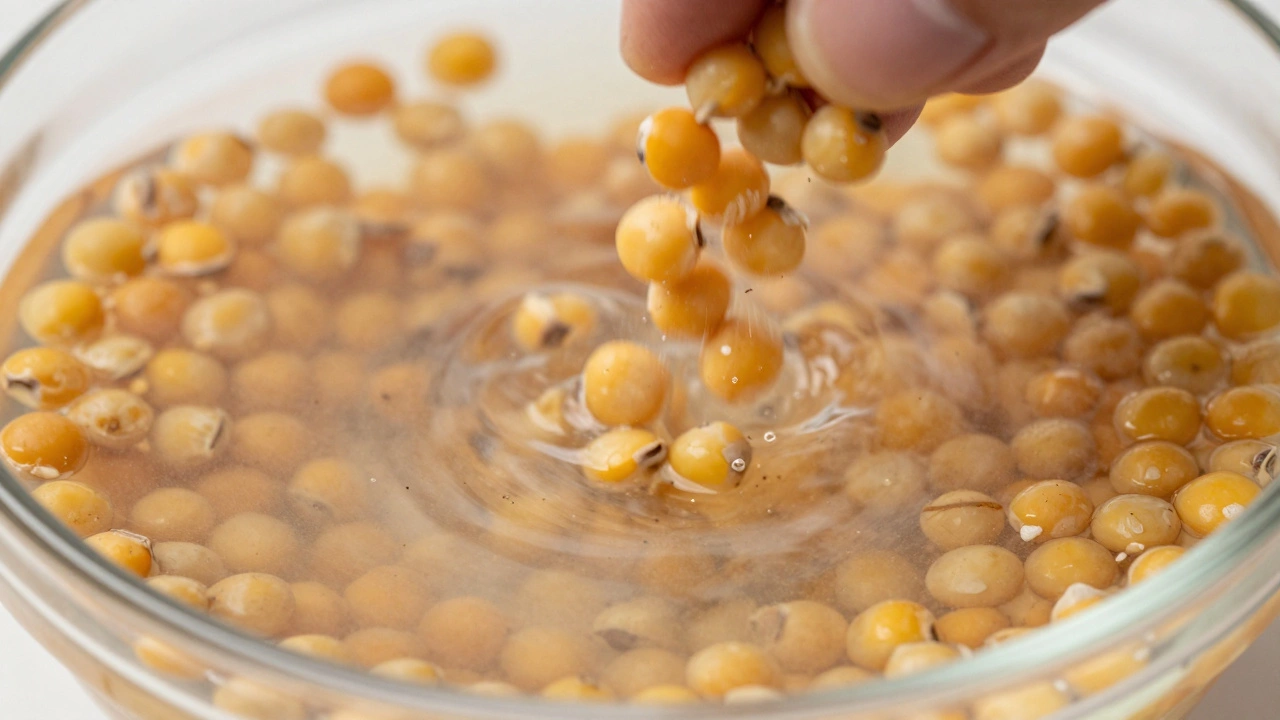
What Happens If You Don't Wash Dal Before Cooking? The Real Risks
Skipping the rinse? Learn why washing dal before cooking prevents grit, improves digestion, and boosts flavor. Simple steps for cleaner, tastier Indian meals.
View More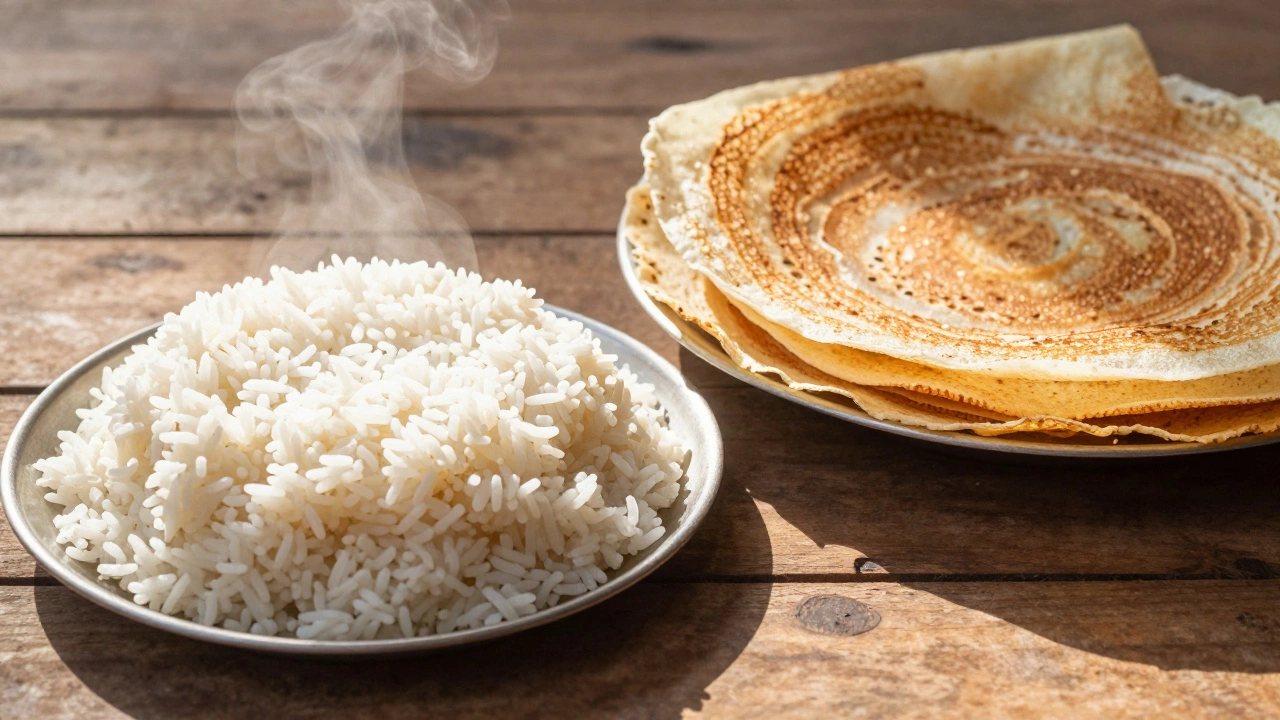
Is Dosa Healthier Than Rice? A Complete Nutritional Breakdown
Discover if dosa is healthier than rice through a detailed nutritional comparison. Learn about the benefits of fermentation, glycemic index differences, and how to prepare dosa for optimal health.
View More