Chicken Curry Spice Ratio Calculator
Your Recipe Base
Based on 2 lbs of chicken:
Turmeric
Color & EarthinessCumin
Warmth & NuttyCoriander
Citrus & FloralGaram Masala
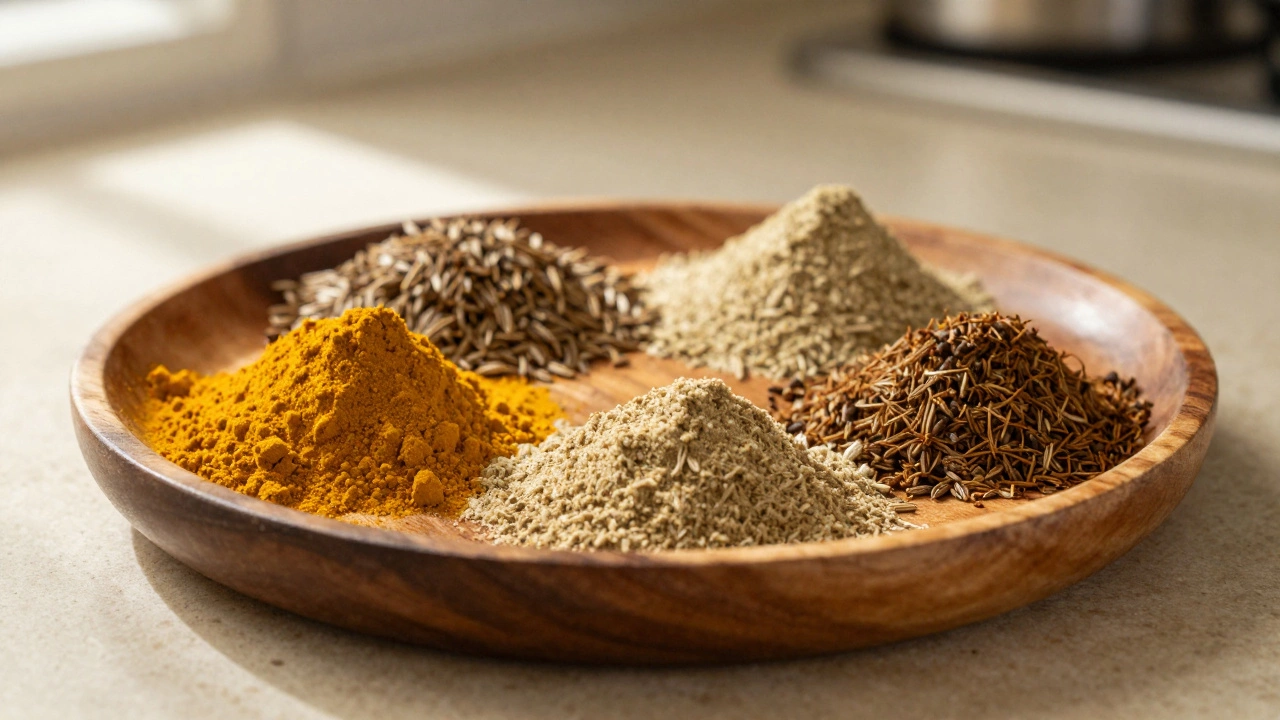
Aromatic FinishYou’ve probably stood in front of a wall of spice jars, staring at the labels, wondering why your homemade chicken curry never tastes quite like the one from your favorite restaurant. You might think you need twenty different powders to get that deep, complex flavor. The truth is simpler. While regional recipes vary wildly across India and Southeast Asia, there are four foundational spices that act as the backbone of almost every traditional curry base. Mastering these four will transform your cooking instantly.
Understanding these core ingredients isn’t just about following a list; it’s about understanding how they interact. When you know which spice brings heat, which brings earthiness, and which brings aroma, you stop guessing and start creating. Let’s break down the four main spices that define the curry experience.
1. Turmeric: The Golden Foundation
If you look at any classic yellow or orange curry, you’re looking at Turmeric (Haldi). This bright yellow root powder is non-negotiable in most Indian curries. It provides the signature color that makes the dish visually appealing, but its role goes far beyond aesthetics. Turmeric has a mild, slightly bitter, earthy flavor with hints of pepper and mustard. It doesn’t scream for attention; instead, it creates a warm background note that allows other spices to shine.
Beyond flavor, turmeric is prized for its anti-inflammatory properties, making it a staple in Ayurvedic medicine for centuries. In your chicken curry, add about half a teaspoon per pound of meat. Be careful not to burn it, as high heat can turn turmeric black and give your curry a metallic taste. Always add it after sautéing your onions and garlic, letting it bloom for just thirty seconds before adding liquid.
2. Cumin: The Earthy Anchor
Cumin (Jeera) is the second pillar of the curry base. Whether you use whole seeds or ground powder, cumin provides a distinctively earthy, nutty, and warm flavor profile. It is the spice that gives curry its "grounded" feeling. Without cumin, a curry can taste flat or overly sweet, lacking that savory depth.
In many North Indian recipes, whole cumin seeds are tempered in hot oil at the very beginning of the cooking process. Listen for the sizzle and pop-that’s the moment the essential oils release. If you prefer using ground cumin, add it later with the other powdered spices. A good rule of thumb is to use twice as much ground cumin as turmeric. For a standard pot of chicken curry, this means roughly one teaspoon of ground cumin. It pairs perfectly with chicken, enhancing the meat’s natural savoriness without overpowering it.
3. Coriander: The Citrus Balancer
This is often the most misunderstood spice in the pantry. When we talk about coriander in the context of curry powders, we mean the dried seeds, not the fresh leaves (cilantro). Coriander Seed (Dhaniya), once ground, offers a soft, citrusy, and floral flavor with subtle notes of lemon and oak. It acts as a bridge between the heavy earthiness of cumin and the sharpness of other spices.
Coriander powder is usually used in larger quantities than turmeric or cumin because its flavor is delicate. In a balanced curry paste, you might use three parts coriander to one part cumin and one part turmeric. This ratio ensures the curry tastes bright and aromatic rather than muddy. Freshly grinding your own coriander seeds yields a significantly fresher scent compared to pre-ground powder, which loses its volatile oils quickly. If your curry tastes dull, check your coriander first-it’s likely stale.
4. Garam Masala: The Aromatic Finisher
The fourth main component isn’t a single spice, but a blend: Garam Masala. Unlike the previous three, which form the base, garam masala is typically added at the end of cooking. Its name translates to "warm spices," referring to the warming effect on the body, not necessarily heat from chili peppers. Traditional blends include cardamom, cinnamon, cloves, black pepper, and sometimes nutmeg or mace.
Garam masala provides the top-notes of aroma that hit your nose when you lift the lid off the pot. Adding it too early causes these delicate aromatics to evaporate, leaving you with a bland dish. Sprinkle a teaspoon over your finished chicken curry right before serving. This step lifts the entire dish, transforming a good stew into a restaurant-quality meal. If you don’t have store-bought garam masala, you can make a quick version by toasting two green cardamom pods, a small piece of cinnamon bark, and five cloves, then grinding them fine.
| Spice | Flavor Profile | When to Add | Typical Ratio (per cup of rice/meat) |
|---|---|---|---|
| Turmeric | Earthy, Bitter, Yellow Color | Early (with onions) | 0.5 tsp |
| Cumin | Nutty, Warm, Earthy | Early (tempered or powdered) | 1 tsp |
| Coriander | Citrusy, Floral, Soft | Middle (with tomatoes) | 1.5 - 2 tsp |
| Garam Masala | Aromatic, Sweet, Complex | End (just before serving) | 0.5 - 1 tsp |
How These Spices Work Together in Chicken Curry
Knowing the individual flavors is only half the battle. The magic happens when you layer them correctly during the cooking process. Here is how to apply these four spices specifically for a Chicken Curry.
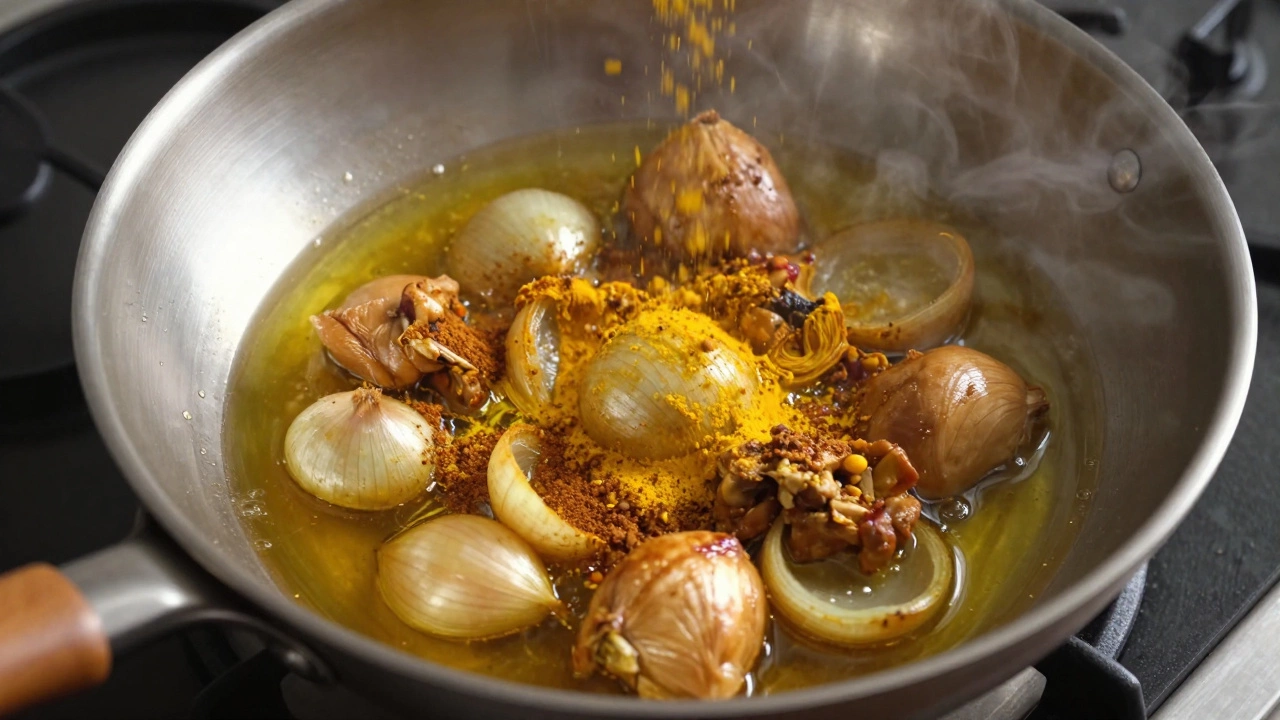
- Sauté the Base: Start with onions, ginger, and garlic. Once the onions are golden brown, add your turmeric and cumin. Cook for 30-60 seconds until fragrant. This step, called blooming, releases the fat-soluble compounds in the spices, ensuring their flavor infuses the oil rather than burning off.
- Build the Body: Add your tomatoes and coriander powder. Simmer this mixture until the oil separates from the masala (you’ll see little droplets of oil on the surface). This indicates the raw smell of the spices and tomatoes has cooked out.
- Add Protein: Introduce your chicken pieces. Coat them well in the spice mixture. Add water or coconut milk depending on your desired consistency.
- Finish Strong: Once the chicken is tender and the sauce has thickened, remove the pot from heat. Stir in the garam masala. Let it sit for five minutes before serving. This resting period allows the garam masala to meld with the steam, releasing its full aromatic potential.
Common Mistakes to Avoid
Even with the right spices, technique matters. One of the biggest errors home cooks make is treating all spices the same. Adding garam masala at the beginning of the cook time results in a loss of its delicate floral notes. Similarly, using old, dusty-looking spices will result in a cardboard-like flavor. Check your spices by crushing a pinch between your fingers; if you don’t smell anything vibrant, it’s time to replace them.
Another pitfall is ignoring salt. Salt enhances the perception of spice. If your curry tastes bland, don’t immediately reach for more chili or cumin. Add a pinch of salt first. It amplifies the existing flavors, allowing the turmeric, cumin, coriander, and garam masala to sing.
Variations by Region
While these four are the universal base, regional preferences tweak the ratios. In South Indian curries, you might see more coriander and less garam masala, often relying on curry leaves and mustard seeds for additional aroma. In Punjabi-style chicken curries, the garam masala is heavier, and yogurt is often used to balance the heat. Understanding this base allows you to experiment confidently. Want a brighter curry? Increase the coriander. Want deeper warmth? Boost the cumin and garam masala.
Can I use curry powder instead of these 4 spices?
Curry powder is a convenient shortcut, but it lacks the depth of freshly layered spices. Most commercial curry powders contain turmeric, cumin, and coriander, but they often include fillers or anti-caking agents that mute the flavor. Using separate spices allows you to control the balance of earthiness, brightness, and aroma, resulting in a superior chicken curry.
What if I don't have garam masala?
You can substitute garam masala with a mix of ground cinnamon, cardamom, and cloves in equal parts. Toast them lightly in a dry pan before grinding to enhance their oils. Alternatively, a pinch of nutmeg or a sprig of fresh rosemary can provide some of the aromatic complexity, though the flavor profile will differ slightly.
Why does my curry taste bitter?
Bitterness usually comes from burnt spices, particularly turmeric or cumin. Ensure you add powdered spices to the oil only after the onions are fully cooked and lower the heat. If your curry is already bitter, try balancing it with a splash of cream, yogurt, or a pinch of sugar to counteract the harsh notes.
Should I use whole or ground spices?
Whole spices retain their flavor longer and offer a more intense aroma when toasted. Ground spices are easier to incorporate into sauces. For the best results, buy whole cumin and coriander seeds, toast them, and grind them yourself. Keep turmeric and garam masala in pre-ground form for convenience, as their flavors are stable enough.
How long do these spices last?
Ground spices generally lose potency within six months. Whole spices can last up to two years if stored in a cool, dark place away from moisture. Smell test your spices before using them. If they smell faint or musty, they won’t contribute meaningful flavor to your chicken curry.