Indian Food Comfort Calculator
Select the elements present in your meal to calculate your potential comfort level.
Your Digestive Risk Score
Personalized Recommendations:
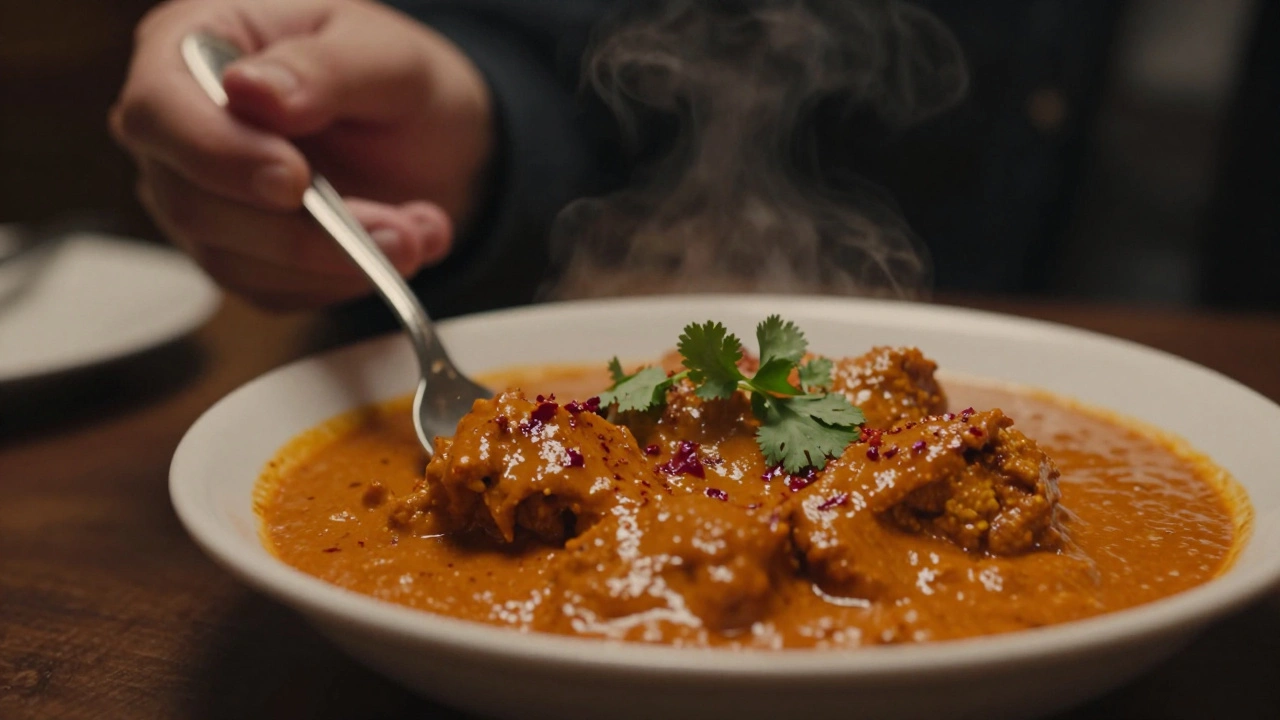
You sit down for a delicious plate of Butter Chicken, a creamy, tomato-based curry popular in North India. The aroma is intoxicating. You take the first bite, and it tastes amazing. But six hours later, you are not feeling so great. Bloating, gas, or worse, hits you hard. You aren't alone. Many people love the bold flavors of Indian cuisine, a diverse culinary tradition known for its complex spice blends and regional variety but struggle with the aftermath.
If your stomach can't handle Indian food, it’s rarely just because it’s "spicy." The issue usually lies in specific ingredients, cooking methods, or portion sizes that challenge your digestive system. Understanding these triggers helps you enjoy the meal without the misery. Let's break down why this happens and how to adjust your approach.
The Spice Factor: Capsaicin and Gut Irritation
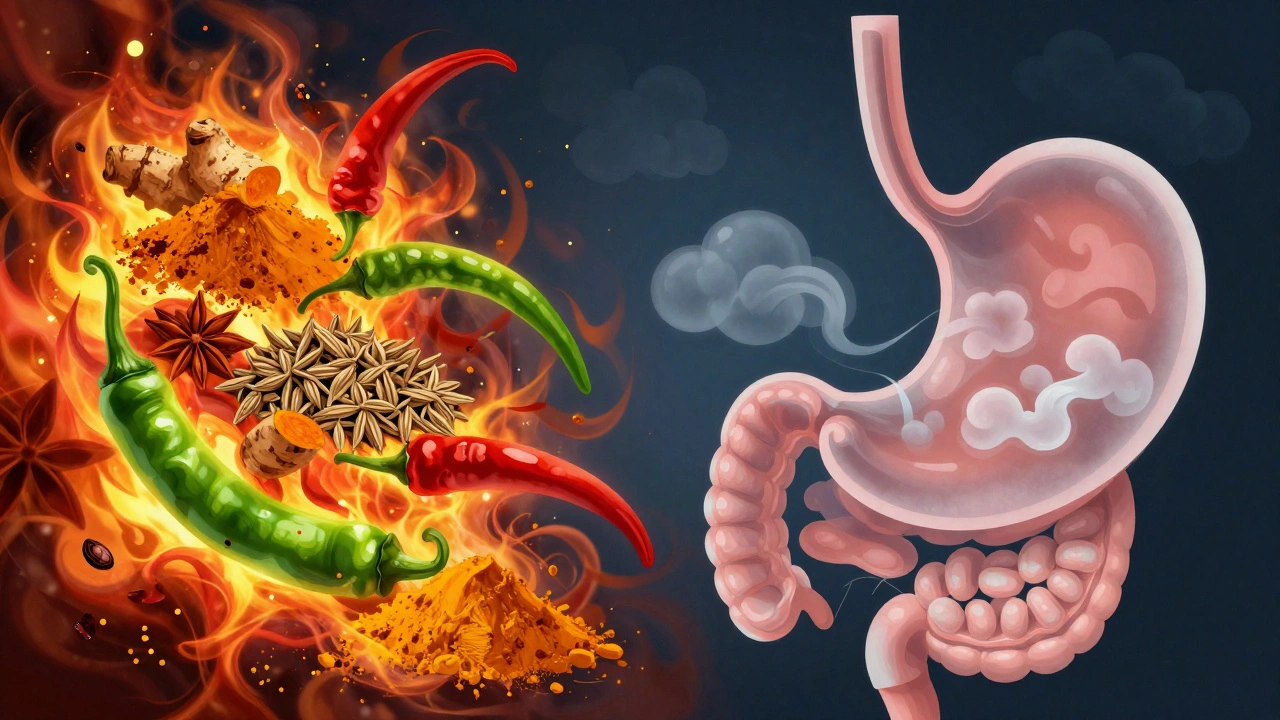
When people say Indian food is spicy, they often think of heat. That heat comes from Capsaicin, the active component in chili peppers that produces a sensation of burning. If you don't eat hot peppers regularly, your gut lining isn't used to it. Capsaicin binds to pain receptors in your mouth and stomach, which can trigger inflammation or speed up digestion too quickly, leading to cramps or diarrhea.
However, "spice" in Indian cooking also means aromatic spices like cumin, coriander, turmeric, and garam masala. These are actually good for digestion. The problem arises when high amounts of chili powder or green chilies are added to dishes meant for local palates accustomed to intense heat. Restaurant portions, especially outside of India, often amplify this heat to compensate for flavor balance, catching unprepared diners off guard.
Dairy Overload: Ghee, Cream, and Lactose
Many popular Indian curries rely heavily on dairy. Think of Korma, a mild curry sauce made with yogurt, cream, or nuts, Kheer (rice pudding), or even the generous dollop of Ghee, clarified butter widely used in Indian cooking for its rich flavor and high smoke point on top of dal. Even if you don't have a diagnosed lactose intolerance, consuming large amounts of dairy in one sitting can overwhelm your digestive enzymes.
Ghee is clarified butter, meaning most of the milk solids (and lactose) are removed. However, many restaurants mix ghee with regular butter or add heavy cream to make sauces smoother. This combination creates a dense, fatty meal that sits in the stomach longer. Fat slows down gastric emptying. When combined with fiber-rich vegetables or lentils, this delay can cause significant bloating and discomfort as fermentation begins before the food fully moves through your system.
Lentils and Legumes: The Fiber Bomb
Dal, a staple dish made from split lentils, beans, or peas is the backbone of Indian vegetarian meals. Lentils are incredibly healthy, packed with protein and fiber. But they are also notorious for causing gas. This is due to oligosaccharides, complex sugars that human bodies cannot fully digest in the small intestine. Instead, they travel to the large intestine where bacteria ferment them, producing hydrogen and methane gas.
If you aren't used to eating legumes daily, introducing a bowl of thick, creamy Dal Tadka can feel like a bomb going off in your gut. Traditional preparation methods involve soaking and rinsing lentils thoroughly to reduce these sugars, but quick-cooking methods in busy kitchens might skip this step, leaving more gas-producing compounds intact.
Oil and Frying: Hidden Calories and Digestion Strain
Indian cooking uses oil generously. Whether it's tempering spices in mustard oil for South Indian dishes or frying onions until golden brown for North Indian curries, fat is central to flavor development. While healthy fats are essential, excessive oil intake can be hard on the gallbladder and liver, especially if eaten infrequently.
Fried foods like samosas, pakoras, or even crispy paneer require significant digestive effort. Oil coats the stomach lining and delays acid secretion needed for breaking down proteins and carbs. For someone with sensitive digestion, this sluggish process leads to that heavy, nauseous feeling after eating. Plus, restaurant oils are often reused, which can introduce oxidized fats that irritate the gut further.
Portion Sizes and Eating Speed
Indian meals are often communal and abundant. A typical thali includes rice, roti, dal, two vegetable sides, salad, raita, and dessert. It’s easy to overeat when presented with such variety. Moreover, Indian culture encourages slow, mindful eating, but modern life-and restaurant settings-often rush us through meals.
Eating quickly means you swallow air (aerophagia), which adds to bloating. It also means your brain doesn’t get the signal that you’re full until you’ve already consumed too much. Large volumes of food stretch the stomach, triggering discomfort. Combining high-fiber veggies, heavy dairy, and dense carbs in one massive plate overwhelms your digestive capacity, regardless of individual ingredient tolerances.
Hygiene and Water Quality Concerns
If you're traveling in India or eating at very casual street stalls, hygiene plays a bigger role than ingredients. Contaminated water used for washing vegetables, making ice, or preparing drinks can introduce bacteria like E. coli or Salmonella. Even clean-looking food can harbor pathogens if washed in unsafe water.
In Western countries, this risk is lower, but cross-contamination in busy kitchens remains possible. Undercooked chicken in tikka masala or unwashed cilantro garnishes can lead to food poisoning symptoms that mimic general indigestion. Always choose reputable establishments and stick to bottled water when unsure.
| Ingredient/Practice | Why It Causes Issues | Symptoms |
|---|---|---|
| Chili Peppers (Capsaicin) | Irritates gut lining, speeds digestion | Burning sensation, diarrhea, cramps |
| Cream & Yogurt | Lactose overload, high fat content | Bloating, gas, nausea |
| Lentils (Dal) | Complex sugars ferment in colon | Excessive gas, abdominal pressure |
| Fried Foods | Slows gastric emptying, hard to digest | Heaviness, indigestion, reflux |
| Large Portions | Overwhelms digestive enzymes | Fullness, sluggishness, bloating |
How to Enjoy Indian Food Without the Pain
You don't have to give up Indian food. You just need to tweak how you eat it. Here are practical steps to build tolerance and minimize discomfort.
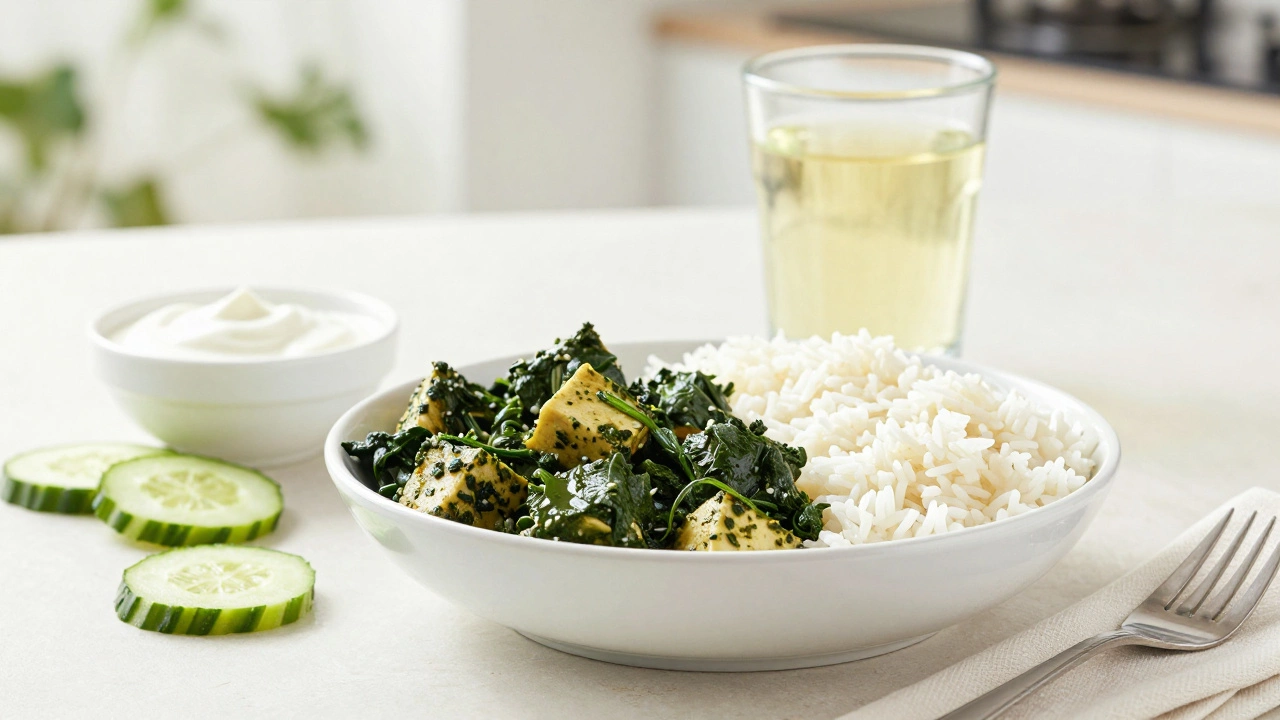
- Start Mild: Order dishes labeled "mild" or "medium." Avoid extra chili requests. Try Palak Paneer, spinach cooked with cottage cheese cubes, seasoned with garlic and ginger instead of fiery Vindaloo.
- Limit Dairy: Ask for less cream or ghee. Opt for tomato-based gravies like Chana Masala (chickpeas) or Aloo Gobi (potatoes and cauliflower).
- Pre-Digest Lentils: If cooking at home, soak lentils overnight and rinse well. Add a pinch of asafoetida (hing) while cooking; it reduces gas production significantly.
- Pair with Probiotics: Eat a side of plain yogurt or buttermilk (chaas). The probiotics help balance gut bacteria and soothe irritation from spices.
- Control Portions: Take half portions. Fill the rest with cucumber salad or steamed rice. Chew slowly and stop when 80% full.
- Stay Hydrated: Drink warm water during and after the meal. Cold water can solidify fats, slowing digestion further.
Building Tolerance Over Time
Your gut microbiome adapts to what you feed it. Regularly introducing small amounts of spices and fibers trains your body to handle them better. Start with one new spice per week. Notice which ones bother you. Keep a food diary linking meals to symptoms. Patterns will emerge, helping you identify personal triggers rather than blaming "Indian food" broadly.
Remember, diversity in diet strengthens digestion. By approaching Indian cuisine mindfully, you unlock a world of flavor without sacrificing comfort. Listen to your body, adjust accordingly, and enjoy every bite.
Is it normal to feel sick after eating Indian food?
Yes, it's common if you're unaccustomed to its spices, dairy, or fiber levels. Symptoms like bloating or mild cramps usually resolve within hours. Persistent pain or vomiting may indicate food poisoning or severe intolerance.
Which Indian dishes are easiest on the stomach?
Mild options include Palak Paneer, Khichdi (rice and lentil porridge), Moong Dal, and Steamed Idli. These use gentle spices and are easier to digest than heavy creams or fried items.
Can I build tolerance to spicy Indian food?
Absolutely. Gradually increase spice levels over weeks. Start with mild curries and add tiny amounts of chili powder to homemade meals. Your gut enzymes adapt, reducing irritation over time.
Does ghee cause stomach issues?
Pure ghee is low in lactose and generally well-tolerated. However, excessive amounts can cause nausea due to high fat content. Those with gallbladder issues should limit intake.
What should I do if I feel bloated after Indian food?
Walk gently for 15 minutes to aid digestion. Sip warm ginger tea or fennel water to reduce gas. Avoid lying down immediately. Next time, eat smaller portions and chew thoroughly.