Ever wondered if you should add oil to roti dough? The answer isn't as simple as it seems. Most people mix up roti types, leading to tough, greasy rotis. Let's break it down.
Why Most Roti Dough Doesn't Need Oil
When people ask about adding oil to roti dough, they're usually thinking of chapati-the everyday flatbread in Indian households. Traditional chapati dough contains only wheat flour (atta) and water. Adding oil here is a mistake. Here's why: when you knead chapati dough, the gluten network forms properly without oil. Gluten gives the dough elasticity, which is crucial for rolling thin and cooking evenly. Oil coats the flour particles, blocking gluten development. This results in dough that's too soft, doesn't hold shape when rolling, and the rotis won't puff up properly. Instead of becoming soft and fluffy, they turn greasy and tough.
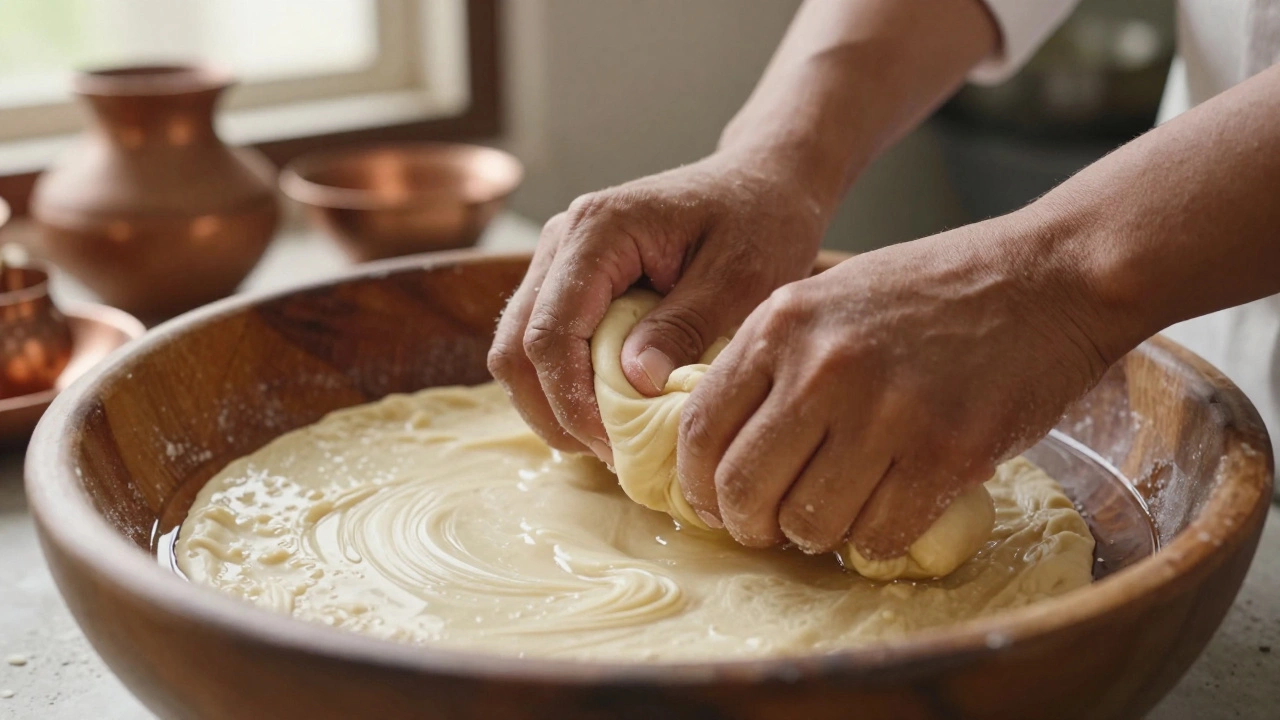
Real Indian cooks know this. In households across India, chapati dough is made with just atta and water. The kneading process is simple: mix 2 cups of atta with about 3/4 cup of water (adjust as needed) until a smooth dough forms. Knead for 5-7 minutes until it's soft and pliable. Then let it rest for 20-30 minutes. This resting time allows the gluten to relax, making rolling easier. After resting, divide the dough into balls, roll them out, and cook on a hot tawa. The magic happens when the roti puffs up-this only occurs with properly developed gluten. Oil in the dough prevents this puffing.
When Oil Belongs in Roti Dough (Paratha Edition)
Paratha is a different story. This layered, flaky roti requires oil or ghee in the dough. The key is adding it during the initial kneading process. Start by mixing atta with a small amount of oil (about 1-2 tablespoons per cup of flour) while adding water. This helps create distinct layers when you roll and cook the paratha. Without oil, paratha would be dense and lack that signature flakiness.
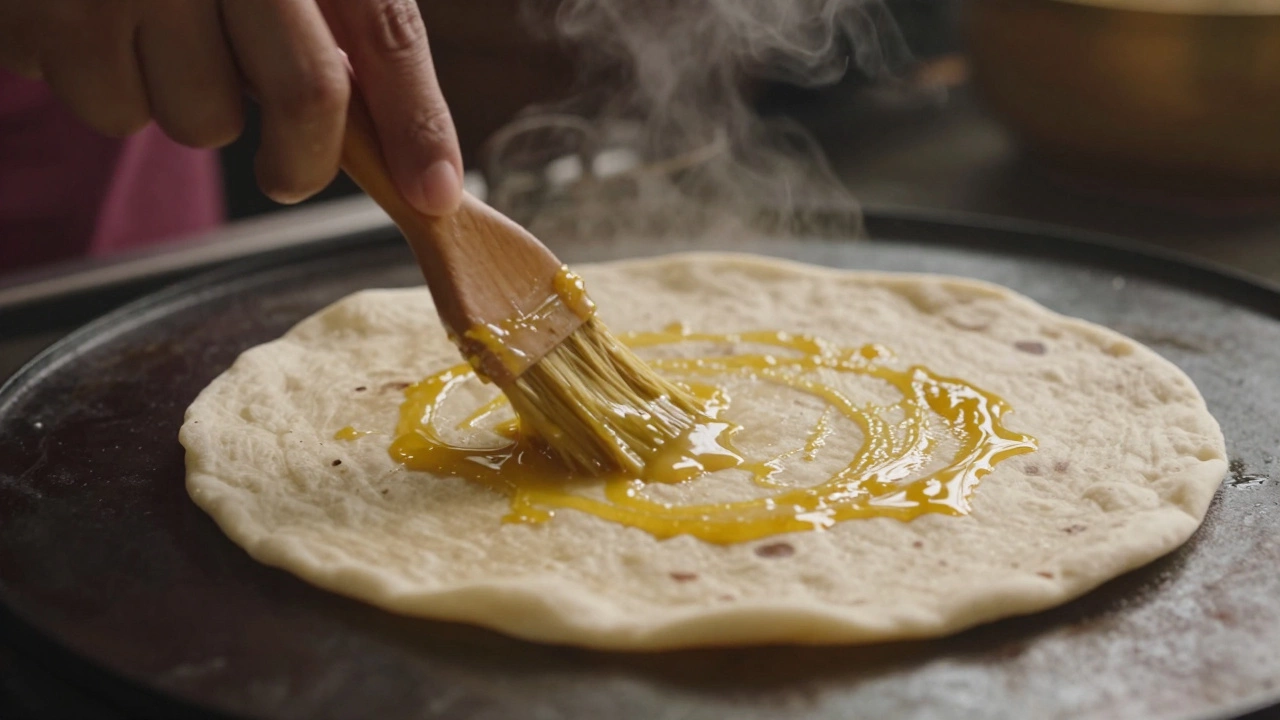
For paratha, the dough is kneaded with oil from the start. Use about 1-2 tablespoons of oil or ghee per cup of atta. Mix the oil into the flour before adding water. Knead for 5 minutes until smooth. Rest for 20 minutes. When rolling, spread a thin layer of oil or ghee on the rolled-out dough, fold it into thirds, and roll again. This layering technique creates the flaky texture. Cook on medium heat with a bit of oil on the tawa. The result is a delicious, crispy paratha that's perfect for breakfast.
Common Mistakes with Roti Dough
Many home cooks make these mistakes:
- Adding oil to chapati dough for "softness"-this backfires and makes rotis tough.
- Using too much oil in paratha dough-this makes the dough greasy and hard to roll.
- Not resting the dough-resting is essential for gluten relaxation, whether for chapati or paratha.
- Rolling rotis too thick-chapati should be thin and even for proper puffing.
If you accidentally added oil to chapati dough, don't panic. Add a bit more atta to balance it out. For every tablespoon of oil, add 2-3 tablespoons of flour. But the best solution is to start fresh-oil in chapati dough is hard to fix. For paratha, if the dough is too oily, add more atta gradually until it holds together.
Pro Tips for Perfect Roti Every Time
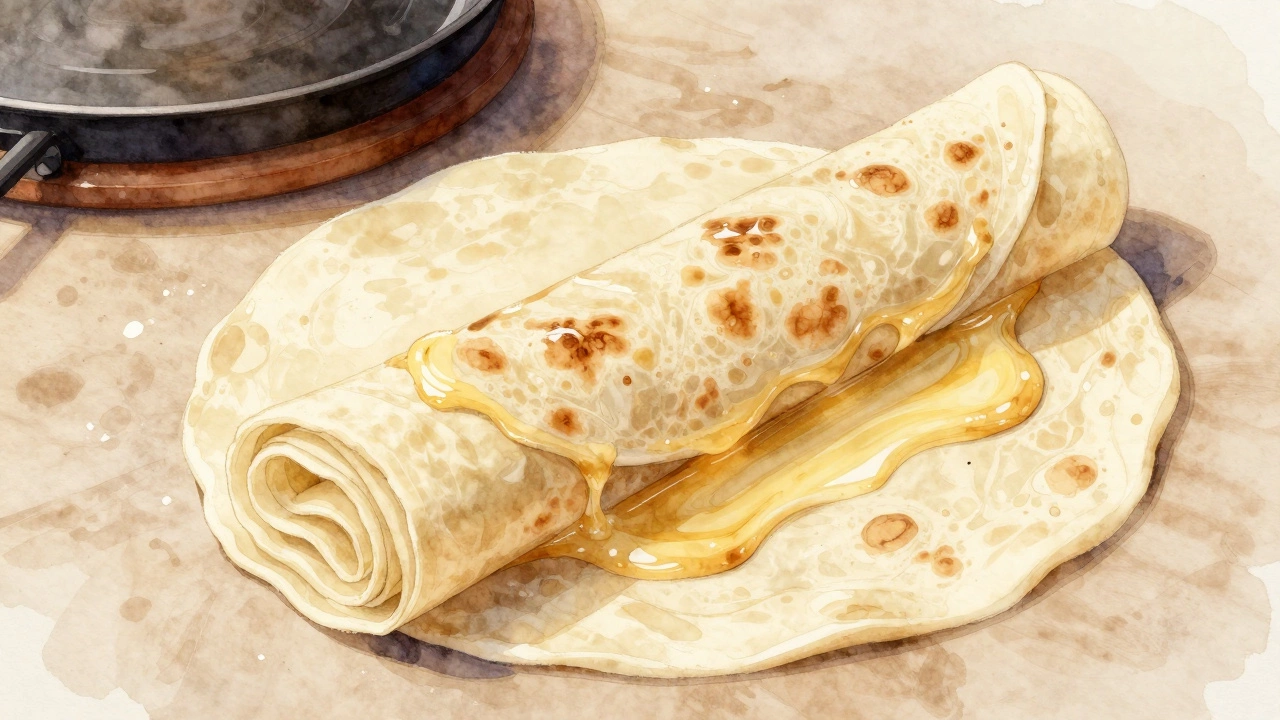
- For extra-soft chapati, brush cooked rotis with a tiny bit of ghee after cooking. This is the right time to add fat-not in the dough.
- Use lukewarm water when making dough. Cold water makes kneading harder; hot water cooks the flour.
- Keep the tawa hot but not smoking. A properly heated tawa ensures even cooking and puffing.
- For paratha, use ghee instead of oil for richer flavor. Ghee has a higher smoke point and adds authentic taste.
- Store leftover dough in the fridge for up to 24 hours. Reheat before using for best results.
Should I add oil to chapati dough?
No, traditional chapati dough should never include oil. Adding oil interferes with gluten development, making the dough greasy and preventing proper puffing. Only add oil after cooking by brushing the roti with ghee for softness.
When should I add oil for paratha dough?
Add oil during the initial kneading process. Mix the oil into the atta before adding water. Use 1-2 tablespoons of oil or ghee per cup of flour. This creates the layers needed for flaky paratha.
What happens if I add oil to chapati dough?
The chapati will turn out greasy, tough, and won't puff up properly. The oil prevents gluten from forming correctly, leading to a dense texture. If this happens, you can try adding more atta to balance it, but starting fresh is better.
Can I use butter instead of oil for paratha?
Yes, but ghee is preferred for paratha. Ghee has a higher smoke point and richer flavor. Butter can burn easily on the tawa. If using butter, clarify it first to remove milk solids. For the dough, use melted ghee or butter.
How do I fix dough that's too oily?
For chapati dough, add more atta gradually-about 2 tablespoons per tablespoon of excess oil. Knead until smooth. For paratha dough, if it's too oily, add more atta until it holds together. If the dough is greasy, it's best to start over to avoid uneven cooking.