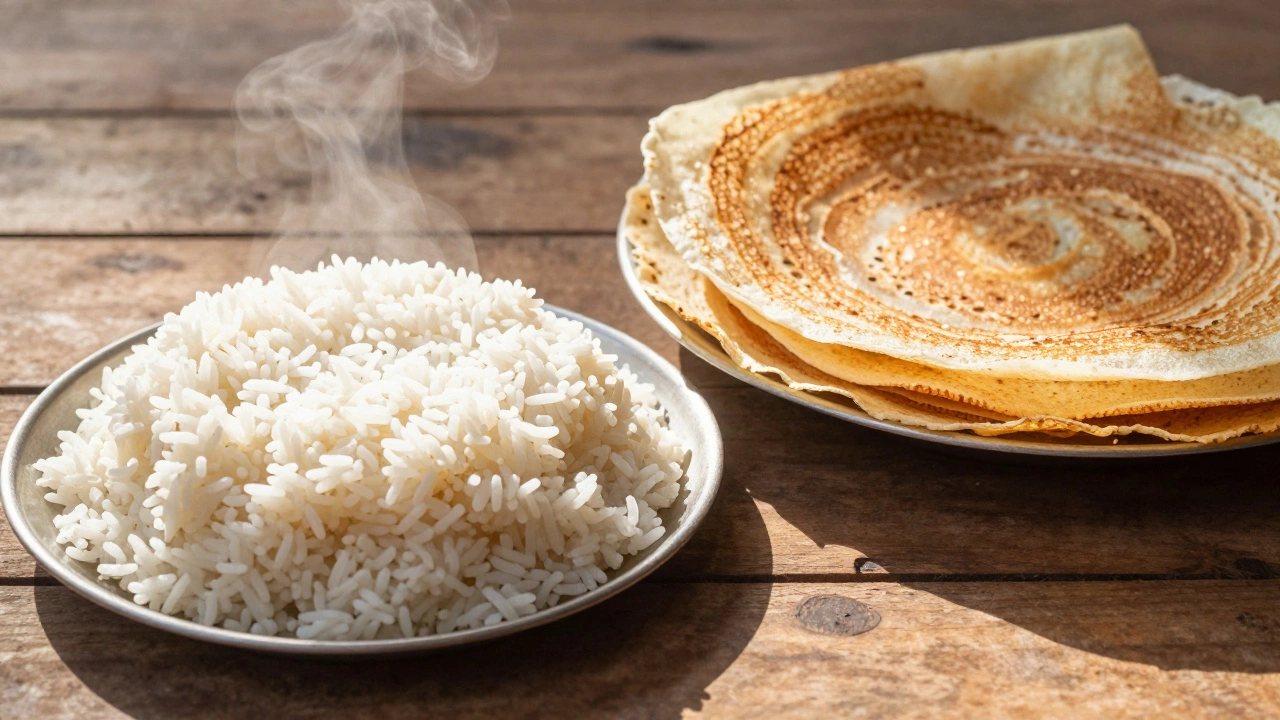
Dosa vs. Rice Nutritional Analyzer
It is a common debate in households across South India and beyond: should you swap your plate of white rice for a crispy dosa is a savory crepe made from fermented batter of rice and black gram lentils? Both are staples, both are delicious, but they sit very differently on the nutritional scale. The short answer is yes, generally speaking, a traditional dosa is healthier than plain steamed white rice, primarily because of fermentation and the addition of legumes. However, the reality is more nuanced. It depends heavily on how the dosa is prepared, what you eat it with, and your specific health goals.
If you are looking to manage blood sugar, lose weight, or improve gut health, understanding the science behind these two dishes is crucial. This guide breaks down the nutritional differences, the magic of fermentation, and how to make your next meal truly beneficial rather than just a calorie trap.
The Core Ingredients: What Are You Actually Eating?
To understand why one might be healthier than the other, we first need to look at the raw materials. Plain white rice is essentially a refined carbohydrate. When you polish rice to remove the husk, bran, and germ, you strip away most of the fiber, vitamins, and minerals. What remains is mostly starch. While rice provides quick energy, it lacks structural nutrients.
A standard dosa batter consists of rice and urad dal (black gram lentils). This combination changes the game entirely. By adding urad dal, you introduce protein and dietary fiber into the mix. Even before fermentation happens, a dosa has a better macronutrient profile than plain rice because it contains both carbohydrates and protein. Protein helps slow down digestion, preventing the rapid spike in blood sugar that often follows a meal of pure carbs like white rice.
| Nutrient | White Rice (Steamed) | Dosa (Plain, Fermented) |
|---|---|---|
| Calories | ~130 kcal | ~158 kcal |
| Carbohydrates | 28g | 24g |
| Protein | 2.7g | 3.6g |
| Fiber | 0.4g | 1.5g |
| Glycemic Index (GI) | High (~73) | Medium (~55-60) |
Note that while dosa has slightly more calories per 100 grams due to the density of the batter, it offers significantly more satiety due to the protein and fiber content. You are likely to feel full longer after eating dosa than after eating an equivalent volume of rice.
The Power of Fermentation: Why Time Matters
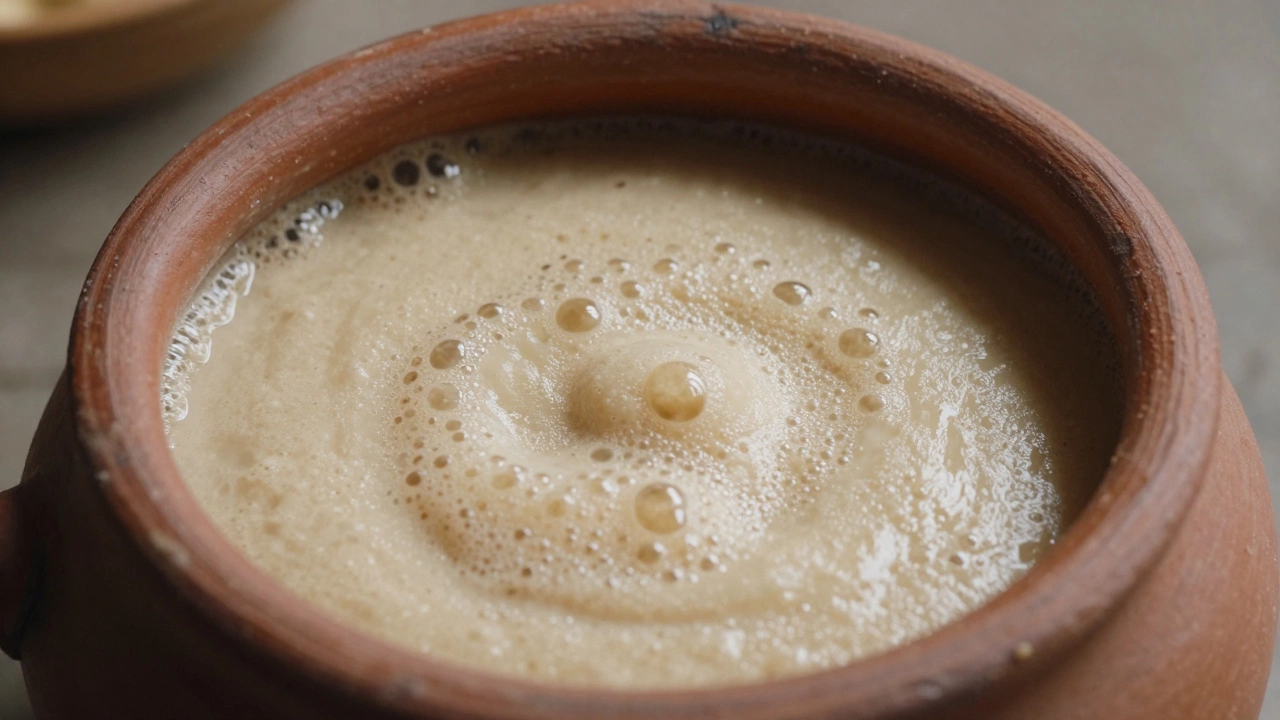
The biggest differentiator between a healthy dosa and a simple rice-lentil pancake is fermentation. Traditional dosa batter is left to ferment for 8 to 12 hours, sometimes up to 24 hours depending on the temperature. This process is not just about making the dosa fluffy; it is a biochemical transformation that enhances nutritional value.
During fermentation, lactic acid bacteria break down complex carbohydrates and proteins. This leads to three major health benefits:
- Increased Bioavailability: Fermentation reduces phytic acid, an anti-nutrient found in grains and legumes that blocks the absorption of iron, zinc, and calcium. By lowering phytic acid, your body can absorb more minerals from the food.
- Prebiotic Effects: The resistant starch formed during fermentation acts as a prebiotic, feeding the good bacteria in your gut. This supports digestive health and immunity.
- Lower Glycemic Load: The breakdown of starches by bacteria means that when you digest the dosa, the sugar enters your bloodstream more slowly compared to non-fermented rice.
If you skip fermentation and make "instant dosa" using store-bought mixes without proper soaking and resting, you miss out on these benefits. In that case, the nutritional gap between dosa and rice narrows considerably.
Glycemic Index: Managing Blood Sugar Spikes
For anyone concerned about diabetes, insulin resistance, or weight management, the Glycemic Index (GI) is a critical metric. GI measures how quickly a food raises blood glucose levels. Foods with a high GI cause rapid spikes, followed by crashes that leave you hungry again soon.
White rice has a high GI, typically ranging from 70 to 90 depending on the variety. This makes it less ideal for diabetics or those trying to control their appetite. A well-fermented dosa, however, usually falls into the medium GI range (around 55 to 60). The presence of protein from the urad dal and the effects of fermentation work together to moderate this number.
However, there is a catch. If you add too much rice to the batter ratio (e.g., 4 parts rice to 1 part dal instead of the traditional 2:1 or 3:1), the GI will rise closer to that of rice. To keep the GI low, ensure your batter has a significant proportion of lentils. Some people even add fenugreek seeds (methi) to the batter, which further helps regulate blood sugar levels.
The Trap of Toppings and Accompaniments
Here is where many people go wrong. We often compare "dosa" to "rice" in isolation, but we rarely eat them alone. The healthiness of your meal depends largely on what you put on top and what you eat alongside it.
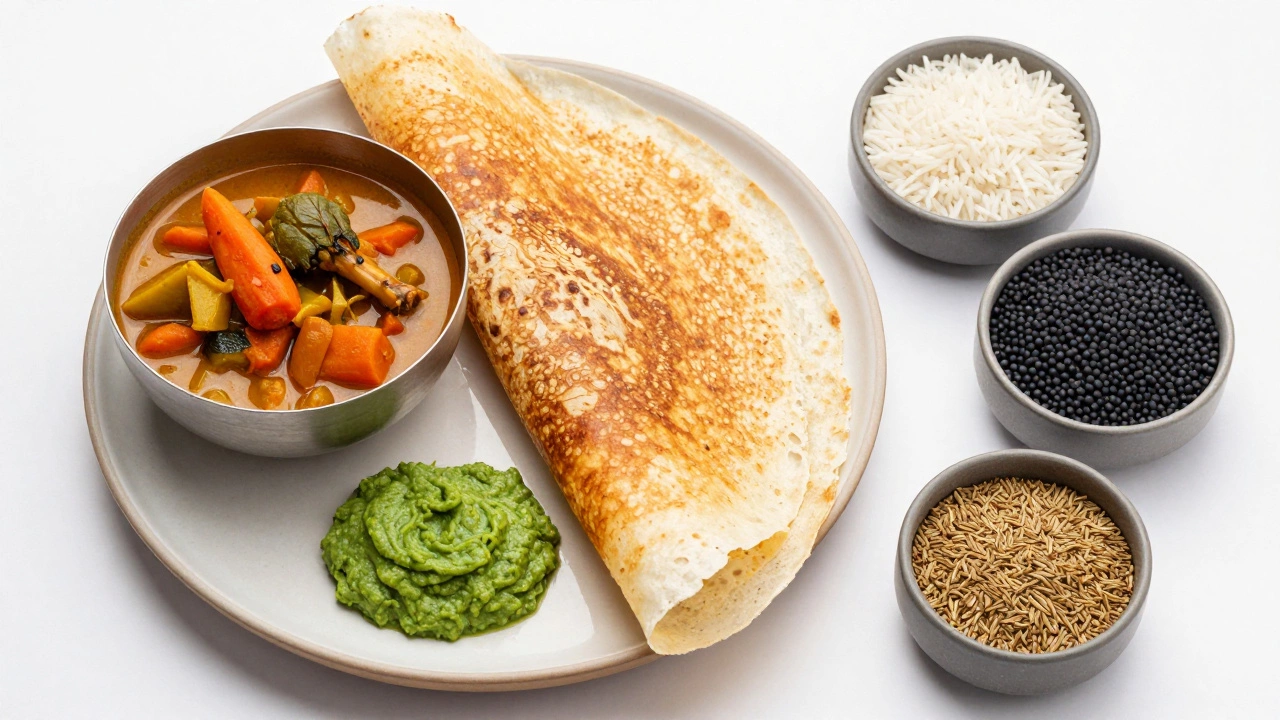
A plain dosa served with a small bowl of sambar (lentil vegetable stew) and coconut chutney is a balanced meal. Sambar adds fiber, vitamins, and additional protein. Coconut chutney provides healthy fats. This combination keeps you satisfied and stabilizes blood sugar.
Contrast this with a Masala Dosa is a popular variant filled with spiced potato mash. While delicious, the potato filling is high in carbohydrates and often cooked with significant amounts of oil. A large Masala Dosa can easily exceed 400-500 calories, rivaling or exceeding the caloric intake of a large serving of rice with curries. Furthermore, if you dip your dosa in heavy, cream-based sauces or eat it with sugary jaggery (as some do for sweet dosa), the health advantages vanish.
Rice, on the other hand, is often eaten with dal, vegetables, and yogurt. If your rice meal includes plenty of fiber-rich vegetables and lean protein sources like chicken or fish, it can be just as healthy as a dosa meal. The problem arises when rice is eaten with minimal accompaniments or excessive ghee/oil.
Making Dosa Healthier: Practical Tips
If you want to maximize the health benefits of dosa over rice, consider these adjustments to your recipe and routine:
- Increase the Dal Ratio: Try a 1:1 ratio of rice to urad dal. This increases protein and fiber significantly, lowering the GI.
- Add Millet: Replace half the rice with ragi (finger millet) or oats. Ragi dosa is incredibly rich in calcium and fiber.
- Use Less Oil: You don't need to drench the tawa (griddle) in oil. Use a silicone brush to apply a thin layer, or use a non-stick pan.
- Ferment Properly: Do not rush the process. Cold weather may require longer fermentation times. A bubbly, risen batter indicates successful fermentation.
- Balance Your Plate: Always serve dosa with sambar or a side salad. Avoid relying solely on chutneys for flavor.
When Rice Might Be the Better Choice
While dosa generally wins on nutrient density, rice has its place. For athletes needing quick glycogen replenishment post-workout, the fast-digesting carbs in white rice can be advantageous. Additionally, for individuals with sensitive stomachs or specific digestive disorders, the gas-producing nature of fermented legumes in dosa might cause discomfort. In such cases, easily digestible rice with mild accompaniments is a safer bet.
Also, consider portion control. A single large dosa can be calorie-dense. If you are mindful of portions, a small serving of brown rice with a large bowl of vegetable curry can be equally nutritious and potentially lower in calories than a crispy, oil-heavy dosa.
Conclusion: It's About Balance, Not Bans
So, is dosa healthier than rice? For most people, especially those looking to improve gut health, stabilize blood sugar, and increase protein intake, yes, a traditionally fermented dosa is the superior choice. It offers a more complete nutritional profile due to the synergy of grains and legumes enhanced by fermentation.
However, neither food is inherently "bad." The key lies in preparation and pairing. A poorly made, instant dosa loaded with potatoes and oil is no better than a plate of white rice drowned in ghee. Focus on whole ingredients, proper fermentation, and balanced meals. Whether you choose dosa or rice, ensuring your plate includes vegetables, protein, and healthy fats will always lead to better health outcomes.
Can I eat dosa every day for breakfast?
Yes, you can eat dosa daily if it is part of a balanced diet. Ensure you vary the toppings and include plenty of vegetables in your sambar or side salad. Rotating grains (like using ragi or millet occasionally) prevents nutrient monotony and reduces exposure to any potential anti-nutrients found in repetitive grain consumption.
Is instant dosa batter as healthy as homemade fermented batter?
No, instant dosa batter is generally less healthy. Most instant mixes lack the prolonged fermentation process that breaks down anti-nutrients and improves digestibility. They often contain preservatives and may have a higher glycemic index. Homemade batter allows you to control the rice-to-dal ratio and ensures proper fermentation.
Which is better for weight loss: dosa or idli?
Idli is generally considered slightly better for weight loss than dosa because it is steamed rather than fried. Steaming requires little to no oil, whereas dosa typically involves cooking on a griddle with oil or ghee. Both are fermented and healthy, but idli has fewer calories due to the absence of added fats during cooking.
Does the type of rice used in dosa matter?
Yes, it does. Traditional parboiled rice or short-grain rice is commonly used for dosa. Using brown rice or millets like ragi or sorghum can increase the fiber and micronutrient content, making the dosa even healthier. Brown rice dosa takes longer to grind and ferment but offers a lower glycemic index.
Can diabetics eat dosa?
Diabetics can eat dosa, but they must be cautious. Choose dosas made with a higher proportion of urad dal or millets. Avoid masala dosa with potato fillings, as potatoes are high in carbs. Pair the dosa with high-fiber sambar and limit portion sizes. Monitoring blood sugar response after meals is also recommended.