Dosa Salt Timing & Fermentation Calculator
Batter Details
Enter Details Above
We will calculate the perfect salt amount and tell you when to add it.
Here is the short answer that saves your breakfast: No, do not add salt to your dosa batter before you let it ferment. If you want those paper-thin, lacy, golden-brown crepes that shatter when you bite into them, keep the salt out until the very last minute-right before you heat up the pan.
I know, I know. It feels counterintuitive. We salt our dough for bread, we salt our pasta water, and we salt almost everything else in the kitchen early on. But dosa batter is a different beast entirely. It relies on a delicate biological process involving wild yeast and bacteria that live naturally on rice and lentils. Adding salt too early can actually slow down or even stop this process, leaving you with dense, flat pancakes instead of fluffy, airy dosas.
The Biology of Your Batter
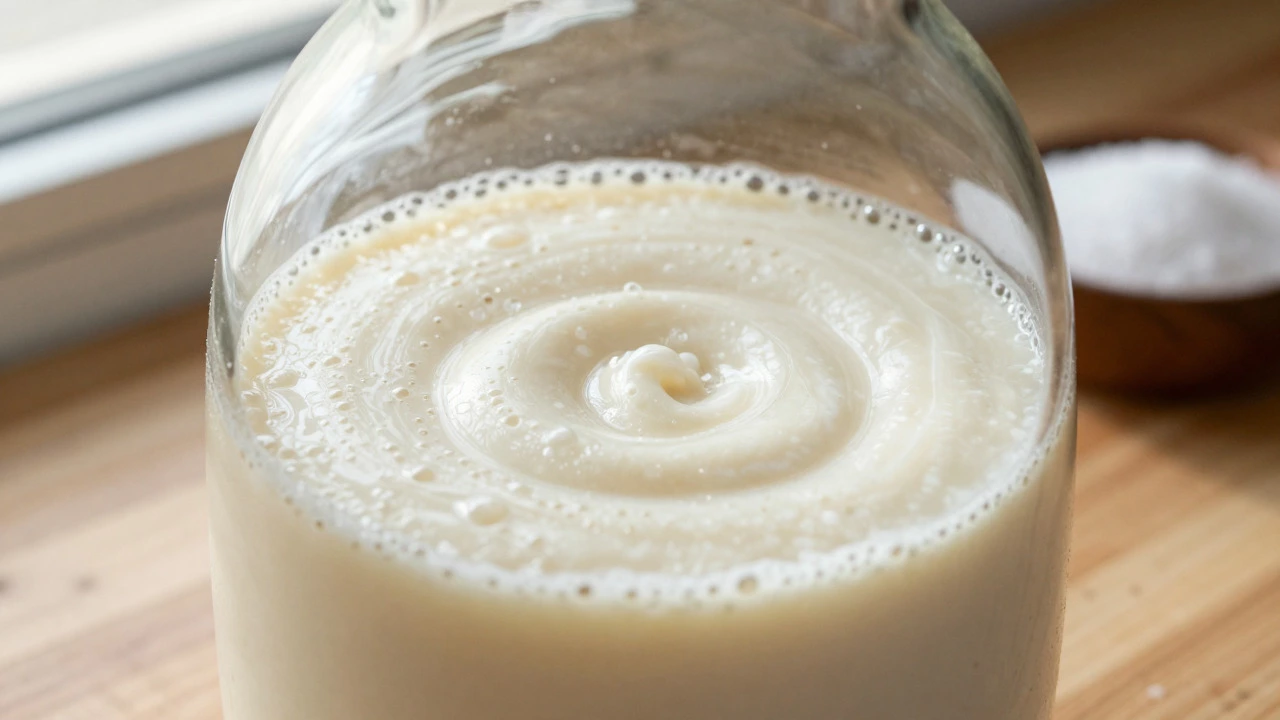
To understand why salt waits, you have to look at what is happening inside that jar overnight. When you soak rice and urad dal (black gram), you are preparing the stage for fermentation. This isn't just magic; it's microbiology. The soaking process activates enzymes that break down starches into sugars. These sugars become food for the lactic acid bacteria and wild yeasts present in the environment and on the grains themselves.
Fermentation is the metabolic process that consumes sugar in the absence of oxygen, producing carbon dioxide and organic acids. In the context of dosa making, this process is responsible for the rise in volume and the tangy flavor profile.
When these microbes eat the sugars, they produce two things: carbon dioxide gas and lactic acid. The gas gets trapped in the gluten-free matrix of the batter, creating tiny bubbles. These bubbles are what make your dosa light and spongy. The lactic acid gives that signature sour taste that balances the richness of the coconut chutney and sambar.
Salt is hygroscopic, meaning it attracts and holds water molecules. More importantly, in high concentrations, it creates an osmotic pressure that can dehydrate microbial cells. Think of it like pickling cucumbers-the salt draws moisture out of the cells, effectively slowing down their metabolism. If you add a teaspoon of salt to your raw batter, you are essentially putting the brakes on the yeast and bacteria. They work slower, produce less gas, and your batter rises poorly.
Why Timing Matters More Than Quantity
You might be thinking, "But I only use half a teaspoon of salt!" Even small amounts matter during the critical window of fermentation. In warm climates like Chennai or Bangalore, where temperatures hover around 30°C (86°F) year-round, fermentation happens quickly, often within 4 to 6 hours. In cooler places like Auckland, where I live, or in air-conditioned kitchens in winter, it might take 12 to 18 hours. During this long wait, every factor counts.
If you add salt upfront, you risk under-fermentation. An under-fermented batter will result in dosas that are thick, heavy, and lack that characteristic crispness. They won't spread easily on the tawa (griddle); instead, they will stick and tear. You end up with something closer to a dense pancake than a delicate dosa.
However, there is a nuance here. Some traditional households in South India do add a pinch of salt to the batter, especially if they are making instant dosas using store-bought fermented batter mixes or if they are adding vegetables directly into the batter (like in vegetable dosa). In these cases, the fermentation has already happened, or the batter is being cooked immediately. For homemade, from-scratch batter that you plan to ferment overnight, the rule remains strict: no salt.
The Correct Way to Season Your Dosa
So, when does the salt go in? The answer is simple: right before you pour the batter onto the hot pan. Here is the step-by-step method that guarantees success:
- Ferment First: Grind your soaked rice and urad dal separately or together, depending on your preferred texture. Mix them thoroughly. Cover the jar and leave it in a warm place until it doubles in volume and becomes slightly sour. This usually takes 8-12 hours in summer and up to 24 hours in winter.
- Check the Rise: Lift the lid. If the batter has expanded and looks bubbly, it’s ready. If it smells overly sour, it might have over-fermented, but it’s still usable. If it hasn’t risen much, give it more time or move it to a warmer spot.
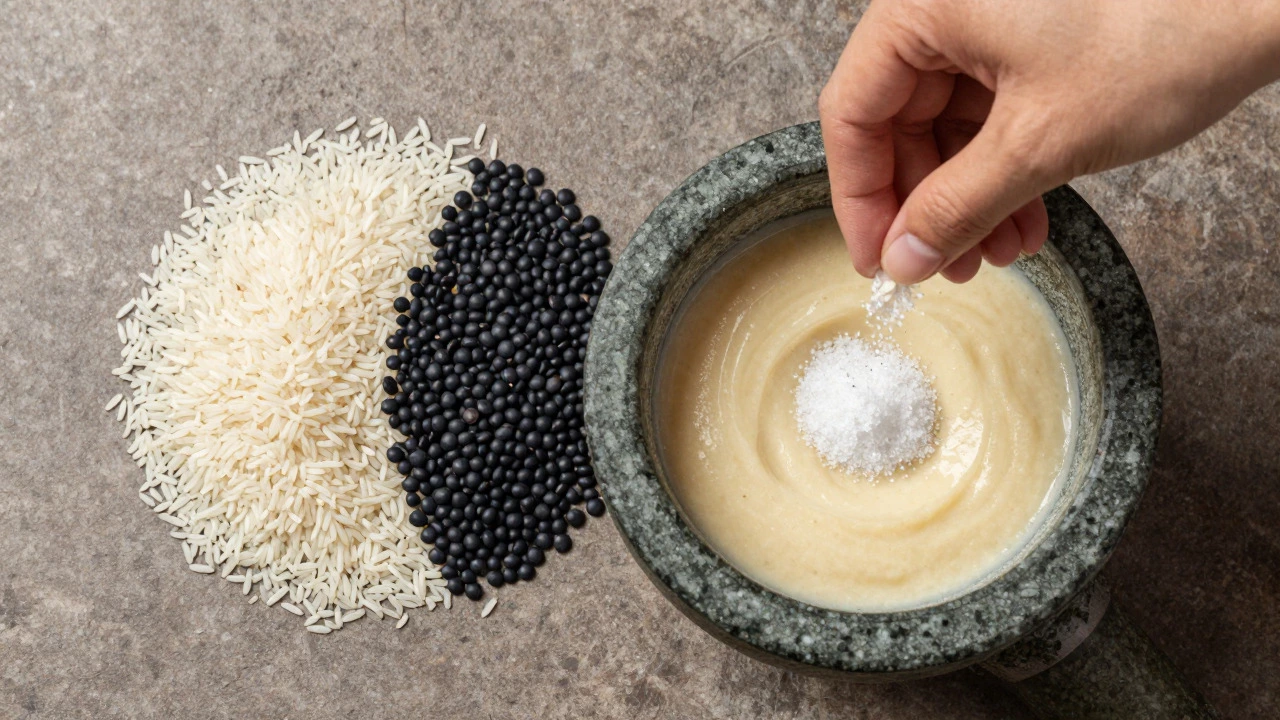
- Add Salt Now: Once the fermentation is complete, add your salt. A good rule of thumb is about ½ to ¾ teaspoon of fine sea salt per cup of dry ingredients (rice + dal). Mix it well. Let the batter sit for 15-20 minutes after adding salt. This allows the salt to dissolve completely and ensures an even distribution of flavor.
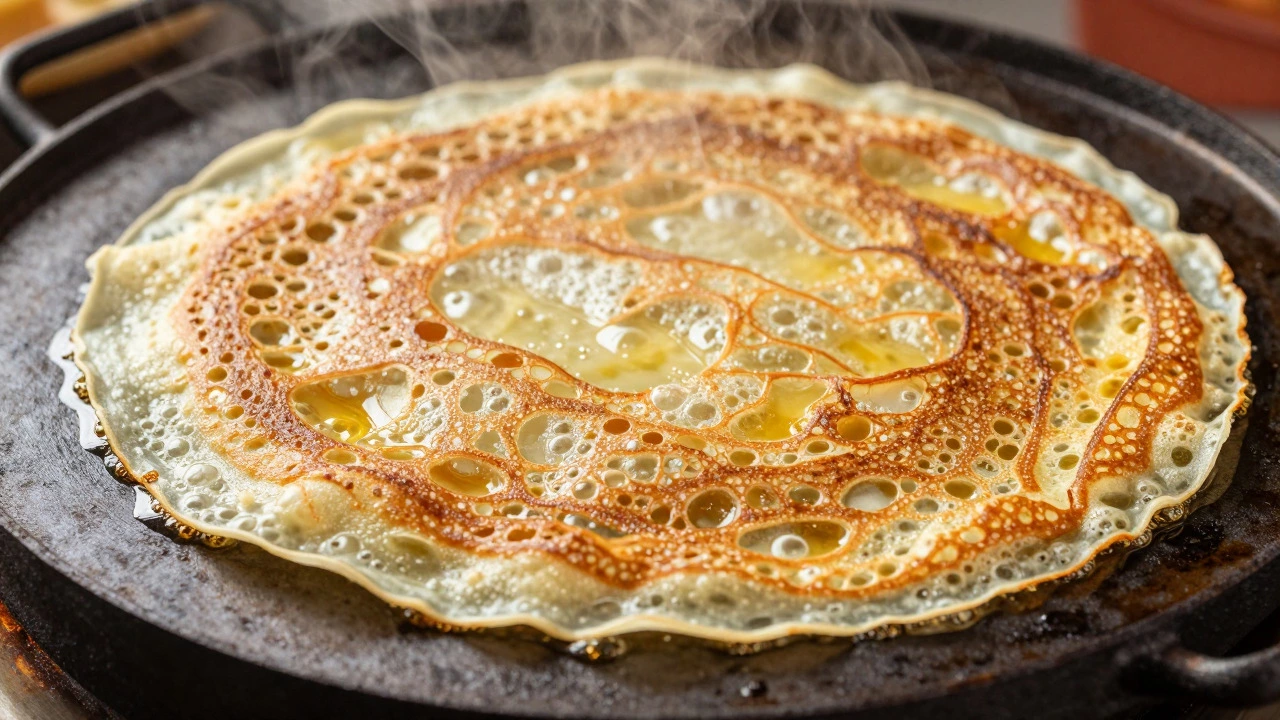
- Cook Immediately: Heat your non-stick pan or cast-iron tawa. Pour a ladle of batter, swirl it quickly to create a thin layer, drizzle oil or ghee around the edges, and cook until golden brown.
By adding salt after fermentation, you get the best of both worlds: maximum rise from unhindered microbial activity and perfect seasoning in the final product. The salt enhances the natural flavors of the rice and lentils without interfering with the chemistry that makes the dosa light.
Troubleshooting Common Issues
Even with the right salt timing, things can go wrong. Let’s address some common scenarios where salt plays a role, either directly or indirectly.
Your Dosas Are Not Crispy
If your dosas turn out soft and chewy, it’s rarely because of the salt itself. It’s usually due to the consistency of the batter. Your batter should be thinner than pancake batter, similar to heavy cream. If it’s too thick, the heat can’t penetrate evenly, and the surface doesn’t dry out enough to become crisp. Add a little water to adjust the consistency after you’ve added the salt. Also, ensure your pan is hot enough. If the pan isn’t hot, the batter will absorb oil instead of frying, leading to a soggy texture.
Your Batter Tastes Too Sour
Sometimes, despite following the rules, your batter turns out too tangy. This happens when fermentation runs too long, especially in hot weather. While you can’t undo the fermentation, you can balance the flavor. Adding a pinch of sugar along with the salt right before cooking can help neutralize the excess acidity. Sugar doesn’t interfere with fermentation if added late, but it helps mask the sharpness of the lactic acid.
Your Dosas Stick to the Pan
Sticking is often a sign of under-fermentation or incorrect pan temperature. If the batter didn’t rise properly (possibly due to early salt addition), the structure is weak and prone to sticking. Ensure your tawa is seasoned and at the right temperature. Test by sprinkling a few drops of water on the pan; if they sizzle and evaporate instantly, it’s ready. If they pool and bubble slowly, it’s too cold. If they vanish instantly without sizzling, it’s too hot.
Variations and Exceptions
While the "no salt before fermentation" rule is gold for standard masala dosas, there are variations where the approach shifts slightly.
Instant Dosa Mixes
Commercial instant dosa powders are pre-cooked and dried. They don’t require fermentation in the traditional sense. You simply mix them with water and cook. In this case, you can add salt to the water before mixing, or stir it into the batter. Since there are no active microbes to worry about, timing is flexible. However, many chefs still prefer adding salt to the batter itself for better control over salinity.
Vegetable Dosa
For vegetable dosas, you mix finely chopped onions, chilies, coriander, and sometimes grated carrots or potatoes into the batter. Because these vegetables contain water, they can dilute the batter and affect its consistency. It’s crucial to add salt to the vegetables first, let them sit for 10 minutes to draw out moisture, squeeze out the excess liquid, and then fold them into the fermented batter. This prevents the dosa from becoming watery and breaking apart.
Rava Dosa (Semolina Dosa)
Rava dosa uses semolina (sooji) mixed with fermented batter. The semolina is roasted first, then combined with the batter. Salt is typically added to the batter portion before mixing with the semolina. Since the semolina doesn’t ferment, the salt doesn’t interfere with any biological process here. It’s safe to season the batter fully before combining.
Comparison Table: Salt Timing Impact
| Timing of Salt Addition | Fermentation Result | Dosa Texture | Flavor Profile |
|---|---|---|---|
| Before Fermentation | Slowed or inhibited rise | Dense, thick, chewy | Flat, less complex |
| After Fermentation, Before Cooking | Optimal rise, bubbly batter | Crispy, lacy, light | Balanced, savory, tangy |
| On Top After Cooking | No impact on rise | Crispy, but unevenly seasoned | Salty spots, bland centers |
Pro Tips for Better Fermentation
Since salt is off-limits during fermentation, focus on other factors that boost the process. Temperature is the biggest lever you have. In cold climates, wrap the batter jar in a towel and place it in an oven with just the light on, or near a radiator. Aim for a consistent 25-30°C (77-86°F). Another trick is to add a tiny pinch of sugar or a tablespoon of idli/dosa starter from a previous batch. This jumpstarts the microbial activity, ensuring a robust rise even without salt interference.
Also, consider the ratio of rice to dal. A standard ratio is 3:1 or 4:1 (rice to urad dal). Urad dal provides the protein and structure that traps the gas. If your batter lacks enough dal, it won’t rise well regardless of salt timing. Soaking the grains longer-up to 12 hours in winter-also helps break down proteins and starches, making them easier to ferment.
Finally, don’t forget the grind. A smooth, silky batter ferments better than a gritty one. Use enough water while grinding to achieve a paste-like consistency. The friction from grinding generates heat, which can kill beneficial microbes if the stone or blade gets too hot. Pause occasionally to let the mixture cool if you’re using a blender.
Can I add salt to dosa batter if I am cooking it immediately?
Yes, if you are making instant dosas or using a batter that has already been fermented and stored, you can add salt right before cooking. Since the fermentation process is complete, the salt will not inhibit microbial growth. Just ensure you mix it well so the flavor is distributed evenly throughout the batter.
Why does my dosa batter smell sour but not rise?
A sour smell indicates that lactic acid bacteria are active, but a lack of rise suggests that yeast activity is low. This can happen if the temperature was too cold for yeast, or if salt was added too early, inhibiting the gas-producing organisms. To fix this, try fermenting in a warmer location next time, and avoid adding salt until after the batter has visibly doubled in size.
Does adding baking soda help if I forgot to ferment properly?
Baking soda can provide a quick chemical leavening effect, but it changes the flavor and texture significantly. Traditional dosas rely on natural fermentation for their unique taste. Using baking soda may result in a metallic aftertaste and a softer, less crispy texture. It’s better to troubleshoot your fermentation conditions than to rely on chemical leaveners for authentic results.
How much salt should I add to one cup of dosa batter?
Start with ½ teaspoon of fine sea salt per cup of dry ingredients (rice and dal combined). Taste a small drop of the batter on the hot pan before spreading it fully. Adjust as needed, keeping in mind that chutneys and sambar are also salty, so the dosa itself shouldn’t be overwhelmingly salty.
Can I refrigerate dosa batter with salt in it?
It’s best to refrigerate unseasoned batter. Salt can continue to draw out moisture and affect the texture over time, even in the fridge. If you must store seasoned batter, consume it within 24 hours. Bring it to room temperature before cooking, and adjust the consistency with water if it has thickened.