Biryani Aroma Profile Calculator
Configuration
Aroma Breakdown
BalancedConfigure settings and click Generate to see your ingredient list.
Have you ever opened a pot of biryani and been hit by that incredible, intoxicating scent that makes your mouth water instantly? It’s not just about the taste; it’s the smell that tells you this dish is special. Many home cooks struggle with making biryani that looks right but smells flat or overly spicy without depth. The secret isn’t one magic ingredient-it’s a combination of technique, timing, and specific aromatic elements.
If you want your biryani to have that restaurant-quality fragrance, you need to understand how aromatics work together. It’s not enough to just throw spices into the rice. You have to layer them correctly, use the right heat methods, and seal in those volatile oils. Let’s break down exactly how to achieve that perfect, lingering aroma in every grain.
The Foundation: Choosing the Right Rice
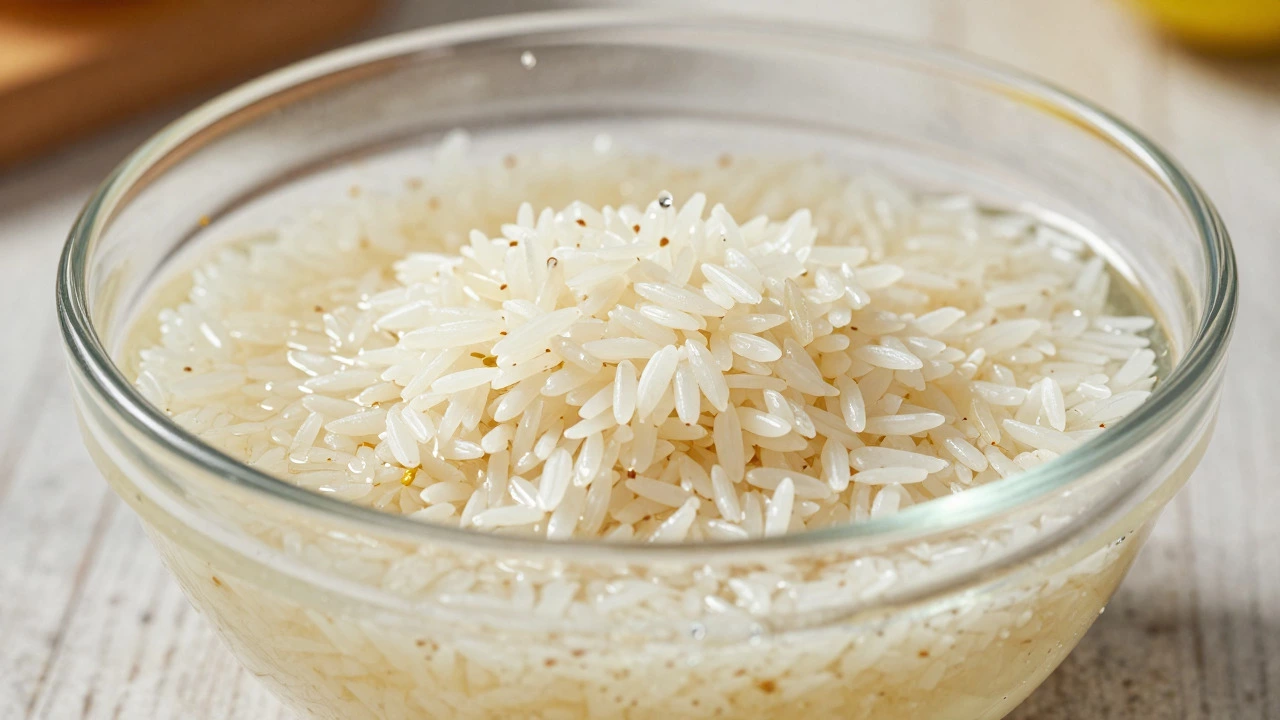
Before we talk about spices, let’s talk about the canvas. The type of rice you choose dictates how well it absorbs and holds onto aromas. Short-grain rice like Basmati is essential here. Specifically, look for aged Basmati rice. Fresh rice has too much moisture and doesn’t release its natural floral notes as effectively. Aged rice, which has been stored for at least a year, loses some moisture, allowing the grains to elongate properly during cooking and absorb the surrounding flavors more deeply.
When you rinse your rice, be gentle. Over-rinsing can wash away the natural starches that help carry flavor. Soak the rice in warm water with a squeeze of lemon juice for 30 minutes. This step softens the grains and prepares them to take on the strong scents of the marinade and the top layer of spices. Without this preparation, even the best spices will sit on top of the rice rather than infusing into it.
The Magic Trio: Saffron, Rose Water, and Kewra
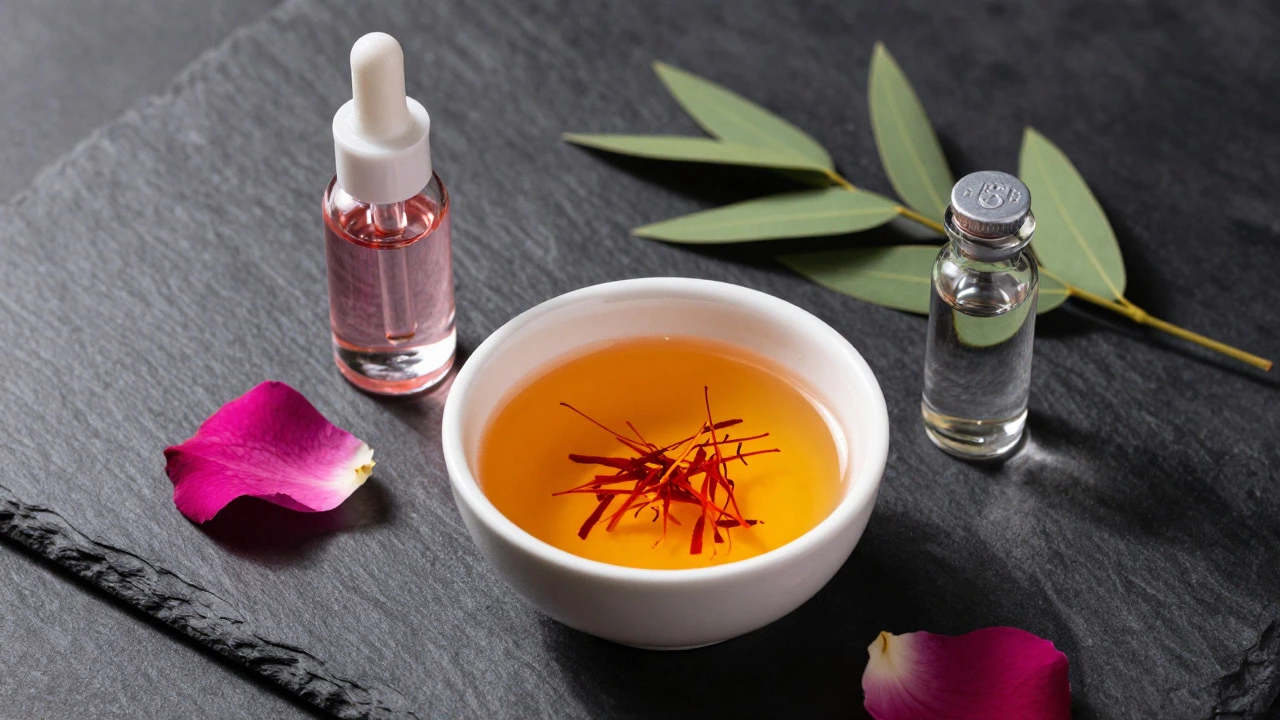
In traditional Hyderabadi and Lucknowi styles, three liquid aromatics are non-negotiable if you want that signature scent. These are Saffron, the world's most expensive spice, known for its distinct earthy-sweet aroma, rose water, and kewra water (screwpine essence).
- Saffron: Never add dry saffron directly to the pot. Instead, steep a pinch of high-quality saffron threads in two tablespoons of warm milk or cream. Let it sit for 15-20 minutes until the liquid turns a deep golden-orange. This releases the crocin and safranal compounds responsible for the color and smell. Drizzle this over the partially cooked rice just before sealing the pot.
- Rose Water: Use food-grade rose water sparingly. A teaspoon is often enough for a large pot. Too much can make the dish taste soapy or artificial. Add it along with the saffron milk.
- Kewra Water: This is a potent floral extract. Just a few drops go a long way. It adds a fresh, green floral note that balances the heaviness of the meat and spices.
These liquids are added in the final stages of cooking. If you add them too early, the delicate volatile oils evaporate during the long simmer, leaving you with no aroma at all.
Toasting Whole Spices: Releasing Essential Oils
Ground spices lose their potency quickly. For maximum aroma, start with whole spices. This includes cardamom pods, cloves, cinnamon sticks, black pepper corns, and bay leaves. The key technique here is blooming.
Heat ghee (clarified butter) or oil in a pan until it shimmers. Add the whole spices and toast them for 30-60 seconds. You should hear a slight crackling sound and smell an immediate burst of fragrance. This process heats up the essential oils trapped inside the spice cells, releasing them into the fat. Fat carries flavor better than water does. By toasting spices in ghee, you create a fragrant base that coats the meat and rice evenly.
Don’t burn them! Burnt spices taste bitter and smell acrid. Remove them from the heat as soon as they become fragrant. In many recipes, these toasted whole spices are also placed on top of the rice layers before the final cook, acting as a slow-release aroma bomb.
The Power of Ghee and Fried Onions
You might wonder why restaurants always use ghee. Regular butter burns at lower temperatures and has a milky taste that can overpower subtle spices. Ghee has a higher smoke point and a nutty, rich aroma that complements the earthiness of cumin and coriander. When you drizzle melted ghee over the layered biryani before sealing it, it acts as a sealant, trapping steam and aromatics inside the pot.
Fried onions, or birista, are another critical component. They aren’t just for crunch. As onions caramelize, they undergo the Maillard reaction, creating complex savory aromas. Fry sliced onions in batches until they are deep golden brown and crispy. Drain them well. Layer these fried onions between the meat and rice. As the biryani steams, the onions soften slightly and release their sweet, savory scent into the surrounding rice grains.
Dum Cooking: Sealing in the Scent
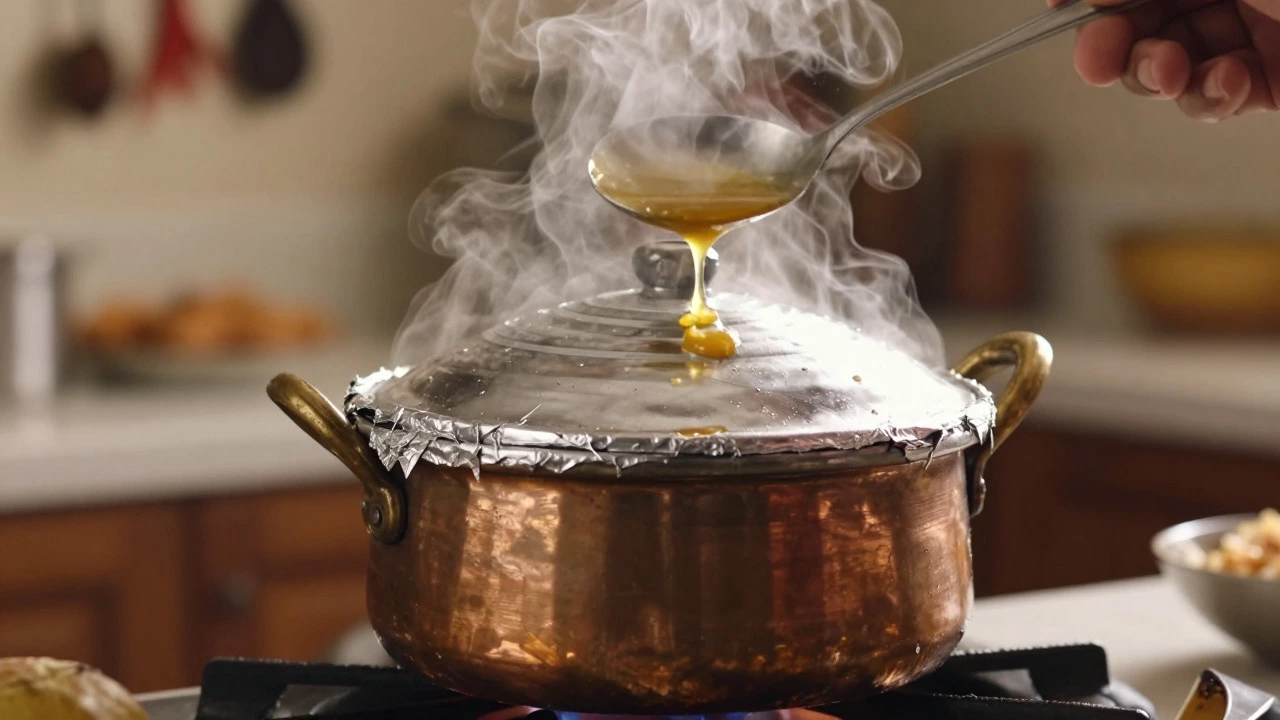
The term "dum" refers to slow cooking in a sealed environment. This is where the magic happens. All the individual aromas-saffron, rose, toasted spices, ghee, and meat juices-need time to meld together. Without proper sealing, these vapors escape into your kitchen air instead of penetrating the rice.
Here is how to do it right:
- Layer your parboiled rice over the marinated meat mixture.
- Drizzle the saffron milk, rose water, and kewra water over the top layer of rice.
- Add dollops of ghee and the remaining fried onions.
- Cover the pot with aluminum foil first, pressing it tightly around the rim to create an airtight seal. Then place the heavy lid on top.
- Cook on high heat for 3-5 minutes to build pressure, then reduce to the lowest possible setting for 20-40 minutes, depending on the quantity.
This trapped steam circulates through the rice, carrying the dissolved aromatics down into the bottom layers. The result is a uniform fragrance throughout the dish, not just on top.
Common Mistakes That Kill Aroma
Even with good ingredients, you can ruin the scent profile if you make certain errors. One common mistake is using old or low-quality spices. Cardamom that has lost its green hue won’t provide any citrusy freshness. Cloves that don’t snap when pressed are stale. Always buy spices in small quantities from reputable sources.
Another error is overcrowding the pot. If your pot is too full, there isn’t enough space for steam to circulate. The rice at the bottom may get mushy while the top remains undercooked, and the aromas won’t distribute evenly. Use a wide, heavy-bottomed pot that allows for a tall column of rice and meat.
Finally, don’t open the lid too soon. Every time you lift the lid, you release the built-up pressure and aroma. Wait until the cooking time is complete. When you finally do open it, do it away from the stove to avoid burning yourself, and inhale deeply. That initial burst of steam should be fragrant, not just hot.
| Ingredient | Primary Aroma Note | Best Usage Method |
|---|---|---|
| Saffron | Earthy, Sweet, Floral | Steeped in warm milk, added last |
| Rose Water | Floral, Romantic | Drizzled sparingly before sealing |
| Ghee | Nutty, Rich | Used for frying spices and layering |
| Cardamom | Citrusy, Minty | Toasted whole in ghee |
| Fried Onions | Savory, Sweet, Caramelized | Layered between meat and rice |
Regional Variations in Aroma Profiles
It’s worth noting that different regions prioritize different aromatics. Hyderabadi biryani leans heavily on the tangy scent of raw mango powder and the sharpness of green chilies, balanced by the sweetness of fried onions. Lucknowi biryani, being more refined, emphasizes the subtlety of kewra and rose, with less chili heat. Kolkata biryani introduces potatoes, which absorb the masala and add a starchy, comforting scent. Understanding which profile you prefer helps you adjust the ratios of your aromatic agents.
If you love bold, pungent smells, increase the amount of whole spices like cloves and black pepper. If you prefer a delicate, perfumed scent, focus on the quality of your saffron and kewra. There is no single correct way, but knowing the impact of each ingredient allows you to customize the experience.
Why does my biryani smell like raw onion?
This usually happens if the onions weren't fried long enough or if raw onion slices were left in the marinade without sufficient cooking time. Ensure your fried onions are deeply caramelized, and cook the meat layer thoroughly before adding the rice. Raw onion smell can overpower delicate spices.
Can I use vanilla extract instead of rose water?
While vanilla shares some floral notes, it tastes distinctly Western and sweet. It can clash with the savory spices in biryani. Stick to rose water or orange blossom water for an authentic Middle Eastern and South Asian flavor profile. If you must substitute, use a very small amount of almond extract, but proceed with caution.
How do I store leftover biryani without losing the aroma?
Store cooled biryani in an airtight container in the refrigerator. When reheating, sprinkle a little water and a drop of ghee over the rice, cover the container, and microwave or steam it. This reintroduces moisture and fat, helping to revive the aromatic oils that solidify when cold.
Is it necessary to use saffron for good aroma?
Saffron is highly recommended for its unique earthy-floral scent that other spices cannot replicate. However, if budget is a concern, you can enhance the aroma with extra toasted whole spices, more ghee, and a high-quality kewra water. Food coloring can mimic the look, but only real saffron provides the true smell.
Why is my biryani smelly but not tasty?
Aroma and taste are linked but distinct. If it smells great but tastes bland, your seasoning (salt and acid) might be off. Ensure your meat marinade has enough salt, yogurt, and acid (like lemon juice or tamarind). Also, check if the rice was rinsed too vigorously, washing away the starches that help bind the flavors.