
Biryani Health & Calorie Calculator
Estimated Nutrition Per Serving
You just finished a plate of steaming hot Biryani is a mixed rice dish originating from the Indian subcontinent, typically made with spices, meat or vegetables, and fried onions., and now you’re staring at the empty plate wondering if you just ruined your diet. It’s a common feeling. Biryani is delicious-undeniably so-but it also carries a reputation for being a nutritional landmine. You aren’t imagining things; standard restaurant-style biryani is often loaded with calories, saturated fats, and sodium. But before you swear off this iconic dish forever, let’s look at exactly what makes it "unhealthy" and how you can tweak the recipe to keep the flavor without the guilt.
The Calorie Bomb: Why Biryani Packs So Much Punch
The primary reason people label biryani as unhealthy is its sheer caloric density. A single serving of chicken biryani from a typical restaurant can range from 800 to 1,200 calories. To put that in perspective, that’s nearly half of the recommended daily intake for an average adult in one sitting. Where do these numbers come from? It’s not just the rice. It’s the combination of ingredients that turns a simple meal into a calorie bomb.
Rice itself is energy-dense. Basmati rice, the traditional choice, has about 200 calories per cooked cup. But in biryani, we’re rarely eating plain rice. We’re eating rice cooked in ghee (clarified butter), layered with marinated meats or vegetables, and topped with fried onions. Each layer adds significant energy value. Ghee, while rich in flavor and fat-soluble vitamins, is pure fat, containing about 100 calories per tablespoon. Most recipes call for multiple tablespoons, sometimes even cups, depending on the scale.
Then there’s the protein component. Chicken thighs or mutton are commonly used because they stay tender during the slow cooking process. However, these cuts are higher in fat than chicken breast or lean beef. When you marinate them in yogurt and oil, then cook them in more ghee, the fat content skyrockets. For someone watching their weight, this combination of high-carb rice and high-fat meat creates a metabolic challenge.
Fat Content and Saturated Fats
If calories are the headline, fat is the fine print that worries cardiologists. Traditional biryani relies heavily on ghee and oil for texture and aroma. This isn’t just for show; the fat helps carry the volatile compounds in spices like cardamom, cloves, and saffron, releasing their full aromatic potential. Without sufficient fat, the dish tastes flat.
However, the type of fat matters. Ghee is high in saturated fats. While recent nutrition science has softened its stance on saturated fats, excessive consumption can still raise LDL cholesterol levels in some individuals. A single bowl of biryani can contain 30-40 grams of fat, with a significant portion being saturated. Add to that the crispy fried onions (Birista is deep-fried sliced onions used as a garnish in biryani, adding crunch and sweetness but also significant oil content.) on top, which absorb large amounts of oil during frying, and you have a dish that is heavy on the heart.
The issue isn’t just the total amount of fat, but the ratio of unsaturated to saturated fats. Most home cooks and restaurants use a mix of ghee and vegetable oils. While vegetable oils like sunflower or canola are lower in saturated fats, they are often refined and high in omega-6 fatty acids, which can promote inflammation if consumed in excess without balancing omega-3s.
Sodium Levels: The Hidden Danger
We often focus on sugar and fat, but sodium is the silent culprit in many processed and restaurant meals, including biryani. Salt is essential for flavor, especially when dealing with robust spices. But commercial biryani recipes often go overboard. A single serving can contain 800-1,200 milligrams of sodium, which is close to half of the American Heart Association’s recommended daily limit of 2,300 mg.
Where does all this salt come from? First, there’s the table salt added directly to the rice and marinade. Second, there are salty accompaniments like raita (yogurt sauce) which may be seasoned with salted cucumber or mango pickles. Third, and perhaps most surprisingly, is the use of stock cubes or bouillon in some quick-prep methods, which are packed with sodium. High sodium intake is linked to hypertension, which increases the risk of stroke and heart disease. If you’re sensitive to salt, biryani can leave you feeling bloated and thirsty long after the meal is done.
Glycemic Index and Blood Sugar Spikes
For those managing diabetes or insulin resistance, biryani presents another challenge: the glycemic index (GI). White basmati rice has a moderate GI, around 50-60, which is better than short-grain white rice. However, when cooked with ghee and eaten in large portions, the overall glycemic load (GL) becomes high. Glycemic load takes into account both the quality and quantity of carbohydrates in a serving.
A large plate of biryani delivers a massive carbohydrate load all at once. This causes a rapid spike in blood sugar levels, followed by a crash, which can lead to fatigue and cravings later. The lack of fiber in white rice exacerbates this issue. Fiber slows down digestion and sugar absorption, but polished basmati rice has very little of it. Without enough protein or fiber to balance the carbs, your body struggles to regulate glucose effectively.
How to Make Biryani Healthier Without Losing Flavor
Does this mean you should never eat biryani again? Hardly. Food is culture, comfort, and joy. The goal isn’t elimination; it’s modification. With a few strategic swaps, you can create a version of biryani that satisfies your cravings while supporting your health goals. Here’s how to transform the recipe:
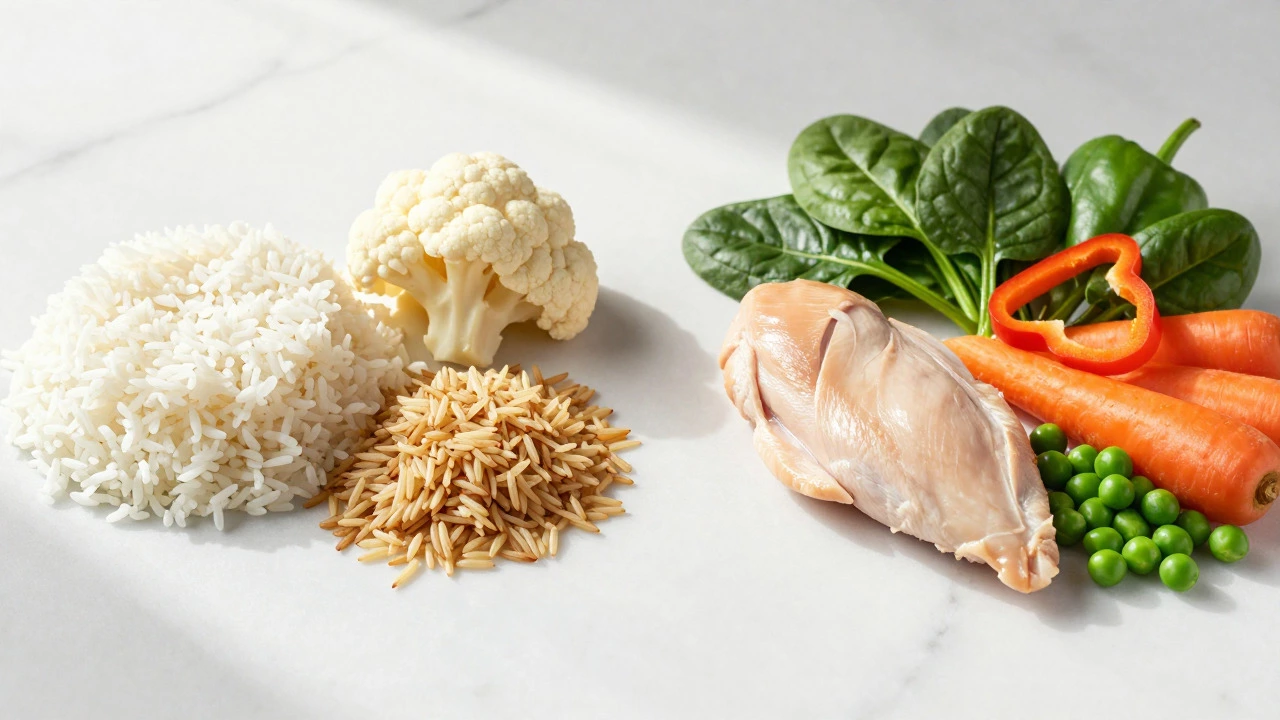
- Swap the Rice: Instead of white basmati, try brown basmati rice. It retains the bran and germ, offering more fiber, magnesium, and antioxidants. Yes, it takes longer to cook and has a nuttier flavor, but it digests slower and keeps you fuller for longer. Another option is cauliflower rice mixed with regular rice to cut the carb count in half.
- Choose Leaner Proteins: Opt for skinless chicken breast instead of thighs, or use fish and shrimp. These proteins are lower in fat and calories. If you love red meat, choose lean cuts of beef and trim visible fat. Marinate in yogurt and spices, but skip the extra oil in the marinade.
- Reduce the Fat: You don’t need to eliminate ghee entirely, but reduce the quantity. Use half the amount called for in traditional recipes. Substitute the rest with olive oil or avocado oil, which are healthier sources of monounsaturated fats. When frying onions, bake them in the oven instead of deep-frying them in oil. This reduces the fat content significantly while still achieving a caramelized crunch.
- Boost the Veggies: Load up on vegetables. Add spinach, bell peppers, carrots, peas, and mushrooms. Not only do they add volume and nutrients, but they also increase the fiber content, helping to stabilize blood sugar. Aim for a 50/50 split between rice and vegetables if possible.
- Control the Sodium: Taste as you go. Use herbs and spices generously-ginger, garlic, cumin, coriander, turmeric-to build flavor without relying on salt. Limit added salt to 1 teaspoon per pot. Avoid salty additions like pickled mangoes or excessive raita seasoning.
Nutritional Breakdown: Traditional vs. Healthy Biryani
| Nutrient | Traditional Chicken Biryani (1 Serving) | Healthy Modified Biryani (1 Serving) |
|---|---|---|
| Calories | 900 - 1,200 kcal | 400 - 600 kcal |
| Total Fat | 40 - 50 g | 15 - 20 g |
| Saturated Fat | 15 - 20 g | 5 - 8 g |
| Carbohydrates | 100 - 120 g | 60 - 80 g |
| Fiber | 2 - 4 g | 8 - 12 g |
| Protein | 30 - 40 g | 35 - 45 g |
| Sodium | 1,000 - 1,500 mg | 400 - 600 mg |
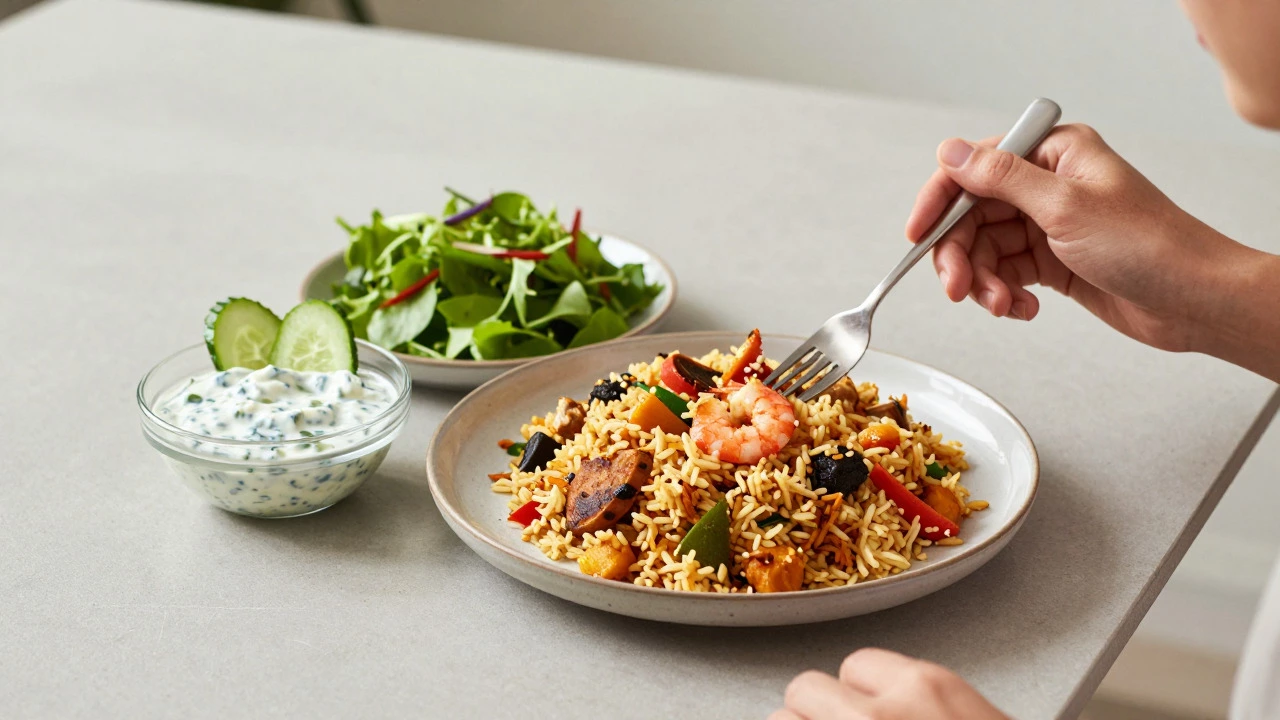
As you can see, the modified version cuts calories by nearly half, reduces saturated fat dramatically, and doubles the fiber content. The protein remains high, ensuring you stay satiated. This is a sustainable way to enjoy biryani regularly without compromising your health.
Mindful Eating and Portion Control
Even with a healthier recipe, portion control is key. Biryani is designed to be indulgent, and it’s easy to overeat when flavors are this complex. Serve yourself a smaller portion initially-perhaps half a cup of rice and a generous scoop of protein and veggies. Fill the rest of your plate with a side salad or cucumber raita made with low-fat yogurt. Drink water before and during the meal to help with digestion and prevent overeating.
Also, consider the frequency. If you make biryani a weekly treat rather than a daily staple, you can afford to be less strict with the modifications. Balance is the ultimate goal. One slightly indulgent meal won’t derail your progress, but consistent mindful choices will protect your long-term health.
Conclusion: Enjoying Biryani Responsibly
So, is biryani unhealthy? In its traditional, restaurant-heavy form, yes-it’s high in calories, fat, and sodium. But food isn’t black and white. By understanding the components that contribute to its nutritional profile, you can take control. Swap ingredients, adjust cooking methods, and practice portion control. You don’t have to give up the dishes you love; you just need to prepare them with intention. After all, the best diet is one you can stick to, and that includes enjoying a flavorful, satisfying plate of biryani every now and then.
Is biryani bad for weight loss?
Traditional biryani can hinder weight loss due to its high calorie and fat content. However, a modified version using brown rice, lean protein, and reduced oil can fit into a weight loss plan if portion sizes are controlled.
What is the healthiest type of biryani?
Vegetable biryani made with brown rice, minimal ghee, and a variety of colorful vegetables is generally the healthiest option. It offers more fiber and fewer calories than meat-based versions.
Can diabetics eat biryani?
Diabetics can eat biryani in moderation. Opt for brown basmati rice, increase the vegetable-to-rice ratio, and avoid sugary marinades. Pair it with a high-protein side to slow down glucose absorption.
How much sodium is in biryani?
Restaurant biryani can contain over 1,000 mg of sodium per serving. Home-cooked versions allow you to control salt levels, aiming for under 500 mg per serving by using herbs and spices for flavor.
Is ghee necessary for biryani?
Ghee provides authentic flavor and aroma, but it is not strictly necessary. You can substitute half the ghee with olive oil or avocado oil to reduce saturated fat while maintaining moisture and taste.