Dal Washing Impact Calculator
Calculate the time saved and health benefits of washing your lentils before cooking.
Results Summary
By washing this amount of dal, you reduce gas-producing sugars by approximately -%. This significantly lowers the risk of bloating and improves mineral absorption due to reduced phytic acid.
You grab a handful of toor dal from the jar. It looks clean enough. Why waste water and time rinsing it? Just throw it in the pot, add water, salt, and let it simmer. It’s a small step, right? But skipping that quick rinse might be costing you texture, flavor, and even your health.
I’ve spent years testing kitchen shortcuts here in Auckland, and I can tell you this: washing dal is not just an old wives' tale. It’s a critical step for several practical reasons. Whether you are making a simple moong dal khichdi or a rich dal makhani, the quality of your final dish starts with how you treat the raw legumes before they hit the heat.
The Hidden Dirt: Why Dal Isn't Clean Off the Shelf
When you buy lentils, chickpeas, or beans, they have traveled a long way to get to your pantry. They were harvested, dried, sorted, packed, shipped, and stored. At every stage, they pick up debris. Even if the package says "pre-washed" or "cleaned," it rarely means sterile.
Here is what you are actually pouring into your pot if you skip the wash:
- Dust and Sand: Lentils are often processed in large facilities where dust settles on everything. Fine sand particles can survive boiling and end up gritting between your teeth.
- Insect Fragments: This sounds gross, but it’s true. During storage, tiny pests may infest the grain. While most die off during processing, fragments can remain.
- Microplastics and Chemical Residues: Modern packaging and transport introduce trace contaminants. Rinsing helps remove surface-level residues.
- Mold Spores: If the batch was stored in humid conditions, invisible mold spores might be present. Washing reduces this load significantly.
Think about it. Would you eat a salad without washing the leaves? Probably not. Dal is no different. It’s a plant product that has been exposed to the elements and industrial handling.
Texture Problems: The Gritty Reality
Have you ever taken a bite of creamy dal only to find a hard, crunchy particle? That’s sand. And it’s one of the most common complaints among home cooks who skip rinsing.
Sand doesn’t dissolve. It doesn’t cook down. It stays hard. When you blend your dal to make it smooth, those tiny stones can damage your blender blades over time. More importantly, they ruin the mouthfeel of your dish. A good dal should be velvety, not abrasive.
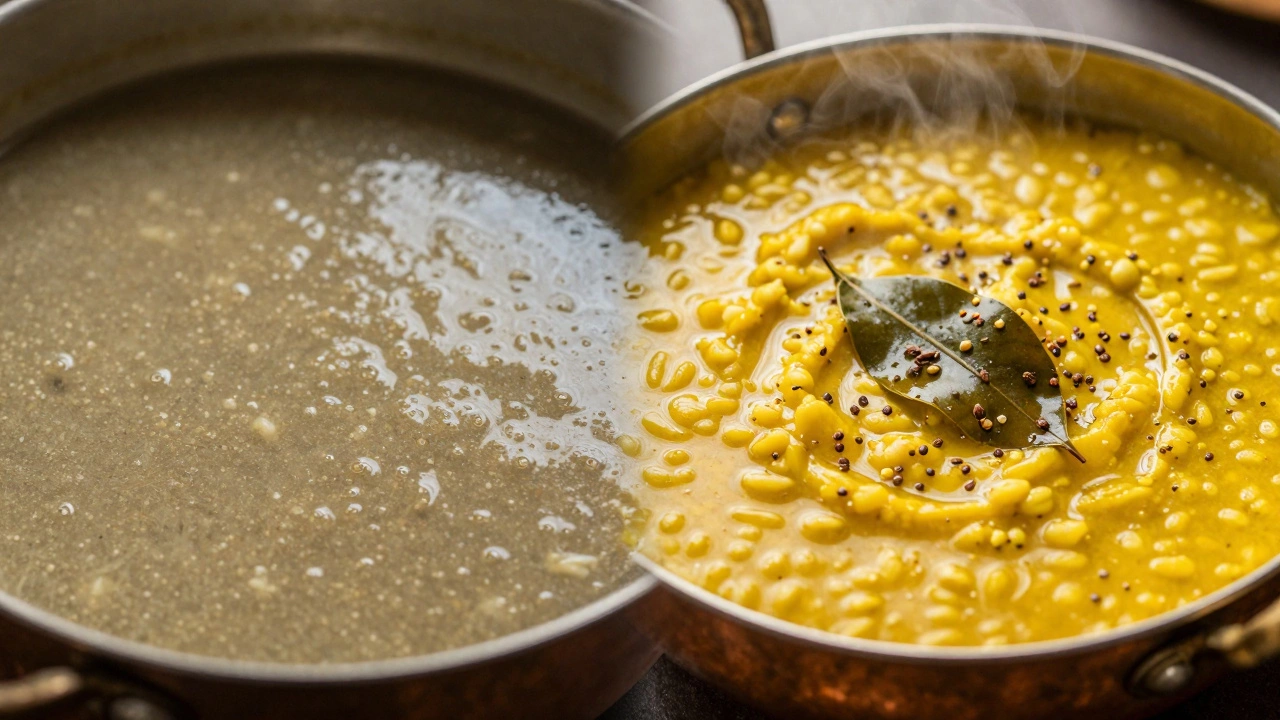
Washing also removes excess starch from the surface. If you don’t rinse, that starch stays on the outside of each lentil. When cooked, it creates a cloudy, slimy broth instead of a clear, rich liquid. For dishes like dal tadka, where clarity and separation of flavors matter, this makes a huge difference.
Flavor Impact: Bitterness vs. Sweetness
Lentils have natural compounds called tannins and saponins. These contribute to bitterness and a soapy aftertaste. Washing helps leach out some of these compounds before cooking begins.
If you’ve ever tasted a batch of dal that seemed oddly bitter despite using plenty of spices, un-washed lentils could be the culprit. By rinsing thoroughly until the water runs clear, you start with a cleaner flavor base. This allows the cumin, garlic, ginger, and turmeric to shine through rather than fighting against earthy, dusty notes.
Also, consider the smell. Unwashed dal can sometimes carry a stale, musty odor from long-term storage. A quick rinse refreshes the aroma, making your kitchen smell inviting instead of faintly unpleasant.
Digestive Comfort: Reducing Gas and Bloating
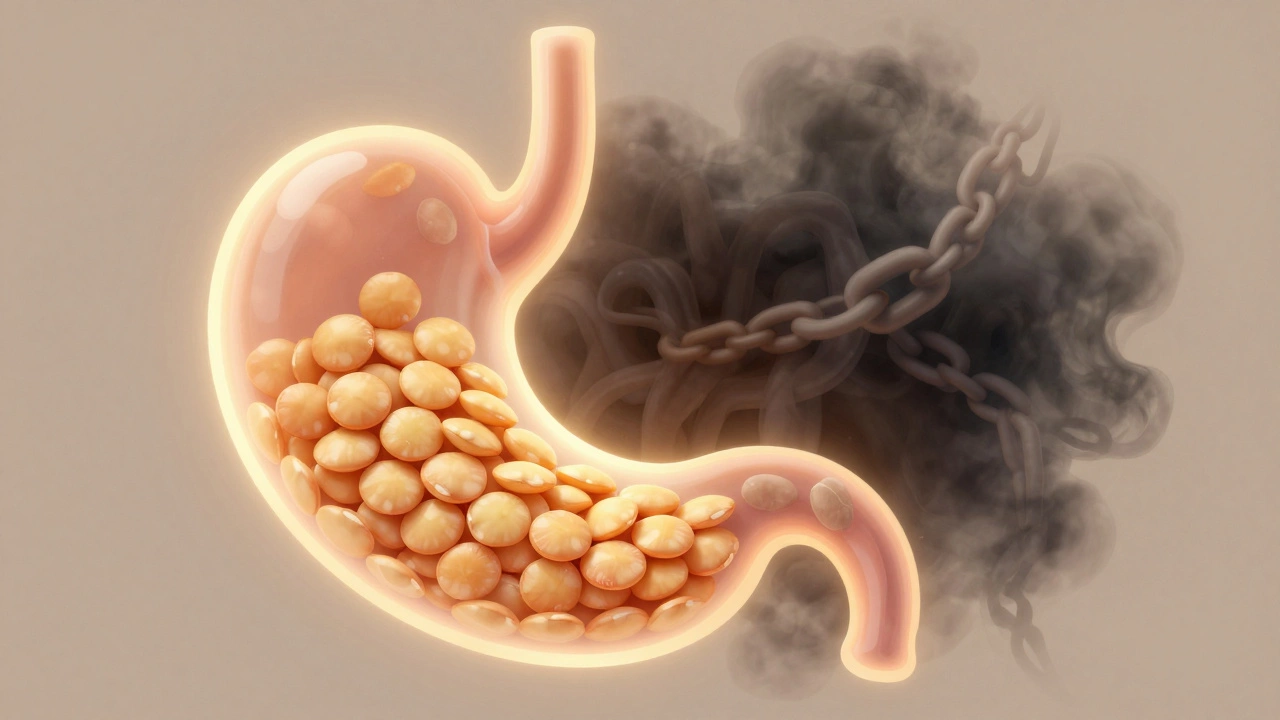
This is probably the biggest reason to wash dal-and soak it afterward. Legumes contain oligosaccharides, complex sugars that our bodies struggle to break down. When gut bacteria ferment these sugars, gas is produced. Result? Bloating, discomfort, and embarrassment.
Washing removes some of the surface enzymes and compounds that trigger this reaction. Soaking (which usually follows washing) goes further by activating phytases-enzymes that break down phytic acid. Phytic acid binds to minerals like iron, zinc, and calcium, preventing absorption. By reducing phytic acid, you not only digest better but also absorb more nutrients.
Studies show that soaking and rinsing legumes can reduce flatulence-causing sugars by up to 30-50%. For anyone sensitive to heavy meals, this isn’t optional-it’s essential.
Nutrient Loss? Debunking the Myth
Some people worry that washing dal washes away vitamins and minerals. Let’s look at the facts.
Lentils are dense foods. Their nutrients are locked inside the seed coat and cotyledon, not sitting loosely on the surface. A quick rinse under running water removes dirt and loose starch, but it does not strip meaningful amounts of protein, fiber, iron, or folate.
In fact, because washing improves digestion and mineral absorption (by reducing anti-nutrients), you likely retain *more* nutritional value in the long run. Your body absorbs what it can use. If bloating prevents full nutrient uptake, then unwashed dal is actually less nutritious.
So, rest easy. Rinsing won’t turn your dal into empty calories. It will make it healthier and easier to enjoy.
How to Wash Dal Properly: Step-by-Step
It takes less than five minutes. Here’s how to do it right:
- Measure First: Put the desired amount of dal into a bowl. Don’t wash directly in the cooking pot unless you plan to soak there too.
- Add Cold Water: Cover the dal completely with cold water. Warm water can start the cooking process prematurely and trap impurities.
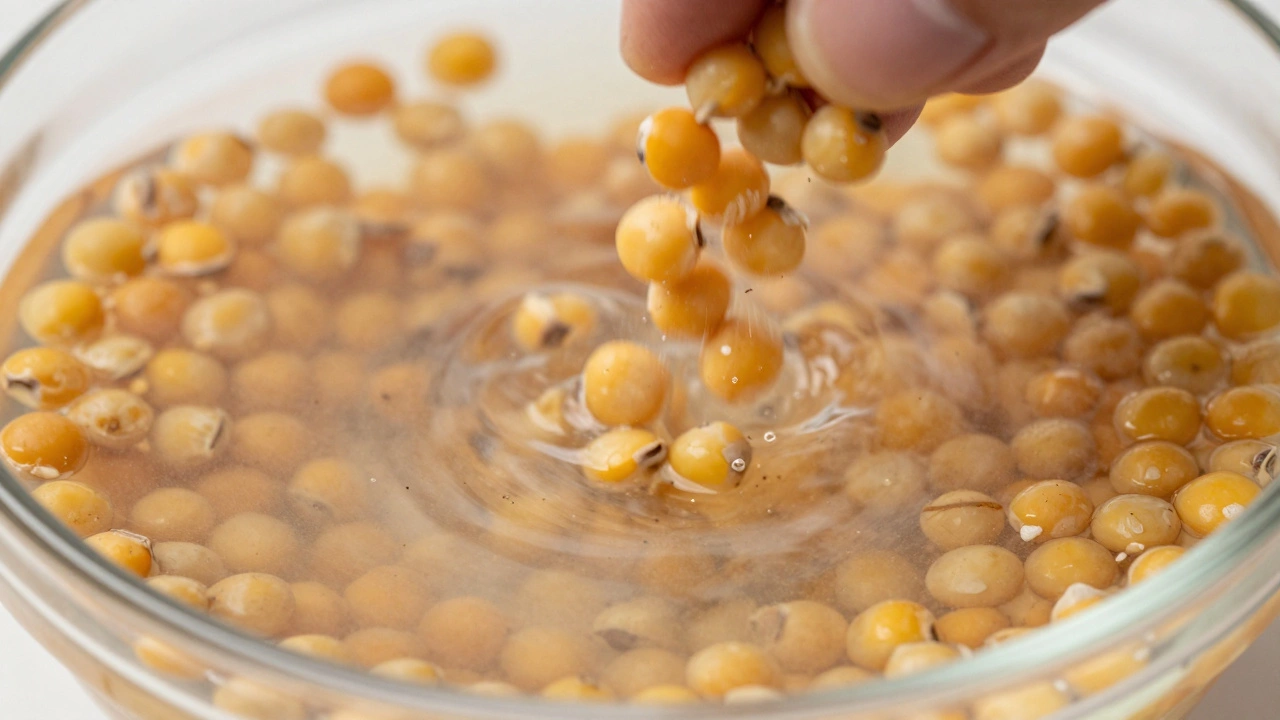
- Swirl and Swish: Use your hand to gently swirl the dal around. This dislodges dust and sand. You’ll see the water turn cloudy almost immediately.
- Drain Carefully: Tilt the bowl and pour off the dirty water. Keep your hand over the dal to prevent spillage. Alternatively, use a fine-mesh strainer.
- Repeat: Refill with fresh water and repeat steps 3-4 until the water runs mostly clear. Usually, two to three rinses are enough for standard lentils. Chickpeas or black urad dal may need four or five.
- Soak (Optional but Recommended): After the final rinse, leave the dal in fresh water for 15-30 minutes. This softens them and speeds up cooking time.
Pro tip: If you’re short on time, at least do one thorough rinse. Better yet, keep a dedicated colander near your sink for quick draining.
Comparison: Washed vs. Unwashed Dal
| Factor | Unwashed Dal | Washed Dal |
|---|---|---|
| Texture | Gritty, possible sand particles | Smooth, consistent consistency |
| Flavor | Earthy, potentially bitter or stale | Clean, sweet, allows spices to highlight |
| Digestion | Higher risk of gas and bloating | Easier to digest, reduced flatulence |
| Nutrient Absorption | Lower due to higher phytic acid | Improved mineral uptake |
| Appearance | Cloudy broth, dull color | Brighter color, clearer liquid |
| Time Required | None | 3-5 minutes |
Special Cases: When Can You Skip Washing?
Are there exceptions? Yes, but few.
If you’re using pre-cooked, canned lentils, they’ve already been washed and boiled. No need to rinse unless you want to reduce sodium content. Similarly, instant dal mixes often come pre-rinsed, though checking the label is wise.
For traditional recipes like khichdi, where rice and dal are cooked together, both ingredients should be rinsed separately before combining. Rice releases extra starch; dal brings grit. Together, unwashed, they create a mushy, gritty mess.
Even sprouting requires clean seeds. If you’re growing microgreens or sprouts from mung beans, washing twice daily is non-negotiable to prevent bacterial growth.
Environmental Note: Is Wasting Water Worth It?
In places like Auckland, water conservation matters. But think about scale. Washing dal uses maybe 1-2 liters per batch. Compared to showering, laundry, or gardening, it’s negligible. Plus, you can reuse the starchy water! Pour it into houseplant pots-it’s a great fertilizer. Or save it for making doughs, as the starch adds elasticity.
Don’t let eco-guilt stop you from practicing basic hygiene. Clean food leads to fewer doctor visits, which saves far more resources than a cup of water.
Can I wash dal in warm water?
No, always use cold water. Warm water can begin gelatinizing the starches on the surface, trapping dirt and making it harder to rinse clean. Cold water keeps the lentils firm while loosening debris.
Do I need to wash red chana dal?
Yes. Even split red lentils accumulate dust during processing. Since they cook quickly, any grit will remain noticeable. Rinse until the water runs clear for best results.
Should I soak dal after washing?
Highly recommended. Soaking for 15-30 minutes reduces cooking time by up to 40%, improves digestibility, and enhances nutrient availability. Harder dals like masoor or whole moong benefit most.
Is it safe to eat unwashed dal if I boil it thoroughly?
Boiling kills bacteria, but it doesn’t remove physical contaminants like sand or chemical residues. It also doesn’t eliminate anti-nutrients. While unlikely to cause acute illness, chronic consumption of unwashed dal may lead to digestive issues and poor mineral absorption.
How many times should I rinse dal?
Two to three times is sufficient for most lentils. Continue rinsing until the water appears mostly clear. Darker dals like black urad or rajma may require additional rinses due to higher surface starch content.
Does washing affect the color of my dal?
Not negatively. In fact, washing preserves vibrant colors by removing dulling dust layers. Yellow dal stays brighter green spinach retains its hue when properly cleaned. Avoid prolonged soaking, which can leach pigments.
Can I use the leftover water from washing dal?
Avoid using the first rinse water-it contains dirt and potential contaminants. Later rinses, especially after soaking, are rich in soluble nutrients and can be used for cooking vegetables or watering plants. Never drink raw dal water.
Why does my dal taste metallic sometimes?
Metallic taste often comes from cooking in reactive aluminum pots or using hard water high in minerals. Washing dal removes some environmental metals, but switching to stainless steel or enamelware yields bigger improvements.
Is organic dal exempt from washing?
No. Organic certification refers to farming practices, not post-harvest cleanliness. Organic dal still undergoes sorting, packing, and shipping. Dust, insects, and microbes aren’t prevented by organic labels alone. Always rinse regardless of origin.
What’s the fastest way to wash dal without losing grains?
Use a fine-mesh sieve placed over your sink. Add dal and cold water, swirl vigorously, then lift the sieve and shake gently. The mesh catches all lentils while letting water and debris pass through. Repeat as needed.