Divine Flavors of India: Authentic Indian Recipes and Culinary Secrets
When you think of Indian recipes, a vibrant collection of regional dishes shaped by spice, tradition, and daily life. Also known as Indian cuisine, it’s not just about curry—it’s about how a simple Indian breakfast like idli or paratha starts the day, how tandoori chicken became a global favorite, and why vegetarian Indian dishes feed millions without meat. This isn’t restaurant marketing. This is what’s cooked in kitchens from Kerala to Punjab, passed down through generations, adjusted for health, and served with pride.
Most people assume Indian food means heavy cream and spice bombs. But here, you’ll find the truth: why dosa batter turns grainy, how to make paneer without citrus, and why Indians eat less sugar than most countries despite sweet desserts. You’ll learn what’s actually eaten daily, not what’s on tourist menus. Whether you’re making a mild moong dal khichdi for your kids or perfecting the orange hue of tandoori chicken, every recipe here is tested, real, and rooted in how Indians cook at home.
Below, you’ll find over 100 guides that cut through the noise—no fluff, no guesswork. Just clear answers to the questions you actually have about Indian food.

What is the Most Famous Vegetarian Dish? A Global & Indian Perspective
Discover the world's most famous vegetarian dishes, from global icons like Pizza Margherita to Indian classics like Dal Makhani and Chana Masala. We compare their popularity, ease of cooking, and cultural impact to help you decide which one deserves the crown.
View More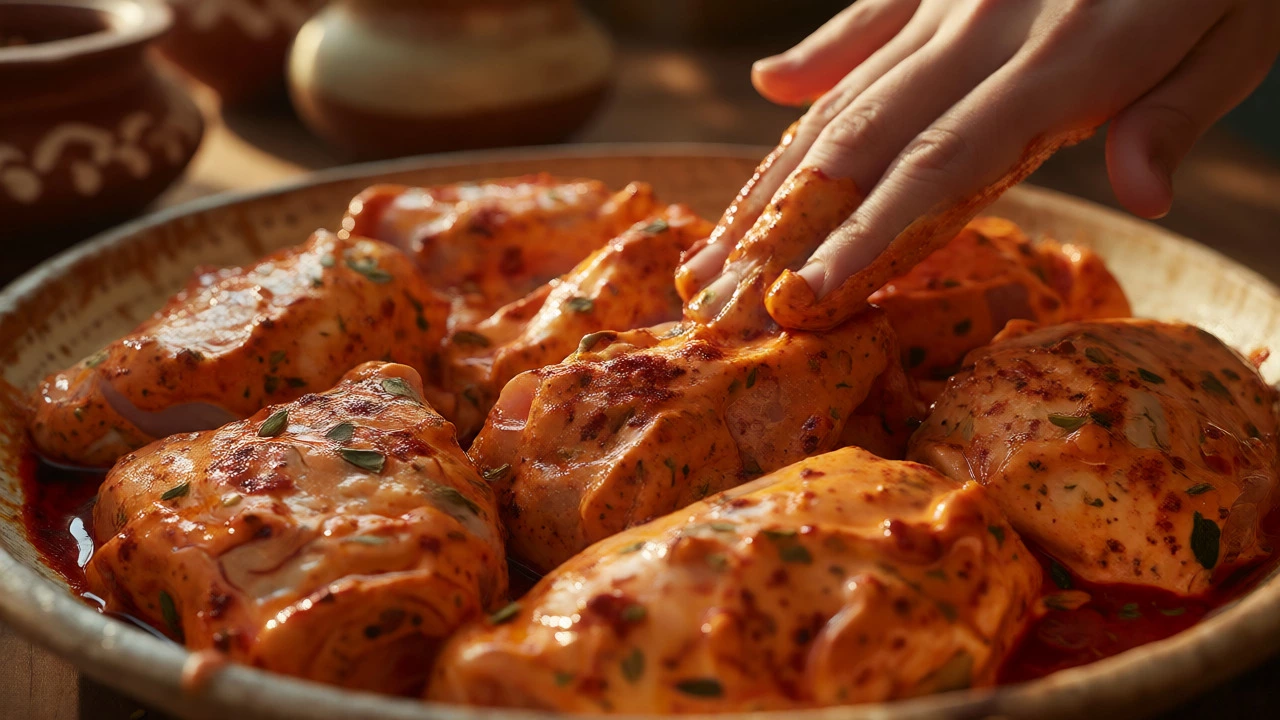
Why Is Tandoori Chicken So Tasty? The Science and Flavor Secrets
Discover the science behind tandoori chicken's irresistible taste. From yogurt's tenderizing power to the Maillard reaction in clay ovens, learn why this Indian classic stands out.
View More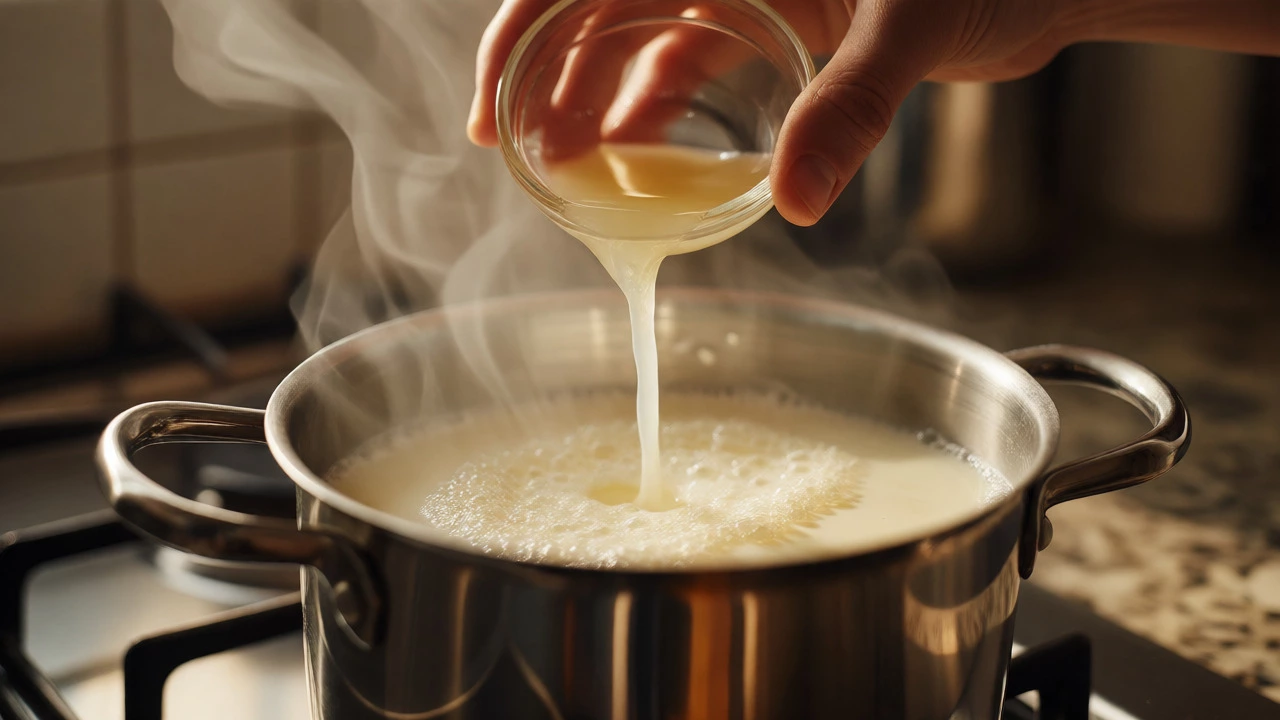
Why Is My Paneer Rubbery? Fixing Homemade Cheese Texture
Struggling with tough, chewy homemade paneer? Discover the science behind rubbery textures and learn how to control heat, acid, and pressure for perfectly soft cheese.
View More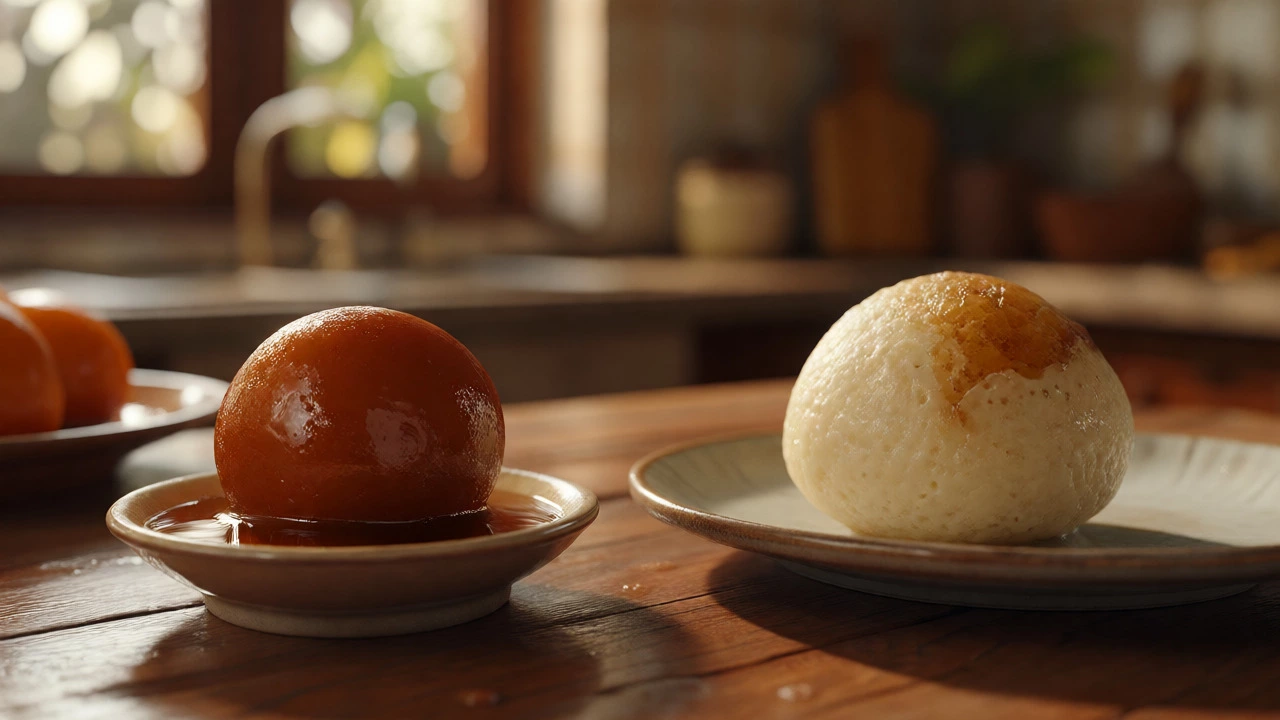
Do Indian Sweets Go Bad? Shelf Life & Storage Guide
Discover how long Indian sweets last and learn the secrets to keeping them fresh. From milk-based treats like Rasgulla to dry delights like Kaju Katli, we break down shelf life, storage hacks, and signs of spoilage.
View More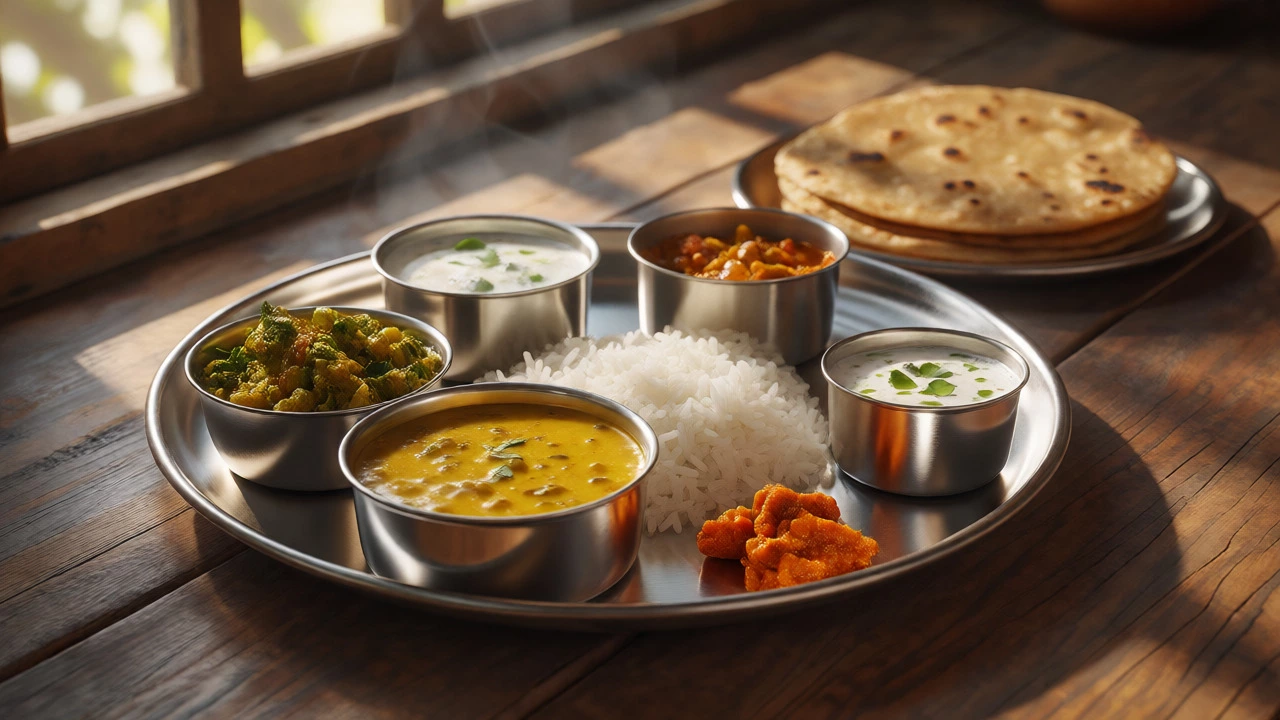
What is the Main Meal of the Day in India? A Guide to Regional Dining Habits
Discover why lunch, not dinner, is the main meal in India. Explore regional differences, the anatomy of a thali, and how this habit impacts health and culture.
View More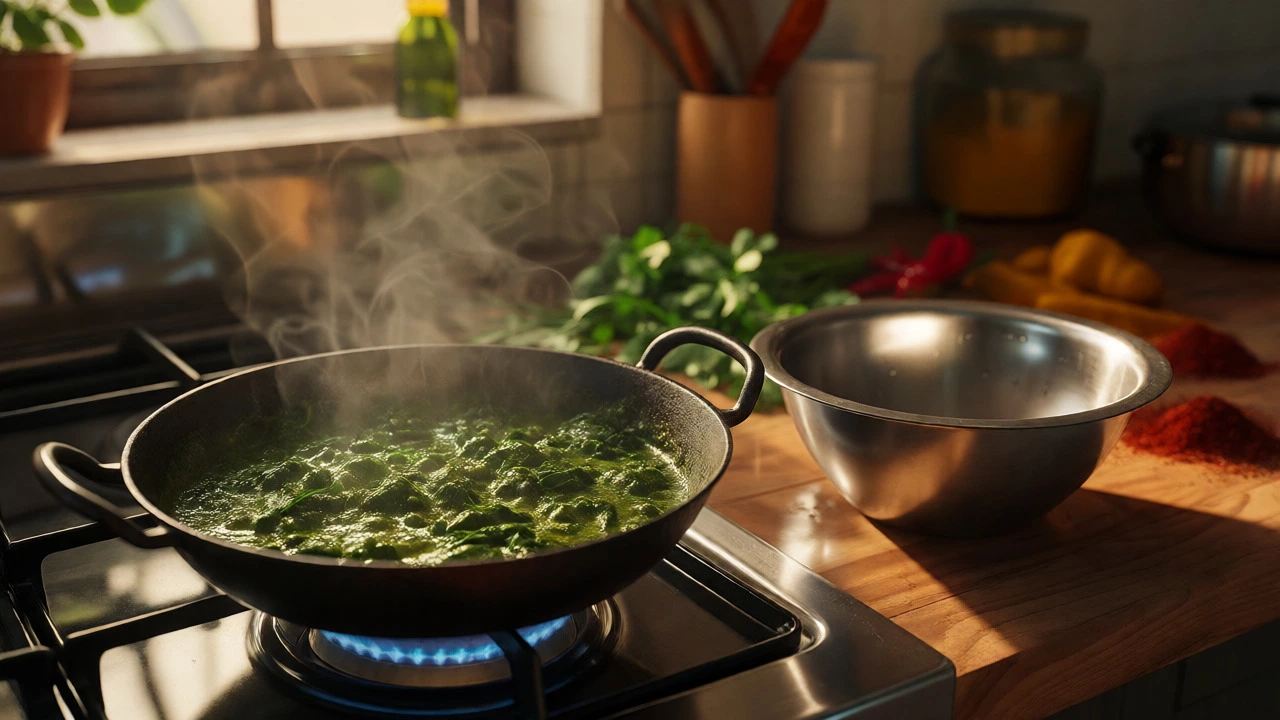
Best Paneer Substitutes: What Cheese Can You Use Instead?
Struggling to find paneer? Discover the best cheese substitutes for Indian cooking. Learn how to use Halloumi, Queso Blanco, and Tofu without ruining your dish's texture.
View More
Is Eating Chicken a Sin in Sikhism? A Clear Guide to Diet and Faith
Confused about whether eating chicken is a sin in Sikhism? Discover the truth behind Sikh dietary rules, the difference between Halal and Jhatka, and why many Sikhs choose vegetarianism.
View More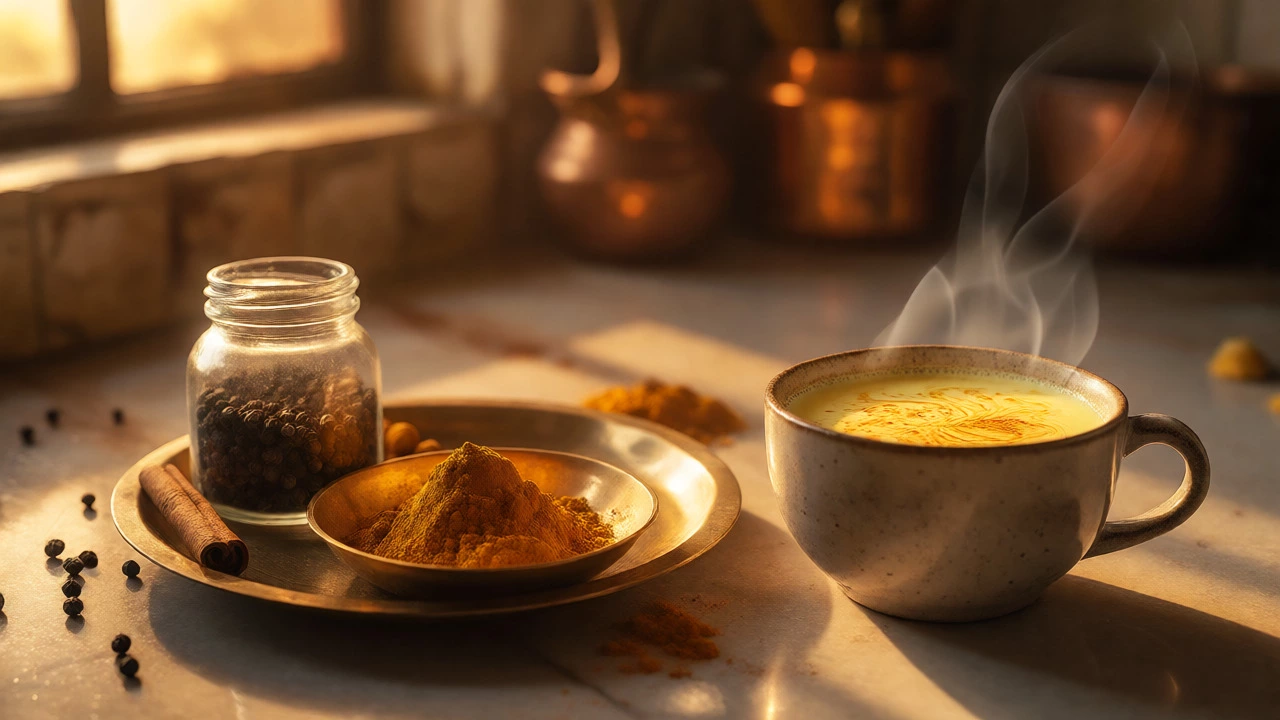
What Indian Food Is Good for Inflammation? Top Anti-Inflammatory Dishes
Discover how Indian cuisine fights inflammation naturally. Learn about turmeric, lentils, and spices that boost health. Simple tips for an anti-inflammatory diet.
View More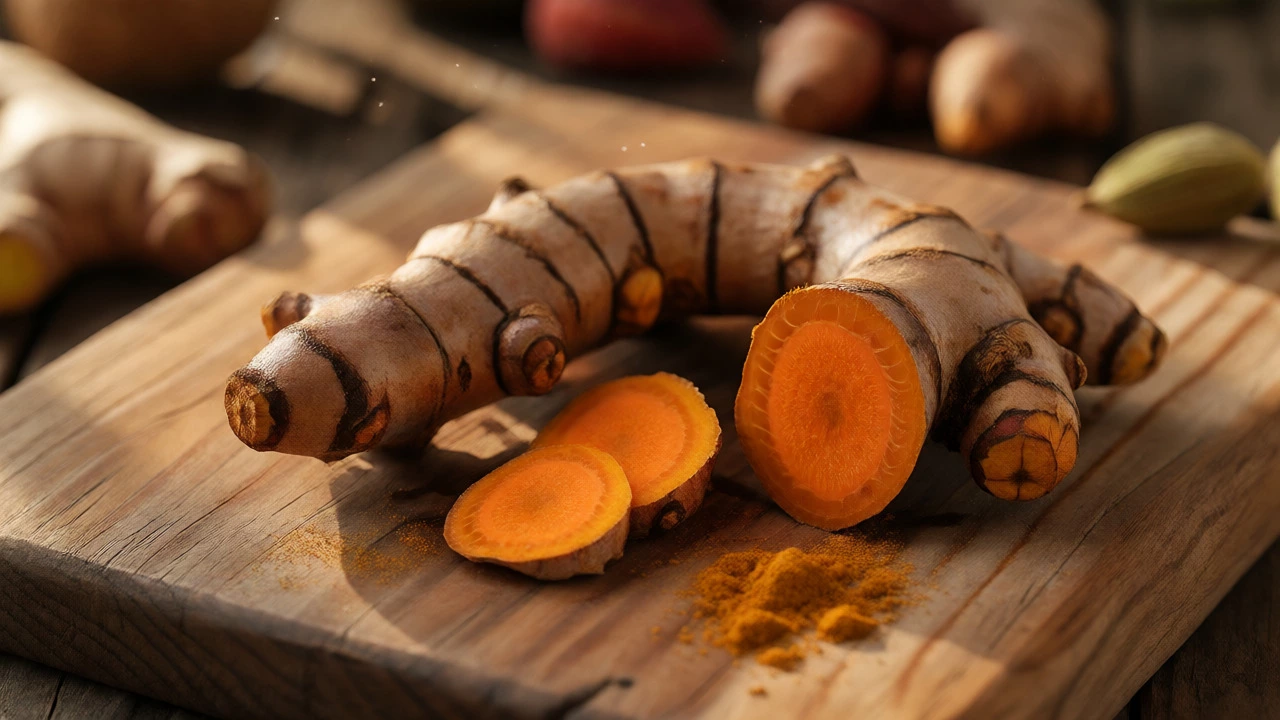
What is the Golden Yellow Spice Used in Curries? Turmeric Explained
Discover what the golden yellow spice in curries really is. Learn how turmeric impacts flavor, color, and health, plus tips on using it correctly in chicken dishes.
View More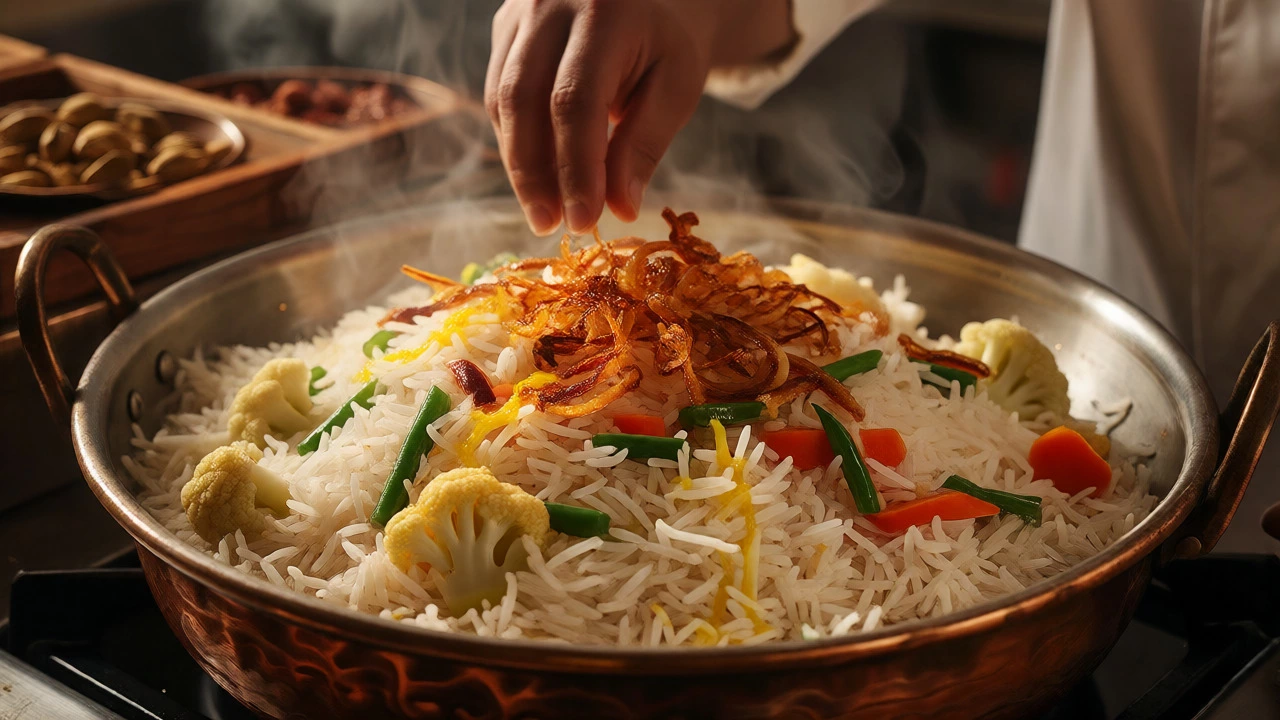
What is Biryani Without Meat Called? A Guide to Veg Biryani
Discover what biryani without meat is called. Learn about Vegetable Biryani, its regional variations, key ingredients, and tips for making it delicious at home.
View More
Can I Use Dosa Batter Without Fermentation? Quick Methods & Tips
Craving dosa but forgot to ferment? Learn how to make crispy, tasty dosa without fermentation using baking soda or curd hacks.
View More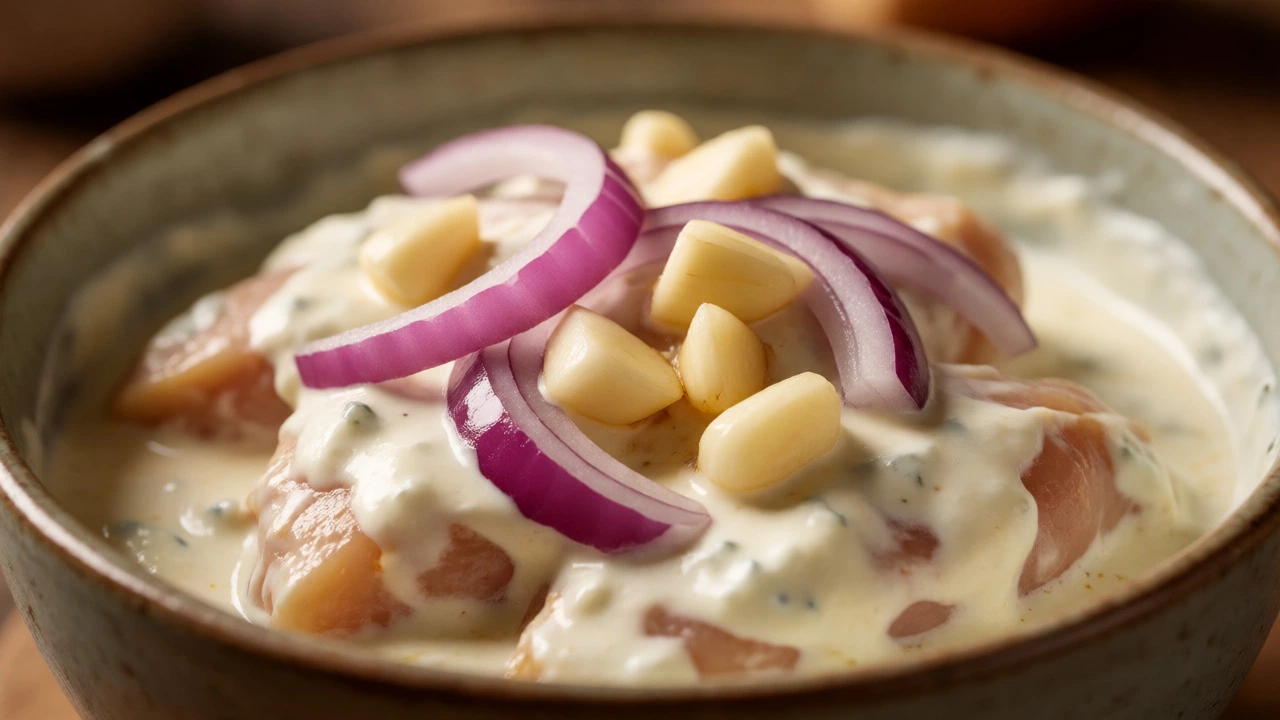
What Not to Put in Chicken Marinade: Avoiding Common Mistakes
Avoid common marinade mistakes like burning garlic or mushy meat. Learn what ingredients to exclude for perfect tandoori chicken.
View More