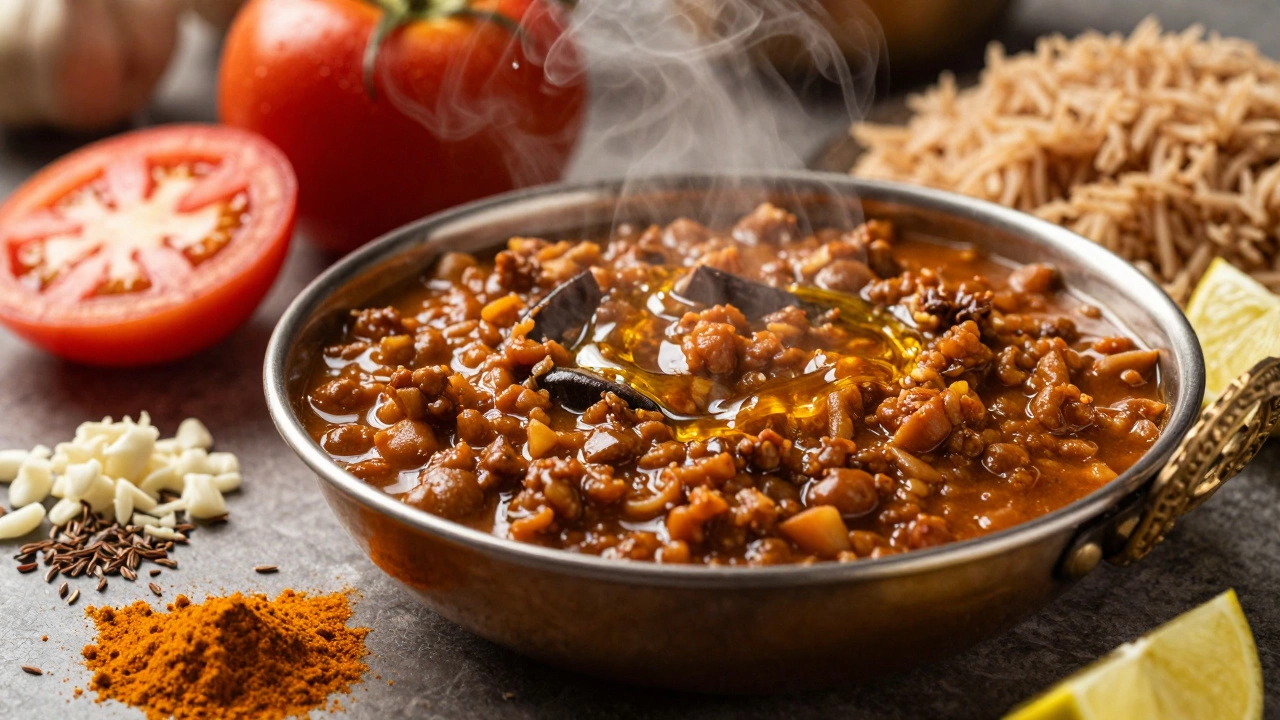
Anti-Inflammatory Impact Calculator
Based on research: 1 cup of cooked daal provides 15g fiber and 100g daily consumption can reduce CRP levels by 17%. The calculator estimates your potential benefits based on your diet and health conditions.
When you eat a bowl of warm daal, you’re not just having a comforting meal-you’re feeding your body something that might be quietly fighting inflammation. This isn’t just an old wives’ tale. Research shows that the humble daal, made from lentils, is one of the most powerful anti-inflammatory foods you can eat daily.
What Makes Daal Anti-Inflammatory?
Daal isn’t one thing-it’s many. Red lentils, yellow split peas, black lentils, green masoor dal: each has a slightly different nutrient profile, but they all share key compounds that reduce inflammation. The main players are polyphenols, fiber, and plant-based protein.
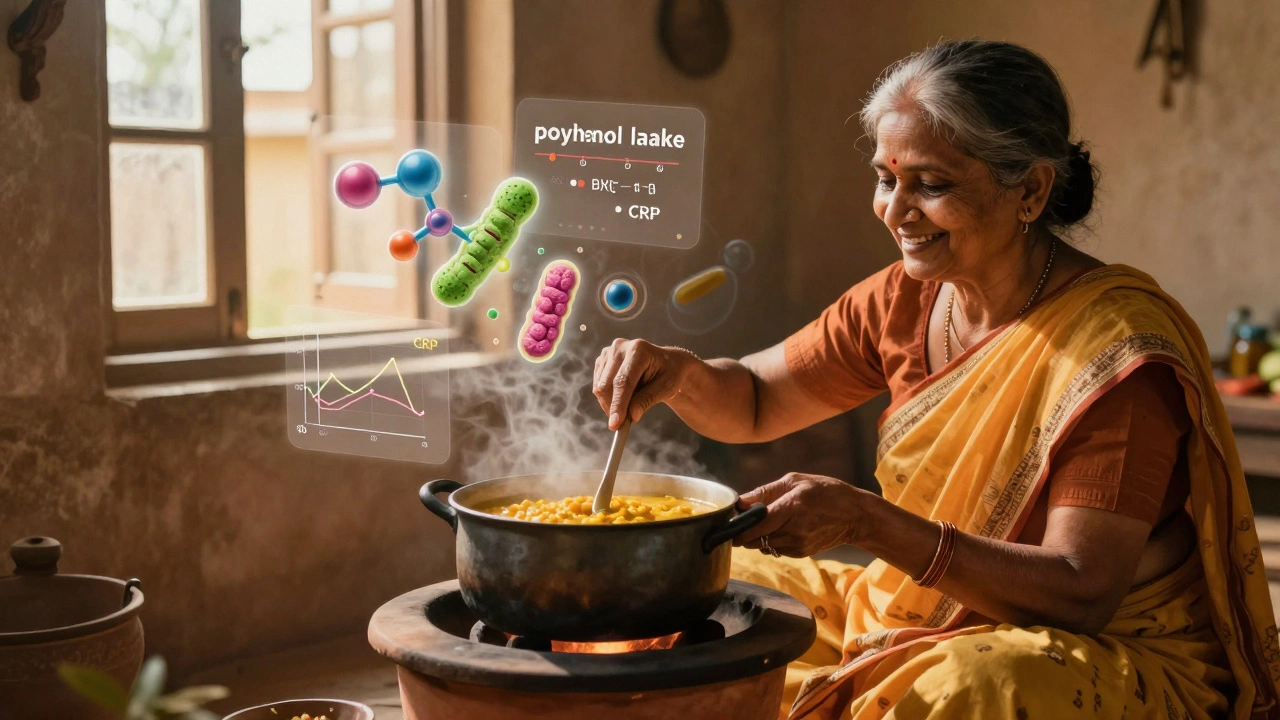
Polyphenols are antioxidants found in plants. Lentils contain quercetin, kaempferol, and catechins-compounds shown in multiple studies to lower levels of C-reactive protein (CRP), a marker of inflammation in the blood. A 2023 study in the Journal of Nutrition and Metabolism found that people who ate 100 grams of cooked lentils daily for six weeks saw a 17% drop in CRP levels, even without changing anything else in their diet.
Then there’s fiber. Lentils pack about 15 grams of fiber per cooked cup. That’s more than half the daily recommendation for women. Gut bacteria feed on this fiber and produce short-chain fatty acids like butyrate, which calm inflammation throughout the body. This isn’t just good for your gut-it helps your joints, your skin, even your brain.
How Daal Compares to Other Anti-Inflammatory Foods
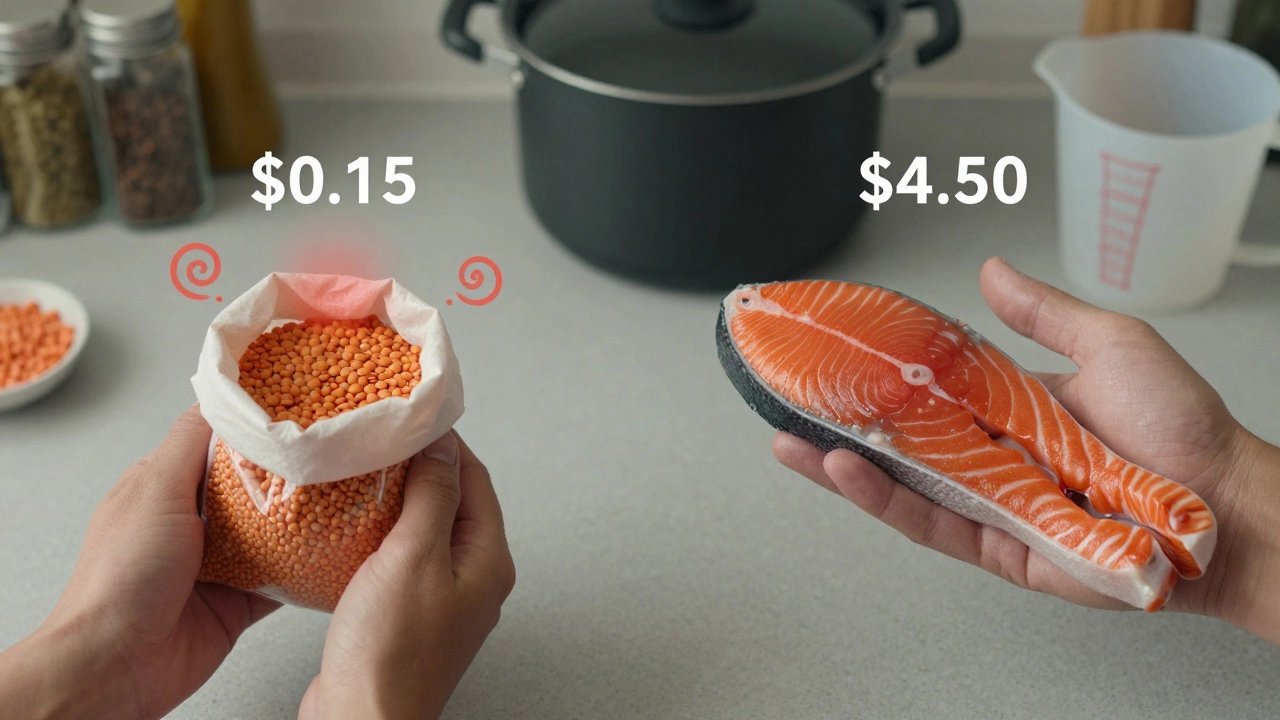
You’ve probably heard about turmeric, ginger, blueberries, or salmon as anti-inflammatory superfoods. But daal holds its own-and beats them on cost, accessibility, and ease of use.
| Food | Anti-Inflammatory Compounds | Fiber per Cup (g) | Cost per Serving (USD) | Prep Time |
|---|---|---|---|---|
| Red Daal (lentils) | Quercetin, polyphenols, fiber | 15.6 | $0.15 | 20 minutes |
| Salmon | Omega-3 fatty acids | 0 | $4.50 | 15 minutes |
| Blueberries | Anthocyanins | 3.6 | $1.20 | 0 minutes |
| Turmeric | Curcumin | 2.1 | $0.30 (per tsp) | 5 minutes |
| Almonds | Vitamin E, magnesium | 3.3 | $0.70 | 0 minutes |
Daal wins on fiber and cost. Salmon has omega-3s, but it’s expensive and not always available. Turmeric helps, but without black pepper and fat, your body barely absorbs curcumin. Daal? It works on its own. Add a pinch of turmeric to your daal, and you’re doubling down on anti-inflammatory power.
Real-Life Impact: Who Benefits Most?
People with chronic inflammation see the clearest results from eating daal regularly. That includes:
- Those with arthritis-joint pain and stiffness improve with consistent fiber and antioxidant intake.
- People with prediabetes or insulin resistance-lentils stabilize blood sugar, reducing inflammatory spikes.
- Those with gut issues like IBS or leaky gut-lentil fiber feeds good bacteria and repairs the gut lining.
- Anyone recovering from illness or surgery-lentils provide clean protein without the inflammatory burden of red meat.
A 2021 trial in Pune, India, followed 120 adults with knee osteoarthritis. Half added 1 cup of cooked masoor dal to their daily meals. After three months, they reported 31% less joint pain and needed 40% fewer painkillers than the control group.
How to Maximize Daal’s Anti-Inflammatory Power
Not all daal is created equal. To get the full benefit:
- Choose whole or split lentils-avoid pre-cooked pouches with added salt or preservatives.
- Soak for 4-6 hours before cooking. This reduces phytic acid, which can block mineral absorption.
- Cook with turmeric, cumin, and a tiny bit of ginger. These spices boost bioavailability of antioxidants.
- Add a splash of lemon juice or tomato at the end. Vitamin C helps your body absorb iron from lentils, which supports immune function.
- Pair with brown rice or whole wheat roti. This combo gives you complete protein and slows digestion, preventing blood sugar crashes.
And skip the ghee overload. While traditional recipes use ghee, too much saturated fat can trigger inflammation. Use 1 teaspoon per serving max, or swap it for a drizzle of olive oil.
Simple Daal Recipe for Daily Anti-Inflammatory Support
Here’s a no-fuss recipe you can make in 25 minutes:
- 1 cup red masoor dal (rinsed)
- 2 cups water
- ½ tsp turmeric powder
- ½ tsp ground cumin
- 1 clove garlic, minced
- 1 small tomato, chopped
- 1 tsp mustard seeds
- 1 dried red chili
- 1 tsp coconut oil or olive oil
- 1 tbsp lemon juice
- Salt to taste
1. Rinse dal until water runs clear. Add to a pot with water and turmeric. Bring to a boil, then simmer for 15 minutes until soft.
2. While dal cooks, heat oil in a small pan. Add mustard seeds. When they pop, throw in the dried chili and cumin. Let sizzle for 10 seconds.
3. Add garlic and tomato. Cook until tomato breaks down, about 3 minutes.
4. Pour the tempering into the dal. Stir in lemon juice. Taste. Adjust salt.
5. Serve warm with brown rice or a whole wheat roti.
This version has no cream, no sugar, no refined oil. Just clean, potent, anti-inflammatory goodness.
Why This Matters More Than You Think
Inflammation isn’t just about swollen joints or red skin. It’s the silent driver behind heart disease, type 2 diabetes, depression, and even some cancers. Most people don’t realize they’re eating foods that fuel inflammation-processed snacks, sugary drinks, fried foods, even too much red meat.
Daal flips the script. It’s cheap. It’s shelf-stable. It’s easy. And it doesn’t require a health food store trip. You can buy it at any corner shop in Auckland, Delhi, or Detroit. It’s one of the few foods that’s both culturally rooted and scientifically proven.
One bowl a day doesn’t cure everything. But over time, it changes your body’s baseline. It lowers inflammation. It steadies your energy. It makes you feel lighter. And that’s not magic-it’s nutrition.
Is daal good for inflammation if I have diabetes?
Yes. Daal has a low glycemic index and high fiber, which helps control blood sugar spikes. A 2022 study in the Indian Journal of Medical Research showed that people with type 2 diabetes who ate daal daily had 12% lower HbA1c levels after four months. Just avoid adding sugar or sweeteners to your daal.
Can I eat daal every day?
Absolutely. Lentils are one of the most sustainable and nutrient-dense foods on the planet. Eating daal daily is linked to longer life expectancy in population studies from India and Canada. Just vary the types-red, green, black-to get a broader range of antioxidants.
Does soaking daal really make a difference?
Yes. Soaking reduces phytic acid, which can bind to minerals like iron and zinc and block absorption. Soaked lentils also cook faster and are easier to digest. If you’re sensitive to gas, soaking is non-negotiable.
Is canned daal as good as homemade?
Not really. Canned daal often has added sodium, preservatives, and sometimes sugar. It’s also been overcooked, which breaks down some of the beneficial fibers and polyphenols. If you’re in a rush, it’s better than junk food-but homemade is always better for inflammation.
Can daal help with skin inflammation like eczema?
It can. Skin inflammation often links to gut health. The fiber in daal supports a healthy microbiome, which in turn reduces systemic inflammation that can flare up eczema. While daal alone won’t cure eczema, many people report fewer flare-ups after switching to a diet rich in legumes and whole grains.