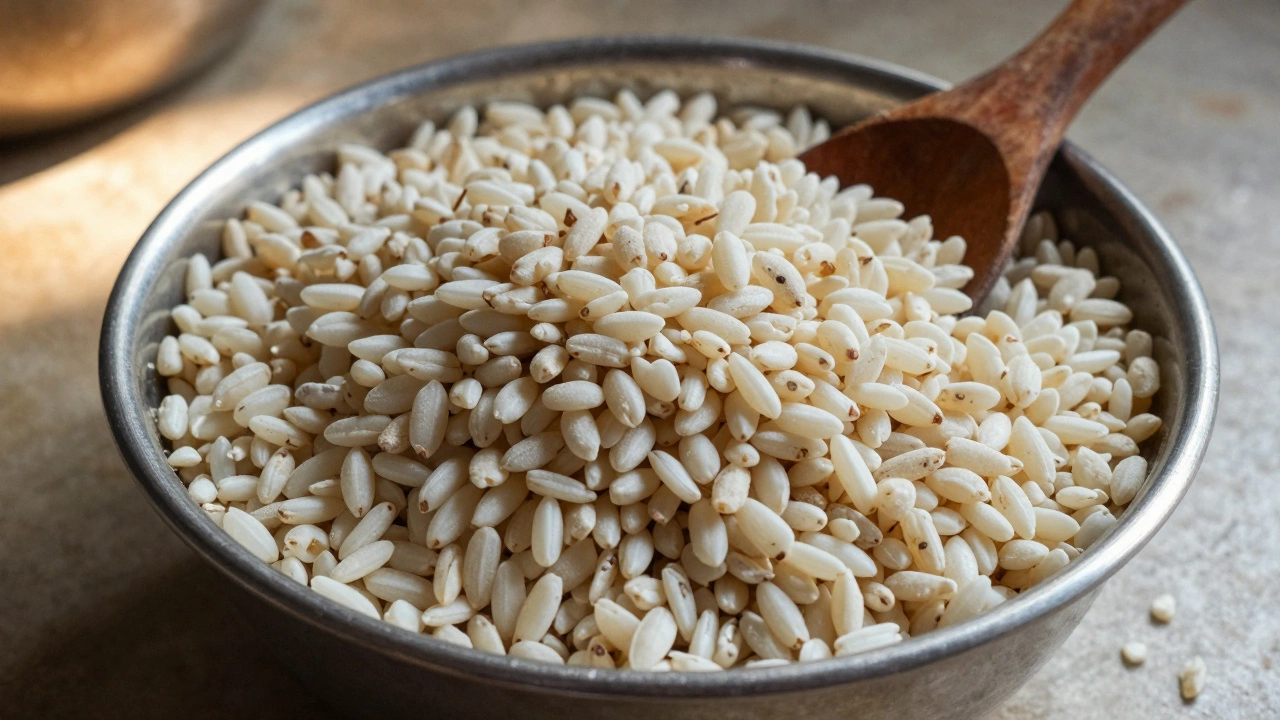
When you're making dosa at home, the type of rice you use makes all the difference. You’ve probably seen recipes calling for dosa rice and wondered-what exactly is that? Is it a special kind of rice you can only find in India? Can you substitute it with regular white rice from the supermarket? The answer isn’t as simple as it seems.
There’s no direct English name for dosa rice
There isn’t a single, official English name for the rice used to make dosa batter. That’s because it’s not a single variety-it’s a category. In India, cooks use specific types of short- to medium-grain rice that are low in starch and high in structure. These rices ferment well, absorb water evenly, and produce a crisp, airy dosa. In English, you’ll often hear it called idli rice or rice for dosa, but those are descriptive terms, not official names.
Many people assume dosa rice is a branded product like basmati or jasmine. It’s not. It’s a regional choice shaped by centuries of tradition in South India, especially in Tamil Nadu, Karnataka, and Andhra Pradesh. If you go to a local market in Chennai or Bengaluru, you won’t find a bag labeled "dosa rice." You’ll find bags labeled with regional names like Kattha rice, Parboiled rice, or Coorg rice.
What rice do South Indian households actually use?
The most common rice used for dosa batter is parboiled rice. This rice is partially boiled in the husk before milling. The process changes the starch structure, making the grains firmer and less sticky when cooked. That’s exactly what you want for dosa batter: a texture that holds air during fermentation and crisps up perfectly on the griddle.
Parboiled rice is also called ukda chawal in Hindi, ponni rice in Tamil, or idli rice in many North Indian households. In the U.S. and New Zealand, you’ll often find it labeled as idli rice in Indian grocery stores. That’s because idli and dosa batter are made from the same rice blend-just with different soaking and grinding ratios.
Another popular choice is raw rice-specifically short-grain varieties like Sona Masoori or Coorg rice. These rices are not parboiled, but they’re still low in amylose, which helps the batter ferment properly. Many traditional homes mix parboiled rice with raw rice in a 3:1 ratio to get the perfect balance of crispness and softness.
Can you use regular white rice instead?
You can-but it won’t taste the same. Regular long-grain white rice, like the kind most people use for fried rice or pilaf, has a higher amylose content. That means it doesn’t ferment as well. Your batter might not rise properly, and the dosa will turn out chewy instead of crisp. You might also notice the batter separates after fermentation, with water pooling on top.
One home cook in Auckland tried using supermarket jasmine rice for dosa. She followed a 4-hour fermentation time and got a batter that smelled sour but never bubbled. Her dosas stuck to the pan and felt rubbery. After switching to parboiled rice, she got consistent results in two tries. That’s not luck-it’s science.
Research from the Central Food Technological Research Institute (CFTRI) in Mysore shows that parboiled rice produces batter with 30% more gas retention during fermentation compared to regular white rice. That’s why traditional recipes never use long-grain rice.
What about rice flour?
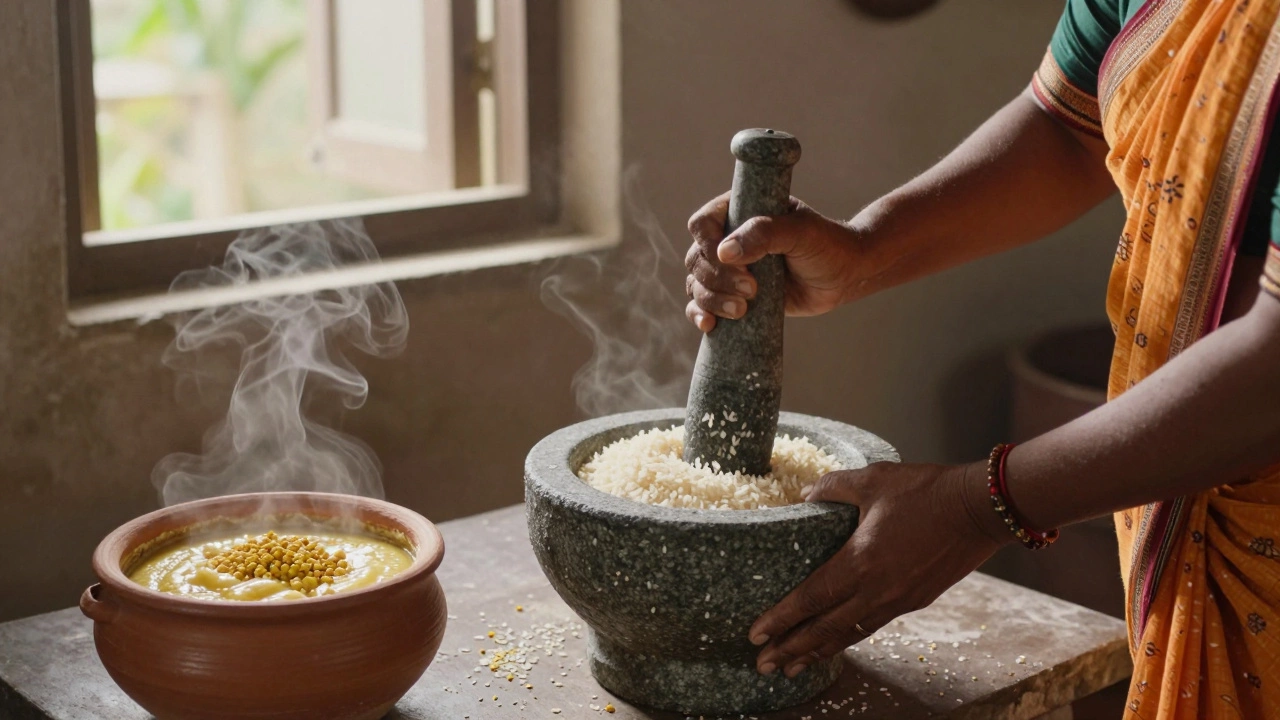
Some modern recipes suggest using rice flour instead of whole rice. That’s a shortcut-but it’s not the same. Rice flour lacks the natural enzymes and structure that whole grains develop during soaking and grinding. You’ll get a batter that’s easier to make, but it won’t ferment the same way. The flavor is flatter, and the texture is denser. Traditional dosa relies on the slow breakdown of starches during soaking. Rice flour skips that entire process.
If you’re in a hurry, rice flour can work for a quick snack. But if you want that authentic, lacy, crisp-edged dosa that bubbles up like a pancake, you need whole grains.
Where to buy dosa rice outside India
If you’re in New Zealand, Australia, the U.S., or the U.K., look for idli rice or parboiled rice at Indian or Southeast Asian grocery stores. Brands like Amul, Shree, or Pran often label their rice as "for idli and dosa." Some stores sell it in 1kg bags. Avoid rice labeled "instant" or "quick-cook"-those are processed differently and won’t work.
Online, you can find it on Amazon, Etsy, or specialty stores like DesiMart or Indian Grocery Online. A 2kg bag usually costs between $8-$12 USD. That’s less than $1 per serving.
How to tell if you’ve bought the right rice
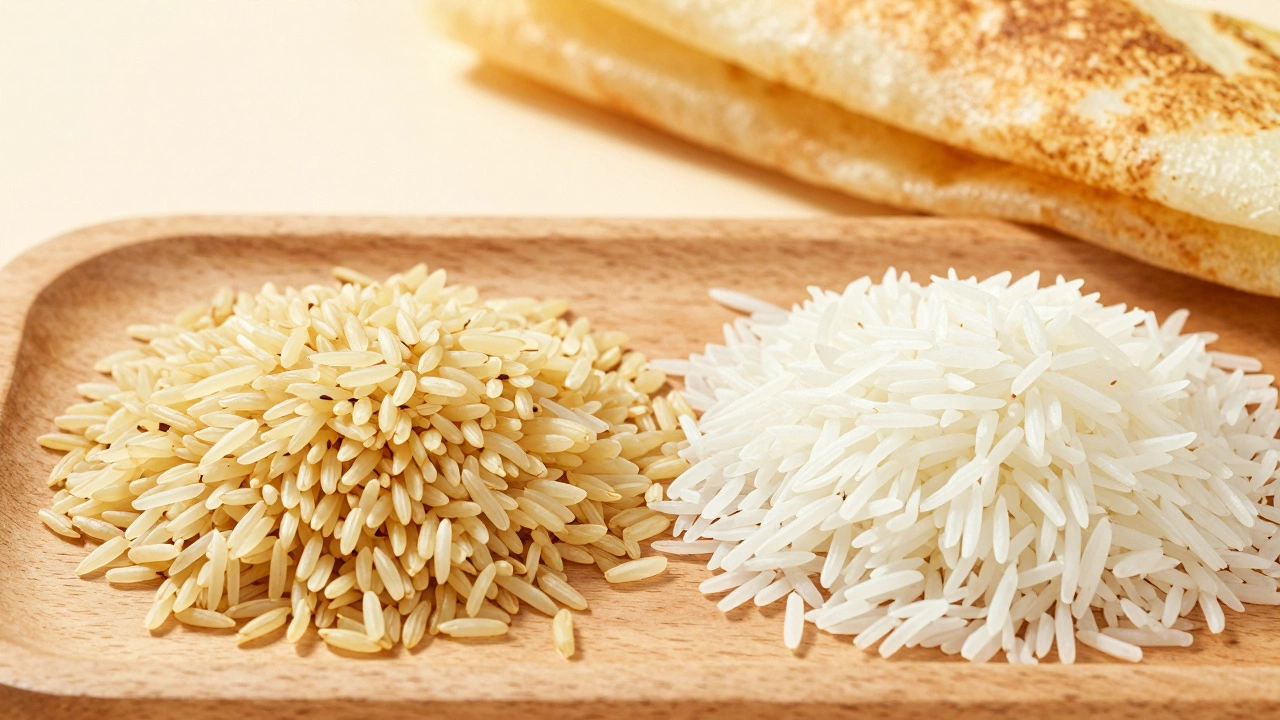
Here’s a quick test: take a handful of rice and rub it between your fingers. Good dosa rice feels slightly rough, not smooth. The grains are short and plump, not long and slender. When you look closely, you might see a faint yellowish tint-that’s from the parboiling process.
Bad rice: long, clear grains that look like jasmine or basmati.
Good rice: short, opaque, slightly chalky grains.
If you’re unsure, check the package. It should say "parboiled" or "idli rice." If it just says "white rice," skip it.
Pro tip: Mix your own rice blend
Many experienced cooks in South India blend their own rice. A common mix is:
- 3 parts parboiled rice
- 1 part raw short-grain rice (like Sona Masoori)
- Optional: 1/4 part urad dal (for extra crispness)
This blend gives you the best of both worlds: the fermentation power of parboiled rice and the softness of raw rice. You can grind it fresh each time, or store it in an airtight container for up to 3 months.
Why this matters for your dosa batter
The rice you choose affects every step: soaking time, fermentation speed, grinding texture, and final crispness. If your batter doesn’t rise, it’s probably because the rice doesn’t have the right starch profile. If your dosa breaks when you flip it, the rice might be too sticky. If it’s too hard to peel off the pan, the rice might be too coarse.
There’s no magic ingredient. It’s all about matching the rice to the process. Once you find the right type, your dosa will come out the same every time-even if you’re cooking in Auckland, London, or Toronto.