Saltfish Sodium Calculator
Saltfish Sodium Calculator
Sodium Results
Sodium content
According to the article, saltfish can contain over 1,500 mg of sodium per serving (100g). Soaking it overnight reduces sodium by up to 70%.
When people think of breakfast, they often picture toast, cereal, or eggs. But if you’ve ever been to Jamaica, Trinidad, Barbados, or any of the islands in the West Indies, you’ll know breakfast there doesn’t look like anything you’d find in a Western grocery store. It’s bold, spicy, filling, and packed with flavor-often starting before the sun is fully up.
West Indian breakfasts aren’t just meals-they’re cultural rituals. They’re shaped by African, Indian, Indigenous, and European roots. You’ll find saltfish, plantains, dumplings, and coconut bread all on the same plate. And no, this isn’t Indian breakfast food, even though the title might suggest it. West Indians aren’t from India. They’re from the Caribbean islands colonized by Britain, France, and Spain. But because of the Indian indentured laborers brought over in the 1800s, you’ll see clear echoes of South Asian flavors-curry-spiced potatoes, roti wraps, and chutneys-mixed into everyday morning plates.
Saltfish and Ackee: The National Breakfast of Jamaica
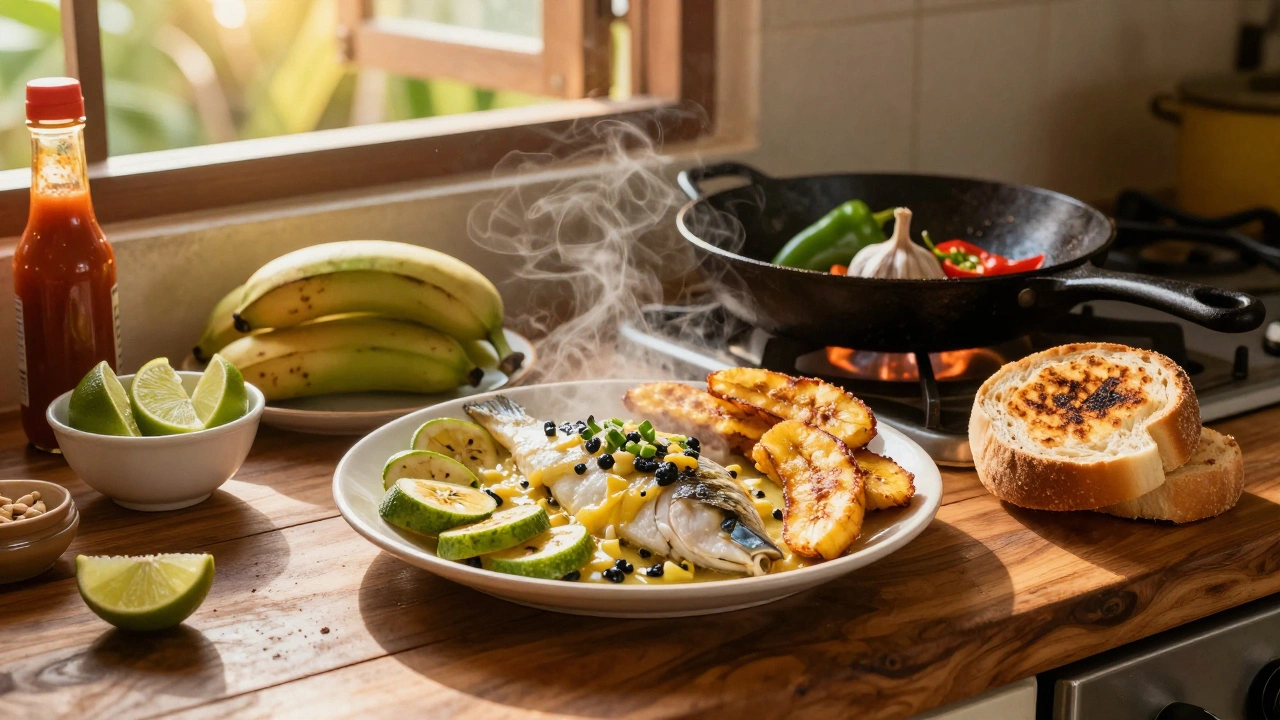
In Jamaica, the most iconic breakfast is saltfish and ackee. It’s so important, it’s the national dish. Saltfish isn’t fresh fish-it’s cod that’s been salted and dried for preservation, a tradition that goes back to the 17th century when enslaved Africans were fed cheap, shelf-stable protein. Today, it’s soaked overnight to remove the salt, then fried with onions, tomatoes, Scotch bonnet peppers, and garlic. The ackee, a bright yellow fruit that looks like scrambled eggs when cooked, is sautéed with it. The texture is soft, the flavor is rich and slightly sweet with a spicy kick.
It’s served with fried plantains, boiled green bananas, or roasted breadfruit. Many Jamaicans eat it with a side of white bread or hard dough bread, toasted and buttered. Some add a splash of hot sauce or a squeeze of lime. You won’t find this in a café in New York. It’s a weekend staple, often eaten after church or on Sunday mornings when families gather.
Callaloo and Dumplings in Trinidad and Tobago
Trinidad and Tobago’s breakfast scene is a melting pot. You’ll see roti, dhalpuri, and doubles-street foods usually eaten at lunch-showing up at breakfast too. But the most common home-cooked morning meal is callaloo with dumplings and boiled yam or sweet potato.
Callaloo isn’t one thing. It’s a leafy green, usually amaranth or taro leaves, cooked down with onions, garlic, thyme, and coconut milk. Sometimes it’s spiked with crab or salted pork. The dumplings aren’t sweet. They’re made from flour, water, and a pinch of salt, rolled into balls, and boiled until they float. They’re chewy, dense, and perfect for soaking up the broth.
Many Trinidadians pair this with a cup of strong, sweet tea-often made with fresh ginger or cinnamon. Others drink fresh coconut water straight from the shell. It’s not fancy. But it’s the kind of meal that sticks with you all day.
Plantains, Eggs, and Roti: The Everyday Combo
Across the islands, you’ll find plantains as a breakfast staple. Green plantains are fried into crispy chips or mashed into a thick mash called mofongo. Ripe plantains are caramelized in butter and sugar until they’re sticky and sweet. They’re served with fried eggs, sometimes scrambled with onions and peppers.
Roti, the flatbread from India, is now a Caribbean breakfast icon. In Guyana, Trinidad, and Jamaica, you’ll see people wrapping salted cod, scrambled eggs, or spiced potatoes inside a warm roti. The dough is rolled thin, cooked on a griddle, and folded like a burrito. It’s handheld, portable, and packed with protein. A single roti can hold two meals.
Some families make roti from scratch. Others buy it from local bakeries that open at 5 a.m. The smell of roti toasting on the griddle is one of the first things you’ll notice walking through a West Indian neighborhood in the morning.
Coconut Bread and Sweet Buns: The Sweet Side
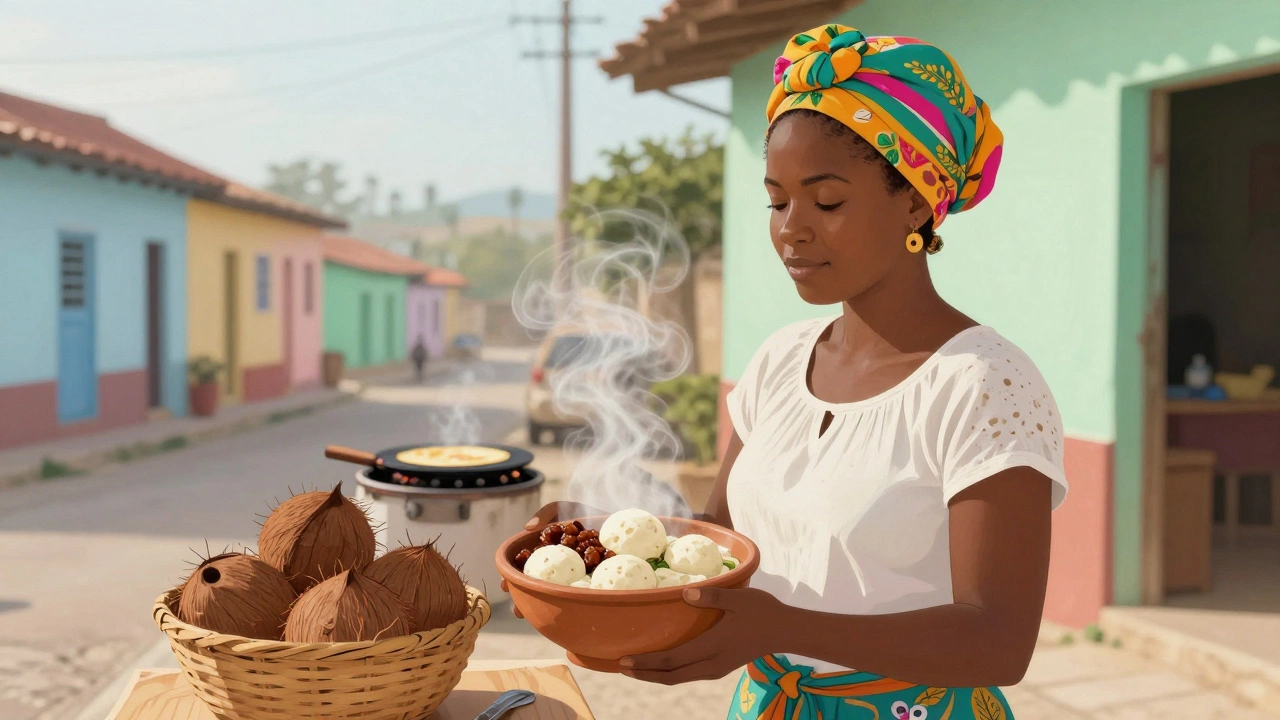
Not every West Indian breakfast is savory. Sweet buns are everywhere. They’re soft, buttery, and loaded with raisins, cinnamon, and sometimes candied ginger. They’re baked in small batches and sold in paper bags from roadside stalls. Kids grab them on the way to school. Adults eat them with tea while waiting for the bus.
Coconut bread is another favorite. It’s dense, moist, and studded with shredded coconut. It’s baked like a loaf, sliced thick, and toasted. Some people spread it with butter. Others eat it plain, letting the natural sweetness of the coconut shine. It’s not cake. It’s not bread. It’s its own thing-and it’s often the only thing on the table when there’s no time to cook.
Where Indian Flavors Show Up
Because of the Indian laborers brought to the Caribbean after slavery ended, you’ll find Indian flavors woven into the breakfast culture. In Trinidad, you’ll see dhalpuri roti filled with split peas and turmeric. In Guyana, breakfast might include channa (spiced chickpeas) served with fried plantains. In Jamaica, curry goat is a weekend lunch, but curry potatoes are a common breakfast side.
Chutneys are common too. Mango chutney, tamarind chutney, even coconut chutney-these aren’t just condiments. They’re essential. A spoonful cuts through the saltiness of the fish, balances the richness of the dumplings, and wakes up the palate. You won’t find these in a typical Western kitchen. But in a West Indian home, you’ll always see a small jar on the counter, ready to be scooped out.
What’s Missing: Cereal, Toast, and Yogurt
Don’t expect to see bowls of cornflakes or Greek yogurt in a West Indian home. Breakfast isn’t about lightness. It’s about energy. These islands are hot. People work outdoors. They need fuel. A plate of saltfish and ackee has protein, fat, and complex carbs. A roti with eggs gives you slow-burning energy. Even the sweet buns are made with real butter and brown sugar-not processed syrups.
There’s no “low-fat” version of breakfast here. There’s no “protein shake” substitute. Food is made from scratch. Ingredients are local. You won’t find imported oatmeal or almond milk. You’ll find coconut milk, cassava, yams, and fish caught that morning.
Why This Matters
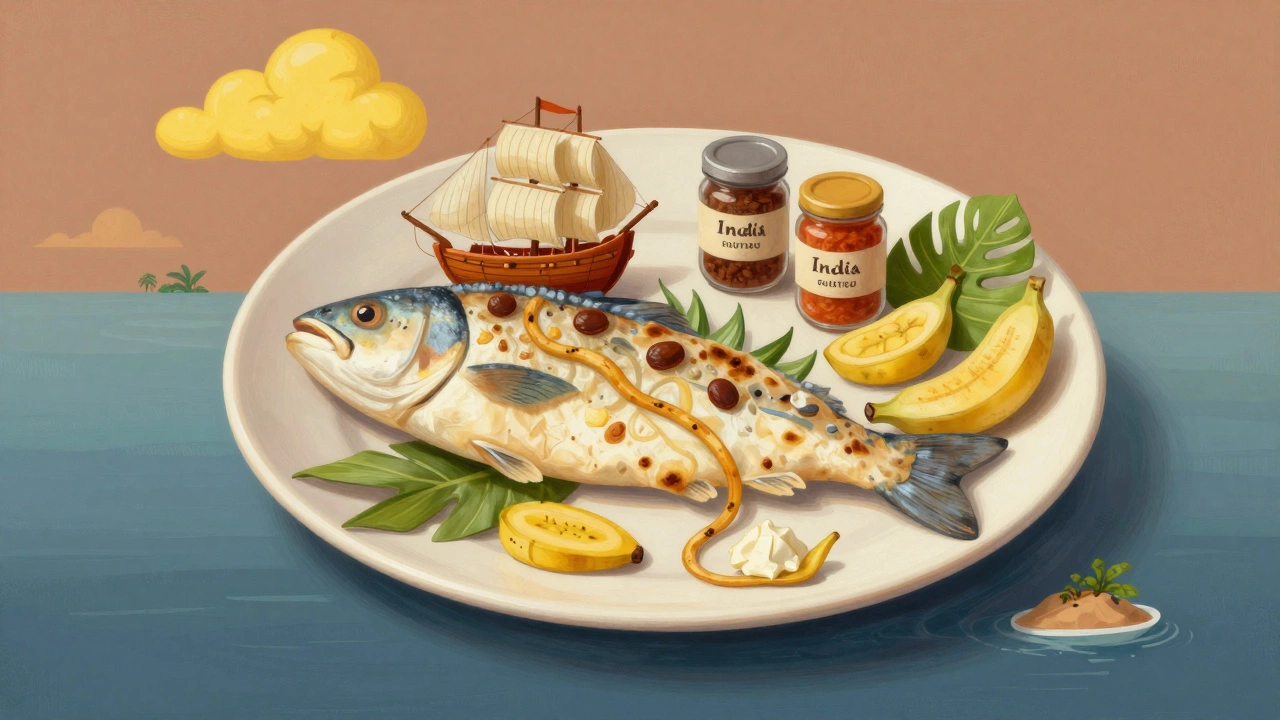
West Indian breakfasts aren’t just about taste. They’re about survival, history, and identity. Every ingredient tells a story. Saltfish came from Newfoundland, traded for sugar. Ackee was brought from West Africa. Roti came from India. Plantains traveled from Southeast Asia. Each meal is a map of migration.
When you eat a West Indian breakfast, you’re tasting centuries of resilience. You’re eating the food of people who turned hardship into flavor. You’re not just having a meal-you’re honoring a culture that never gave up its traditions, even under colonial rule.
It’s not a trend. It’s not a fad. It’s daily life. And if you ever get the chance to sit down to a plate of saltfish and ackee in a Jamaican kitchen, don’t rush. Take your time. Let the flavors settle. You’ll understand why this isn’t just breakfast-it’s heritage on a plate.
Is West Indian breakfast the same as Caribbean breakfast?
Yes, they’re the same. "West Indian" is another name for the Caribbean islands that were colonized by Britain, including Jamaica, Trinidad, Barbados, St. Lucia, and others. "Caribbean breakfast" is just a broader term that can also include non-English-speaking islands like Haiti or the Dominican Republic, which have their own breakfast traditions. But when people say "West Indian breakfast," they’re usually talking about the British Caribbean islands.
Can I make West Indian breakfast outside the Caribbean?
Absolutely. Saltfish is sold in international grocery stores, especially those that carry Caribbean or African products. You can find dried cod in Latin American or West African markets. Ackee is harder to find fresh, but canned ackee is available online and in Caribbean shops. Plantains, roti flour, and coconut milk are easy to find in most major cities. You might need to order a few things online, but the ingredients aren’t exotic-just unfamiliar.
Is saltfish healthy?
Saltfish is high in protein and omega-3s, but it’s also very high in sodium. A single serving can have over 1,500 mg of sodium, which is more than half the daily recommended limit. That’s why soaking it overnight in cold water is crucial-it cuts the salt by up to 70%. When cooked with vegetables and eaten in moderation, it’s a nutritious meal. But it’s not something you should eat every day if you have high blood pressure.
What’s the difference between roti and naan?
Roti is unleavened, made with just flour, water, and salt. It’s cooked on a flat griddle and stays thin and chewy. Naan is leavened with yeast or yogurt, baked in a tandoor oven, and is softer, puffier, and richer. In the Caribbean, roti is the breakfast bread. Naan is more common in Indian restaurants. They’re similar, but not interchangeable in traditional recipes.
Do West Indians eat fruit for breakfast?
Fruit is common, but rarely as the main meal. Pineapple, papaya, mango, and guava are eaten alongside savory dishes-not instead of them. A slice of ripe mango might come with saltfish. A bowl of papaya might sit next to dumplings. Fruit is a side, not the centerpiece. Breakfast is about balance: salty, sweet, starchy, and spicy-all on one plate.