Dosa Recipes: Perfect Batter, Fermentation Tips, and Healthy Variations
When you think of dosa, a thin, crispy South Indian fermented crepe made from rice and lentils. Also known as Indian crepe, it's more than just breakfast—it's a daily ritual in millions of homes, built on the science of fermentation and the balance of rice and urad dal, a key lentil that gives dosa its fluffiness and structure.
Getting the batter right isn’t magic. It’s about time, temperature, and ratios. Too much urad dal? Your dosa turns rubbery. Not enough soak? The batter stays grainy. Skip fermentation? You’ll miss that airy crispness. Even something small like adding curd, a natural ferment booster that speeds up the process and adds tang can turn an okay dosa into a great one. And if you’re watching your blood sugar, you’re not out of luck—dosa can fit into a diabetic-friendly meal with the right rice-to-lentil mix and portion control.
These recipes aren’t just about following steps. They’re about understanding why things work. Why does soaking urad dal overnight matter? Can you skip it? What happens if you use an Instant Pot instead of a warm corner of your kitchen? How long does the batter really last in the fridge before it turns sour in the wrong way? We’ve collected real answers from people who make dosa every day—not just once a year. You’ll find fixes for grainy batter, shortcuts for cold weather, swaps for urad dal if you’re out, and even health breakdowns that show why this simple dish is packed with digestible protein and good carbs.
Whether you’re new to making dosa or you’ve tried ten times and still got a sticky mess, the posts below give you the exact fixes that work. No fluff. No guesswork. Just clear, tested advice that turns your next dosa from flat and tough to golden, crisp, and perfect.

Can I Use Dosa Batter Without Fermentation? Quick Methods & Tips
Craving dosa but forgot to ferment? Learn how to make crispy, tasty dosa without fermentation using baking soda or curd hacks.
View More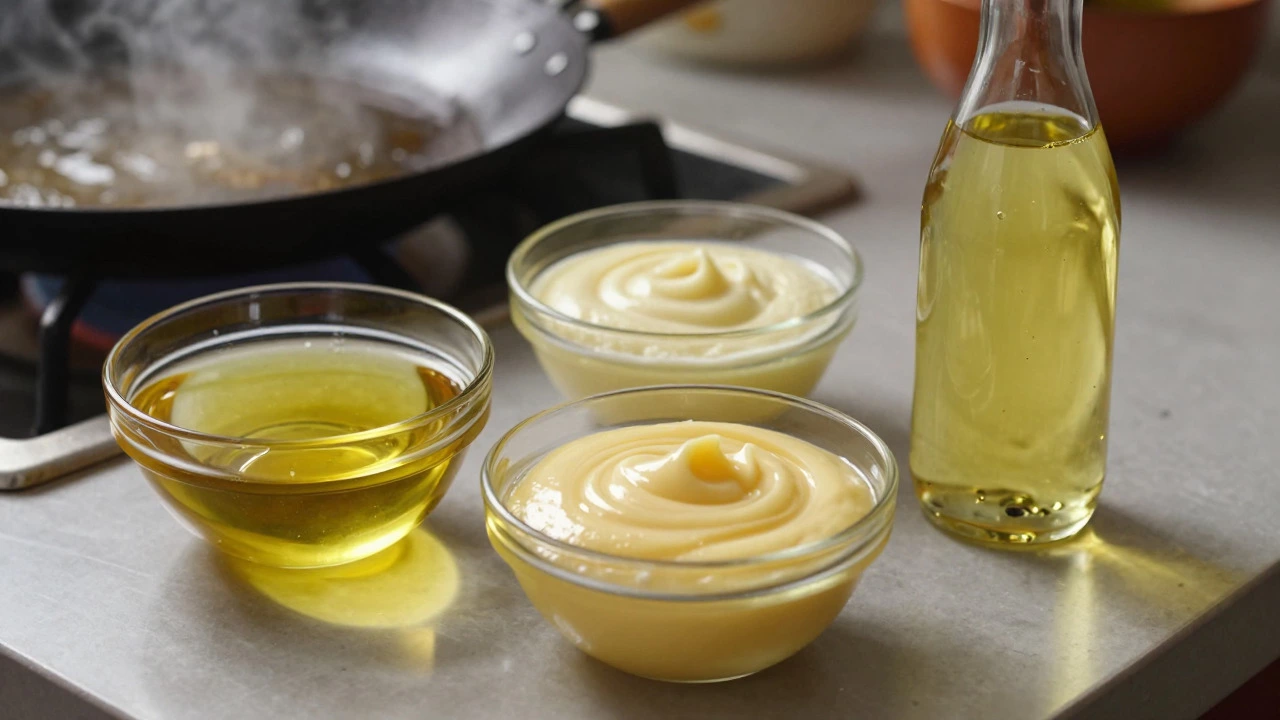
Which Oil Is Best for Dosa? The Ultimate Guide to Crispy, Golden Crepes
Discover the best oil for dosa to achieve perfect crispiness. Compare coconut oil, ghee, and neutral options for flavor, health, and texture.
View More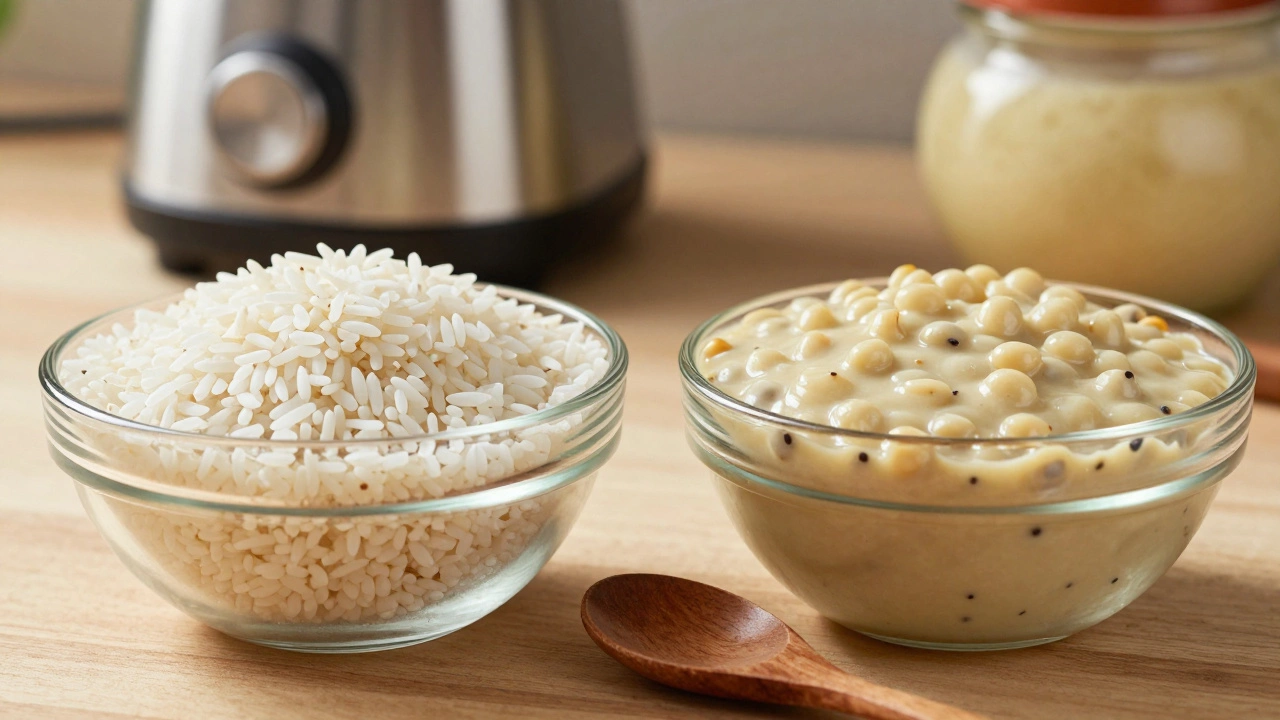
What Happens If You Add More Urad Dal to Dosa Batter? Texture, Taste & Tips
Discover how adding more urad dal to dosa batter changes texture, taste, and fermentation. Learn the ideal ratios for crispy vs. fluffy dosas and expert tips for perfect results every time.
View More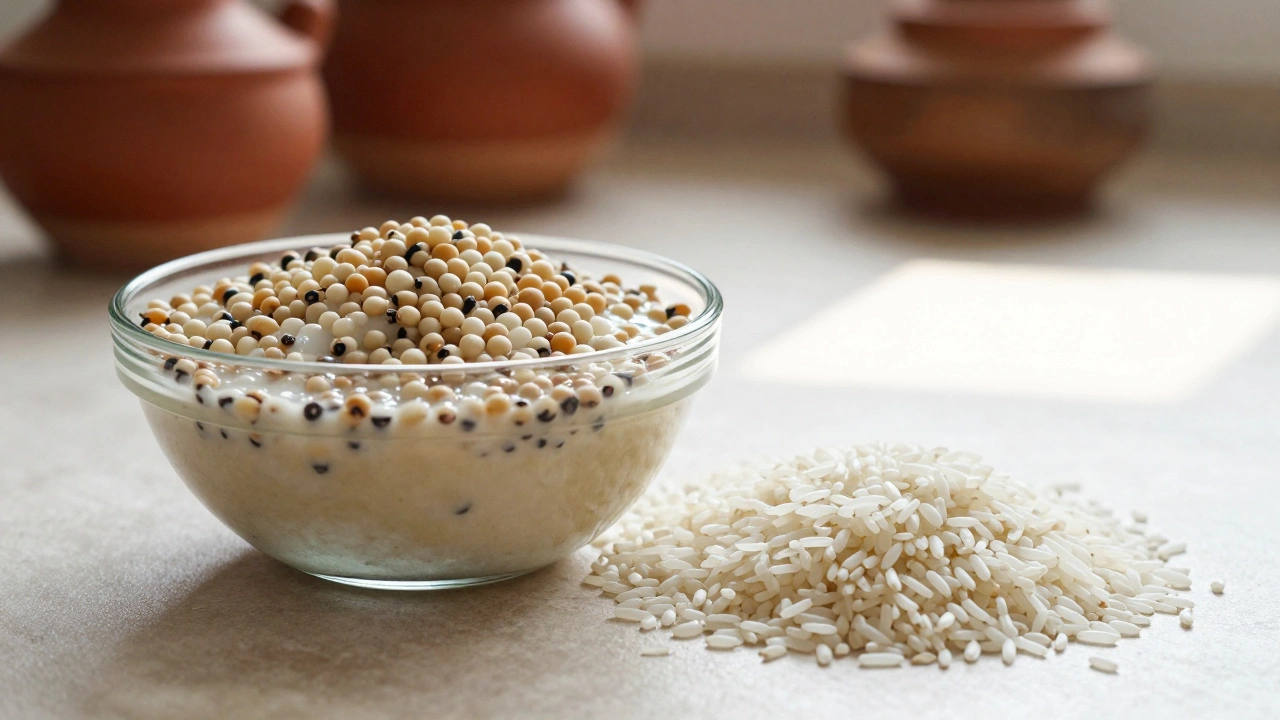
What Happens If You Add More Urad Dal to Dosa Batter? Texture, Taste & Tips
Discover how adding more urad dal to dosa batter affects texture, taste, and fermentation. Learn the pros, cons, and expert tips for perfecting your homemade dosa recipe.
View More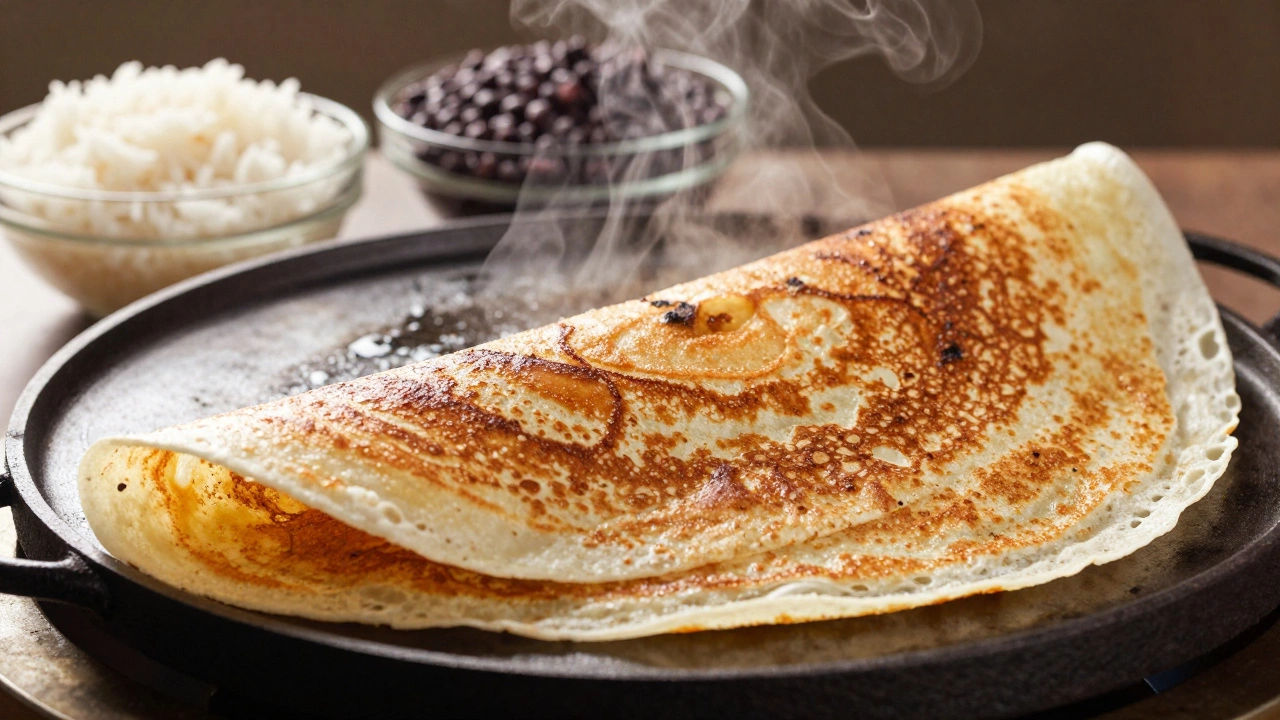
How to Reduce the Glycemic Index of Dosa: Smart Swaps for Lower Blood Sugar
Learn how to lower the glycemic index of dosa with simple ingredient swaps like millets, oats, and seeds. Enjoy crispy, diabetic-friendly dosas without sacrificing taste.
View More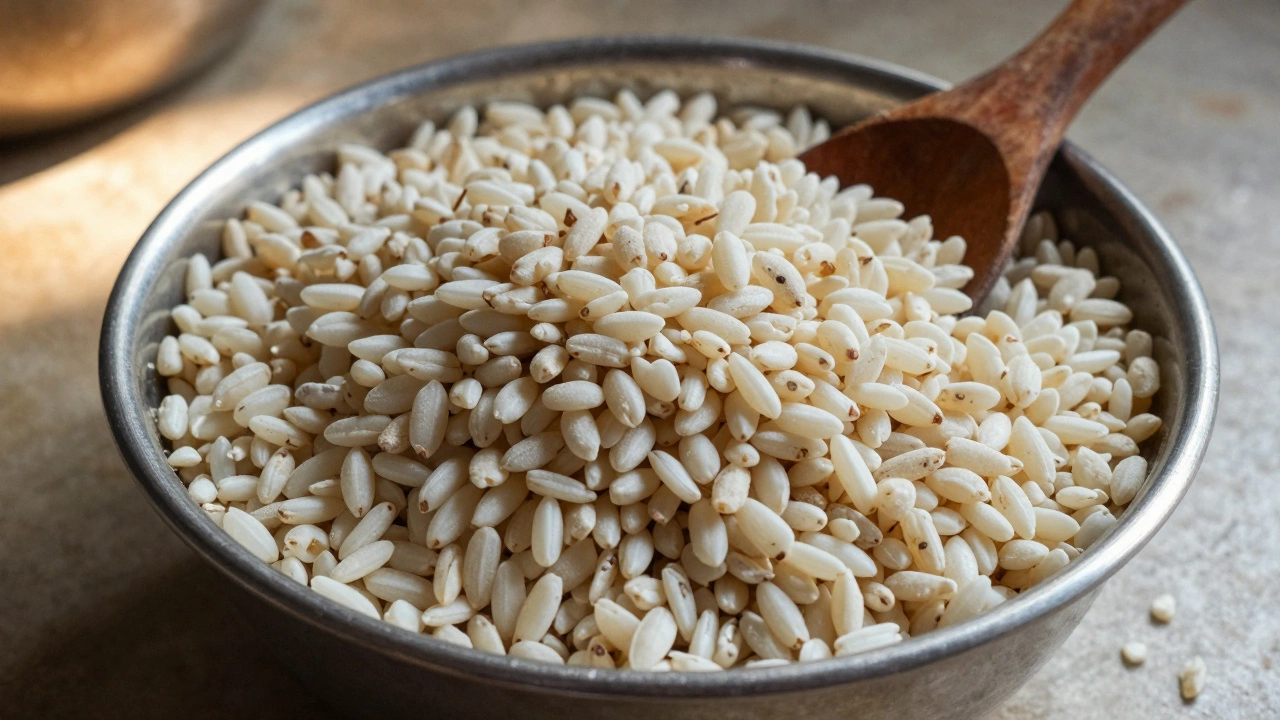
What Is Dosa Rice Called in English?
Dosa rice isn't a single variety-it's a category. In English, it's often called idli rice or parboiled rice. Learn what types actually work, where to buy them, and why regular white rice won't give you the same crisp, fluffy dosa.
View More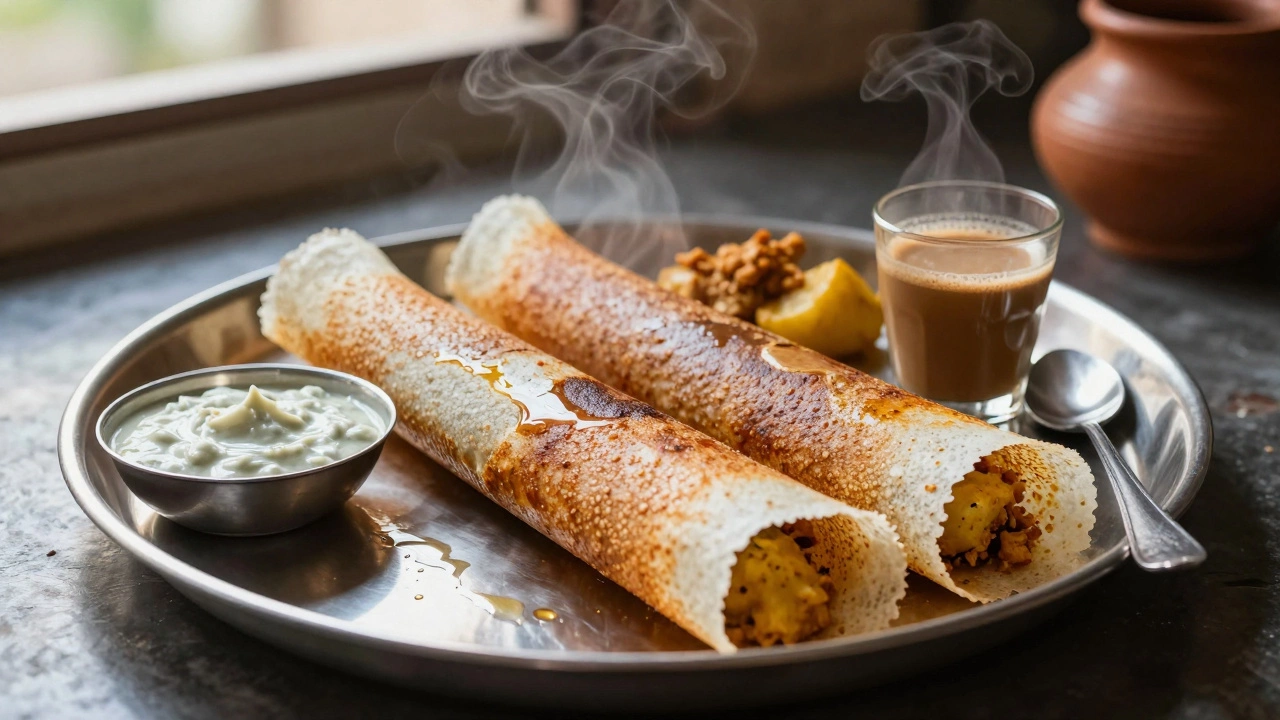
What Are the Disadvantages of Eating Dosa? Health and Dietary Concerns Explained
Dosa is a popular Indian breakfast, but it’s high in refined carbs, low in protein, and often fried in unhealthy oil. Learn the real health downsides of eating dosa daily and how to make it better.
View More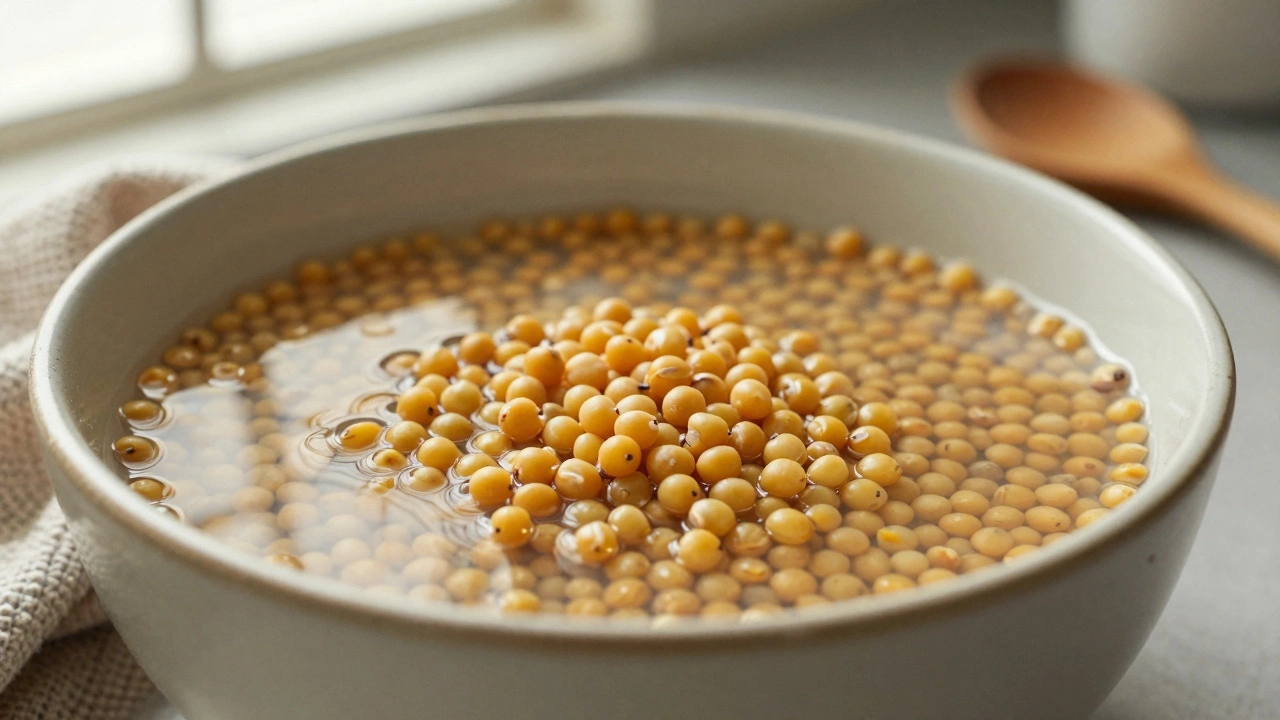
How Long to Soak Urad Dal for Perfect Vada Batter
Soak urad dal for 6-8 hours to get light, fluffy vadas that puff up perfectly. Too short or too long ruins the texture. Learn the signs of perfect soaking and avoid common mistakes.
View More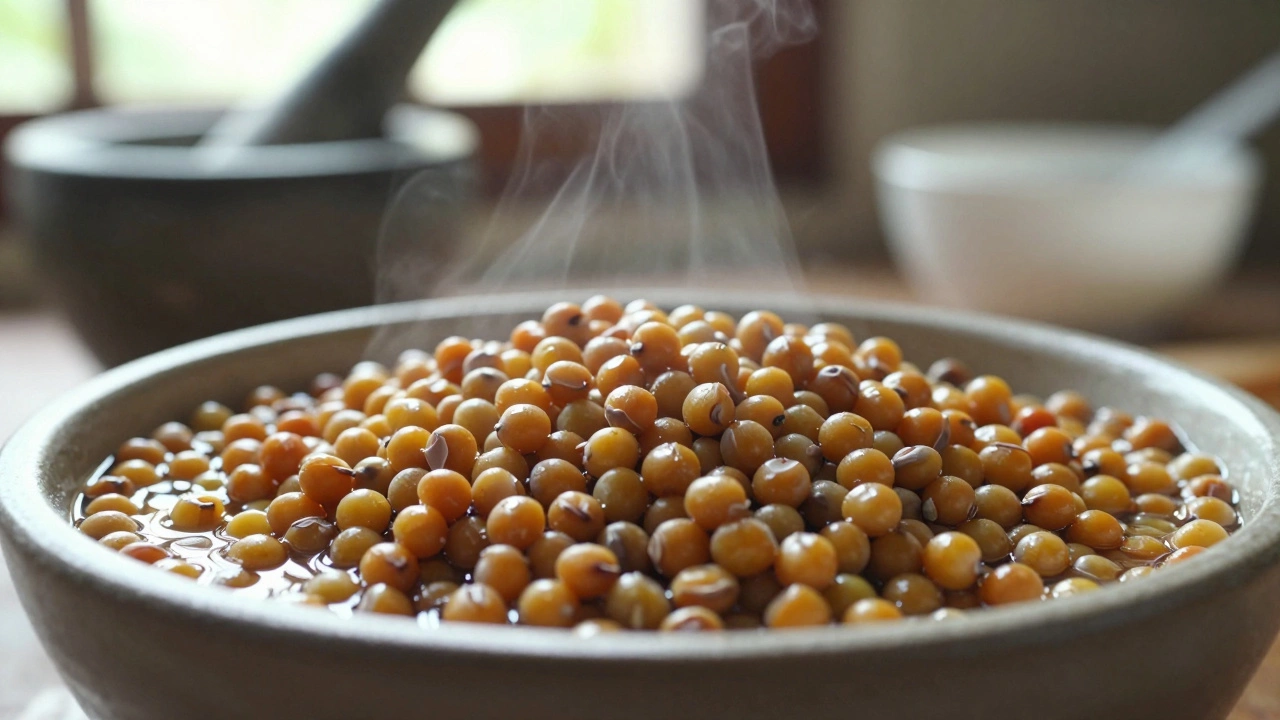
How Many Hours to Soak Urad Dal for Dosa? Perfect Batter Timing Explained
Soak urad dal for 6 to 8 hours to make perfect dosa batter. Too short and it won't ferment; too long and it turns slimy. Learn the right timing, tips, and fixes for fluffy, crisp dosas every time.
View More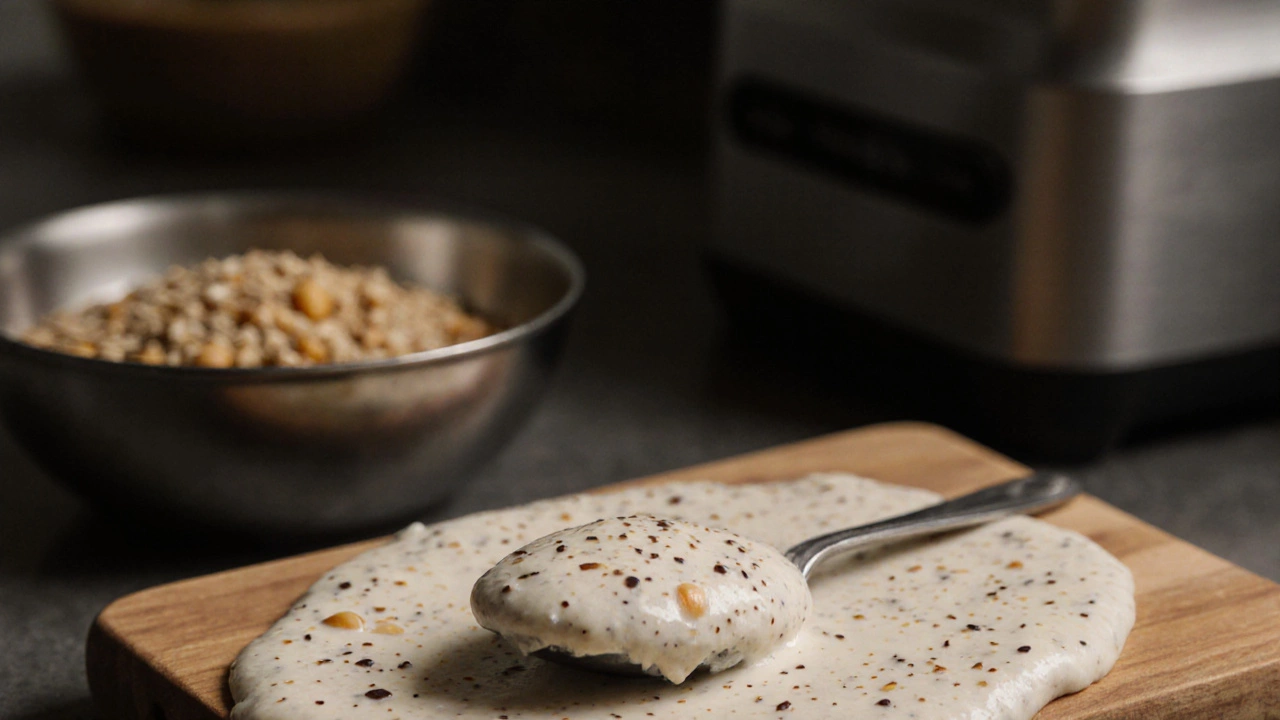
Is Grainy Dosa Batter Normal? Get the Perfect Smooth Texture
Learn why dosa batter can turn grainy, discover the main causes, and follow a step‑by‑step guide to achieve a smooth, perfectly fermented batter for crisp dosas.
View More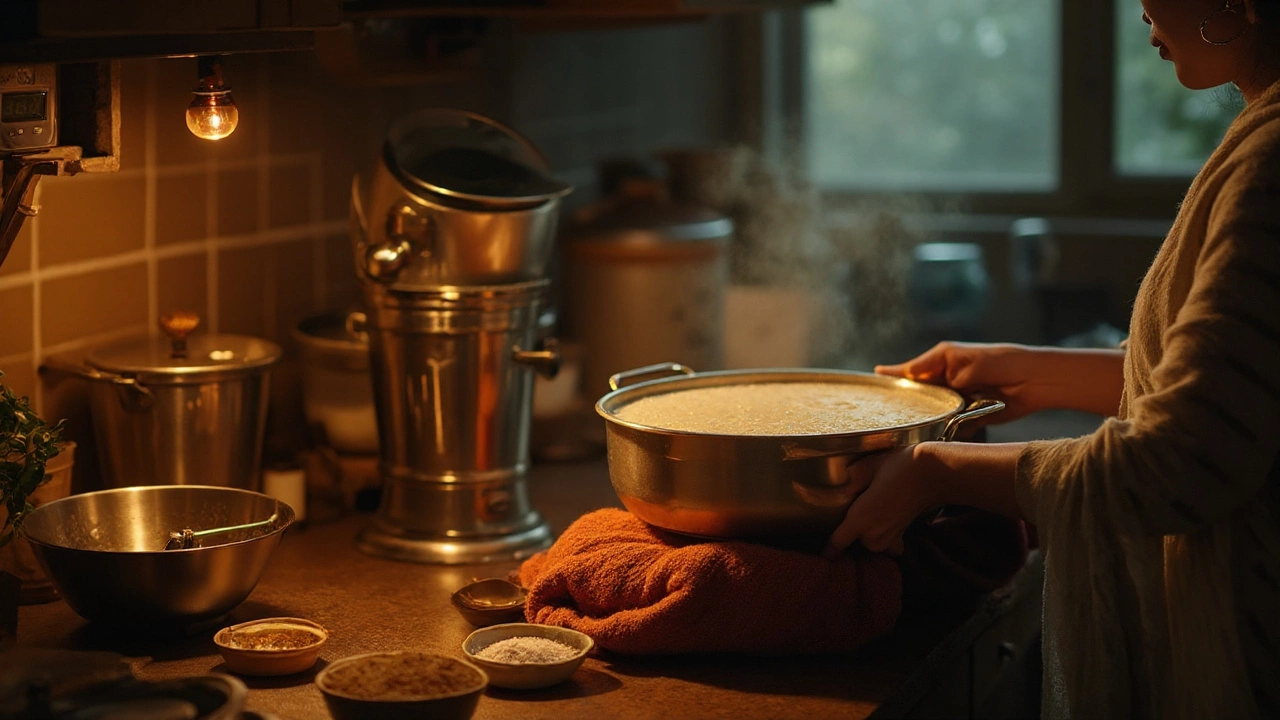
How to Ferment Dosa Batter Quickly (No Yeast): Fast, Reliable Methods That Work
Need dosa batter to ferment fast without yeast? Get proven ratios, temps, and warm-incubation hacks, plus Instant Pot, oven-light, and cold weather tips.
View More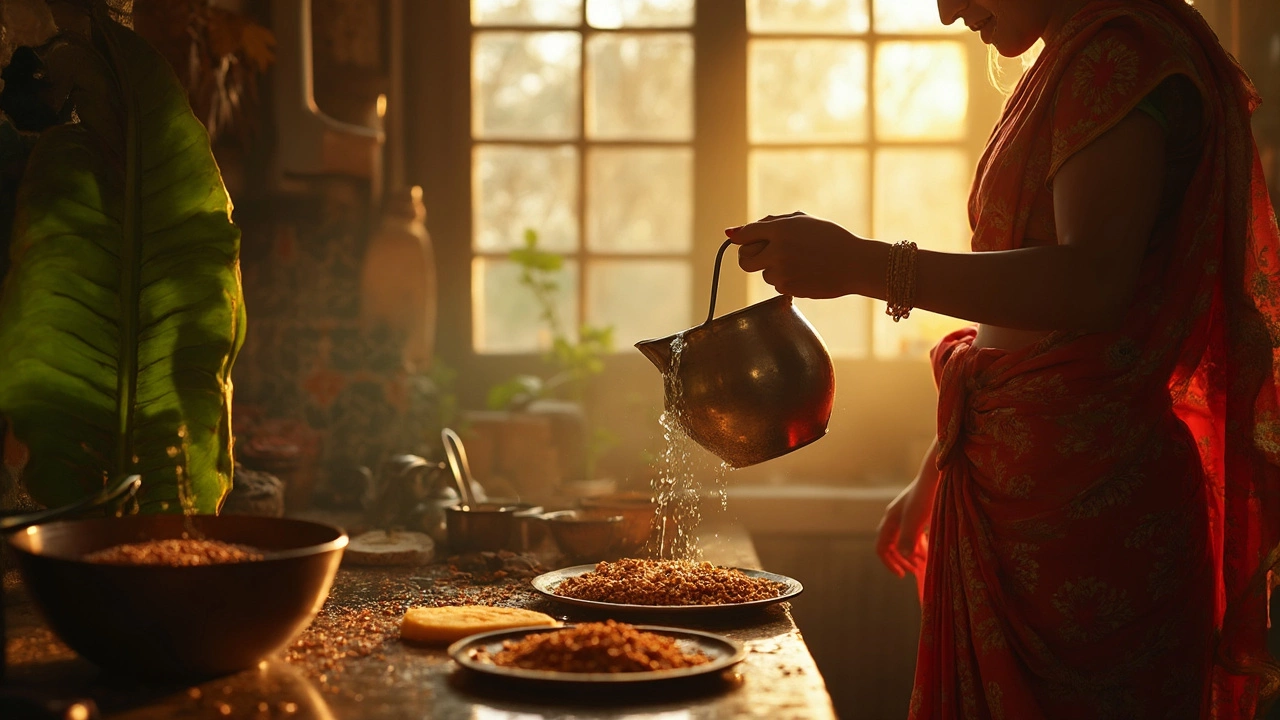
Soak Urad Dal Overnight for Dosa: Does It Really Matter?
Curious if you really need to soak urad dal overnight for perfect dosa? This article unpacks the science and tradition behind soaking, shares how long is truly ideal, and explores how shortcuts affect your dosa’s taste and texture. Get ready for practical tips that save time without ruining flavor. Plus, discover a few hacks to help you when you're in a rush. Your next dosa might just taste even better.
View More