Urad Dal Soaking Checker
Check if your urad dal is properly soaked for perfect vadas using these key indicators. Based on the article: How Long to Soak Urad Dal for Perfect Vada Batter
Getting the soak time right for urad dal is the difference between fluffy, crisp vadas and dense, greasy ones. If you’ve ever made vadas that fell apart or didn’t puff up, the problem wasn’t the oil or the spice mix-it was the dal. Soaking isn’t just a step you skip when you’re in a hurry. It’s the foundation of the whole recipe.
Why Soaking Urad Dal Matters
Urad dal has a hard outer shell and a dense inner core. Without soaking, your grinder will struggle, the batter won’t ferment properly, and your vadas will turn out heavy. Soaking softens the dal so it whips up into a light, airy batter that holds air when beaten. That’s what gives vadas their signature crisp outside and soft inside.The water doesn’t just hydrate the dal-it starts the fermentation process. Natural yeasts and bacteria on the dal’s surface begin to wake up in warm, wet conditions. That’s why the soak time directly affects how well your batter rises.
How Long to Soak Urad Dal for Vada
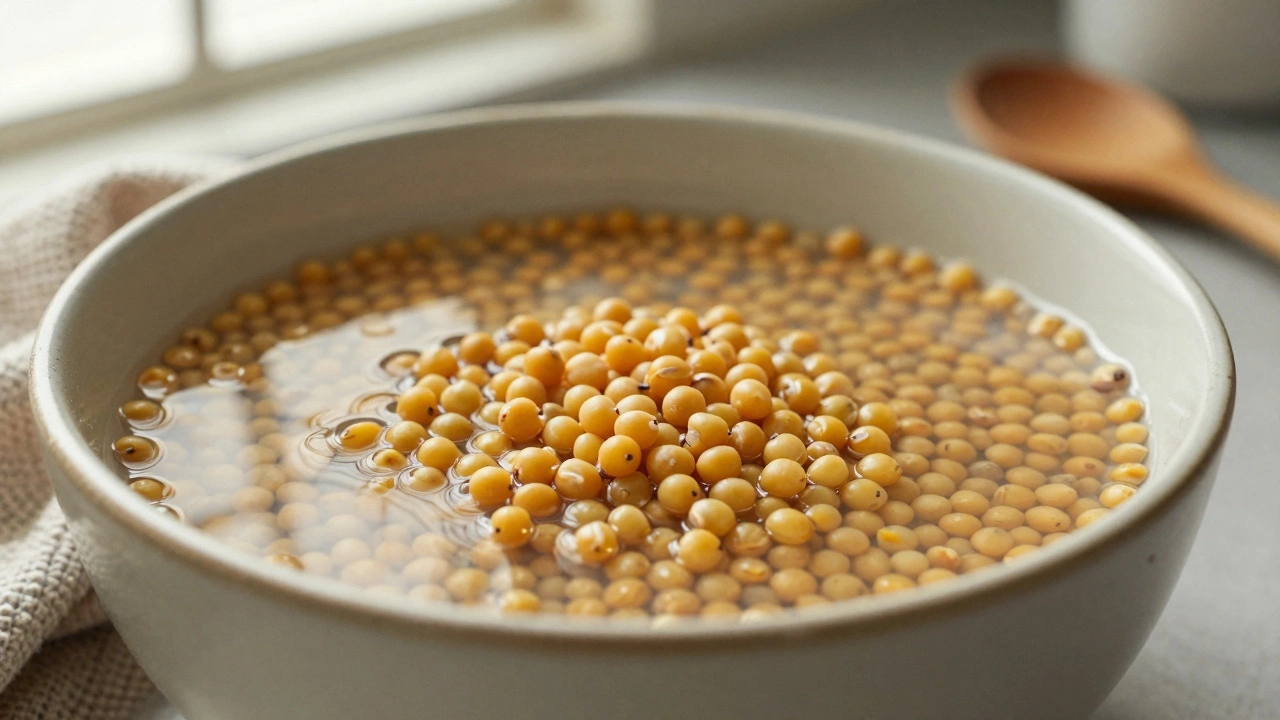
For the best vada batter, soak urad dal for at least 4 hours. But 6 to 8 hours is ideal. If you’re making batter in the morning for dinner, soak it overnight. If you’re starting in the evening, soak it for 6 hours and grind it before bed.Use 2 cups of water for every 1 cup of urad dal. The dal will swell up, so give it room. Don’t soak it in a tiny bowl-it needs space to expand. You’ll notice the dal turning slightly white and doubling in size. That’s your cue it’s ready.
Some people soak it for 12 hours. That’s fine if you’re in a cool kitchen. But in warm weather-like Auckland’s summer-it can turn sour or slimy. If your soaked dal smells off or feels slippery, toss it. Fermentation gone wrong means bad vadas.
What Happens If You Soak Too Long or Too Short
Soaking for less than 4 hours? The dal won’t grind smoothly. You’ll end up with grainy batter that doesn’t hold together. Your vadas will crack, absorb too much oil, and taste raw.Soaking too long-over 10 hours in warm weather-means the dal starts breaking down. The batter gets too runny. Even if you beat it well, it won’t trap enough air. Your vadas will spread flat in the oil instead of puffing up. They’ll taste flat and greasy.
There’s a sweet spot: 6 to 8 hours. That’s when the dal is soft enough to grind into a smooth paste but still holds its structure. You’ll know it’s perfect when you pinch a soaked dal between your fingers-it crushes easily, no resistance.
Pro Tips for Soaking Urad Dal
- Always rinse the dal before soaking. Wash it 2-3 times until the water runs clear. This removes dust and excess starch that can make the batter gummy.
- Use room temperature water. Cold water slows down fermentation. Hot water kills the natural microbes you need.
- Don’t add salt or baking soda to the soaking water. They interfere with fermentation. Add those later, when you’re grinding.
- Keep the bowl covered with a clean cloth, not a lid. Airflow helps fermentation start gently.
- If you’re in a hurry, soak the dal in warm water (not boiling) for 2 hours. It’s not ideal, but it works in a pinch.
How to Tell When the Soaked Dal Is Ready
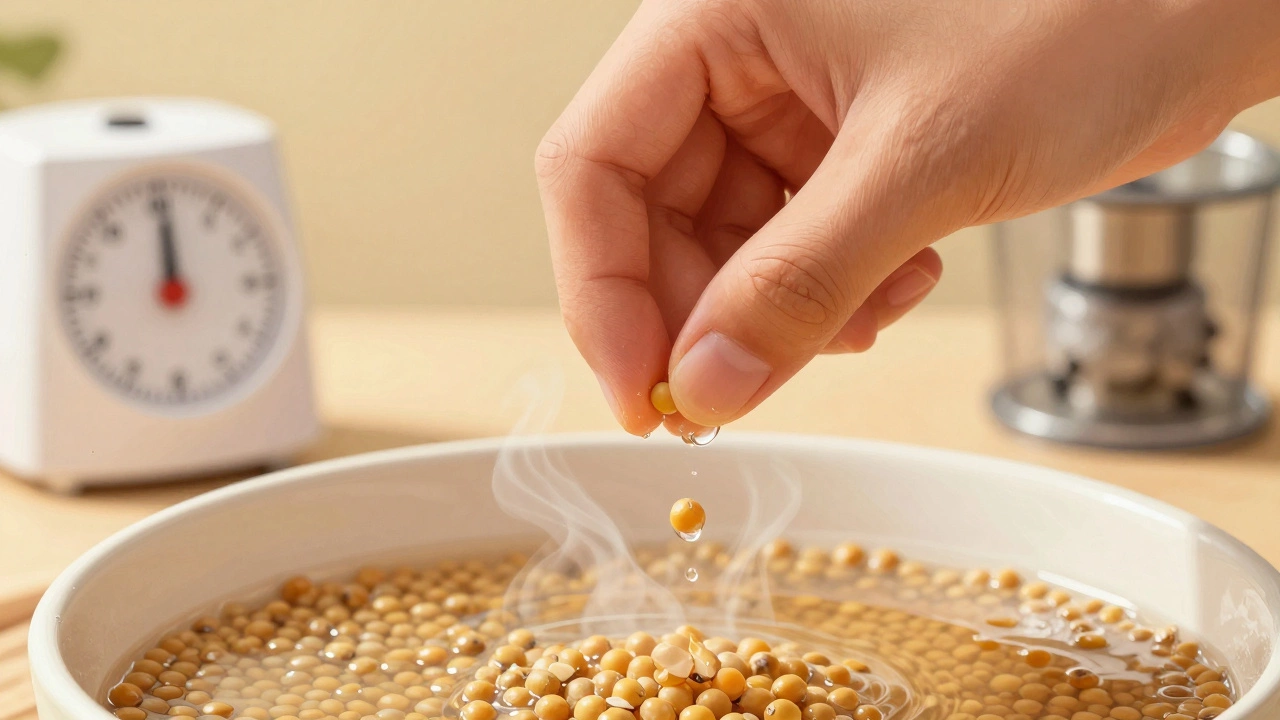
You don’t need a timer to know it’s done. Look for these signs:- The dal looks plump and opaque-not shiny or wrinkled.
- It’s at least double its original size.
- When you rub two dal pieces together, they slip apart easily.
- The soaking water looks slightly cloudy, not clear.
If you’re unsure, take one dal and bite it. It should be soft inside, not crunchy. If it’s still hard, give it another hour.
Soaking vs. Grinding: Two Separate Steps
Soaking isn’t the same as grinding. Many people soak the dal, then grind it right away. That’s fine. But don’t leave soaked dal sitting for hours before grinding. The batter starts fermenting as soon as you add water. Grind within 30 minutes of draining the dal.Drain the water completely. Don’t use the soaking water in the batter. It’s full of starch that makes the batter sticky and heavy. Rinse the dal once more with fresh water before grinding.
Temperature Matters More Than You Think
In Auckland, winters are cool. If you’re soaking dal in June, you might need 8-10 hours. In January, 4-6 hours is enough. Keep the bowl in a warm spot-on top of the fridge, near the oven, or in a turned-off oven with the light on. Cold kitchens = slow fermentation = flat vadas.Some people soak dal in the fridge to control fermentation. That’s okay if you’re soaking for 12+ hours. But take it out 2 hours before grinding so it’s not icy cold. Cold dal won’t whip up properly.
What to Do If Your Batter Doesn’t Rise
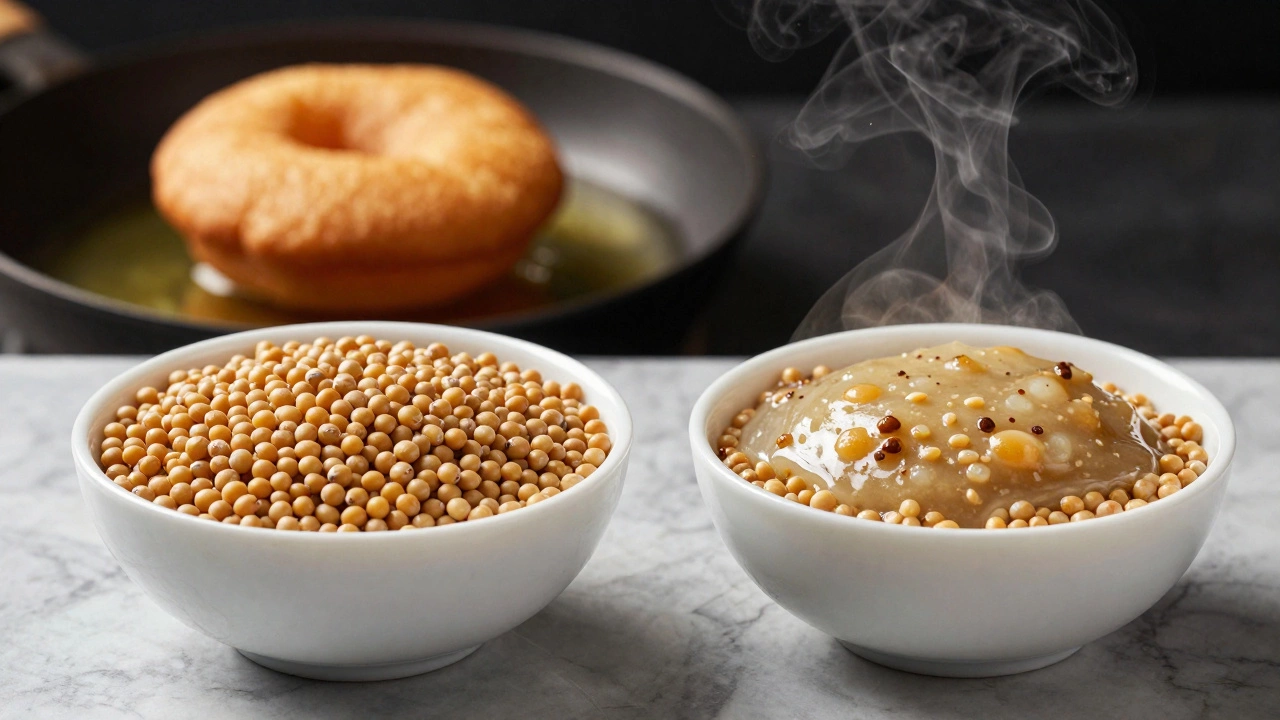
Even with perfect soaking, your batter might not ferment. Here’s why:- The kitchen is too cold-below 20°C. Move it to a warmer spot.
- You used old dal. Fresh urad dal swells faster and ferments better. Buy from a busy Indian grocery store.
- You added salt or baking soda before fermentation. That kills the natural yeast.
- You didn’t beat the batter enough. Beat it for 8-10 minutes until it’s light and fluffy. The batter should hold a peak when you lift the whisk.
If your batter doesn’t rise after 8 hours, don’t panic. Add a pinch of baking soda (1/8 tsp) right before frying. It won’t be the same as fermented vada, but it’ll puff up.
How This Fits Into the Larger Dosa Batter Recipe
Urad dal is one half of the classic dosa batter. The other half is rice. But the soaking rules are different for each. Rice needs 4-6 hours. Urad dal needs 6-8. That’s why you soak them together-so they’re ready at the same time.When you grind the rice and dal separately, then mix them, the soaking time ensures both components break down evenly. If the dal is under-soaked, the batter will be lumpy. If the rice is over-soaked, it turns mushy. Timing matters.
For perfect dosa or vada batter, treat the soaking stage like a science experiment. Measure, observe, adjust. The best cooks don’t guess-they check.
Common Mistakes to Avoid
- Soaking in the sink or a dirty bowl-use a clean container.
- Using pressure cooker water to soak-too hot, kills microbes.
- Soaking more than 12 hours without refrigeration-risk of spoilage.
- Adding fenugreek seeds to soaking water-only add them during grinding, not soaking.
- Draining and leaving dal out for hours-keep it covered and moist until grinding.
One last thing: never skip the rinse after soaking. Even if the water looks clean, there’s still surface starch. Rinse twice. It makes the batter smoother and the vadas crispier.
Can I soak urad dal overnight for vada?
Yes, soaking urad dal overnight (8-10 hours) works perfectly, especially in cooler weather. Just make sure it’s in a clean bowl, covered with a cloth, and not left in a hot kitchen. If it starts smelling sour or feels slimy, discard it.
What if I only have 2 hours to soak urad dal?
If you’re in a hurry, soak the dal in warm (not hot) water for 2 hours. It won’t be as fluffy as properly soaked dal, but it’ll work. Beat the batter longer-10-12 minutes-to trap more air. Add a tiny pinch of baking soda (1/8 tsp) when grinding to help it puff.
Should I soak urad dal with rice for dosa batter?
Yes, you can soak them together. Use the same water for both, but keep the rice and dal separate in the bowl. Rice takes 4-6 hours, urad dal takes 6-8. Soaking them together saves time and ensures they’re ready at the same time. Just drain and rinse them separately before grinding.
Why does my vada batter smell bad after soaking?
A sour or foul smell means the dal fermented too long or got too warm. Urad dal naturally ferments, but if it’s left in heat for over 10 hours, bad bacteria take over. Discard it and start fresh. Always soak in a clean container and avoid direct sunlight.
Can I refrigerate soaked urad dal and use it later?
Yes, you can refrigerate soaked urad dal for up to 12 hours. Drain the water, cover it tightly, and keep it cold. Take it out 2 hours before grinding so it’s not icy. Cold dal won’t whip up well. Grind it as soon as it warms up.