Low-GI Dosa Impact Calculator
Customize your batter recipe below to see how ingredient swaps affect the estimated Glycemic Index (GI).
Add Fiber & Healthy Fats
Estimated Result
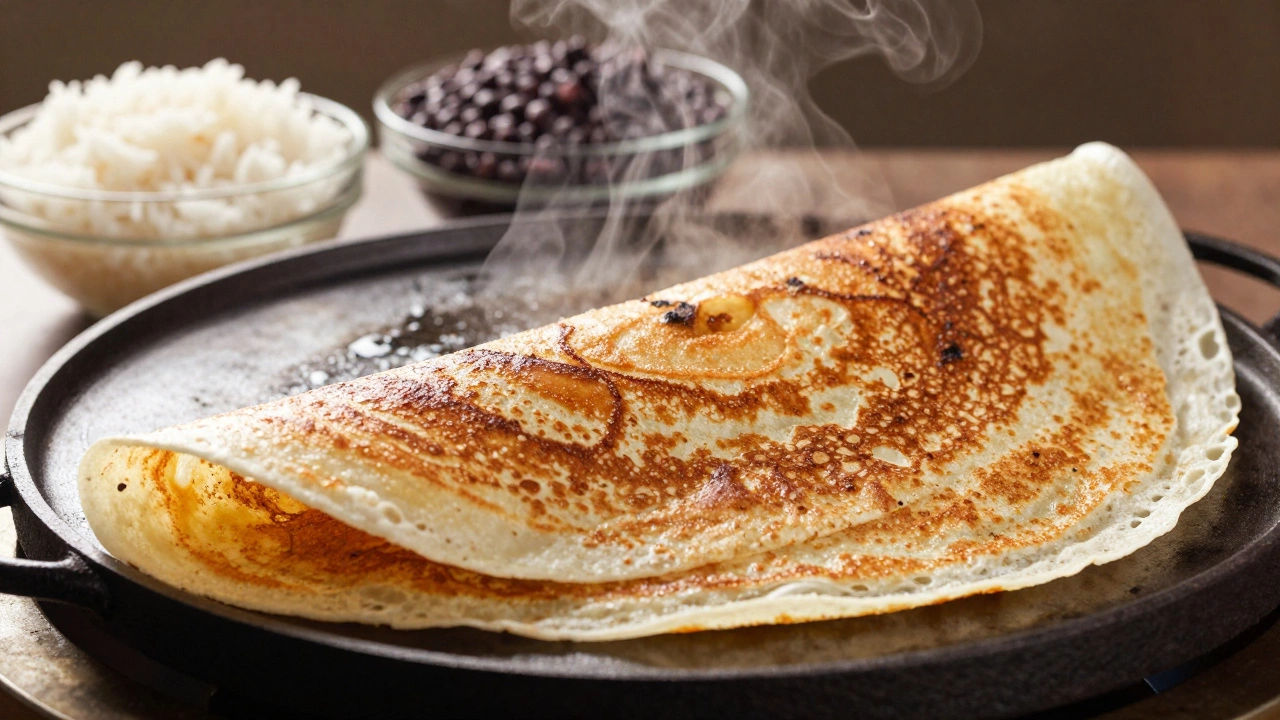
There is nothing quite like the crisp, savory crunch of a freshly made dosa, a thin fermented crepe that is a staple breakfast across South India and increasingly popular worldwide. However, traditional dosa is made primarily from rice and urad dal (black gram), both of which have a high glycemic index (GI). For anyone watching their blood sugar levels, managing diabetes, or simply trying to avoid energy crashes after meals, standard white-rice dosa can be problematic. The good news? You do not have to give up this comfort food. With a few strategic swaps in your batter, you can significantly lower the glycemic load without sacrificing that signature texture and taste.
Understanding Why Traditional Dosa Spikes Blood Sugar
To fix the problem, we first need to understand why regular dosa has such a high GI. White rice is essentially pure starch with very little fiber. When you grind it into a fine paste and ferment it, the process breaks down complex carbohydrates into simpler sugars, making them easier for your body to absorb quickly. This rapid absorption leads to a sharp spike in blood glucose levels. Urad dal helps add protein, but it does not offset the high carb content of the rice enough to bring the overall GI down to a safe range for most people with insulin resistance.
The solution lies in changing the ingredients before they even hit the grinder. By introducing high-fiber grains, seeds, and vegetables, you slow down digestion. Fiber acts like a net, catching the sugars and releasing them slowly into your bloodstream. This keeps your energy stable and prevents those mid-morning slumps.
Top Grain Swaps to Lower Glycemic Impact
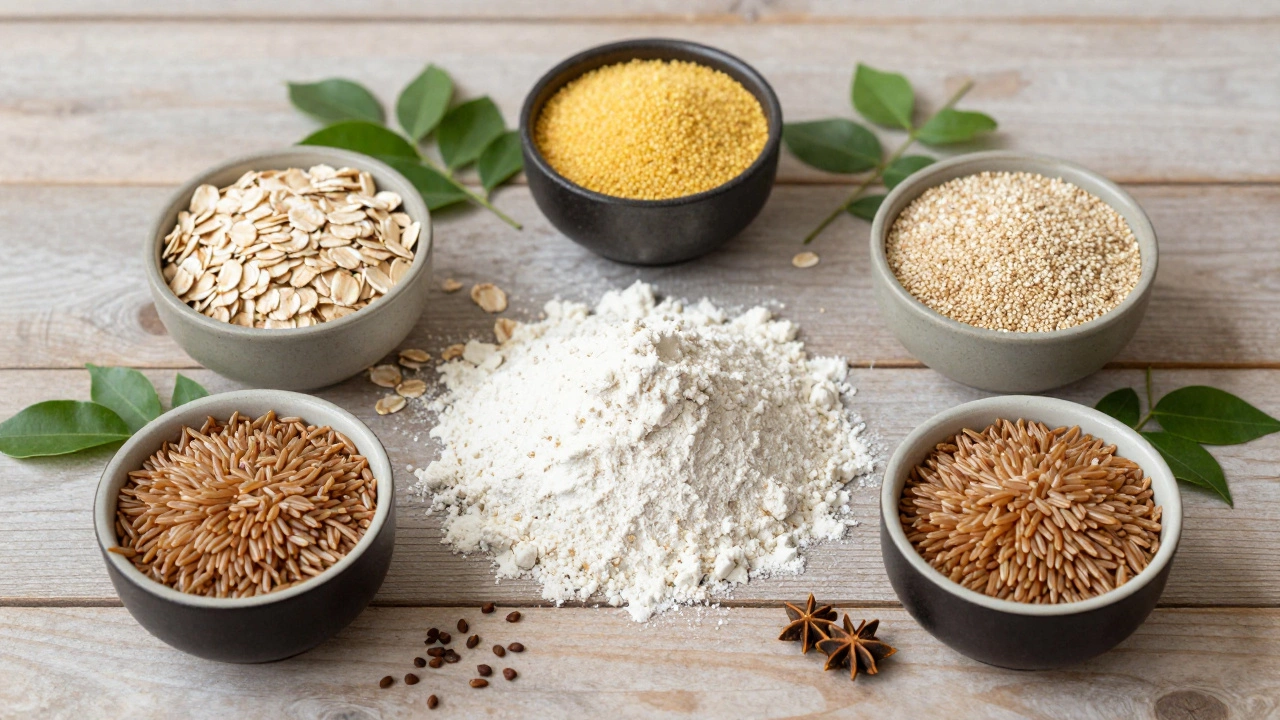
The most effective way to reduce the GI of your dosa is to replace a portion-or all-of the white rice with low-GI alternatives. Here are the best options that actually work in terms of texture:
- Millet Varieties: Foxtail millet, finger millet (ragi), and sorghum (jowar) are powerhouses of fiber and minerals. Ragi, in particular, is rich in calcium and has a much lower glycemic response than white rice. It gives the dosa a slightly earthy flavor and a golden-brown hue.
- Oats: Rolled oats are excellent for lowering cholesterol and stabilizing blood sugar. They blend well with urad dal and create a soft, pliable dosa that is easy to flip.
- Quinoa: Although technically a seed, quinoa cooks like a grain. It is a complete protein and has a very low GI. Using cooked and cooled quinoa in your batter adds a nutty flavor and boosts the protein content significantly.
- Brown Rice: If you cannot get used to millets immediately, switch to brown rice. It retains the bran layer, which contains fiber. While its GI is still moderate, it is considerably lower than polished white rice.
The Power of Seeds and Nuts in Batter
Incorporating seeds into your dosa batter is a game-changer. Not only do they add healthy fats and protein, but they also physically disrupt the starch structure, further slowing down digestion. I often add a tablespoon of chia seeds or flaxseeds to my batch. These seeds expand when soaked, adding bulk and fiber without altering the taste drastically. Pumpkin seeds and sesame seeds are also great additions; they provide a subtle crunch and enhance the nutritional profile with magnesium and zinc.
Nuts like almonds and cashews can be ground along with the lentils. A small handful added to the blender increases the fat content, which naturally lowers the glycemic index of the meal. Fat takes longer to digest than carbohydrates, so pairing your dosa with a side of coconut chutney or peanut chutney also helps mitigate the blood sugar spike.
Vegetable-Loaded Dosas: Adding Volume Without Carbs
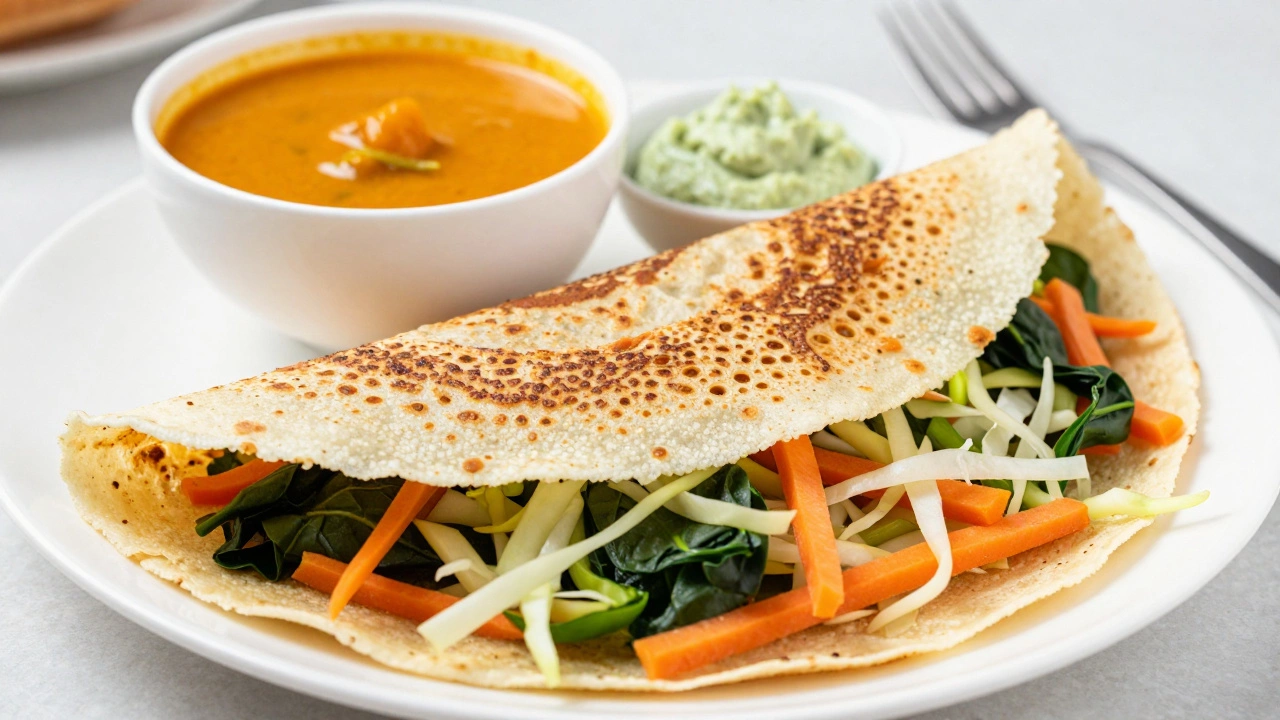
One of the easiest ways to make your dosa healthier is to stuff it with vegetables or mix grated veggies directly into the batter. Think of this as "volume eating." You are increasing the amount of food on your plate while decreasing the carbohydrate density per bite. Grated carrots, finely chopped spinach, shredded cabbage, or diced onions can be folded into the semi-thick batter just before spreading it on the pan.
This technique works particularly well with thicker dosas like masala dosa or set dosa. The vegetables release moisture during cooking, which helps keep the dosa tender. Plus, the phytonutrients in these vegetables offer anti-inflammatory benefits that complement the gut-friendly fermentation of the batter.
Fermentation Matters: Time Is Your Friend
You might wonder if fermentation affects the glycemic index. Actually, proper fermentation can help. During the fermentation process, lactic acid bacteria break down some of the starches and produce organic acids. These acids can lower the pH of the batter, which may slightly reduce the glycemic impact compared to unfermented flatbreads. More importantly, fermentation improves digestibility and increases the bioavailability of nutrients like iron and zinc.
Allow your batter to ferment for at least 8-12 hours, especially in cooler climates. In warmer weather, 6-8 hours might suffice. The batter should rise and become airy. If you are using millets, note that they do not ferment as vigorously as rice. You may need to add a pinch of baking soda or a starter culture from a previous batch to achieve the right lift.
Comparison of Dosa Variations
| Dosa Type | Main Ingredients | Estimated GI | Fiber Content |
|---|---|---|---|
| Traditional White Rice Dosa | White Rice, Urad Dal | High (70+) | Low |
| Brown Rice Dosa | Brown Rice, Urad Dal | Medium (55-65) | Medium |
| Ragi (Finger Millet) Dosa | Ragi Flour, Urad Dal | Low-Medium (45-55) | High |
| Oats & Vegetable Dosa | Rolled Oats, Veggies, Urad Dal | Low (40-50) | Very High |
| Almond Flour Dosa | Almond Flour, Egg/Flax Egg | Very Low (<30) | High |
Pro Tips for Perfect Low-GI Dosas
Switching ingredients can sometimes result in a brittle or dark dosa. Here is how to troubleshoot common issues:
- Grind Consistency: Millets and oats absorb more water than rice. Add extra water while grinding to ensure a smooth, pourable batter. If it is too thick, the dosa will crack when you spread it.
- Soaking Times: Soak your grains and lentils separately for at least 4 hours. For harder grains like sorghum, soak overnight. Proper soaking reduces anti-nutrients and ensures a finer grind.
- Spice It Up: Adding cumin seeds, fenugreek seeds, or curry leaves to the batter not only enhances flavor but also has metabolic benefits. Fenugreek, in particular, is known to help regulate blood sugar levels.
- Cooking Surface: Use a non-stick tawa (griddle) or cast iron skillet preheated evenly. Low-GI batters can be stickier, so adequate oil or ghee around the edges helps prevent sticking.
Serving Suggestions to Keep Blood Sugar Stable
What you eat with your dosa matters just as much as the dosa itself. Pair your low-GI dosa with a protein-rich side dish. Sambar made with plenty of vegetables and lentils is an excellent choice. Coconut chutney provides healthy fats, while tomato-onion chutney adds acidity, which can also help blunt the glucose spike. Avoid serving with sugary jams or overly sweetened pickles. Instead, opt for tangy, spicy accompaniments that satisfy your palate without adding empty calories.
Mini-FAQ
Can diabetics eat dosa?
Yes, diabetics can eat dosa, but they should choose versions made with low-GI grains like ragi, oats, or millets instead of white rice. Portion control is key, and it should always be paired with protein and fiber-rich sides like sambar or vegetable chutneys to slow down sugar absorption.
Does fermentation lower the glycemic index of dosa?
Fermentation can slightly lower the glycemic index by breaking down some starches into organic acids. It also improves nutrient absorption and gut health. However, the primary driver of GI reduction is the type of grain used, not just fermentation.
Which millet is best for dosa?
Ragi (finger millet) is widely considered the best for dosa due to its low glycemic index, high calcium content, and ability to form a cohesive batter. Foxtail millet and jowar (sorghum) are also excellent choices that yield crispy results.
Can I use almond flour for dosa?
Yes, almond flour makes a very low-carb, keto-friendly dosa. Since almond flour lacks gluten and starch, you may need to bind it with eggs or flax eggs. The texture will be denser and less crispy than traditional dosa, but it is highly nutritious.
How much water should I add to millet dosa batter?
Millet batters typically require more water than rice batter. Start with a ratio of 1:1.5 (grain to water) and adjust as needed. The final consistency should be similar to heavy cream-thin enough to spread easily but not watery.