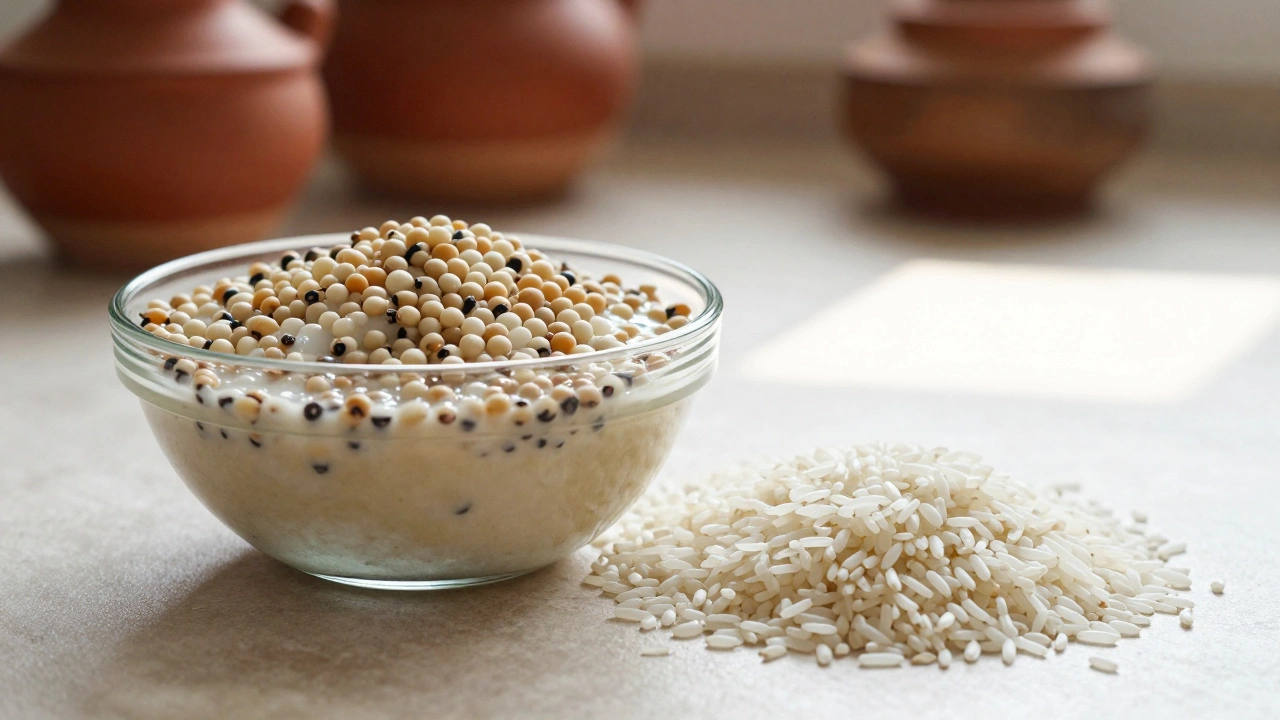
Dosa Batter Ratio Calculator
Configuration
Batter Analysis
- Urad Dal Needed: 1.0 cups
- Protein Level: Moderate
- Fermentation Est. 6-8 hours
Standard balance. Soak dal for 4-6 hours.
Ever wondered why some dosas puff up like fluffy clouds while others stay flat and rubbery? The secret often lies in one humble ingredient: urad dal. Most traditional dosa recipes call for a specific ratio of rice to urad dal-usually 2:1 or 3:1. But what happens when you decide to break the rules and add more black gram (urad dal) than usual? Does it make the dosa better, or does it ruin the batch?
I’ve spent years tweaking my own dosa batter in my Auckland kitchen, dealing with everything from cold winters that stall fermentation to finding high-quality lentils at local Indian grocers. Adding extra urad dal is one of those experiments that can either elevate your dosa game to restaurant quality or leave you with a bitter, dense pancake. Let’s break down exactly what changes in texture, taste, rise, and digestion when you shift the balance toward more dal.
The Science Behind Urad Dal in Dosa Batter
To understand the impact of adding more urad dal, we first need to look at what this ingredient actually does. Urad dal, or black gram, is not just another grain; it’s the engine room of your dosa batter. Unlike rice, which provides starch and structure, urad dal is packed with protein and fiber. These components are crucial for two main reasons: fermentation and elasticity.
When you soak urad dal, the outer skin breaks down, releasing proteins that interact with the starches from the rice. During fermentation, wild yeast and bacteria (specifically Lactobacillus) feed on these carbohydrates. Urad dal ferments faster than rice because its proteins denature easily, creating an ideal environment for gas production. This gas creates the bubbles that give dosa its characteristic porous texture.
If you increase the proportion of urad dal, you are essentially supercharging this process. More protein means more scaffolding for the gluten-like network to form. However, there’s a limit. Too much protein without enough starch to bind it can lead to structural issues. Think of it like building a house: you need steel beams (protein from dal) but also concrete (starch from rice). Too many beams and no concrete, and the walls won’t hold together properly.
Changes in Texture: Crispiness vs. Chewiness
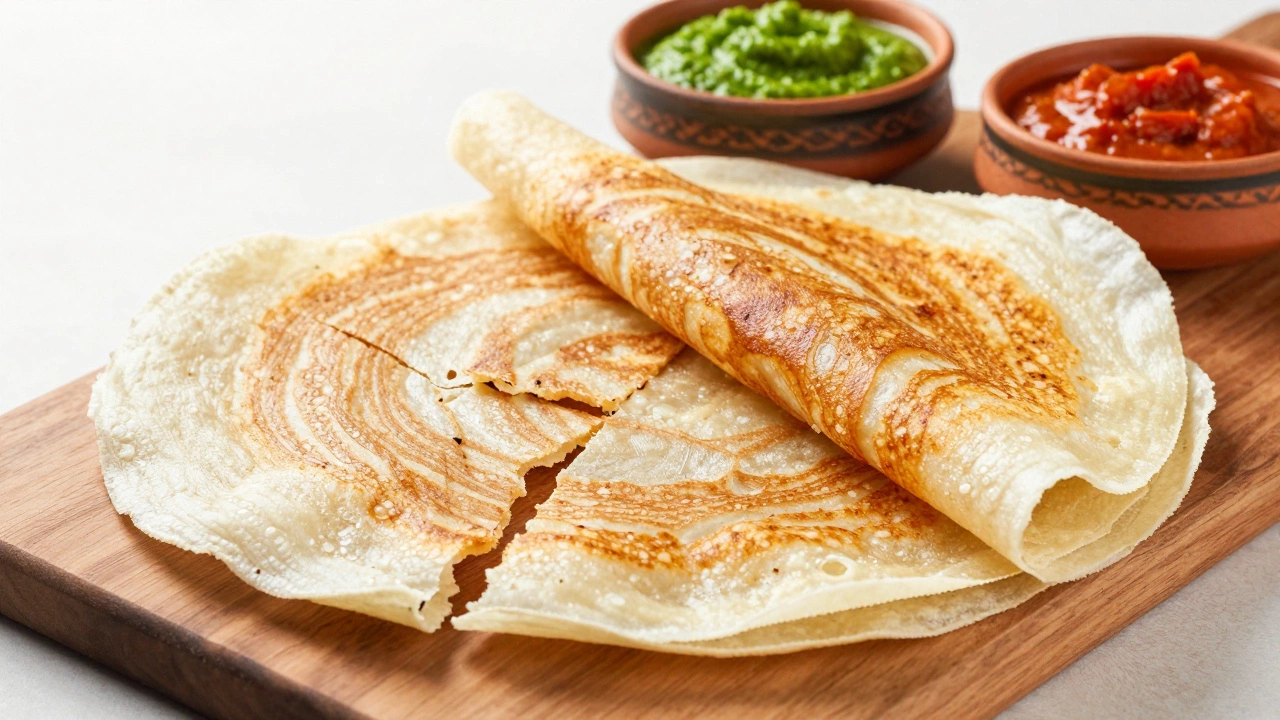
The most immediate change you’ll notice is in the texture. A standard dosa has a delicate balance-it should be crisp on the outside and slightly soft on the inside. When you add more urad dal, the texture shifts dramatically.
- Increased Chewiness: Urad dal contains glutelin proteins that create a chewy mouthfeel. A higher concentration makes the dosa less brittle and more elastic. Instead of shattering into shards when you bite into it, the dosa will bend. For some, this is undesirable. They want that paper-thin crunch. For others, especially fans of thicker, softer dosas like masala dosa, this elasticity is a bonus.
- Denser Structure: While more dal can help the batter rise, it also adds weight. If the fermentation isn’t perfect, the extra protein can trap moisture, leading to a denser, cake-like interior rather than a light, airy crumb. This is particularly noticeable if you use whole urad dal instead of split and skinned (white) urad dal.
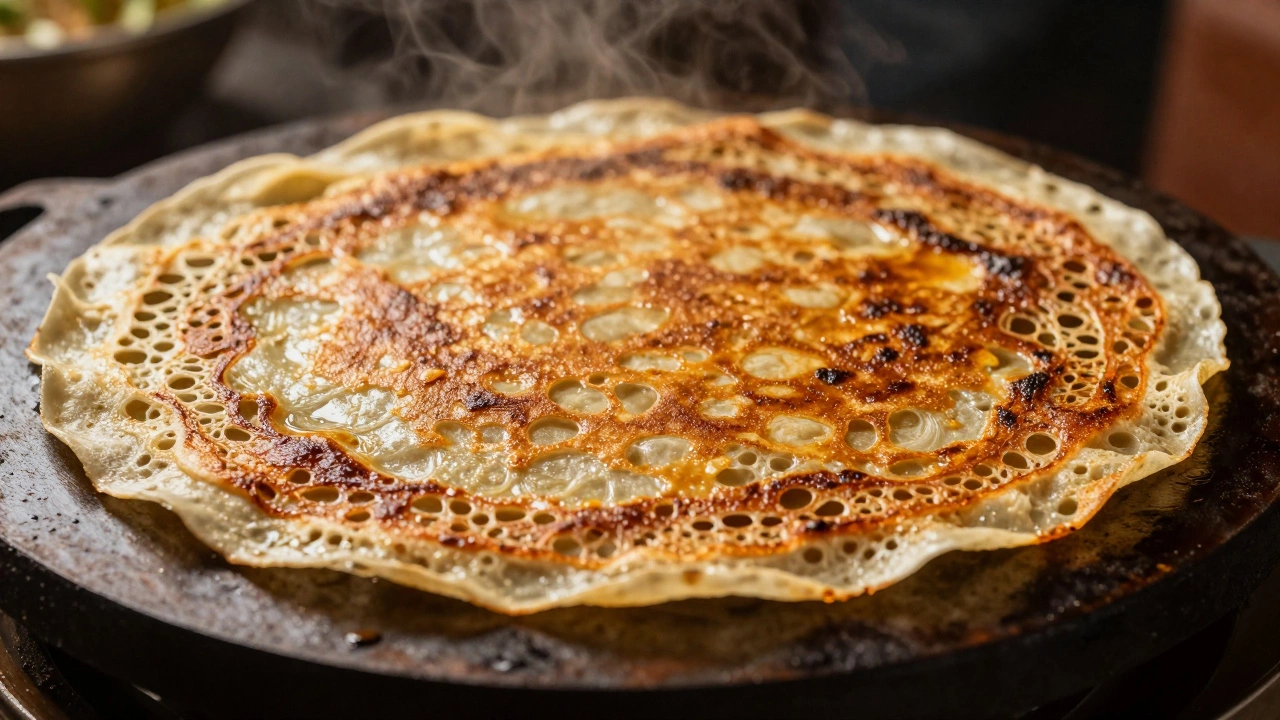
- Better Browning: Proteins undergo the Maillard reaction during cooking, which gives food its brown color and savory flavor. With more urad dal, your dosa will brown faster and deeper. This is great for achieving that golden-crisp exterior, but you have to watch the heat carefully to avoid burning.
In my experience, if you’re aiming for a thin, lacy crepe-style dosa, stick to the traditional ratios. But if you love a thick, spongy dosa that holds up well under heavy fillings, increasing the urad dal by 10-15% can work wonders.
Taste Profile: From Mild to Earthy
Rice is relatively neutral in flavor. It acts as a blank canvas. Urad dal, on the other hand, has a distinct earthy, nutty, and slightly bitter taste. This bitterness comes from compounds in the lentil skin and certain amino acids.
When you increase the amount of urad dal in your batter, this earthiness becomes more pronounced. Some people describe it as a "grown-up" flavor-more complex and robust. Others find it overpowering, especially if they are used to the mild sweetness of plain rice dosas.
The key to managing this flavor shift is soaking. Soaking urad dal for at least 4-6 hours helps leach out some of the bitter compounds. If you skip this step or rush it, a high-dal batter will taste noticeably bitter. Additionally, fermentation plays a role. As the batter ferments, the sharp edges of the dal’s flavor mellow out, replaced by a tangy sourness. If your fermentation time is short, the raw dal taste will linger.
Pro tip: If you find the increased earthiness too strong, balance it with a pinch of sugar or jaggery in the batter. This subtle sweetness counters the bitterness without making the dosa sweet.
Fermentation Dynamics: Faster Rise, Higher Risk
One of the biggest advantages of adding more urad dal is improved fermentation, especially in cooler climates like Auckland’s winter. Urad dal is rich in nutrients that feed the natural yeasts present in the air and on the grains. This means your batter might rise faster and higher than a rice-heavy batter.
However, this speed comes with risks. Urad dal ferments quickly, sometimes too quickly. If you leave a high-dal batter out for too long, it can over-ferment. Over-fermented batter turns excessively sour, develops a slimy texture, and may even separate, with water pooling on top. This separation makes it difficult to spread the dosa evenly on the tawa (griddle).
To manage this:
- Monitor Temperature: In warm weather, keep the batter in the fridge after the initial rise. In cold weather, place it near a warm spot, but check it every few hours.
- Watch the Volume: Don’t wait for the batter to double in size if it smells strongly alcoholic or overly sour. That’s a sign it’s going past its prime.
- Use Skinned Urad Dal: White urad dal (split and skinned) ferments more predictably than whole black urad dal. The skins can inhibit consistent rising.
If you’re struggling with fermentation, adding a tablespoon of idli rice or poha (flattened rice) can help stabilize the batter. Poha ferments rapidly and can jumpstart the process without overwhelming the flavor profile.
Digestibility and Health Benefits
From a health perspective, increasing urad dal in your dosa batter is generally a good move. Urad dal is a powerhouse of nutrition. It’s high in protein, iron, folate, and dietary fiber. Compared to a rice-heavy batter, a dal-rich batter offers a lower glycemic index, meaning it won’t spike your blood sugar as sharply.
Furthermore, the fermentation process breaks down anti-nutrients like phytates, which are naturally present in legumes and grains. Phytates can interfere with mineral absorption. By fermenting the batter, you make the iron and zinc in the urad dal more bioavailable. This is why traditional South Indian foods like idli and dosa are considered so easy to digest-they’re pre-digested by microbes before they even reach your stomach.
If you’re watching your calorie intake or trying to increase plant-based protein, boosting the urad dal content is a smart tweak. Just remember that protein is filling, so you might eat fewer dosas per meal, which could help with portion control.
Practical Tips for Adjusting Your Ratio
Ready to experiment? Here’s how to adjust your recipe safely without ruining your batch.
| Dosa Type | Rice : Urad Dal Ratio | Texture Outcome |
|---|---|---|
| Thin/Crispy Crepe | 3:1 or 4:1 | Brittle, lacy, very crisp |
| Standard Home Style | 2:1 | Balanced, slightly chewy, reliable |
| Thick/Soft Masala Dosa | 1.5:1 or 1:1 | Spongy, elastic, holds fillings well |
Start small. If your usual recipe calls for 1 cup of urad dal and 3 cups of rice, try increasing the dal to 1.25 cups. Keep the rice constant initially. Observe how the batter behaves during grinding and fermentation.
Grinding consistency matters more with higher dal content. Urad dal needs to be ground into a smooth, fluffy paste. If it’s gritty, the dosa will be rough. Rice can be ground coarser. When combining them, ensure the dal paste is aerated. You can tell it’s ready when it looks glossy and holds peaks like whipped cream.
Finally, don’t forget salt. Salt strengthens gluten networks (or in this case, protein networks) and enhances flavor. A well-seasoned batter spreads easier and cooks more evenly.
Troubleshooting Common Issues
Even with the best intentions, things can go wrong. Here are common pitfalls when using more urad dal:
- Bitter Taste: Likely due to insufficient soaking or over-roasting the dal before grinding (if you do that). Solution: Soak longer and rinse thoroughly.
- Flat Dosas: If the batter rises but the dosa doesn’t puff, the protein network might be too tight. Solution: Add a little more rice flour or semolina to loosen the structure.
- Sticky Batter: High dal content can retain moisture. Solution: Grind with less water initially. You can always add more, but you can’t take it away.
- Overly Sour Flavor: Signs of over-fermentation. Solution: Next time, reduce fermentation time or refrigerate sooner. For now, bake the dosas at a slightly higher heat to cook through the sourness quickly.
Experimentation is part of the joy of cooking. There’s no single "correct" way to make dosa batter. It’s about finding the balance that suits your palate and your kitchen conditions. Whether you prefer a crisp, shattering crepe or a soft, spongy pillow, adjusting the urad dal ratio is your primary tool for customization.
Can I replace all rice with urad dal in dosa batter?
No, you cannot replace all rice with urad dal. Rice provides the necessary starch to bind the batter and create the crisp exterior. A batter made entirely of urad dal will result in a dense, bread-like product, more similar to a thick pancake or roti, lacking the characteristic lacy holes and crunch of a dosa.
Does adding more urad dal make dosa healthier?
Yes, moderately increasing urad dal boosts the protein, fiber, and iron content of your dosa. It also lowers the glycemic index, making it a better option for blood sugar management compared to rice-heavy batters. However, balance is key to maintain digestibility and taste.
Why is my dosa batter turning bitter?
Bitterness usually comes from the urad dal. This can happen if the dal was not soaked long enough to remove bitter compounds, if the skins were not removed (using whole black dal), or if the batter over-fermented. Ensure you soak the dal for 4-6 hours and use split, skinned white urad dal for a milder taste.
How does temperature affect urad dal fermentation?
Urad dal ferments faster than rice. In warm temperatures (above 25°C/77°F), it can rise in 4-6 hours. In cooler climates like Auckland, it may take 8-12 hours or require a warm spot. Monitor closely to prevent over-fermentation, which leads to excessive sourness and separation.
Should I grind urad dal and rice separately?
Yes, grinding them separately is highly recommended, especially when adjusting ratios. Urad dal requires a smoother, fluffier consistency, while rice can be ground coarser. Grinding separately ensures each ingredient reaches its optimal texture before being combined, resulting in a better rise and spread.