Cooking Tips for Authentic Indian Flavors
When it comes to Indian cooking, the art of balancing spices, textures, and timing to create deeply flavorful meals. Also known as home-style Indian cuisine, it’s not about complicated techniques—it’s about knowing when to add that pinch of cumin, how long to let dough rest, or why soaking rice matters. This is cooking that’s been passed down for generations, not learned from a video. The secret isn’t just in the spices—it’s in the little things most people skip.
Take tandoori chicken, a classic dish where yogurt, spices, and heat work together to create tender, smoky flavor. Also known as tandoori marinade, it’s not just about tossing chicken in spices. The texture, color, and taste all depend on how you prep it—whether you use yogurt or sour cream, how long it sits, and if you’re using real charcoal or just an oven. Then there’s basmati rice, a long-grain rice that needs the right soak time to stay fluffy and separate. Also known as Indian long-grain rice, skipping the soak? You’ll end up with gummy rice, no matter how good your curry is. And don’t get started on garam masala, a spice blend that’s not one-size-fits-all. Also known as Indian warming spice mix, some people throw in turmeric or mustard seeds by accident. But true garam masala leaves those out—on purpose. These aren’t random tips. They’re the kind of details that separate okay food from something that makes you say, "This tastes like my grandma’s kitchen."
You’ll find posts here that explain why potato shows up in some biryanis but not others, how to tell if your dosa batter has gone bad without tasting it, and which spices actually belong in curry powder. No fluff. No theory. Just what works. Whether you’re trying to make soft roti for the first time, wondering if you can swap Greek yogurt for sour cream in your marinade, or just want to know what those tiny black things in your biryani are (spoiler: they’re cardamom), this collection gives you straight answers. These aren’t recipes you’ll find on every blog—they’re the fixes real Indian home cooks use every day.
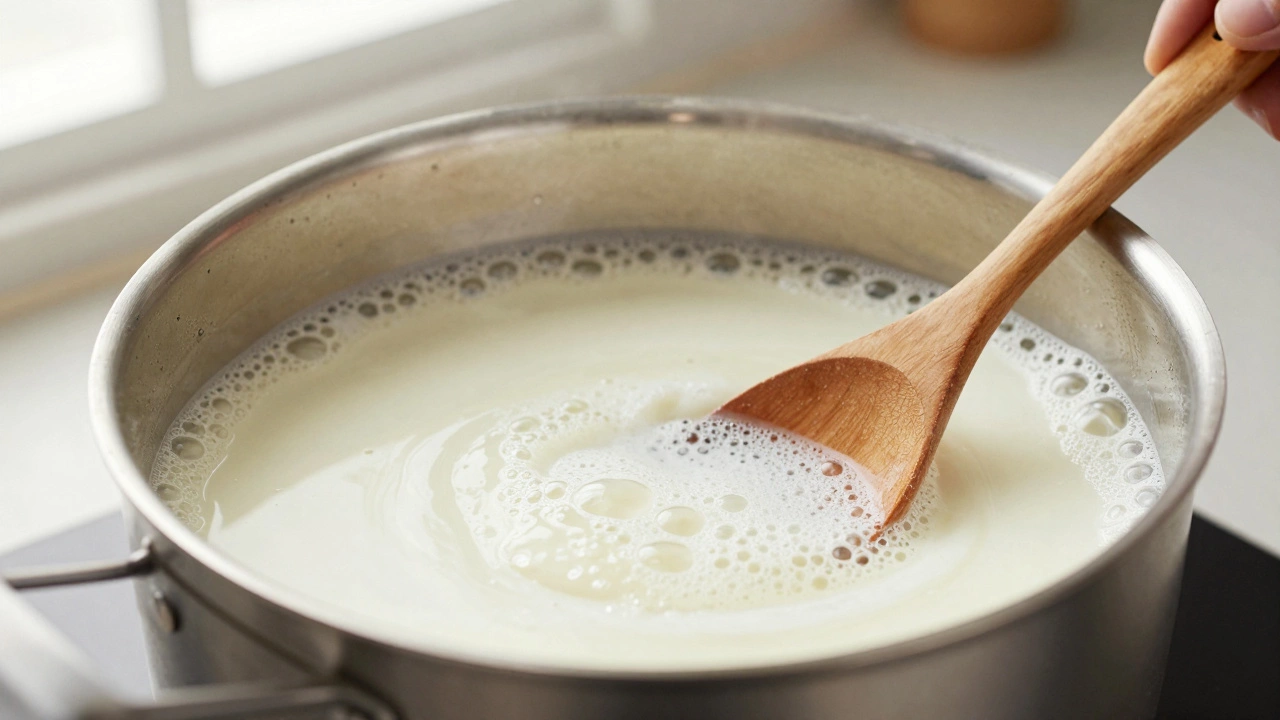
Why Is My Homemade Paneer Crumbly? Fix It With These Simple Steps
Homemade paneer turns crumbly due to overheating milk, wrong acid amount, or skipping the pressing step. Learn how to fix it with simple, proven techniques using full-fat milk and proper draining.
View More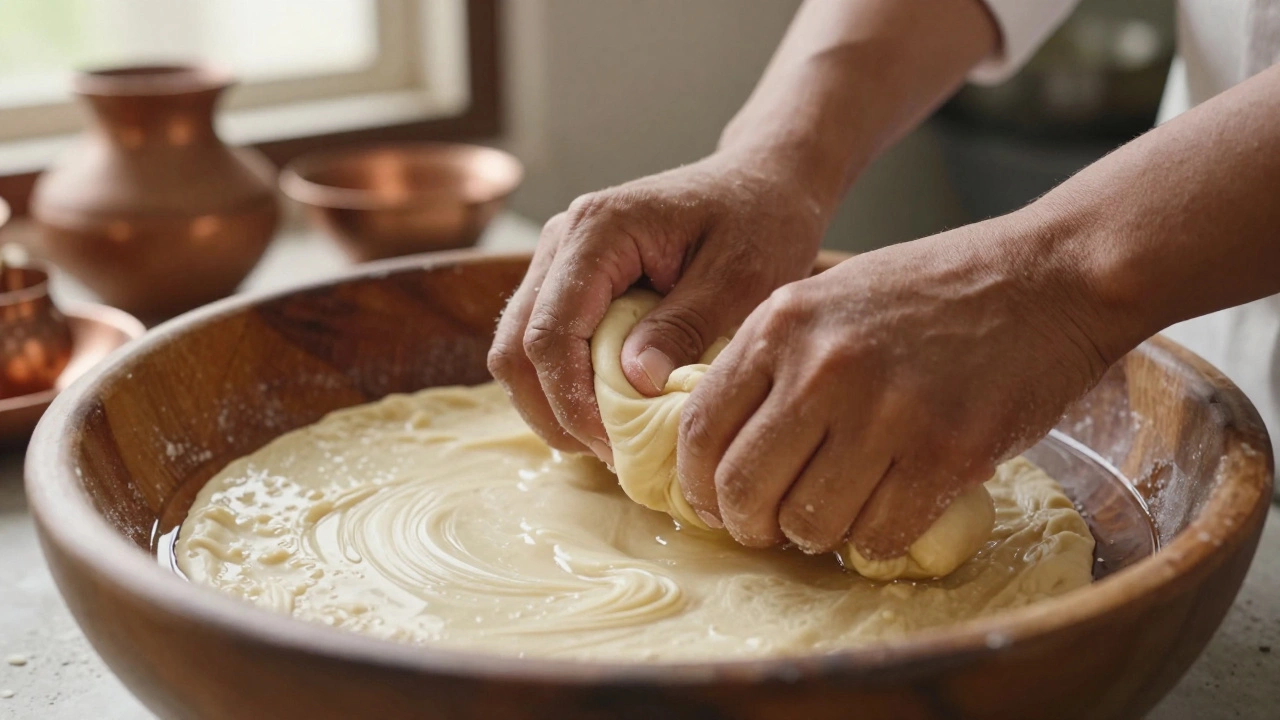
When to Add Oil to Roti Dough: Chapati vs. Paratha Explained
Discover why adding oil to roti dough is often a mistake. Learn the difference between chapati and paratha dough, and when to add oil for perfect flatbreads every time.
View More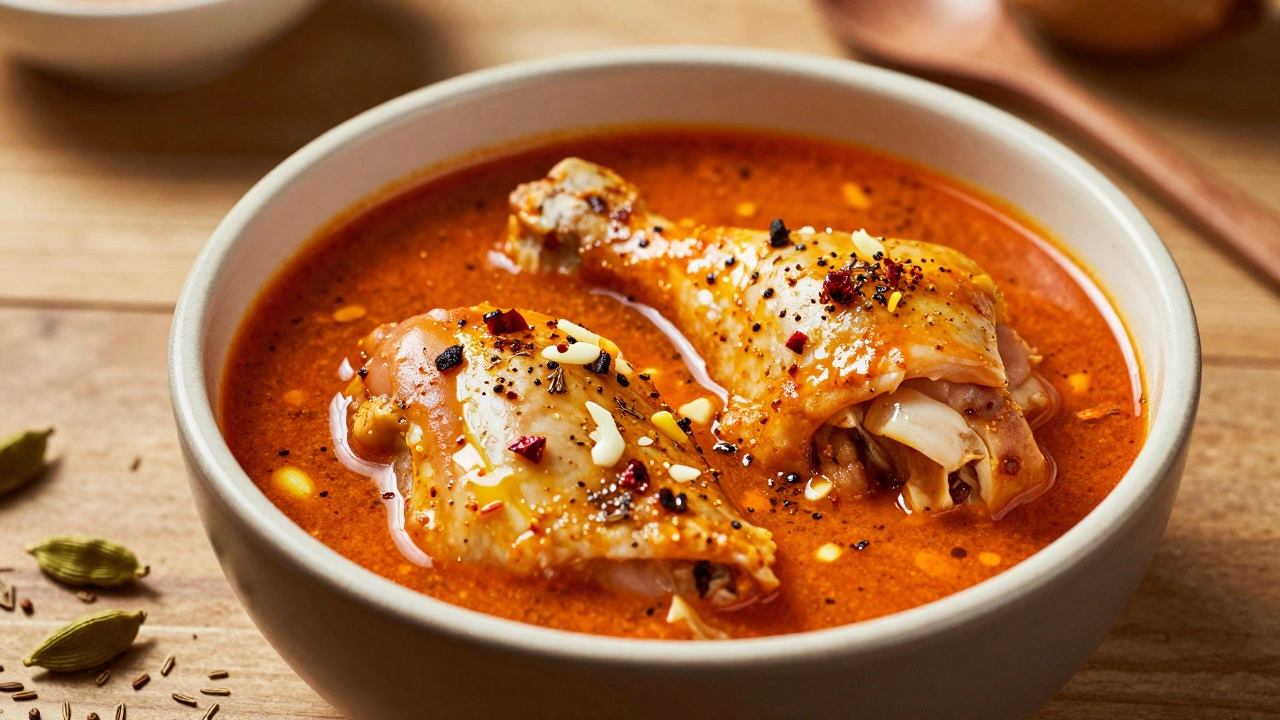
Best Chicken for Diabetics: Healthy Choices and Simple Prep
Tandoori chicken is one of the best chicken options for diabetics - low in carbs, high in protein, and packed with blood-sugar-friendly spices. Learn how to make it without sugar and pair it for stable glucose levels.
View More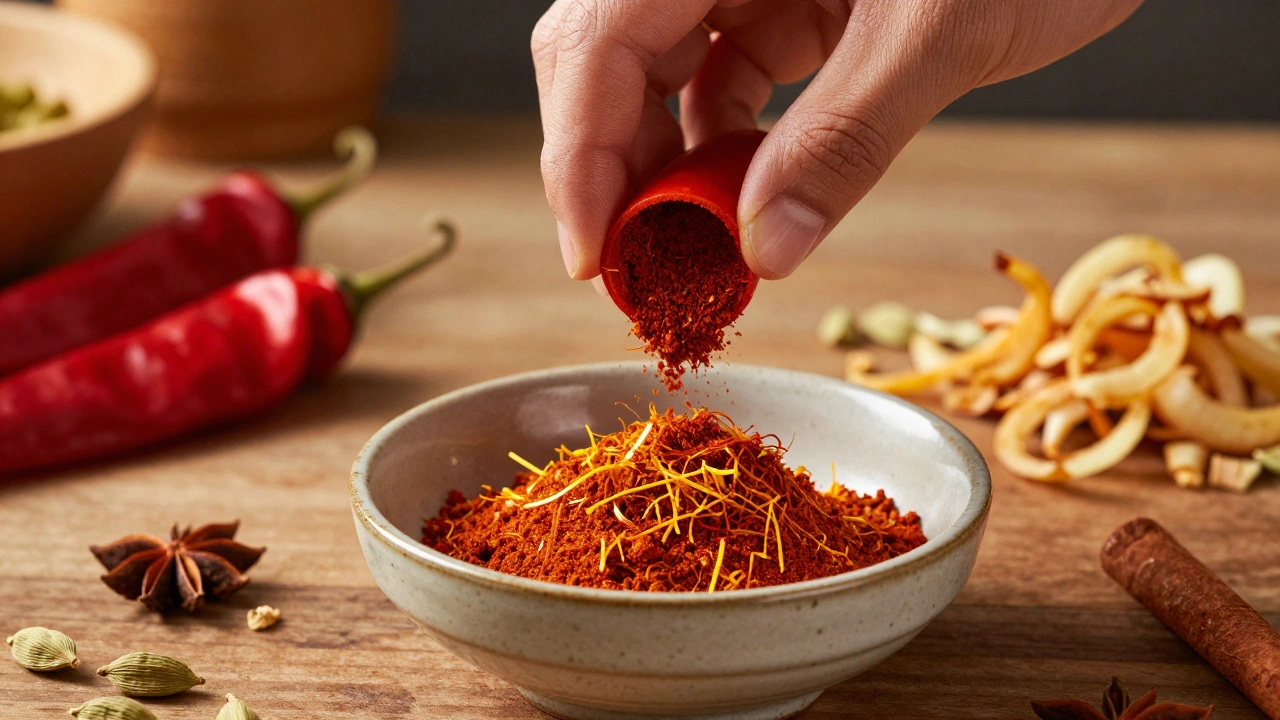
How to Balance Spice in Biryani: Fix Too Much Heat and Enhance Flavor
Learn how to balance spice in biryani without losing flavor. Fix over-spiced dishes with simple tricks using yogurt, sweetness, and layering techniques for perfect results every time.
View More
Why Do You Put Rice Over Roti? The Real Reason Behind This Common Kitchen Trick
Putting rice over roti isn't a mistake-it's a simple, proven trick to keep rotis soft for hours. Learn why this kitchen hack works and how to use it right.
View More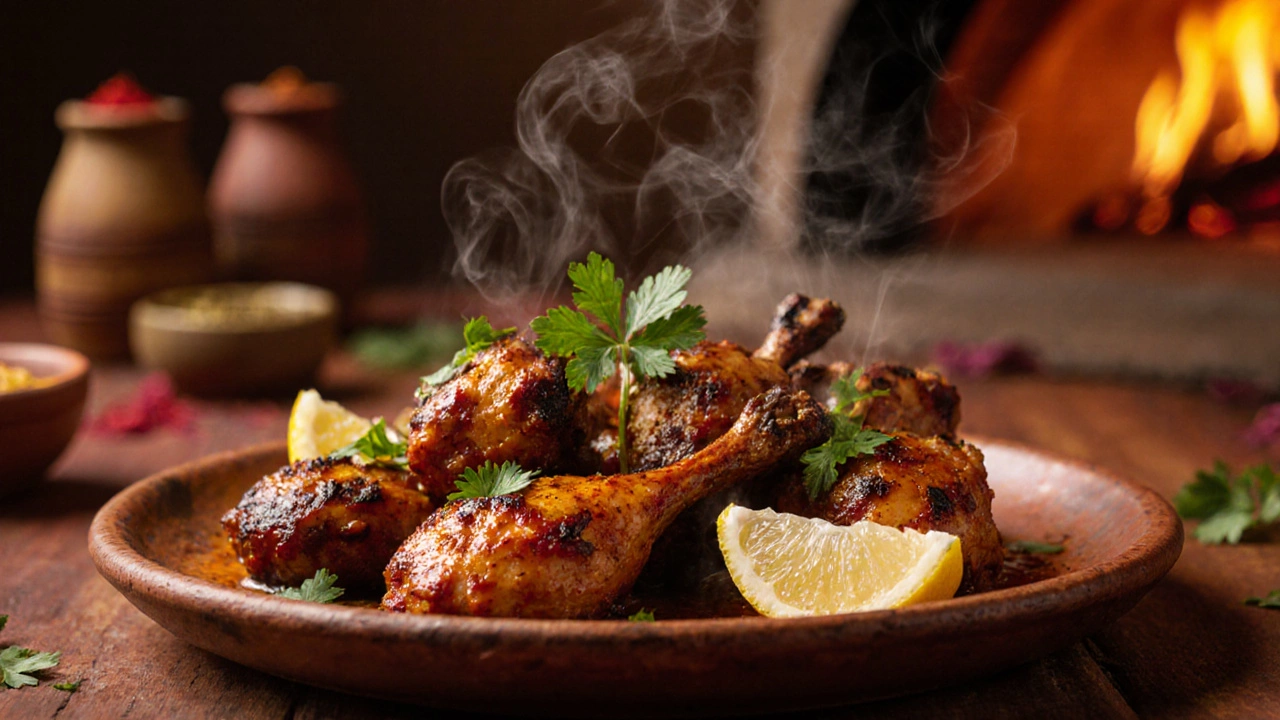
What Is the Healthiest Indian Food to Order? Top 5 Nutritious Choices
Discover the healthiest Indian foods to order at a restaurant, including tandoori chicken, chana masala, and dal tadka. Learn what to avoid and how to make smart choices for better nutrition.
View More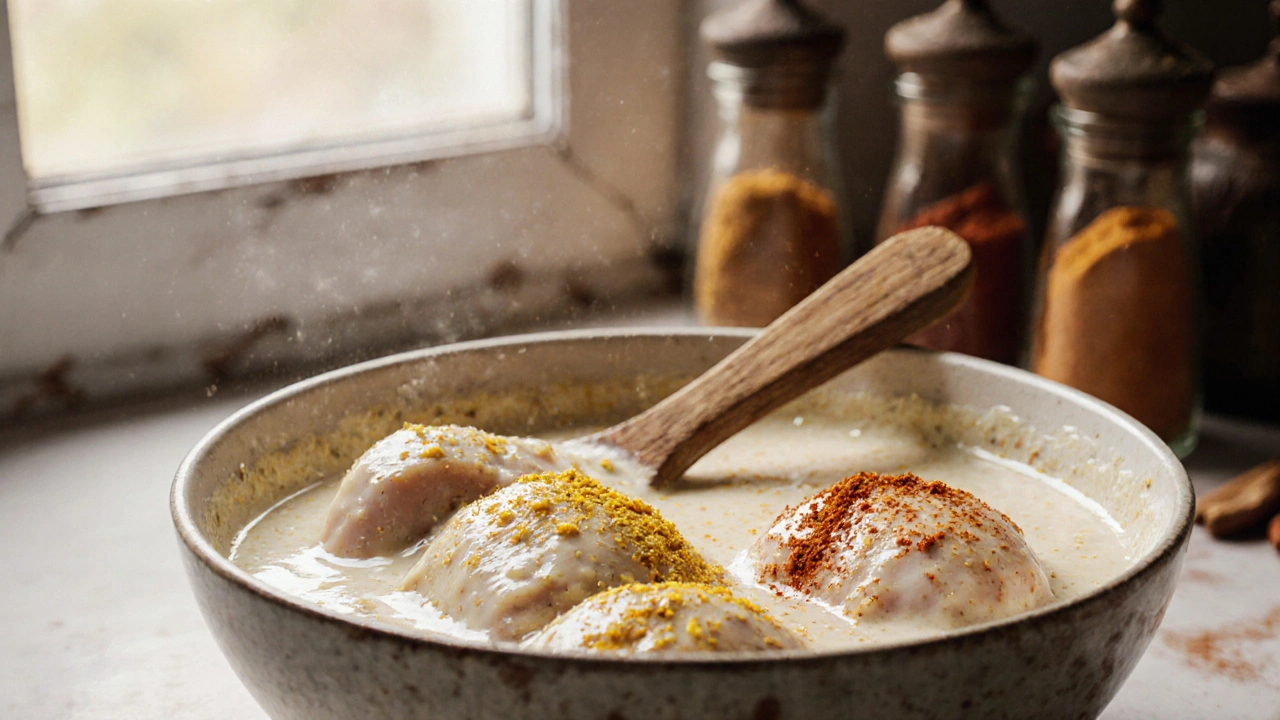
Can I Use Sour Cream Instead of Yogurt to Marinate Chicken?
Yes, you can use sour cream instead of yogurt to marinate chicken - but you need to thin it out first. Learn how to adjust the recipe so your tandoori chicken stays tender, flavorful, and not too greasy.
View More
What Not to Eat in India: Essential Food Safety Tips for Travelers
Discover which Indian foods and drinks to avoid for safe travel. Learn practical tips, hygiene signals, and a quick checklist to enjoy Indian cuisine without stomach trouble.
View More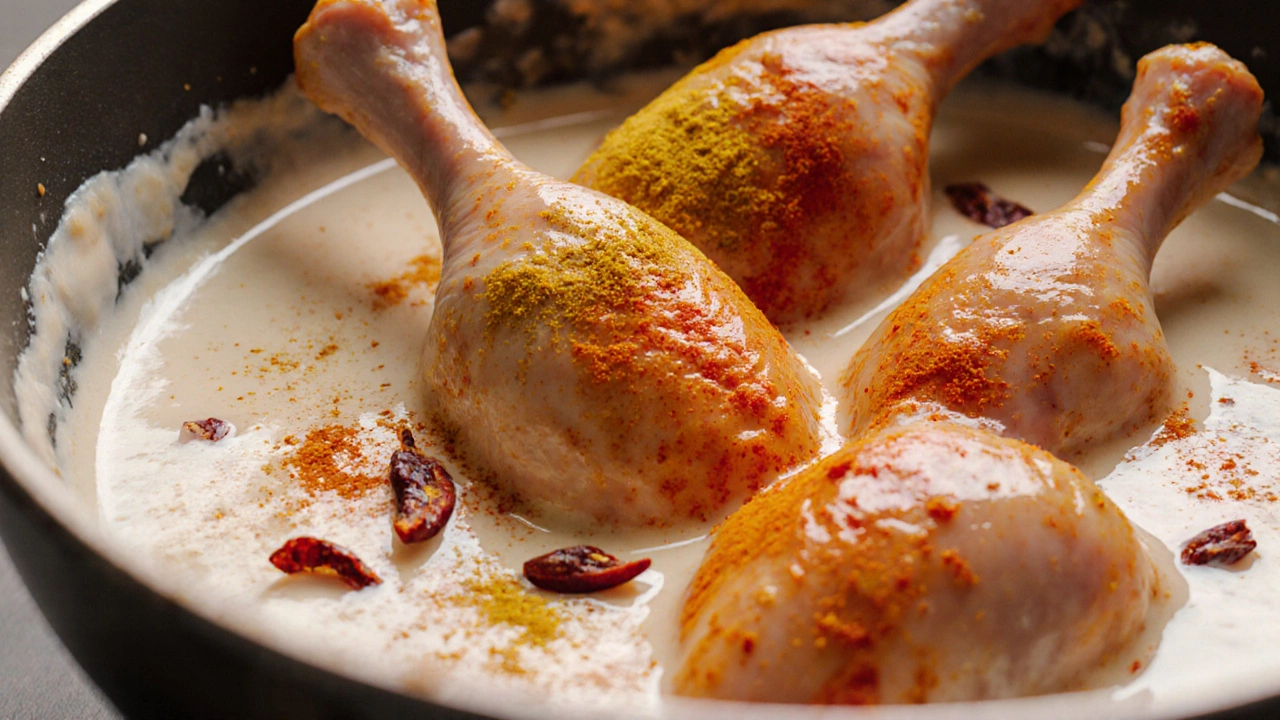
Why Is Tandoori Chicken Orange? The Science Behind Its Signature Color
Discover why tandoori chicken gets its signature orange hue, from spice pigments to cooking methods, and learn practical tips to perfect the color at home.
View More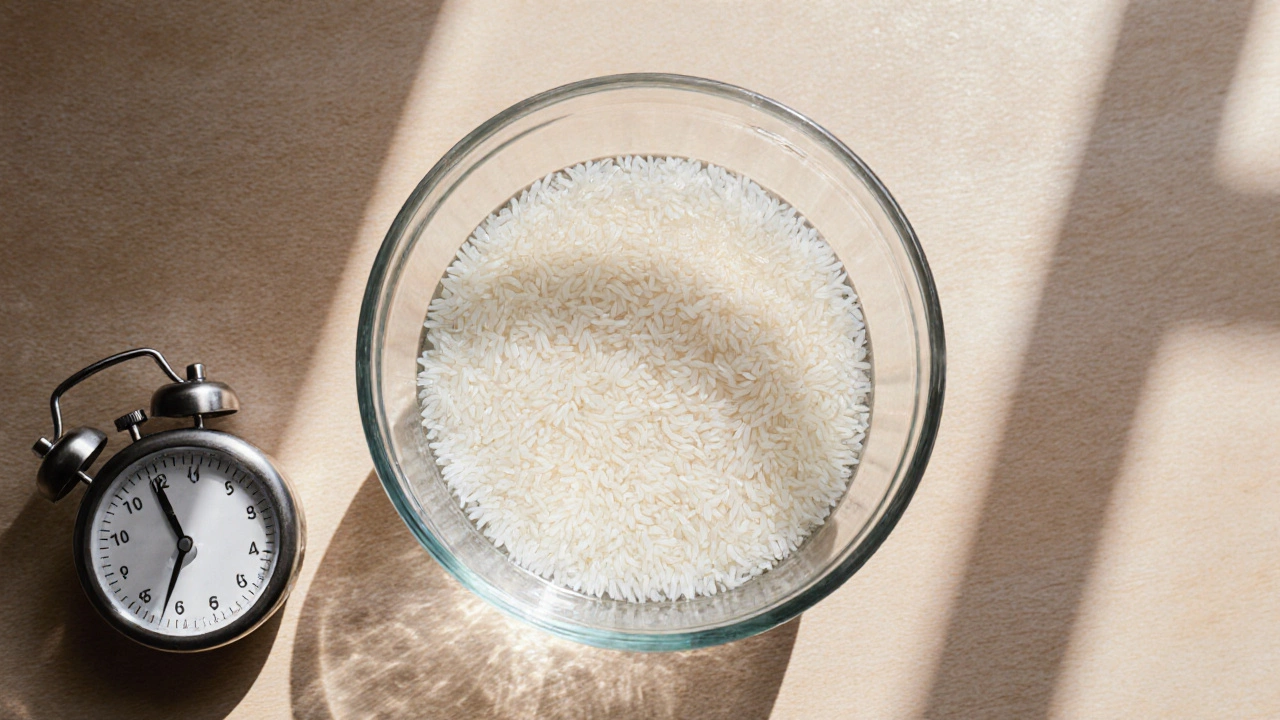
Perfect Soaking Time for Basmati Rice: How Long Should You Soak Before Cooking?
Learn the exact soaking time for basmati rice, why it matters, step‑by‑step instructions, and tips for different rice ages and cooking conditions.
View More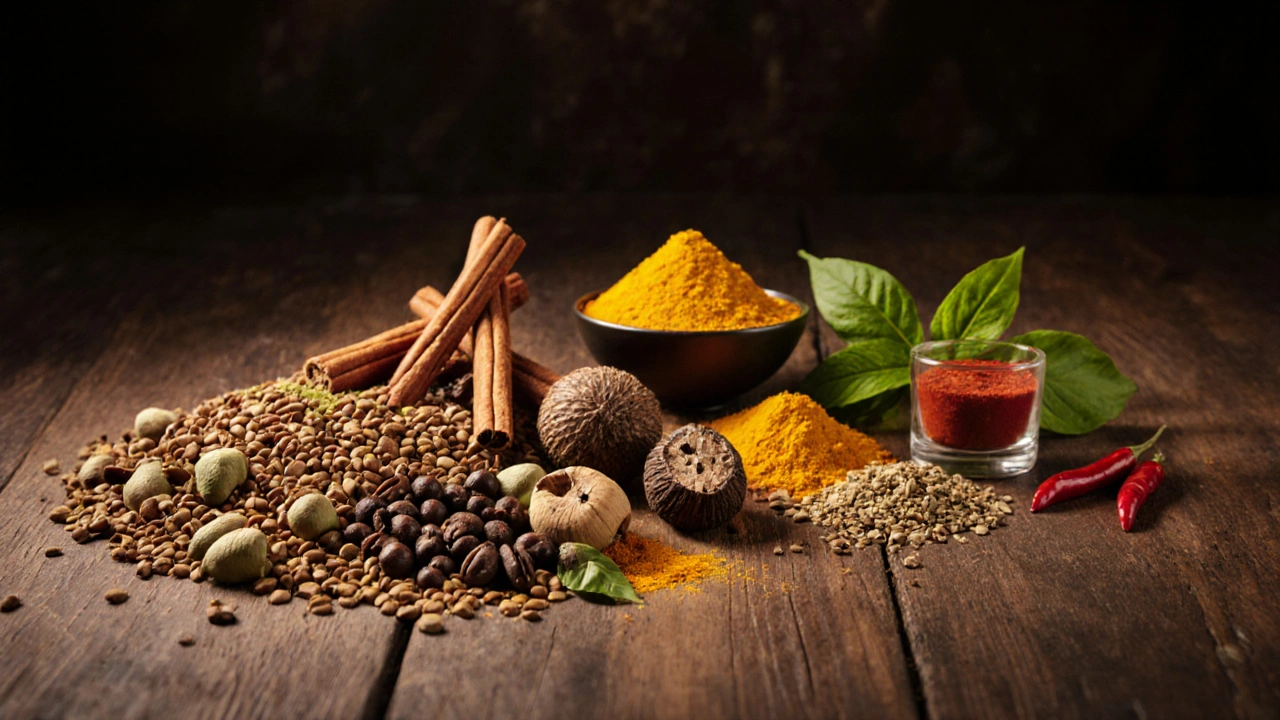
Spices Not Used in Garam Masala - Common Misconceptions Explained
Learn which spices never belong in a classic garam masala, why they’re excluded, and how to spot or craft an authentic blend.
View More
Which Country Serves the Healthiest Breakfast? A Nutrient‑Rich Comparison
Explore which nation offers the most nutrient‑dense breakfast, why it matters, and how to bring those wholesome habits into your own morning routine.
View More