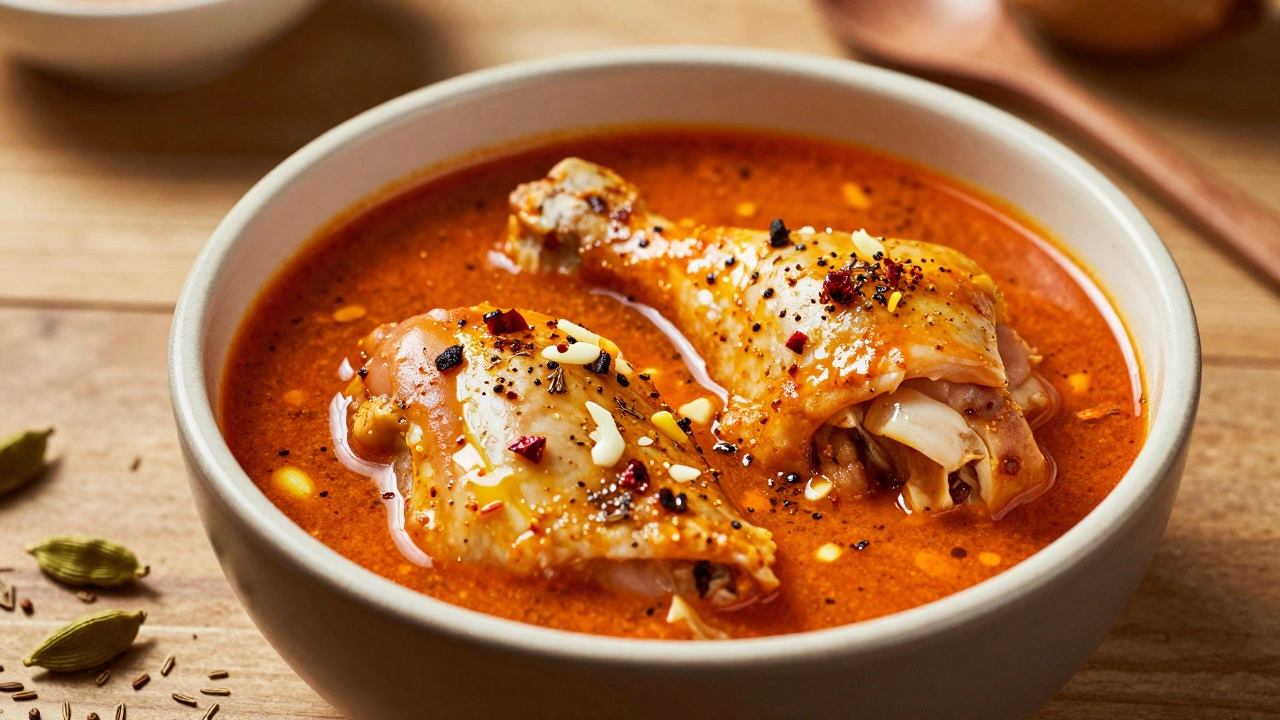
Diabetic Chicken Meal Carb Calculator
Meal Results
Total net carbs: 0g
Diabetes Tip: For optimal blood sugar control, aim for meals under 30g net carbs.
When you have diabetes, what you eat matters more than just how much you eat. Not all chicken dishes are created equal - some can spike your blood sugar, while others help keep it steady. The real question isn’t just chicken for diabetics, but which preparation keeps carbs low, avoids hidden sugars, and delivers clean protein without the extras that mess with your glucose.
Why Chicken Is a Smart Choice for Diabetics
Chicken is naturally low in carbohydrates and high in protein. That means it doesn’t cause rapid spikes in blood sugar like rice, bread, or sugary sauces do. A 3-ounce serving of skinless chicken breast has about 0g carbs and 26g of protein. That’s ideal for managing insulin response. But here’s the catch: how you cook it makes all the difference.
Many popular chicken recipes - even ones labeled "healthy" - are loaded with sugar, honey, or thick glazes. Think sweet and sour chicken, teriyaki, or store-bought barbecue sauces. These can pack 10-15 grams of sugar per serving. For someone with diabetes, that’s half a meal’s carb budget gone in one spoonful.
Tandoori Chicken: The Best Option for Diabetics
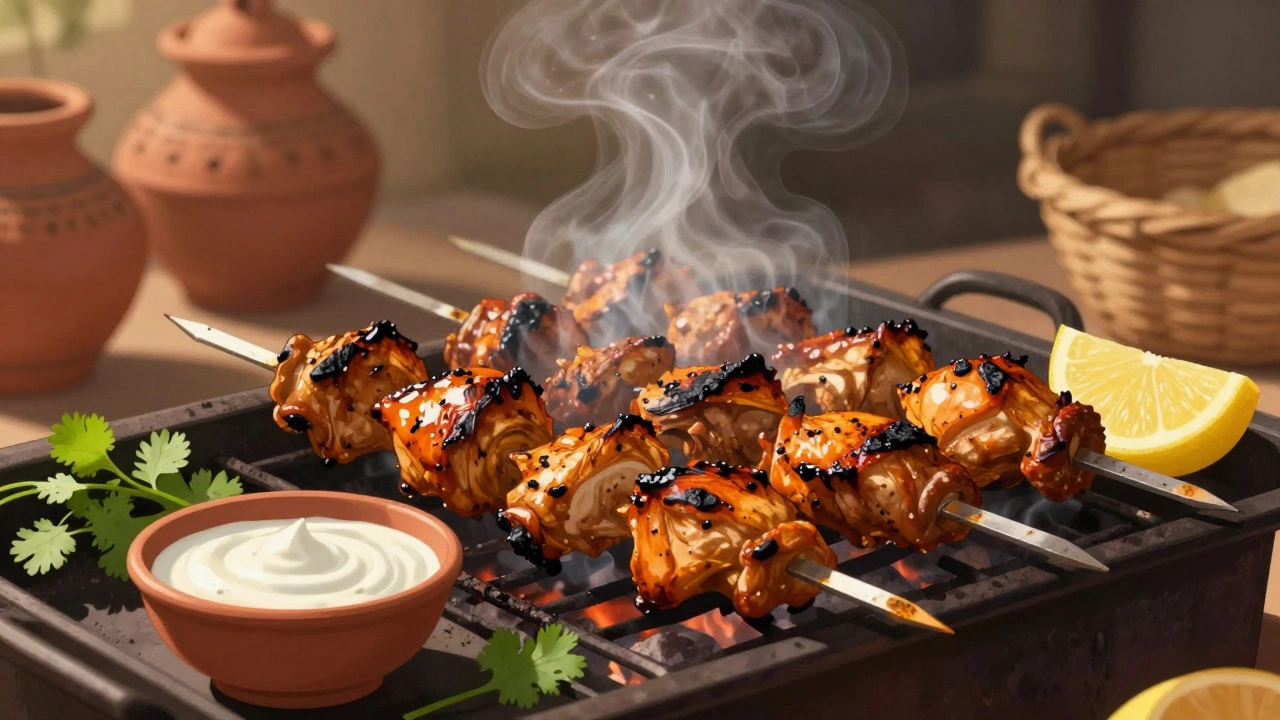
If you’re looking for a flavorful, satisfying chicken dish that won’t wreck your blood sugar, tandoori chicken is one of the top choices. Unlike fried or glazed versions, traditional tandoori chicken relies on yogurt, spices, and lemon juice for flavor - not sugar or syrup.
The marinade typically includes:
- Plain, unsweetened yogurt (full-fat or low-fat - both work)
- Garlic, ginger, and fresh lemon juice
- Spices like cumin, coriander, turmeric, paprika, and garam masala
- A pinch of cayenne for heat
No sugar. No honey. No corn syrup. Just bold flavor from natural ingredients. Even better, the yogurt helps tenderize the meat without adding carbs - one cup of plain yogurt has only 5-8g of natural lactose, which is far less than most fruit-based marinades.
A 2023 study in the Journal of Clinical Nutrition found that people with type 2 diabetes who ate grilled or roasted chicken with spice-based marinades (like tandoori) saw better post-meal glucose control compared to those eating breaded or glazed chicken. The spices themselves - especially turmeric and cumin - may even help improve insulin sensitivity over time.
What to Avoid
Not all chicken recipes labeled "Indian" are safe for diabetics. Watch out for these common traps:
- Butter chicken: Often made with cream, butter, and sugar-sweetened tomato sauce. A single serving can have 15g+ of carbs.
- Honey-glazed chicken: Even if it’s homemade, honey is still sugar. One tablespoon adds 17g of carbs.
- Fried chicken: Breading soaks up oil and adds carbs. Plus, frying increases inflammation - a big concern for diabetics.
- Pre-marinated chicken from the store: Check the label. Many brands add sugar, dextrose, or maltodextrin to enhance flavor.
If you’re buying pre-packaged chicken, always read the nutrition label. Look for ingredients like "sugar," "corn syrup," "honey," "molasses," or "dextrose." If any of those are in the top three, skip it.
How to Make Diabetic-Friendly Tandoori Chicken at Home
Making tandoori chicken that’s safe for diabetes is simple. Here’s how:
- Use skinless chicken thighs or breasts - thighs are juicier, breasts are leaner.
- Marinate in 1 cup plain Greek yogurt (unsweetened), 2 minced garlic cloves, 1 tbsp grated ginger, 1 tbsp lemon juice, 1 tsp ground cumin, 1 tsp ground coriander, 1 tsp turmeric, 1 tsp paprika, ½ tsp cayenne, and salt to taste.
- Let it sit for at least 4 hours, or overnight for deeper flavor.
- Grill on medium heat for 20-25 minutes, turning once, until internal temperature hits 165°F.
- Optional: Brush with a little olive oil before grilling for extra moisture.
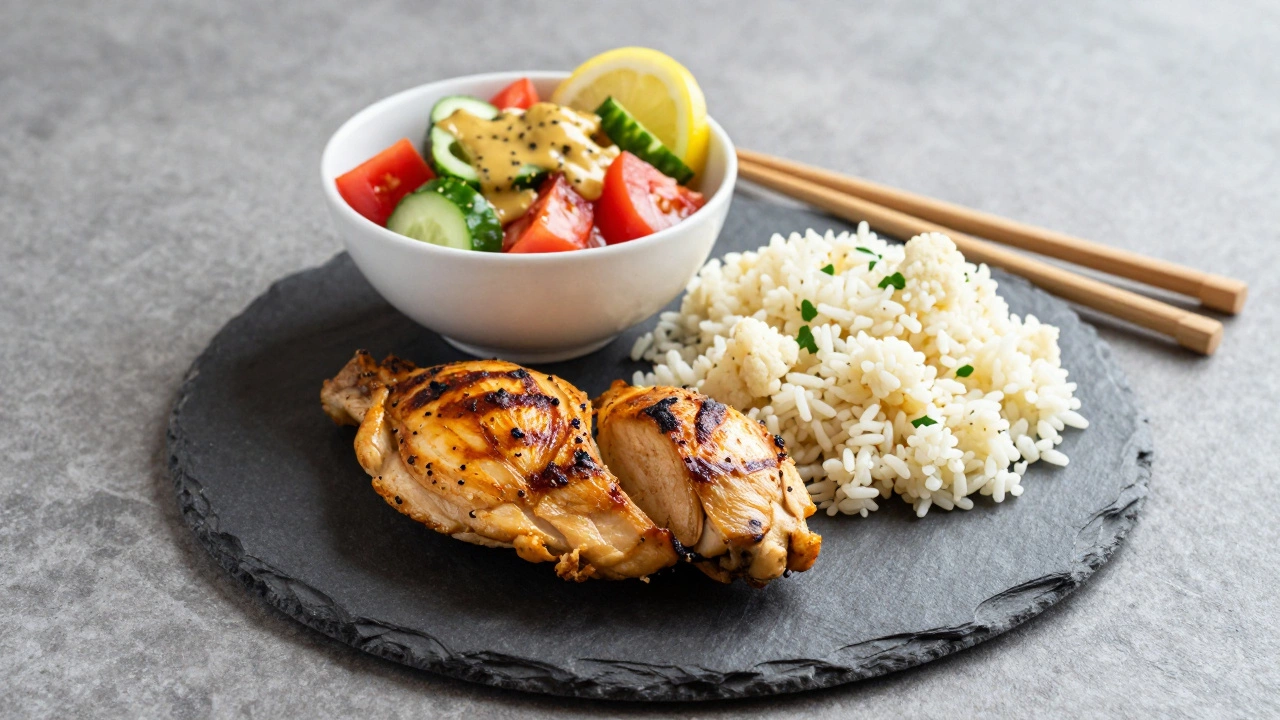
Don’t serve it with white rice or naan. Instead, pair it with:
- Cucumber-tomato salad with lemon vinaigrette
- Steamed broccoli or sautéed spinach
- A small portion of quinoa or cauliflower rice
This combo keeps your meal under 30g of net carbs - perfect for a balanced diabetic-friendly dinner.
Why This Works Beyond Blood Sugar
Managing diabetes isn’t just about avoiding sugar. It’s also about reducing inflammation, improving gut health, and supporting heart function. Tandoori chicken checks all these boxes.
Turmeric contains curcumin, which has been shown in multiple studies to reduce markers of inflammation linked to insulin resistance. Cumin helps slow down carbohydrate digestion, leading to slower sugar absorption. And yogurt provides probiotics that support a healthy gut microbiome - something increasingly tied to better glucose control.
Plus, this dish is naturally low in saturated fat. Unlike butter chicken or fried chicken, tandoori chicken doesn’t load you up with unhealthy fats that raise LDL cholesterol - a major risk for diabetics.
What About Chicken Skin?
Should you eat it? The short answer: skip it. Chicken skin is mostly fat - and while some fat is fine, the type matters. Skin contains saturated fat, which can worsen insulin resistance over time. Removing the skin cuts about 50-70 calories and 5-7g of fat per serving, with zero impact on flavor if you’ve marinated well.
If you’re watching your weight or have high cholesterol (common with type 2 diabetes), skinless is the clear winner.
Can You Eat Tandoori Chicken Daily?
Yes - if you’re mindful of portions and sides. A 4-ounce serving of tandoori chicken (about the size of a deck of cards) is perfect. You can eat it 4-5 times a week without issue. Rotate it with other lean proteins like fish, tofu, or lentils to keep your diet varied and nutrient-rich.
Just make sure your marinade stays sugar-free. Even small amounts of sugar added over time can add up - and slowly erode your progress.
Quick Tips for Success
- Always use plain, unsweetened yogurt - check labels for added sugar.
- Make a big batch on Sunday and refrigerate for quick meals all week.
- Use a food thermometer to avoid overcooking - dry chicken is less enjoyable.
- Pair with non-starchy vegetables to fill your plate and stabilize blood sugar.
- Drink water or unsweetened tea with your meal - avoid fruit juices or sugary drinks.
Real-Life Example: What Works for People
Meet Raj, 58, diagnosed with type 2 diabetes three years ago. He used to love butter chicken but saw his A1C climb to 8.2%. He switched to homemade tandoori chicken twice a week, swapped white rice for cauliflower rice, and added a side salad. In six months, his A1C dropped to 6.1%. He says, "I don’t feel like I’m on a diet. I just eat better. And I still get that smoky, spicy flavor I love."
That’s the goal: not restriction, but smarter choices.
Is tandoori chicken good for type 2 diabetes?
Yes, tandoori chicken is excellent for type 2 diabetes when made without sugar or creamy sauces. It’s high in protein, low in carbs, and packed with anti-inflammatory spices like turmeric and cumin. Just use plain yogurt and avoid honey, glazes, or store-bought marinades with hidden sugars.
Can diabetics eat chicken with curry sauce?
It depends on the sauce. Traditional curry sauces made with coconut milk, tomatoes, and spices are usually fine - but many restaurant versions add sugar, cream, or flour to thicken them. Always ask how it’s made or make your own using coconut milk, onion, garlic, and spices. Skip the cream and sugar.
What’s the best cut of chicken for diabetics?
Skinless chicken breast is the leanest option with the lowest fat and calories. Chicken thighs are juicier and more flavorful, and they have slightly more fat - but it’s mostly healthy unsaturated fat. Both are great as long as you remove the skin and avoid sugary marinades.
Does grilled chicken raise blood sugar?
Plain grilled chicken does not raise blood sugar because it contains zero carbohydrates. Any spike you feel after eating it likely comes from sides like rice, bread, or sugary sauces - not the chicken itself.
How often can diabetics eat chicken?
You can eat chicken 4-7 times a week as part of a balanced diet. Rotate it with other lean proteins like fish, beans, tofu, or eggs to get a variety of nutrients. Focus on how it’s prepared - grilled, baked, or roasted is best. Avoid fried or breaded versions.
Next Steps
If you’re just starting to manage diabetes through food, begin with one swap: replace your usual sugary chicken dish with homemade tandoori chicken this week. Track your blood sugar before and two hours after eating. You might be surprised how much better you feel - and how stable your numbers become.
Remember, you don’t have to give up flavor to stay healthy. The spices, herbs, and techniques used in Indian cooking are some of the most powerful tools you have - if you use them right.