Indian Bread: Types, Traditions, and How They Fuel Everyday Meals
When you think of Indian food, you might picture curries or spices—but the real star of most meals is something simpler: Indian bread, flatbreads made from wheat, rice, or other grains, cooked on a griddle, tandoor, or open flame. Also known as roti, chapati, or phulka, these breads aren’t just carriers for curry—they’re the reason the meal feels complete. In homes from Punjab to Kerala, a plate of food isn’t served without bread. It’s used to scoop, soak, wrap, and savor. No fork needed.
Not all Indian bread is the same. Roti, a simple, unleavened flatbread made from whole wheat flour and water, is eaten daily by over a billion people. It’s the quiet workhorse of Indian kitchens. Then there’s paratha, a layered, often stuffed bread fried with ghee or oil—crispy on the outside, soft inside, and sometimes filled with potatoes, paneer, or spices. In the north, naan, a leavened bread baked in a tandoor rises tall and pillowy, brushed with butter and eaten with rich curries. Each type has a story, a region, and a ritual tied to it.
These breads aren’t just food—they’re culture. Roti is made fresh every day in rural homes, often by hand, rolled thin with a rolling pin and flipped on a hot griddle. Parathas are weekend treats, made slowly, with care. Naan is restaurant magic, but you can make it at home with yogurt and yeast. Even the way you eat it matters: tearing by hand, not cutting. Using it to pick up lentils, not spooning them. That’s the rhythm of Indian meals.
You’ll find Indian bread in breakfasts like paratha with pickle, in lunches with dal and vegetables, and even in snacks like bread pakora. It’s the bridge between spice and sustenance. Whether you’re eating simple roti with yogurt or buttery naan with butter chicken, the bread holds it all together. And if you’ve ever wondered why Indian meals feel so satisfying, the answer isn’t just the spices—it’s the bread.
Below, you’ll find real recipes, comparisons, and stories from kitchens across India—how to make perfect roti, why your dosa batter turns grainy, what makes paratha flaky, and why some families never use oil in their bread. These aren’t fancy restaurant tricks. These are the everyday truths of Indian cooking.
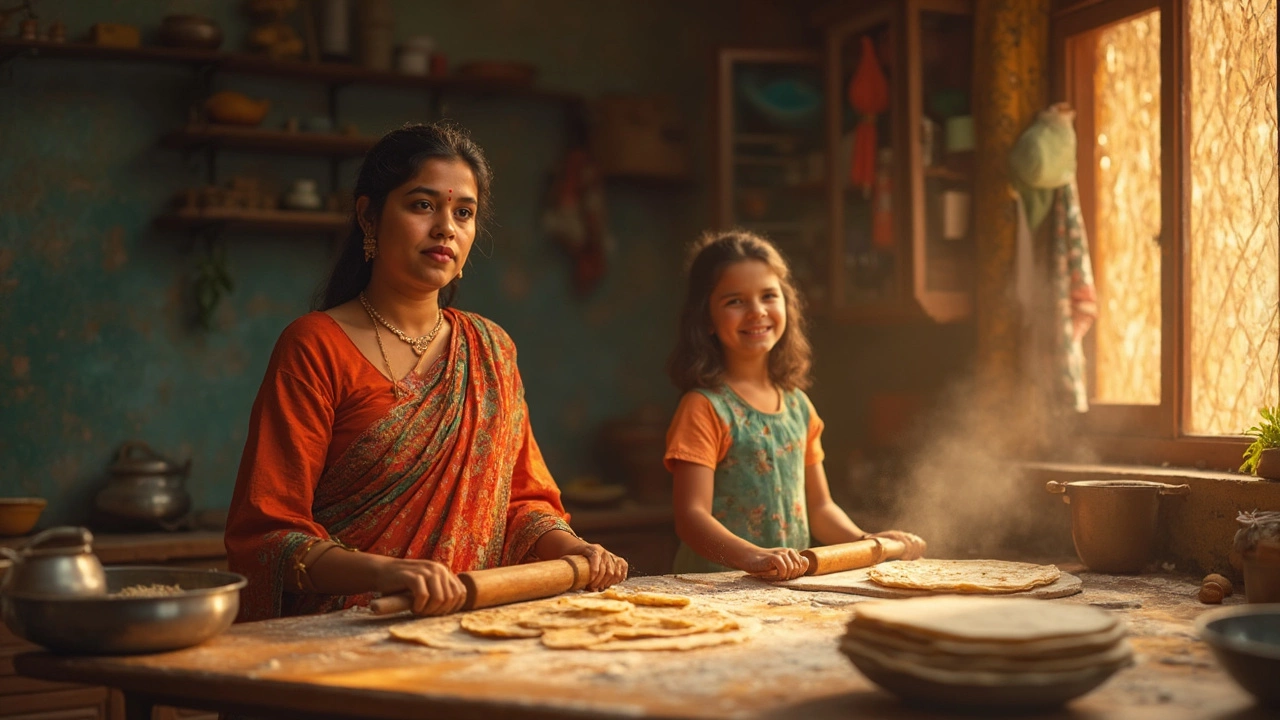
Chapati vs Roti: What's the Real Difference?
Ever wondered if chapati and roti are actually different? This article cuts through the confusion, breaking down how chapati and roti are made, how they taste, and where they come from. You'll find out if you really need to stress about calling your bread a chapati or a roti. Grab some simple tips for rolling and cooking the perfect flatbread. After reading, you'll never hesitate in the kitchen again.
View More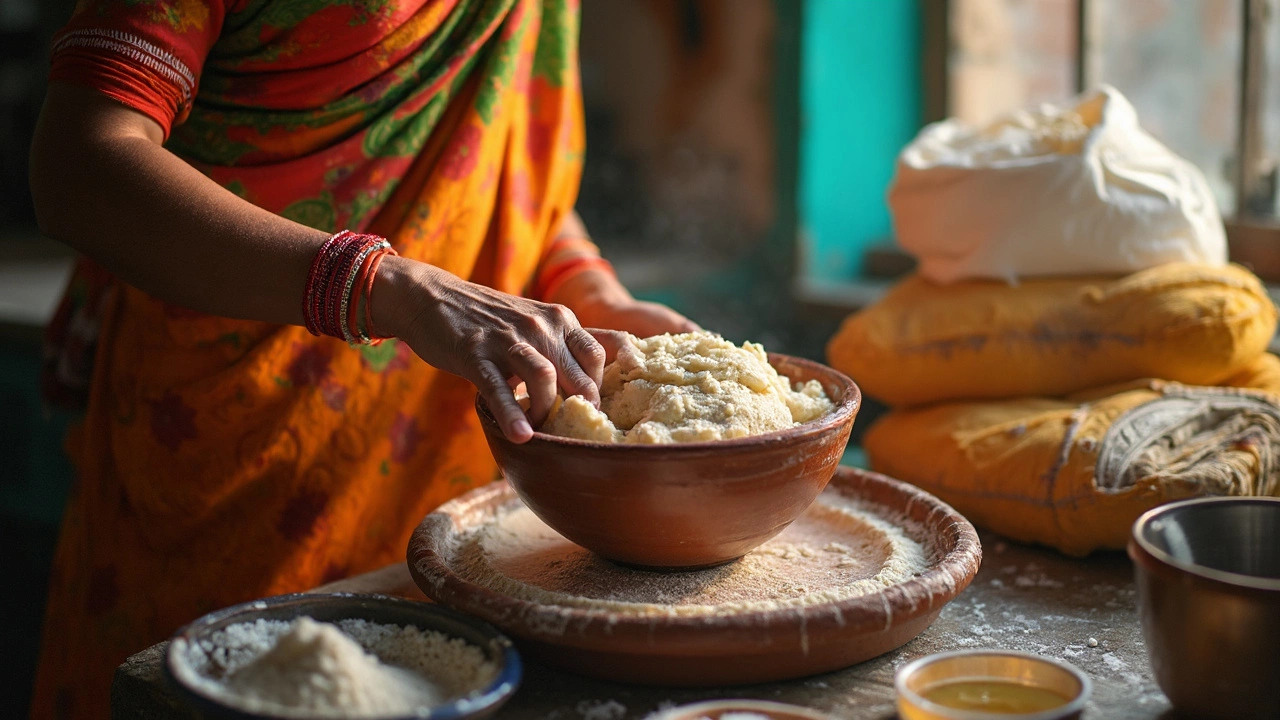
Soft Dough Secrets: The Key to Perfect Roti Every Time
Curious about why your rotis never turn out as soft as you'd like? This article reveals the often-overlooked details that make all the difference when kneading dough for roti. You'll find practical tips backed by kitchen-tested experience, from flour choices to how long to let the dough rest. Expect relatable advice and specific hacks you can start using today. Get ready to say goodbye to hard rotis for good.
View More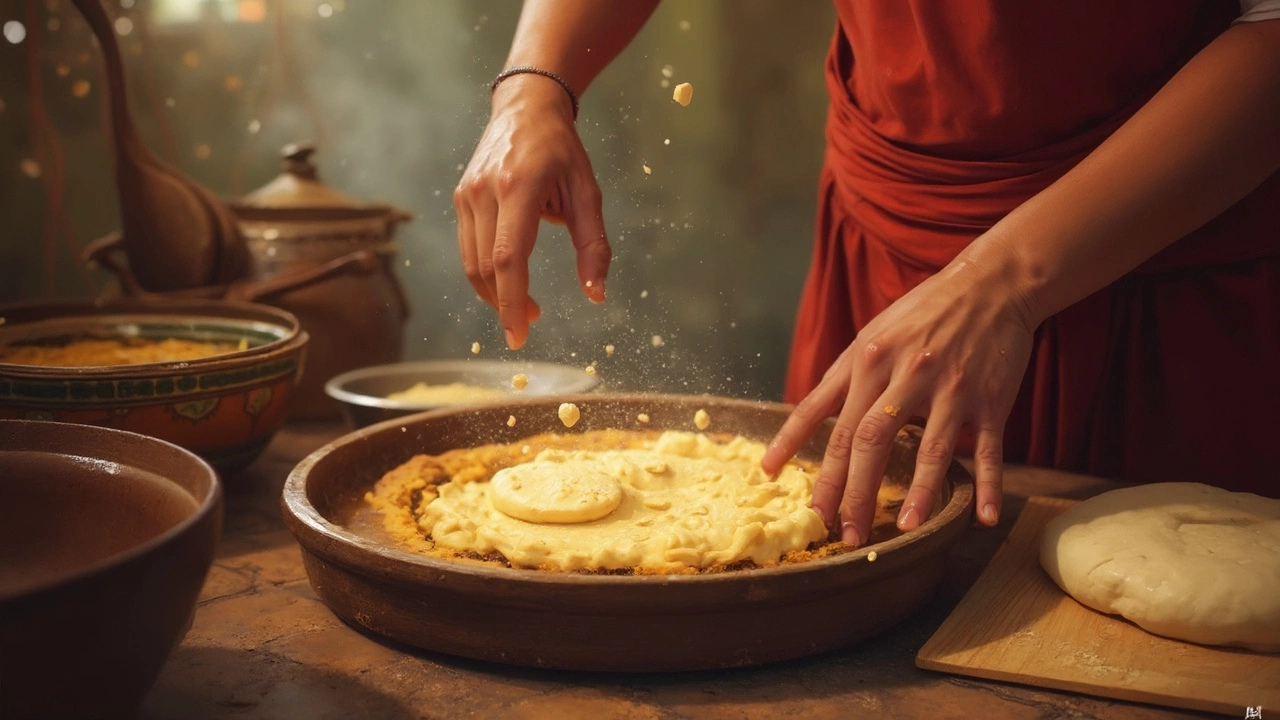
Why Are My Rotis Not Soft? Discover the Secrets to Fluffy Perfection
Struggling with your rotis turning out anything but soft isn't uncommon, but it can be fixed with a few simple tweaks. From kneading techniques to dough consistency, learn how to transform your rotis into soft, fluffy rounds. We'll explore common pitfalls and provide practical tips to elevate your roti game. With our handy guide, enjoy soft and delicious rotis every time.
View More