Chutney Recipes: Authentic Indian Flavors and How to Use Them
When you think of chutney, a thick, flavorful condiment from India made from fruits, vegetables, herbs, and spices. Also known as chatni, it’s not just a side—it’s the flavor booster that turns a simple meal into something unforgettable. Whether it’s tangy tamarind, spicy green mint, or sweet mango, chutney brings balance to everything it touches. You’ll find it beside samosas, dolloped on dosas, or even mixed into sandwiches. But here’s the thing: most people don’t realize how deep this world goes. Chutney isn’t one thing. It’s a whole family of tastes, each shaped by region, season, and tradition.
What makes Indian chutney different from something like salsa or relish? It’s the layering. Indian chutney, a cornerstone of South Asian meals, often combines sweet, sour, spicy, and salty in one bite. You might not know that bananas can make chutney better for your gut, or that cooling it before jarring isn’t just tradition—it’s science. And if you’ve ever tasted a bitter chutney and thought it was ruined, you’re not alone. The good news? You can fix it. There are tricks, real ones, that take the harsh edge off without throwing it out. Even in America, people are starting to call it by its name instead of just "spicy spread." And in Britain, Branston Pickle isn’t just a pickle—it’s a cultural icon, a type of chutney that’s been on dinner tables for over a century.
So what’s in your chutney? Is it fresh cilantro and green chilies? Roasted coconut and tamarind? Or maybe ripe mango and jaggery? Each version tells a story. And if you’ve ever wondered what chutney actually tastes like—really tastes like—you’re not just asking about flavor. You’re asking about texture, balance, and how it makes you feel when you eat it. That’s why this collection isn’t just about recipes. It’s about understanding how to use chutney, how to save it when it goes wrong, how to pair it right, and why some ingredients work better than others. You’ll find out why cooling matters, how to tell if your chutney is still good, and even if salsa could be considered a cousin of chutney. No fluff. No guessing. Just clear, practical knowledge that turns your kitchen into a place where bold flavors come alive.
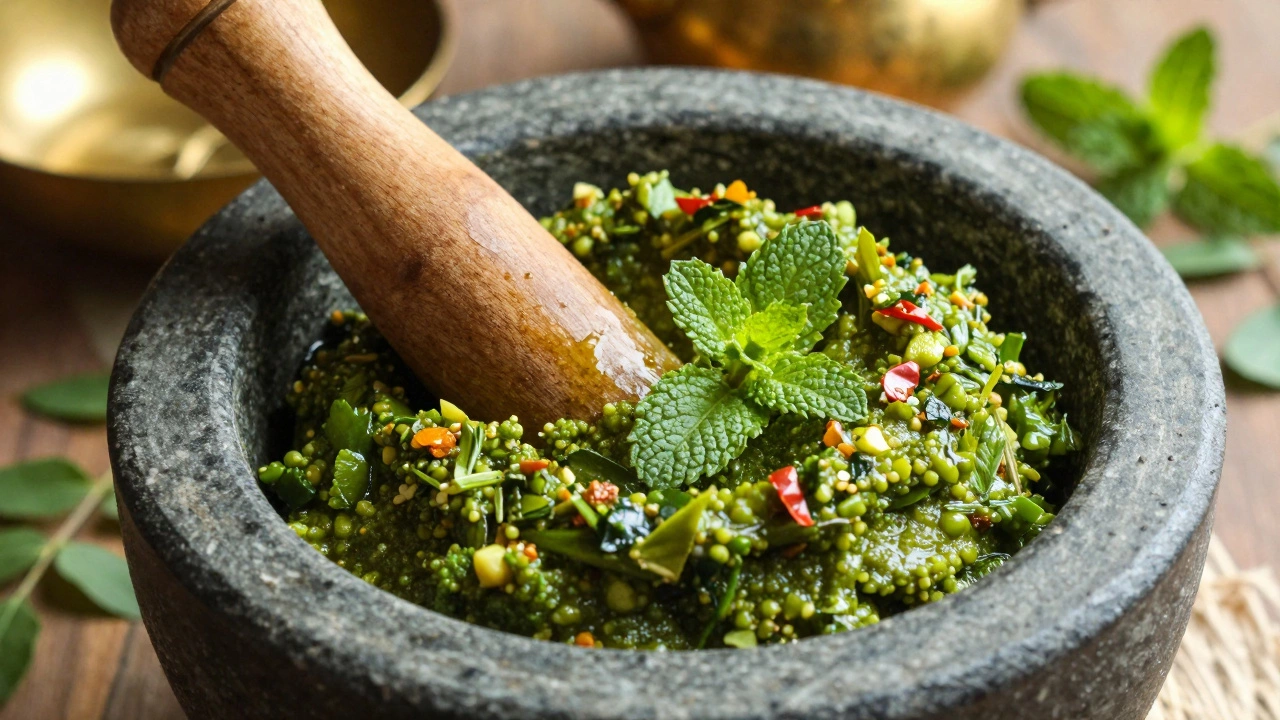
What Is Chutney Called in English?
Chutney doesn't have an English name because it's a unique Indian condiment with its own flavor profile. Learn why terms like 'sauce' or 'relish' don't capture what chutney really is.
View More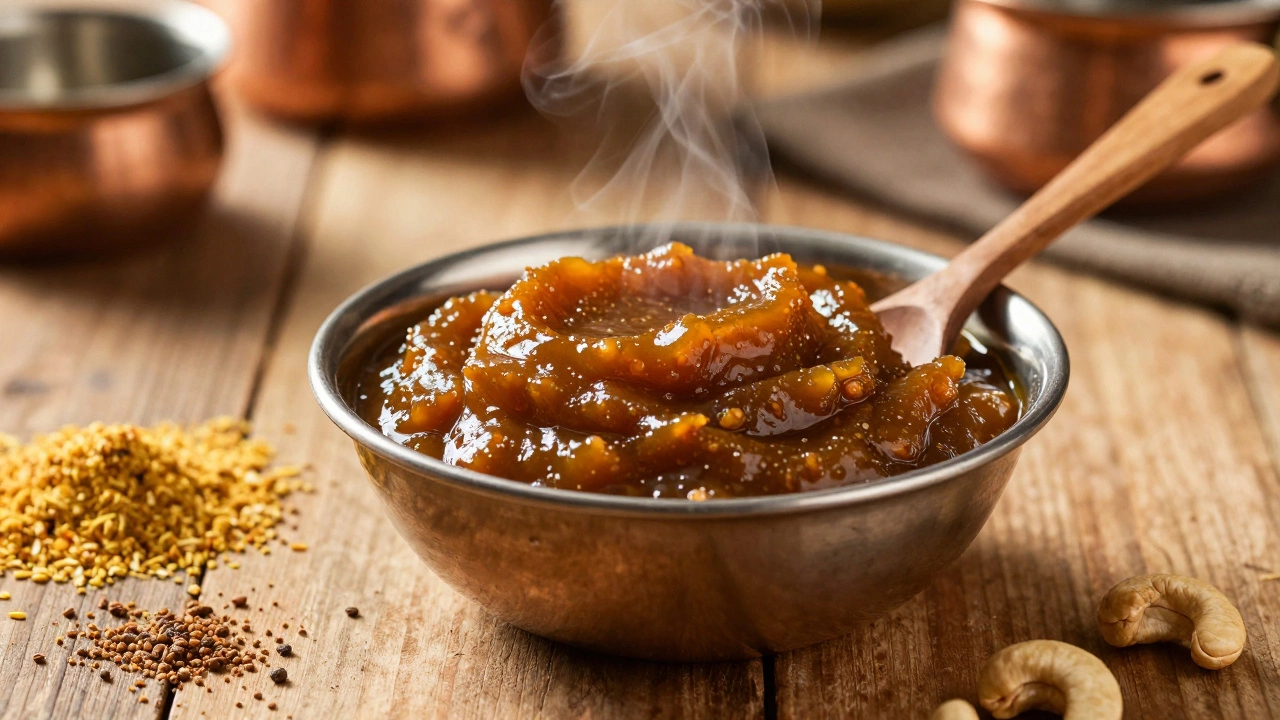
What Is a Thickening Agent for Chutney? Top Options That Actually Work
Learn the best natural thickening agents for chutney-besan, ground coconut, rice flour, and roasted nuts-that add body without altering flavor. No starches, no gums, just real food that works.
View More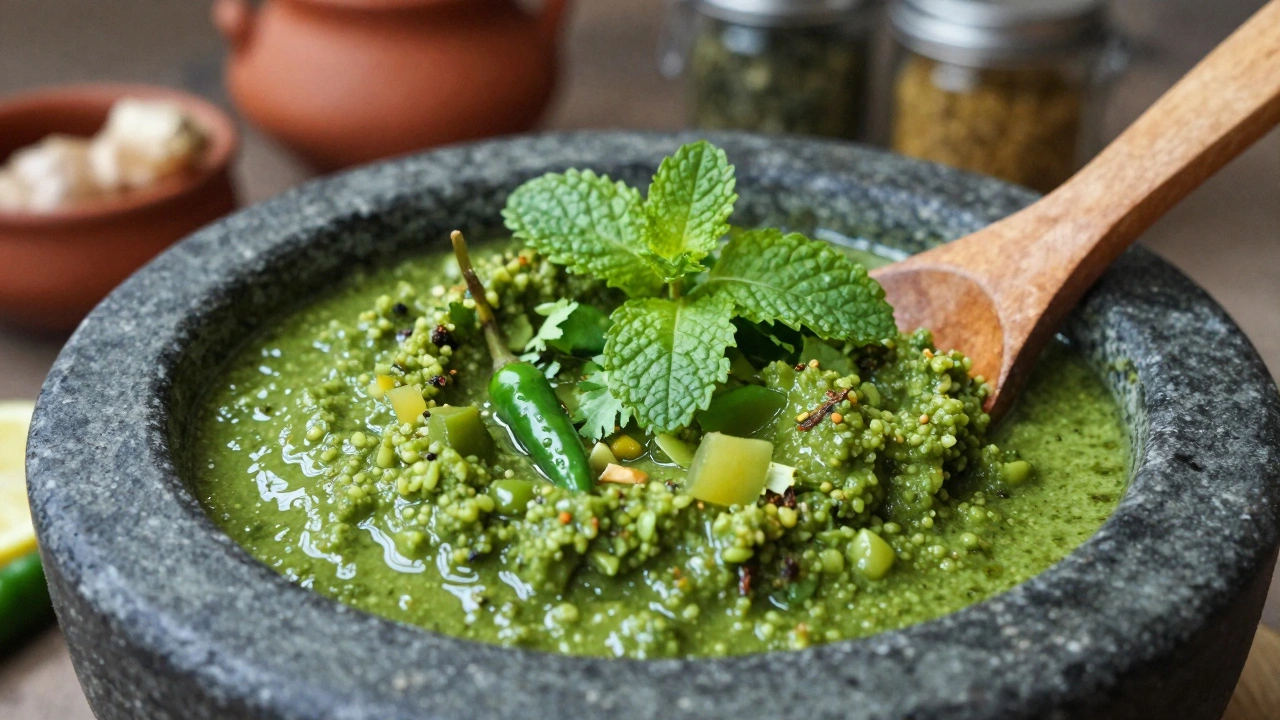
What's the Difference Between a Chutney and a Relish?
Chutney and relish may look similar, but they're worlds apart in flavor, texture, and origin. Learn how to tell them apart and use each one the right way.
View More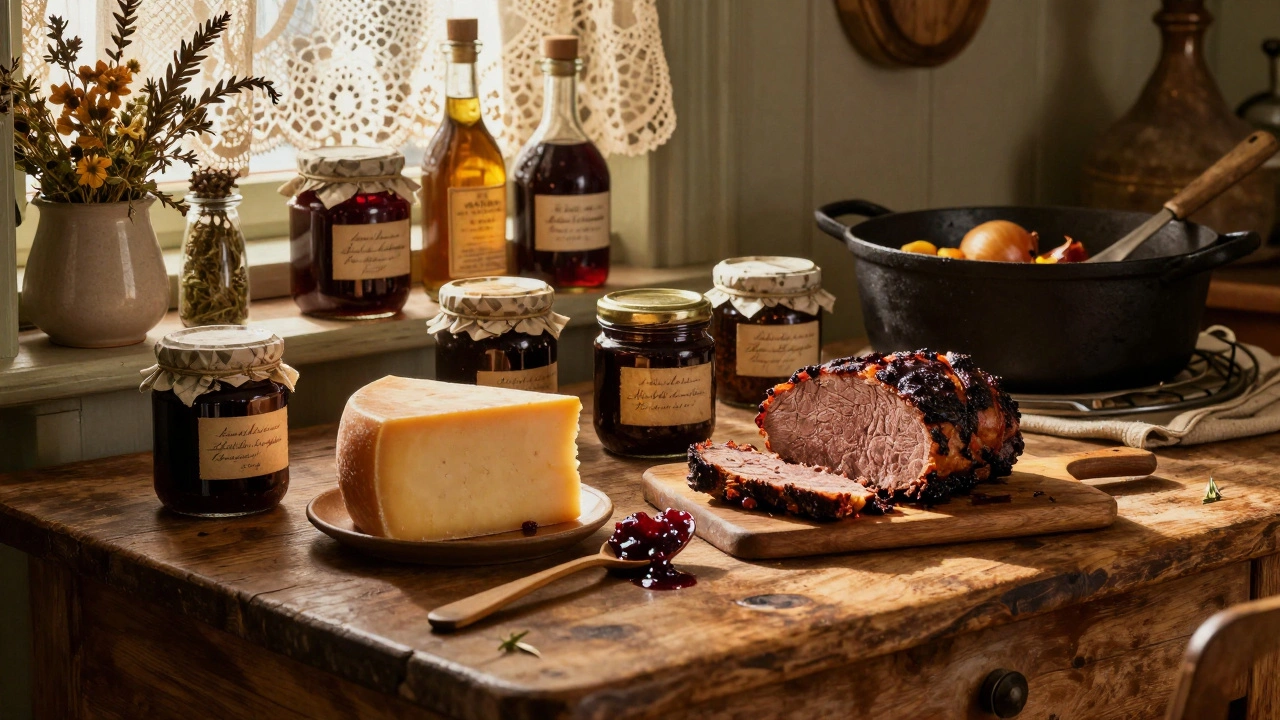
What Is English Chutney? The Surprising History and How It’s Different from Indian Chutney
English chutney is a sweet, spiced preserve made from fruit and vinegar, distinct from Indian chutney. Learn its history, ingredients, and how to use it with cheese, meats, and sandwiches.
View More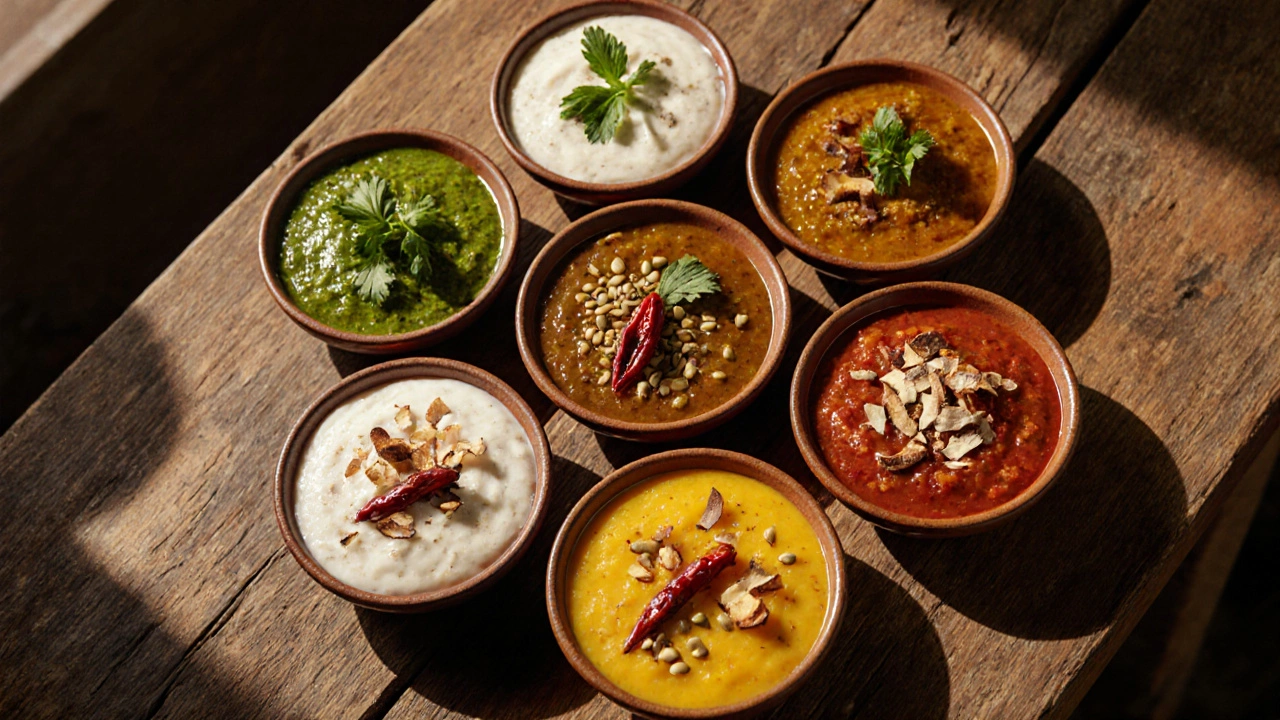
How to Eat Indian Chutney: Pairing Tips & Serving Ideas
Learn how to serve, pair, store, and revitalize Indian chutney with practical tips, quick hacks, and a handy comparison table.
View More
How to Remove Bitterness from Chutney Fast
Too much bitterness can ruin a chutney, but it's not the end of the world. This guide shares practical tricks for taking that harsh edge out of your chutney without having to throw it away. You'll find out why chutney gets bitter, what ingredients and tweaks make a real difference, and learn some smart ways to balance the taste. Plus, there are mistakes to avoid so you don't make it even worse. Save your homemade chutney and get it back to delicious.
View More
What is Chutney Called in America? Understanding the Sweet and Spicy Spread
Ever wondered what Americans call chutney or how it’s used outside India? This article explores the names and uses of chutney in the United States, breaking down how it's found in stores, on menus, and in home kitchens. Discover the differences between Indian chutney and American relishes or preserves. Learn practical tips for using and making chutney-style spreads at home. If you've been confused by words like 'relish,' 'spread,' or even 'salsa,' you'll finally get some answers.
View More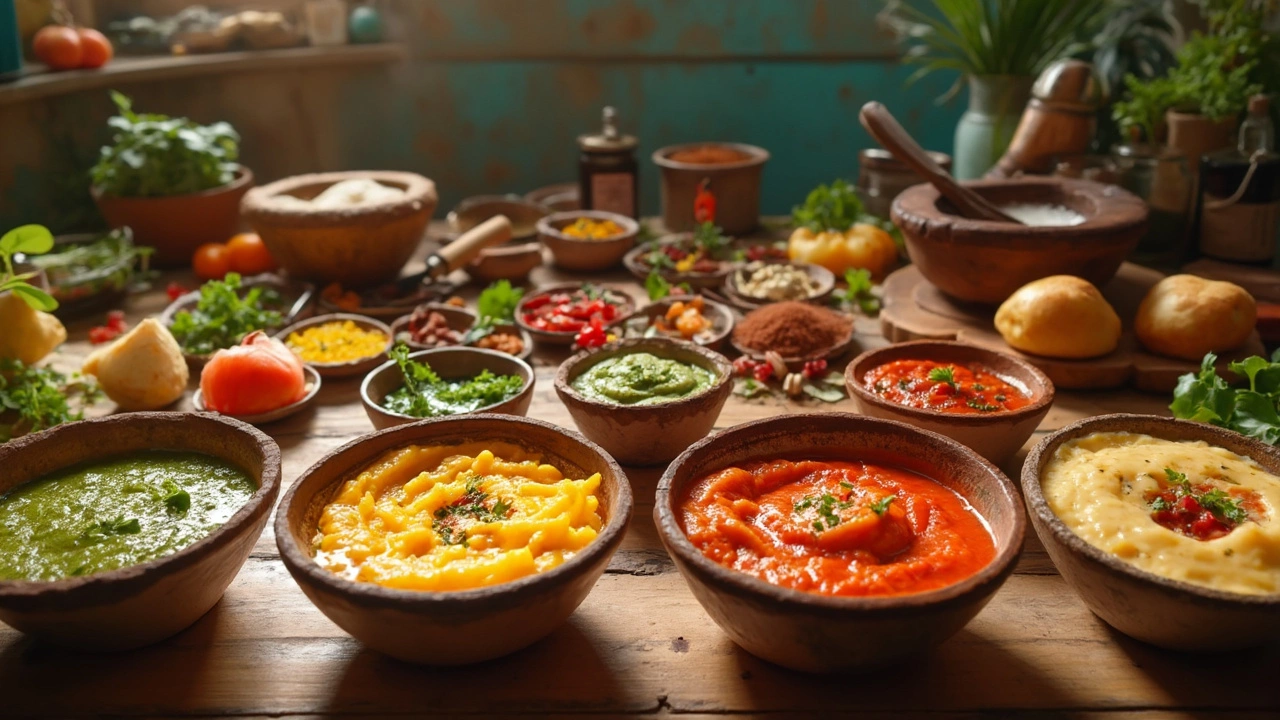
What Does Chutney Taste Like? Honest Flavors Explained
Chutney packs a punch of flavors, but what does it really taste like? This article breaks down what to expect from different chutneys, the ingredients that shape their distinct tastes, and which foods they pair best with. Find out how chutneys range from sweet to spicy and everything in between. Discover tips for choosing and using chutneys in your own recipes. Unlock the secrets to making chutney your new kitchen staple.
View More
Famous English Chutney: The Truth Behind Britain's Most Beloved Preserve
Ever wondered which chutney takes the spotlight in English kitchens? This article unpacks the history, popularity, and flavors of the famous English chutney that has stood the test of time. Discover what makes Branston Pickle a staple next to cheese, pies, and sandwiches across Britain. Get the inside scoop on what goes into a classic batch and how you can make it at home. Plus, find tips for getting the perfect tang and crunch in every spoonful.
View More
Do Chutneys Need to Cool Before Putting in Jars? What Every Home Cook Should Know
Ever wondered if you should let your homemade chutney cool before jarring? This article answers exactly that and breaks down the science behind cooling and jarring chutneys. Learn the do's and don'ts for safely storing chutney at home. You'll find tips for keeping your chutney fresh and tasty, and ways to prevent spoilage. Avoid common mistakes and step up your chutney game with practical advice.
View More
Is Salsa the Spicy Chutney You've Been Missing?
Exploring the intriguing question of whether salsa could be classified as a type of chutney. Delve into the origins and ingredients of both salsa and chutney to discover their similarities and differences. Learn how blending elements from different cultures can create wonderful flavors. Discover some delicious recipes that combine the best of both worlds.
View More
Bananas: The Secret Ingredient for Gut-Friendly Chutneys
Discover how bananas not only add flavor but also provide numerous benefits for gut health, especially when used in chutney recipes. Uncover their role as a natural prebiotic and explore simple ways to incorporate them into your meals. This article highlights why bananas are a staple for those aiming for a balanced digestive system while enjoying delicious homemade chutneys. Learn smart tips on enhancing your chutney recipes with this versatile fruit.
View More