Chutney vs Relish Identifier
Identify whether a condiment is more likely chutney or relish based on texture, ingredients, usage patterns, and flavor profiles.
Characteristics to Identify
Result
Ever reached for a jar of chutney at the grocery store, only to find it labeled as "relish"-or vice versa-and wondered if it really matters? You’re not alone. In kitchens from Mumbai to Milwaukee, people use these two condiments interchangeably. But they’re not the same. Understanding the difference isn’t just about labels-it’s about flavor, texture, and cultural roots. Get this right, and you’ll elevate everything from grilled meats to samosas.
Chutney: A Flavor Bomb with Ancient Roots
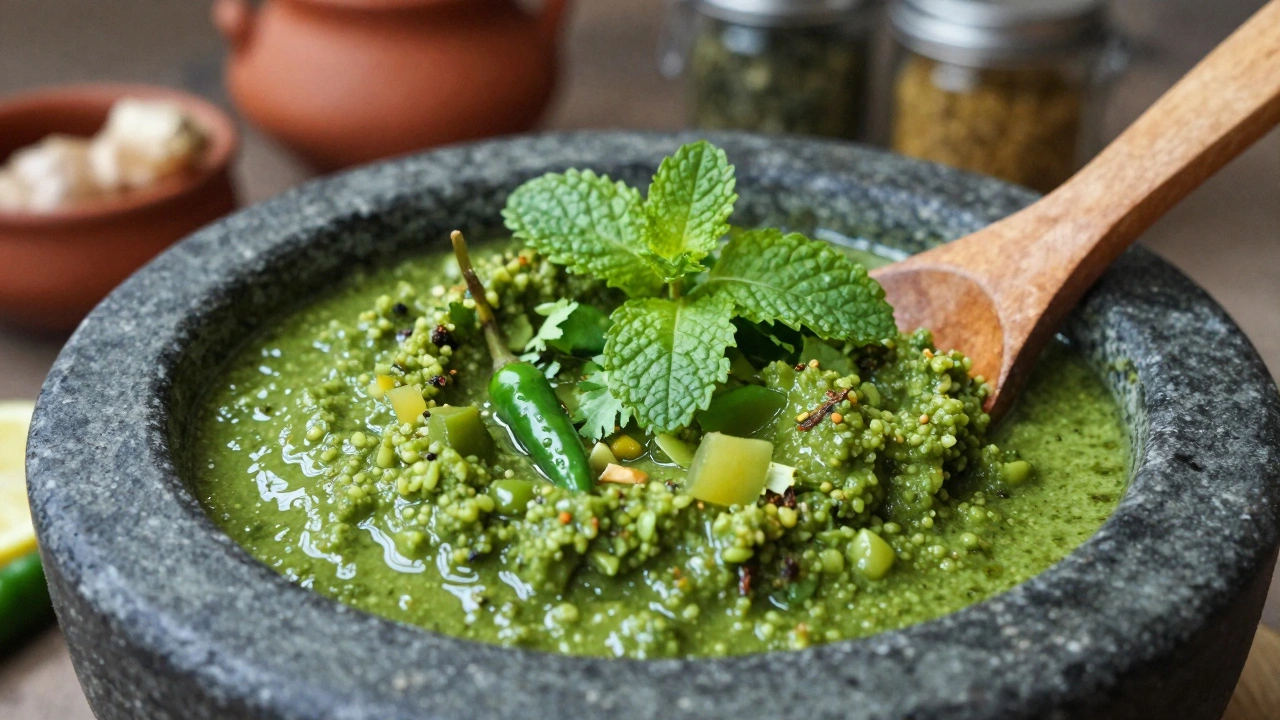
Chutney comes from the Indian subcontinent. The word itself comes from the Hindi word chatni, meaning "to crush." That’s exactly what traditional chutney is: ingredients crushed or ground together into a paste or thick sauce. It’s not just a side-it’s a core part of the meal.
Indian chutneys are made fresh daily in most households. Think green chutney made with cilantro, mint, green chilies, ginger, and lemon juice. Or tamarind chutney, sweet and sour, cooked down with jaggery and spices. Coconut chutney in South India? Ground with roasted lentils and dried red chilies. These aren’t shelf-stable condiments-they’re living flavors, meant to be eaten the same day.
But chutney isn’t just Indian. In parts of Southeast Asia, you’ll find mango chutneys with fish sauce and garlic. In South Africa, you’ll see spiced apricot chutneys with curry powder. The common thread? Fresh ingredients, bold spices, and a balance of sweet, sour, salty, and spicy-all in one bite.
Chutneys are rarely pickled. They’re not preserved for months. Even store-bought versions, like those from Patak’s or MDH, are meant to be used within weeks. The texture? Smooth or slightly chunky, but never crunchy. The goal is to melt into the food, not sit on top of it.
Relish: The Crunchy Sidekick from the West
Relish, on the other hand, is a product of American and European pickling traditions. It’s all about texture. Think chopped pickled cucumbers, onions, or peppers, suspended in a vinegar-based brine with sugar and spices. The classic? Sweet pickle relish on a hot dog.
Relish is designed to last. It’s canned, sterilized, and stored on shelves for months-even years. That’s why it has a sharp, tangy bite. The vinegar acts as a preservative. The sugar balances it out. The crunch? Intentional. You want that pop when you bite into it.
Relish isn’t just about cucumbers. You’ll find corn relish, tomato relish, even beet relish. But they all follow the same formula: chopped vegetables, vinegar, sugar, salt, and sometimes mustard seed or celery seed. The texture is chunky. The flavor is bright and acidic. It’s meant to cut through fatty foods-think burgers, sausages, or fried fish.
Unlike chutney, relish doesn’t usually include fresh herbs like cilantro or spices like cumin or cardamom. It doesn’t need to. Its job isn’t to add complexity-it’s to add contrast. Crunch. Tang. A little sweetness. That’s it.
Texture: The Biggest Clue
If you’re trying to tell them apart at a glance, look at the texture.
- Chutney: Smooth, thick, almost jam-like. You might see flecks of spice or bits of fruit, but it’s blended, not chopped.
- Relish: Chunky, with visible pieces of vegetable. It’s more like a salad than a sauce.
Try this test: Pour a spoonful onto a plate. Chutney will hold its shape, maybe even drip slowly. Relish will sit in little piles, with liquid pooling around the edges. That’s the vinegar doing its job.

Flavor Profile: Sweet vs. Sour vs. Spicy
Chutney is a flavor symphony. It often has five or six taste elements working together:
- Sweet: jaggery, dates, mango, sugar
- Sour: tamarind, lemon, vinegar
- Spicy: green chilies, black pepper, dried red chilies
- Umami: roasted lentils, fermented fish sauce (in some regions)
- Aromatic: cumin, coriander, mustard seed, curry leaves
Relish? Simpler. Three main players:
- Sour: vinegar
- Sweet: sugar
- Salty: salt
That’s it. No cumin. No cardamom. No fresh herbs. Relish doesn’t try to surprise you. It delivers a clean, bright punch.
How They’re Used
Chutney doesn’t just sit on the side-it’s integrated. In India, you’ll find:
- Green chutney spread on a dosa before rolling
- Tamarind chutney drizzled over chaat
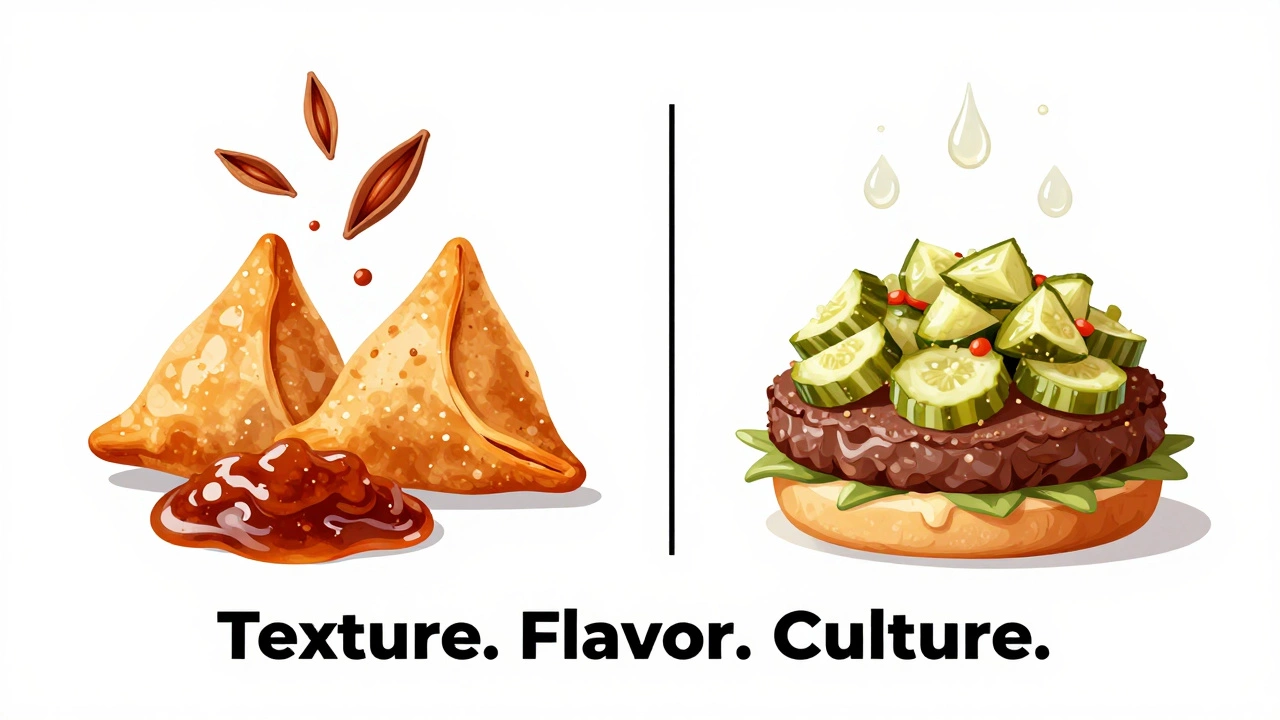
- Mint chutney served with samosas as a dipping sauce
It’s not an afterthought. It’s a seasoning.
Relish? It’s a topping. You put it on:
- Hot dogs
- Burgers
- Grilled sausages
- Mac and cheese
It’s not meant to be mixed in. It’s meant to sit on top, add crunch, and cut the richness.
Can You Substitute One for the Other?
Technically? Yes. But you’ll change the dish.
Try putting sweet pickle relish on a plate of pakoras. You’ll get a jarring crunch and a vinegary punch that clashes with the fried dough and spicy lentil batter. The dish loses its balance.
Try using mango chutney on a hot dog. The sweetness and spice might work-but you’ll lose the crunch. The texture won’t match the expectation.
There are exceptions. In fusion kitchens, chefs mix them intentionally. A chutney-based relish with chopped pickled jalapeños and a splash of vinegar? That’s a modern twist. But that’s innovation, not tradition.
If you’re out of chutney and need a quick substitute, try a mix of chopped apricot jam, lime juice, and a pinch of cumin. It won’t be authentic, but it’ll get you close.
If you’re out of relish and need crunch? Chop up a dill pickle and toss it with a little sugar and vinegar. Done.
Storage and Shelf Life
Chutney: Homemade versions last 3-5 days in the fridge. Store-bought, unopened, can last up to a year. Once opened, use within 4-6 weeks. Always use a clean spoon.
Relish: Store-bought can last 1-2 years unopened. Once opened, it’s good for 6-12 months in the fridge. The vinegar keeps it safe. No need to worry about spoilage.
Never freeze chutney-it kills the fresh flavor. Relish freezes fine, but you lose the crunch.
What to Look for When Buying
When you’re shopping:
- Check the ingredient list. Chutney will list fruits, spices, jaggery, tamarind. Relish will list cucumbers, vinegar, sugar, salt.
- Look at the texture. Is it smooth or chunky?
- Check the label. If it says "Indian-style chutney," it’s likely closer to the real thing. "Sweet relish"? That’s the American kind.
Don’t be fooled by marketing. Some brands label their sweet tomato sauce as "chutney" just because it sounds exotic. It’s not. True chutney has depth. It’s layered. It’s not just sweet.
Make Your Own
Want to taste the real difference? Try making both.
Simple Mint Chutney: Blend 1 cup fresh mint, ½ cup cilantro, 1 green chili, 1 tsp ginger, 1 tbsp lemon juice, ½ tsp salt, and 2 tbsp water. Use immediately.
Classic Sweet Relish: Chop 2 cups pickled cucumbers, ½ cup onion, 1 tbsp mustard seed, 1 tsp celery seed. Simmer with ½ cup vinegar, ½ cup sugar, and 1 tsp salt for 10 minutes. Cool and store.
Make both side by side. Taste them. Feel the difference in your mouth. That’s the lesson.
Chutney is soul. Relish is crunch. One is poetry. The other is punctuation. Both have their place. But knowing which is which? That’s what turns a good meal into a great one.
Can I use chutney instead of relish on a hot dog?
You can, but it won’t taste the same. Chutney is smooth and spicy-sweet, while relish is crunchy and tangy. Using chutney on a hot dog gives you a rich, layered flavor-but you lose the classic crunch. It’s a fusion twist, not a replacement.
Is chutney always spicy?
No. While many chutneys include chilies, others are mild or even sweet. Tamarind chutney, for example, is sour and sweet with little to no heat. Coconut chutney in South India is often mild and creamy. Spiciness depends on the recipe and region.
Why does my homemade chutney turn brown?
Chutneys made with fruit like mango or tamarind naturally darken over time due to oxidation and sugar caramelization. This doesn’t mean it’s spoiled. It just means it’s aging. If it smells sour or moldy, toss it. Otherwise, it’s still safe and flavorful.
Can I make relish without vinegar?
Not if you want it to last. Vinegar is the preservative in relish. Without it, the chopped vegetables will spoil in days. You can make a fresh, un-pickled version-call it a chopped vegetable salsa-but it won’t be relish. It won’t keep.
What’s the best chutney to pair with samosas?
Green chutney-made with mint, cilantro, green chili, and lemon-is the classic pairing. Its fresh, herbal bite cuts through the fried dough and spiced potato filling. Tamarind chutney is also common, offering sweet-sour contrast. Many people use both together.