Dosa Batter Recipe: How to Make Perfect Crispy Dosa at Home
When you think of dosa batter recipe, a fermented mix of rice and lentils used to make crispy South Indian pancakes. Also known as dosa batter, it’s the foundation of one of India’s most loved breakfasts—crisp on the outside, soft inside, and perfect with coconut chutney or sambar. This isn’t just a batter. It’s a living thing. It needs time, warmth, and patience. Skip the shortcuts, and you’ll taste the difference.
What makes a good dosa batter, a fermented blend of rice and urad dal. Also known as dosa batter, it’s the foundation of one of India’s most loved breakfasts—crisp on the outside, soft inside, and perfect with coconut chutney or sambar. is the right balance of rice and black gram (urad dal). Most recipes use 3 parts rice to 1 part urad dal. But it’s not just the ratio. The soaking time matters. Rice needs 4–6 hours. Urad dal needs at least 6. Grind them separately. Rice goes for a coarse grind. Urad dal? Smooth as silk. That’s what gives the batter its lift. If your batter turns out grainy dosa batter, a texture issue caused by under-grinding or poor fermentation. Also known as grainy batter, it’s the #1 reason dosas stick or tear., you didn’t grind the dal long enough. Or you didn’t let it ferment in a warm spot. India’s kitchen wisdom? Wrap the bowl in a towel and leave it near the stove overnight. In cold climates, put it in the oven with the light on.
Don’t confuse fermented dosa batter, a naturally leavened batter that rises due to wild yeast and lactic acid bacteria. Also known as fermented rice-lentil batter, it’s what gives dosa its airy texture and tangy flavor. with sour batter. Fermentation isn’t spoilage. It’s science. The bubbles you see? That’s the good kind. The smell? Slightly sour, like yogurt. That’s your batter saying it’s ready. If it smells rotten, toss it. If it smells like bread dough rising? Perfect. You don’t need yeast. You don’t need baking powder. Just time, salt, and a little patience. And if you’ve ever wondered why your dosa sticks to the pan? It’s not the pan. It’s the batter. Too thick? Add water. Too thin? Let it sit longer. The right consistency? It should drip slowly off the spoon, like heavy cream.
South Indian breakfasts aren’t just about dosa. They’re about the whole ritual—idli, upma, poha. But if you want to start somewhere real, start with the batter. Once you get this right, everything else follows. You’ll make dosas that crisp up in seconds, fold without tearing, and taste like the ones your grandmother made. And if you’ve ever bought pre-made batter and felt let down? You’re not alone. Most store-bought versions skip the slow fermentation. That’s why they taste flat. Homemade? It’s alive. And that’s what makes all the difference.
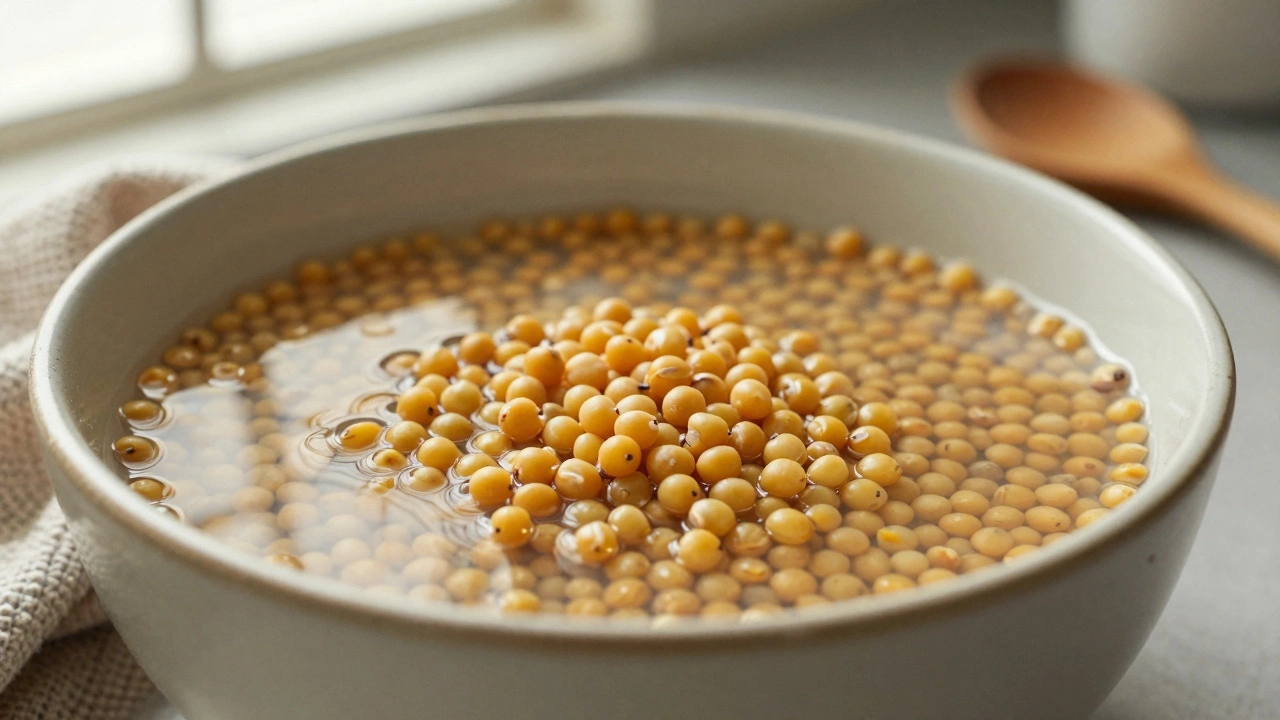
How Long to Soak Urad Dal for Perfect Vada Batter
Soak urad dal for 6-8 hours to get light, fluffy vadas that puff up perfectly. Too short or too long ruins the texture. Learn the signs of perfect soaking and avoid common mistakes.
View More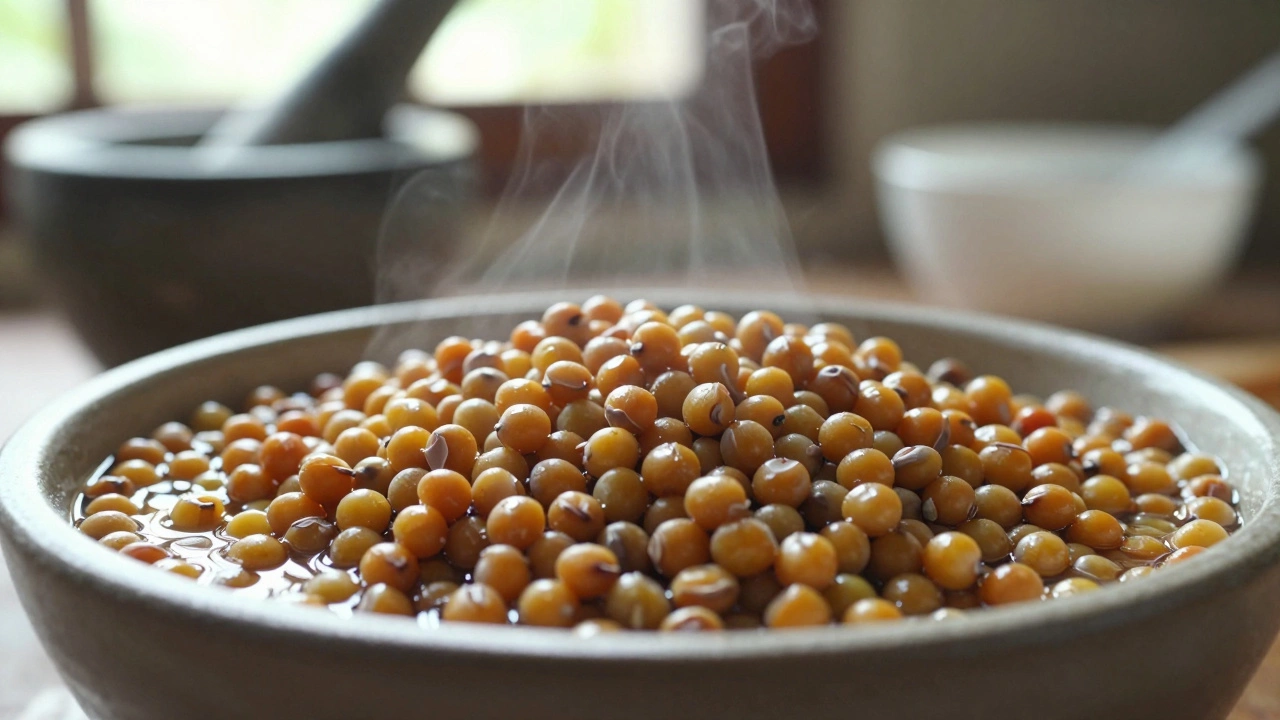
How Many Hours to Soak Urad Dal for Dosa? Perfect Batter Timing Explained
Soak urad dal for 6 to 8 hours to make perfect dosa batter. Too short and it won't ferment; too long and it turns slimy. Learn the right timing, tips, and fixes for fluffy, crisp dosas every time.
View More
Which is healthier, idli or dosa? A real comparison
Idli and dosa use the same batter, but idli is steamed and lower in fat, making it the healthier choice. Learn how fermentation, oil, and cooking methods affect nutrition.
View More