Chapati: The Everyday Bread of India
When you think of Indian food, one thing shows up on nearly every table—chapati, a thin, unleavened flatbread made from whole wheat flour, water, and salt. Also known as roti, it’s not a side dish—it’s the foundation of a meal. Unlike fancy breads, chapati doesn’t need yeast or sugar. It’s mixed, rolled, and cooked on a hot griddle until it puffs up just enough to hold curry, dal, or vegetables. You don’t eat chapati with a fork. You tear it, dip it, and use it to scoop. That’s how it’s meant to be eaten.
Chapati isn’t just food—it’s tied to how Indians live. It’s what you eat for breakfast with chutney, lunch with lentils, and dinner with grilled vegetables. It’s the bread that goes with dal tadka, a simple spiced lentil dish, and the perfect wrap for paneer, soft Indian cottage cheese in spicy gravy. You won’t find it in fancy restaurants as a standalone item, but you’ll find it everywhere else—in homes, roadside stalls, and village kitchens. It’s the most eaten Indian food, according to surveys, because it’s cheap, filling, and works with anything.
What makes chapati different from naan? No oven. No butter. No yeast. Just flour, water, heat, and hands. That’s why it’s healthier than most breads. It’s low in fat, high in fiber, and doesn’t spike blood sugar like white bread. If you’re trying to eat clean, chapati is one of the few Indian foods that fits without compromise. It’s also the base for stuffed versions like aloo paratha, where potatoes and spices get folded inside. But plain chapati? That’s the real deal. It’s what grandmothers make every morning, what kids grab before school, and what travelers eat on trains across India.
Chapati doesn’t need a recipe. It needs practice. The dough should be soft but not sticky. The rolling should be even—thick in the center, thin at the edges. The heat should be just right: too low and it stays hard; too high and it burns before it puffs. You learn by doing. And once you get it, you’ll never go back to store-bought bread.
Below, you’ll find real stories, tips, and recipes from people who cook chapati every day. Whether you’re trying to make it for the first time, wondering what to serve with it, or just curious why it’s so central to Indian meals—this collection has what you need. No fluff. Just straight answers from real cooks.
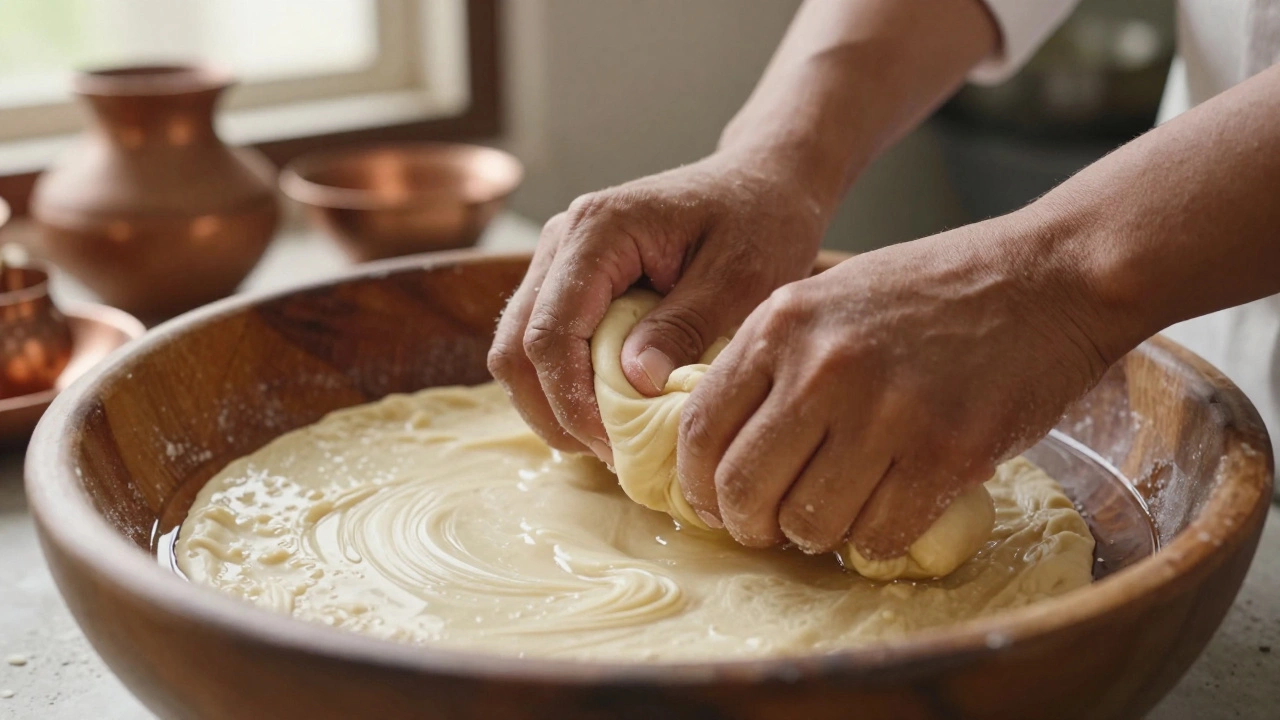
When to Add Oil to Roti Dough: Chapati vs. Paratha Explained
Discover why adding oil to roti dough is often a mistake. Learn the difference between chapati and paratha dough, and when to add oil for perfect flatbreads every time.
View More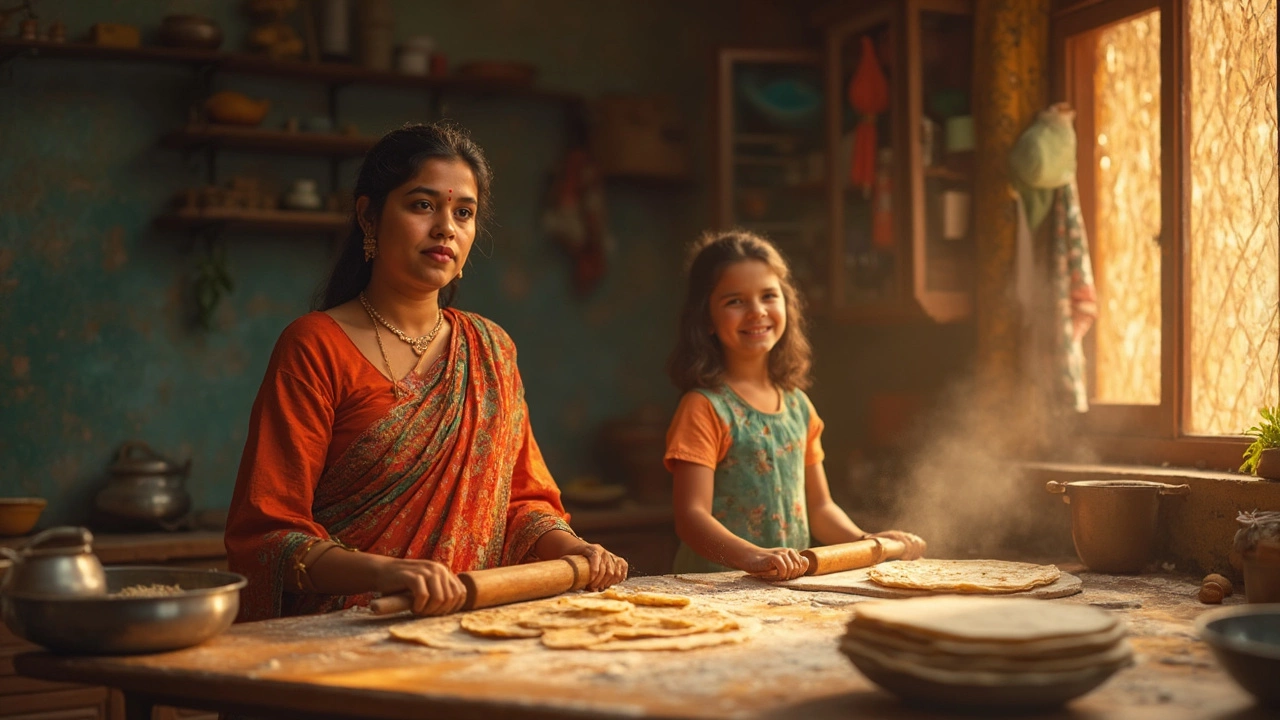
Chapati vs Roti: What's the Real Difference?
Ever wondered if chapati and roti are actually different? This article cuts through the confusion, breaking down how chapati and roti are made, how they taste, and where they come from. You'll find out if you really need to stress about calling your bread a chapati or a roti. Grab some simple tips for rolling and cooking the perfect flatbread. After reading, you'll never hesitate in the kitchen again.
View More