Healthy Indian Breakfast Analyzer
Build Your Breakfast Plate
Select the components of your typical breakfast to see how well it aligns with health principles
Your Breakfast Score
Protein Level
Fiber Content
Glycemic Impact
Why This Matters:
💡 Pro Tip:
Most of us rush through the morning. We grab a sugary cereal bar or skip breakfast entirely because we think it saves time. But that quick fix usually leads to a mid-morning crash. You feel tired, hungry, and reach for more junk by 10 AM. If you are looking for a meal that keeps you full, fuels your brain, and respects your health goals, the answer isn't just 'eat less.' It is about eating the right things.
In India, breakfast is often heavy on carbs-think parathas with butter or sweet laddoos. While delicious, these options spike blood sugar quickly. The healthiest thing to eat for breakfast depends on your body's needs, but generally, it involves a balance of fiber, protein, and healthy fats. This combination stabilizes energy levels and supports long-term wellness.
The Core Principles of a Healthy Morning Meal
To understand what makes a breakfast 'healthy,' we need to look at how our bodies process food in the morning. After sleeping for seven or eight hours, your glycogen stores (energy reserves) are low. Your body needs fuel, but not the kind that causes inflammation or sluggishness.
A truly nutritious breakfast should hit three main targets:
- Fiber: Found in whole grains, vegetables, and legumes. Fiber slows down digestion, which means you stay fuller for longer. It also feeds the good bacteria in your gut.
- Protein: Essential for muscle repair and satiety. Without enough protein, you might find yourself snacking constantly before lunch.
- Healthy Fats: Sources like nuts, seeds, and avocado provide sustained energy and help absorb vitamins from other foods.
If your breakfast is mostly refined flour (maida) or added sugars, you miss out on these benefits. Instead, aim for whole foods that require minimal processing. This approach aligns with traditional Indian dietary wisdom while incorporating modern nutritional science.
Top Healthy Indian Breakfast Options
You don't have to give up Indian flavors to eat healthy. In fact, many traditional dishes are naturally nutrient-dense when prepared correctly. Here are some of the best options that fit the criteria for a balanced, energizing start to your day.
1. Moong Dal Chilla
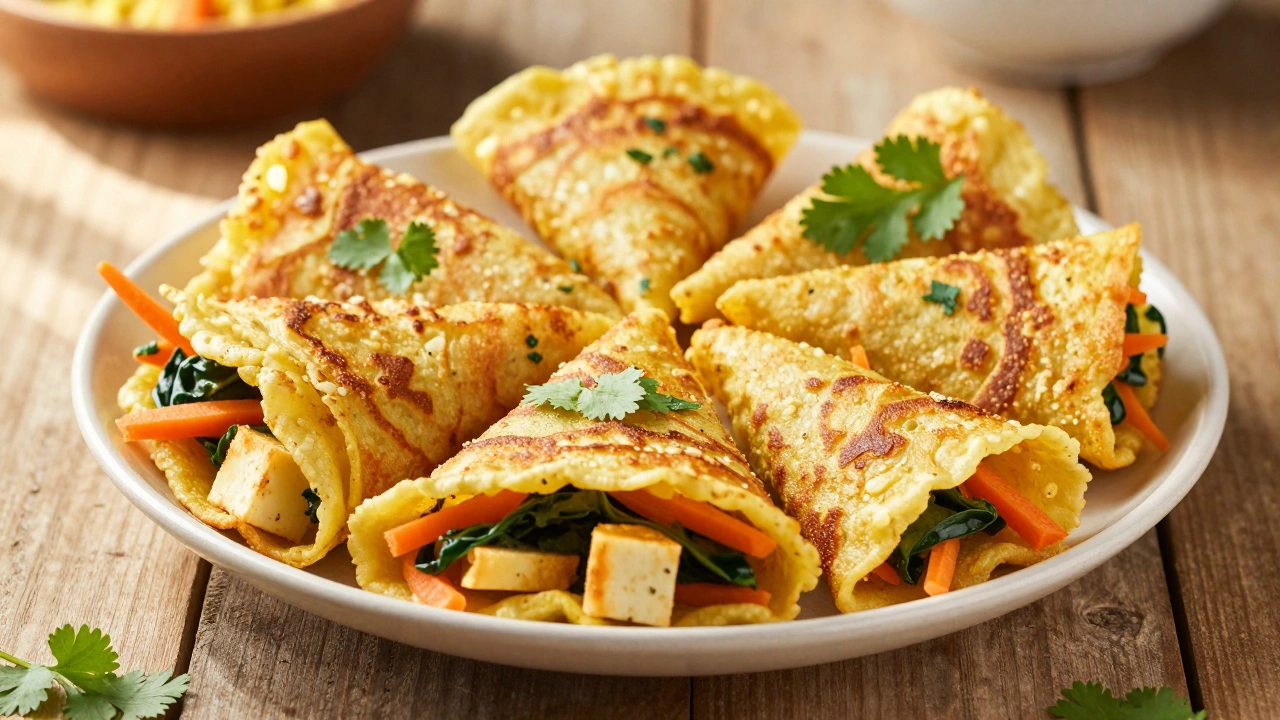
Moong Dal Chilla is a savory pancake made from split yellow moong lentils. This dish is a powerhouse of plant-based protein. Unlike wheat pancakes, chillas are gluten-free and easy to digest. They are perfect if you have sensitive stomachs or follow a gluten-free diet.
To make them healthier, avoid deep-frying. Cook them on a non-stick pan with a tiny drizzle of olive oil or ghee. Fill them with grated carrots, spinach, and paneer for extra volume and nutrients. One serving can provide nearly 10 grams of protein, keeping you satisfied until lunch.
2. Vegetable Poha or Upma
Poha is flattened rice that is light and easy to prepare. Often criticized for being high in carbs, poha becomes a healthy option when you load it with vegetables. Add peas, carrots, beans, and onions. Sprinkle peanuts for crunch and protein.
The key here is portion control and vegetable ratio. Aim for half the plate to be veggies. This boosts the fiber content significantly. Upma, made from semolina (suji), follows the same rule. Suji has a higher glycemic index than oats, so mixing it with lots of greens and lean protein sources like tofu or egg makes it a balanced meal.
3. Besan Chilla with Spinach
Besan Chilla is a chickpea flour pancake that offers high protein and fiber. Chickpea flour (besan) is rich in magnesium and iron. Adding spinach increases the antioxidant intake. This combination is excellent for heart health and maintaining stable blood sugar levels.
Unlike wheat-based rotis, besan does not contain gluten, making it suitable for those with celiac disease or gluten sensitivity. It is also very versatile. You can add mint, coriander, and green chilies for flavor without adding calories.
4. Idli with Sambar
Idli is a steamed rice and lentil cake that is low in fat and high in probiotics. Steaming is one of the healthiest cooking methods because it retains nutrients and requires no oil. Idlis are fermented, which aids digestion and improves gut health.
Pair idlis with sambar, a lentil-based vegetable stew. Sambar adds fiber and variety of micronutrients from different vegetables. Avoid pairing idlis with spicy, oily chutneys. Instead, use coconut chutney sparingly or tomato-onion chutney for flavor without excess fat.
5. Oats with Nuts and Seeds
While oats are not traditionally Indian, they have become a staple in modern Indian households. Rolled oats are rich in beta-glucan, a type of soluble fiber that helps lower cholesterol. Prepare them as savory oats with onions, tomatoes, and turmeric, or sweet oats with cinnamon and berries.
Add a tablespoon of chia seeds or flaxseeds for omega-3 fatty acids. These healthy fats support brain function and reduce inflammation. This meal is quick, requiring only five minutes to prepare, making it ideal for busy mornings.
Comparison of Popular Indian Breakfasts
| Food Item | Primary Nutrient | Glycemic Index | Preparation Time | Best For |
|---|---|---|---|---|
| Moong Dal Chilla | Protein | Low | 15 mins | Muscle building, Weight loss |
| Veg Poha | Carbohydrates | Medium-High | 10 mins | Quick energy, Digestibility |
| Idli & Sambar | Fiber & Probiotics | Low-Medium | 20 mins (plus fermentation) | Gut health, Low-fat diet |
| Besan Chilla | Protein & Iron | Low | 10 mins | Anemia management, Gluten-free |
| Savory Oats | Fiber | Low | 5 mins | Heart health, Busy schedules |
Hydration: The Forgotten Breakfast Component
Before you eat anything, drink water. Dehydration mimics hunger. Many people mistake thirst for appetite and overeat. Start your day with a glass of warm water with lemon. Lemon provides vitamin C, which aids iron absorption from your breakfast. It also kickstarts your metabolism.
Avoid drinking large amounts of coffee or tea immediately after waking up. Wait at least 60 to 90 minutes. Cortisol levels are naturally high in the morning to wake you up. Drinking caffeine too early can disrupt this natural rhythm and lead to an afternoon slump.
Snacks That Support Your Breakfast Goals
Your breakfast doesn't exist in isolation. What you snack on during the day affects how hungry you are the next morning. If you eat unhealthy snacks, you may crave heavier breakfasts to compensate. Choose snacks that complement your breakfast nutrition.
Roasted makhana (fox nuts) are a great alternative to chips. They are low in calories and high in magnesium. A handful of almonds and walnuts provides healthy fats and protein. Fresh fruit like papaya or apple offers fiber and natural sweetness. Avoid packaged biscuits and namkeen, which are often high in trans fats and sodium.
Common Mistakes to Avoid
Even with healthy ingredients, preparation methods can ruin the nutritional value. Here are common pitfalls:
- Overusing Oil: Frying chillas or dosas in excessive oil adds empty calories. Use a spray bottle for oil or a non-stick pan.
- Sugar Overload: Sweetening oats or smoothies with too much sugar spikes insulin. Use dates, jaggery, or stevia in moderation.
- Skipping Vegetables: Carbs alone digest quickly. Always add a vegetable component to slow down glucose absorption.
- Eating Too Fast: It takes 20 minutes for your brain to register fullness. Chew slowly and mindfully.
Tailoring Breakfast to Your Lifestyle
Your ideal breakfast depends on your daily activity level. If you exercise in the morning, you need more carbohydrates for energy. Include oats or bananas. If you have a sedentary office job, focus on protein and fiber to prevent post-lunch drowsiness. Moong dal chilla or a vegetable omelet works well here.
For those managing diabetes, low-glycemic options like idli, ragi dosa, or quinoa porridge are essential. Consult with a healthcare provider to personalize your meal plan based on blood sugar responses.
Is milk and cereal a healthy Indian breakfast?
Traditional Indian cereals like cornflakes or muesli are often high in refined carbs and added sugars. While milk provides protein, the combination can cause a rapid spike in blood sugar. Opt for homemade granola with nuts and seeds or switch to savory options like poha or chilla for better sustained energy.
Can I eat fruits for breakfast instead of a meal?
Fruits alone lack sufficient protein and fat to keep you full. Eating only fruit can lead to a sugar crash later. Pair fruits with a source of protein like Greek yogurt, nuts, or a boiled egg to create a balanced meal that stabilizes blood sugar.
What is the best time to eat breakfast?
Ideally, eat within two hours of waking up. This restarts your metabolism and prevents overeating later. However, intermittent fasting practitioners may delay breakfast. Listen to your body's hunger cues and ensure you maintain a consistent eating window.
Are parathas healthy for breakfast?
Whole wheat parathas can be part of a healthy diet if eaten in moderation. The issue arises with the amount of oil used for frying and the high-calorie accompaniments like potato filling or heavy curd. Try baking parathas or using minimal oil, and pair them with plenty of vegetables.
How much protein should I have for breakfast?
Aim for 15 to 20 grams of protein per breakfast. This amount helps regulate appetite hormones and preserves muscle mass. Two eggs, a cup of Greek yogurt, or a large serving of moong dal chilla can meet this requirement.