Urad Dal for Dosa: The Key to Perfect Crispy South Indian Dosa
When you think of a perfect dosa, the crisp edges, the soft center, the way it lifts off the tawa without breaking—that’s all thanks to urad dal for dosa, a fermented black gram lentil that gives dosa batter its lift, texture, and signature chew. Also known as black gram, it’s not just any bean—it’s the backbone of South Indian breakfasts from Chennai to Coorg. Without it, you just have a flat pancake. With it, you get something that cracks lightly when you bite into it and holds its shape even when piled high with potato masala or drizzled with coconut chutney.
Urad dal works because of what happens during fermentation. The natural bacteria break down starches and proteins, creating gas bubbles that make the batter airy. But not all urad dal is equal. You need whole, unhulled, clean beans—no split or roasted ones. Split urad dal won’t ferment right, and roasted will turn your batter gritty. The ratio matters too: most traditional recipes use 1 part urad dal to 3 parts rice. Too much dal and the dosa turns rubbery; too little and it falls apart. And don’t skip the soaking—8 hours minimum, overnight is better. Cold water, not hot. Room temperature, not fridge. The magic happens in that slow, warm ferment.
People often ask why their dosa batter doesn’t rise. It’s rarely the rice. It’s usually the urad dal—old stock, damp storage, or skipping the grinding step. You need to grind the dal separately, slowly, with just enough water to make it fluffy and smooth. That’s the texture difference between a good dosa and a great one. The batter should feel like thick cream, not paste. And it needs time. No shortcuts. If you’re in a hurry, you’ll pay for it with a flat, soggy dosa.
Urad dal also pairs with other key players in the dosa world. The fermentation process is influenced by the climate—warmer places like Kerala get faster rise than cooler cities like Delhi. That’s why regional recipes adjust soaking times and fermentation hours. And while rice gives structure, urad dal gives soul. It’s what makes dosa different from a crepe or a pancake. It’s what makes it a breakfast staple across millions of homes.
When you see someone grinding urad dal in a stone grinder early in the morning, you’re watching tradition in action. It’s not just cooking—it’s patience, rhythm, and a deep understanding of how ingredients behave. The posts below show you exactly how to pick the right dal, fix grainy batter, get the perfect fermentation, and avoid the common mistakes that ruin dosa every time. Whether you’re trying this for the first time or you’ve been making it for years, there’s something here that’ll make your next batch better.
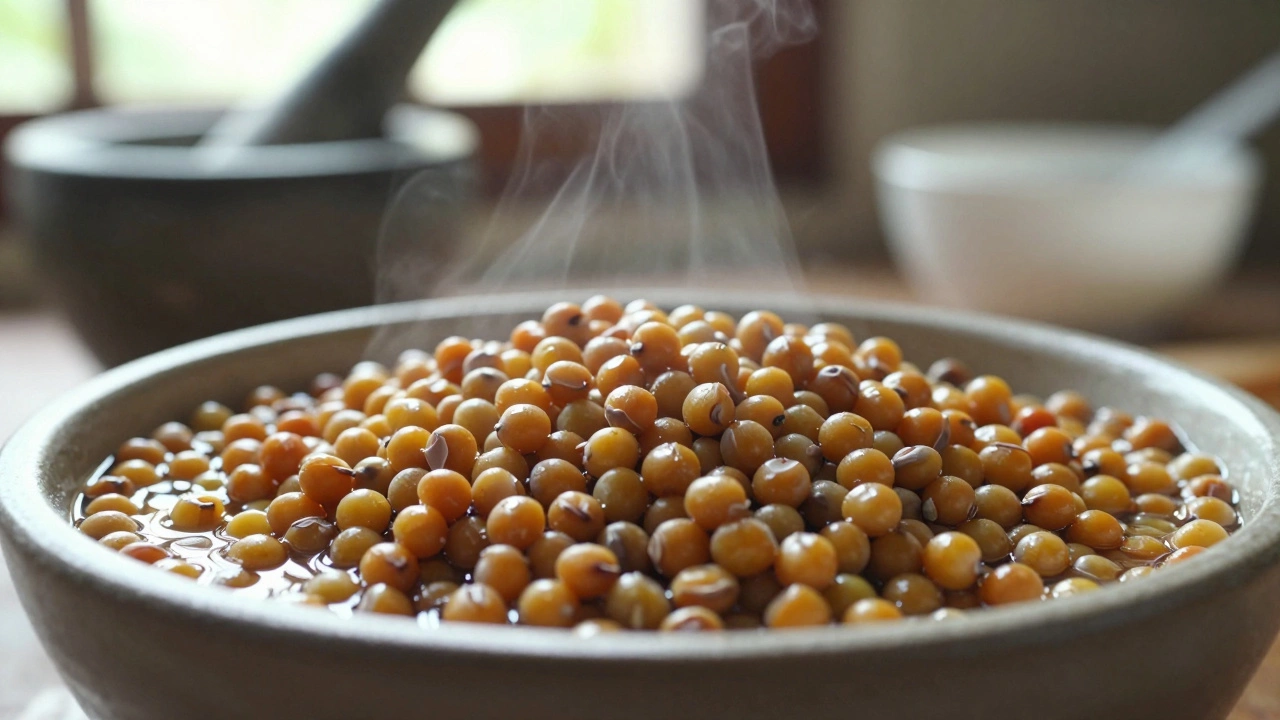
How Many Hours to Soak Urad Dal for Dosa? Perfect Batter Timing Explained
Soak urad dal for 6 to 8 hours to make perfect dosa batter. Too short and it won't ferment; too long and it turns slimy. Learn the right timing, tips, and fixes for fluffy, crisp dosas every time.
View More