Traditional Indian Diet: Real Foods, Regional Patterns, and Daily Habits
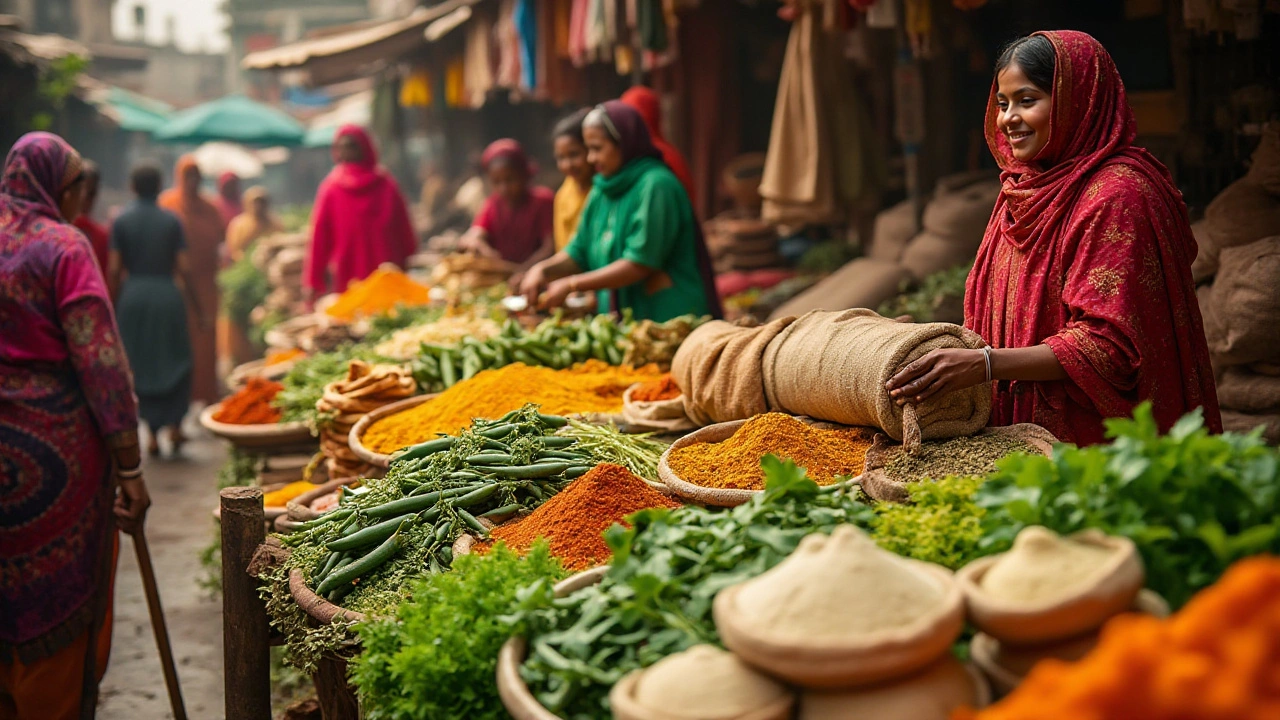
The traditional Indian diet, a centuries-old pattern of eating rooted in regional ingredients, seasonal cycles, and Ayurvedic principles. Also known as Indian household cuisine, it’s not a fad—it’s how over a billion people eat every single day. Forget the stereotypes. This isn’t just curry and rice. It’s steamed idli in Tamil Nadu, stuffed parathas in Punjab, poha in Maharashtra, and khichdi in Uttar Pradesh—all made with what’s fresh, local, and affordable. What makes it special isn’t exotic spices alone, but how food is structured: grains first, lentils second, vegetables third, and dairy or sweets as small accents—not the main event.
This diet doesn’t rely on processed sugar. In fact, India has one of the lowest per capita sugar intakes in the world, even though it’s famous for sweets. Why? Because those sweets—like jalebi or gulab jamun—are treats, not daily staples. Most meals use jaggery sparingly, if at all. The real fuel comes from whole grains, fermented batters, and slow-cooked dals. And yes, many follow a strict Indian vegetarian diet, a lacto-vegetarian approach that excludes meat, fish, and eggs but includes dairy like yogurt, ghee, and paneer. That’s why dishes like dal tadka, chana masala, and curd rice are everyday staples. But even within that, there’s flexibility: many households now make Indian dairy-free dishes, meals that skip milk, ghee, and paneer using coconut milk, cashew paste, or sesame oil instead, especially for health or dietary reasons.
Breakfast isn’t cereal here. It’s a full meal—often fermented, always savory, and packed with protein. Indian breakfast, varies wildly by region but always centers on grains, legumes, and minimal oil. South India leans on idli and dosa made from rice and urad dal batter. The North prefers whole wheat parathas with yogurt or pickles. In the West, poha or upma with peanuts and curry leaves is common. None of these include sugar-laden cereals or pastries. And they’re not just tasty—they’re designed to digest slowly, keep energy steady, and support gut health through natural fermentation.
What you won’t find? A lot of processed food. No frozen pizzas, no sugary yogurts, no instant noodles in most rural homes. The traditional Indian diet is built around cooking from scratch, using spices not just for flavor but for digestion and balance. Turmeric for inflammation, cumin for gut health, fenugreek for blood sugar control. It’s not marketing—it’s lived wisdom.
And it works. People eating this way daily have lower rates of obesity, type 2 diabetes, and heart disease compared to Western populations eating similar calories. That’s not magic. It’s structure. It’s balance. It’s eating what grows nearby, when it’s ripe, and preparing it simply. You don’t need to go fully Indian to benefit. Just borrow one habit: start your day with a grain-and-lentil combo instead of toast and jam. See how you feel.
Below, you’ll find real stories from Indian kitchens—what people eat for breakfast, which dishes are safest to order at restaurants, why citrus ruins paneer, and how to make dosa batter smooth. No fluff. Just what works.
Indian Vegetarian Foods: What to Avoid on a Traditional Diet
The world of Indian vegetarian cuisine is vibrant and diverse, rooted in cultural and religious practices. However, many foods that are considered vegetarian in other cuisines do not qualify under the traditional Indian vegetarian lifestyle. This article explores common Indian vegetarian foods, clarifies misconceptions, and offers tips on adhering to a traditional vegetarian diet. There's a focus on ingredients and dishes that are commonly mistaken for vegetarian-friendly, helping to navigate these culinary delights while maintaining dietary preferences.
View More