Sweet Spice in Indian Food: How Cinnamon, Cardamom, and Jaggery Create Perfect Balance
When you think of sweet spice in Indian food, a blend of warm, aromatic flavors used to balance heat and enhance depth in both savory and sweet dishes. Also known as warm sweet spices, it’s not just about adding sugar—it’s about layering flavor so every bite feels complete. Most people assume Indian food is all about chili heat, but the real magic happens when sweetness meets spice. Think of a biryani where a pinch of cinnamon softens the cumin and cloves, or a dal where a cube of jaggery tames the tang of tamarind. This isn’t accident—it’s tradition.
cardamom, a fragrant, slightly sweet seed pod used whole or ground in both sweets and savory curries across India shows up in masala chai, in rice puddings, and even in some meat rubs. It doesn’t scream sweetness—it whispers it. Then there’s jaggery, an unrefined cane sugar made by boiling sap, with a deep molasses-like taste that adds body and earthiness to dishes. Also known as gur, it’s not a substitute for white sugar—it’s a flavor builder. You’ll find it in chutneys to cut vinegar, in lentils to round out spice, and in snacks like til ladoo to hold everything together. And cinnamon, a bark spice with a sweet, woody warmth that anchors Indian spice blends, doesn’t just belong in desserts. In South Indian sambar or North Indian rogan josh, it’s the quiet partner that makes the heat feel richer, not harsher.
These aren’t random additions. They’re tools. Every Indian cook knows that too much heat makes food bitter, too much sugar makes it cloying. But when sweet spice is used right, it makes the whole dish breathe. You don’t taste the cardamom first—you feel it settle in your chest after the spice fades. You don’t notice the jaggery until the aftertaste lingers, clean and warm. That’s the art. And that’s why you’ll find these ingredients in dishes from Kerala to Punjab, whether it’s a simple rice porridge or a royal biryani.
The posts below show you exactly how this works in real kitchens—from fixing over-spiced biryani with a touch of sweetness, to understanding why Indian sweets use jaggery instead of sugar, to how chutneys balance tart and sweet with spices like cinnamon. You’ll learn how to use these flavors without recipes, just by listening to the food. No fancy tools. No complicated steps. Just the kind of wisdom passed down through generations of home cooks who knew that the best Indian food doesn’t shout—it sings.
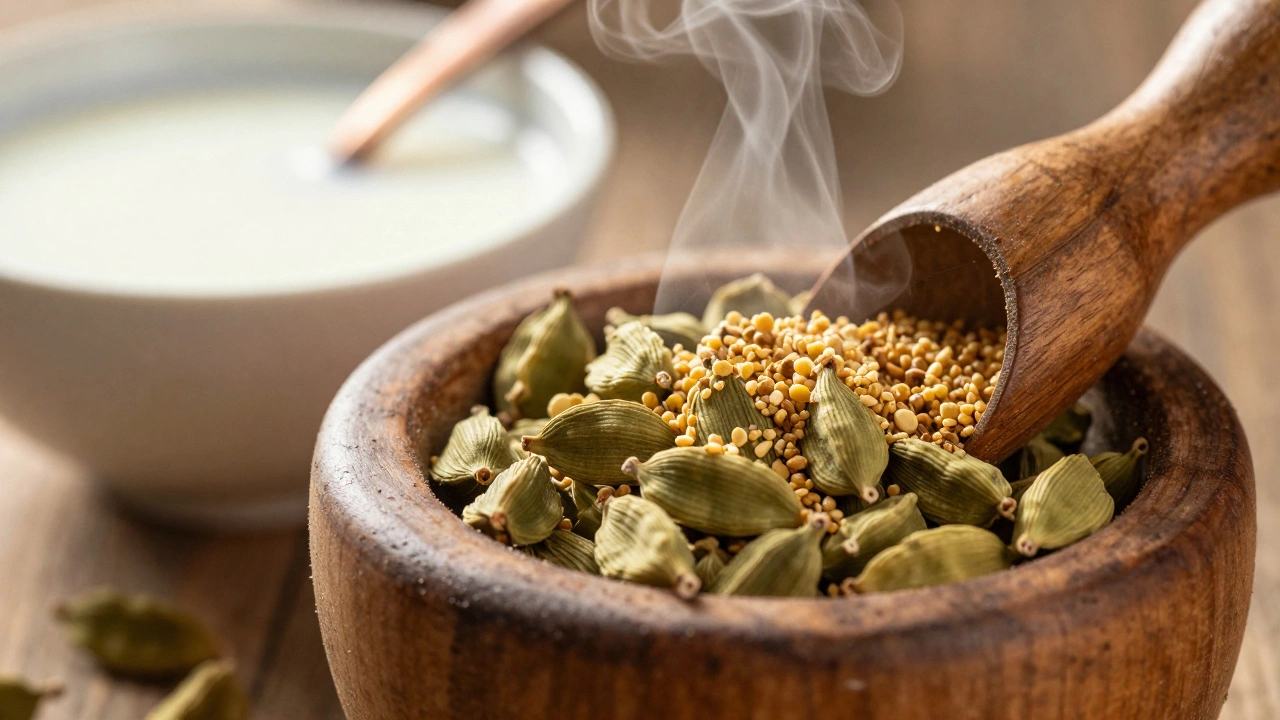
What Is the Sweet Spice in Indian Food? The Secret Behind India’s Signature Sweet Flavors
Cardamom is the secret sweet spice behind Indian desserts like kheer, gulab jamun, and rasgulla. Learn why it's irreplaceable, how to use it, and how it differs from cinnamon or vanilla.
View More