Soft Rotis: How to Make Perfect, Fluffy Indian Flatbreads at Home
When you think of everyday Indian food, soft rotis, thin, round flatbreads made from whole wheat flour and water, cooked on a hot griddle. Also known as chapatis, they’re the silent backbone of meals from Punjab to Tamil Nadu. No fancy spices, no long prep—just flour, water, a pinch of salt, and heat. Yet, get them right, and they puff up like clouds, stay soft for hours, and soak up curries better than any bread you’ll find elsewhere.
What makes a roti soft isn’t just the recipe—it’s the kneading, the physical act of working the dough until it’s smooth and elastic. It’s the resting time, the 20 to 30 minutes the dough sits covered, letting gluten relax and moisture distribute evenly. And it’s the tawa, the flat iron or cast-iron griddle that must be hot enough to make the roti puff, but not so hot it burns before it cooks through. Skip any of these, and you end up with a hard, dry disc. Get them right, and you’ve got something that feels like comfort in your hands.
India’s most eaten food isn’t butter chicken or biryani—it’s roti. Soft rotis show up at breakfast with chutney, lunch with dal, dinner with sabzi. They’re the utensil, the plate, the vehicle. Even in homes where rice is king, roti holds its ground. You’ll find them in villages where women roll them by hand before sunrise, and in city kitchens where electric rollers speed things up. The technique changes, but the goal doesn’t: a roti that’s warm, pliable, and just a little bit charred on the edges.
What you’ll find in the posts below isn’t just recipes. It’s the real talk about dough hydration, why some rotis crack, how to store them so they don’t turn stiff by noon, and why using stone-ground atta makes a difference. You’ll see how soft rotis connect to bigger topics—like why Indian meals avoid processed flour, how fermentation in other breads like idli relates to dough resting, and what makes a roti pair perfectly with tandoori chicken or dal tadka. This isn’t about following a rigid method. It’s about understanding the why behind the puff, the why behind the softness, and how to make it yours.
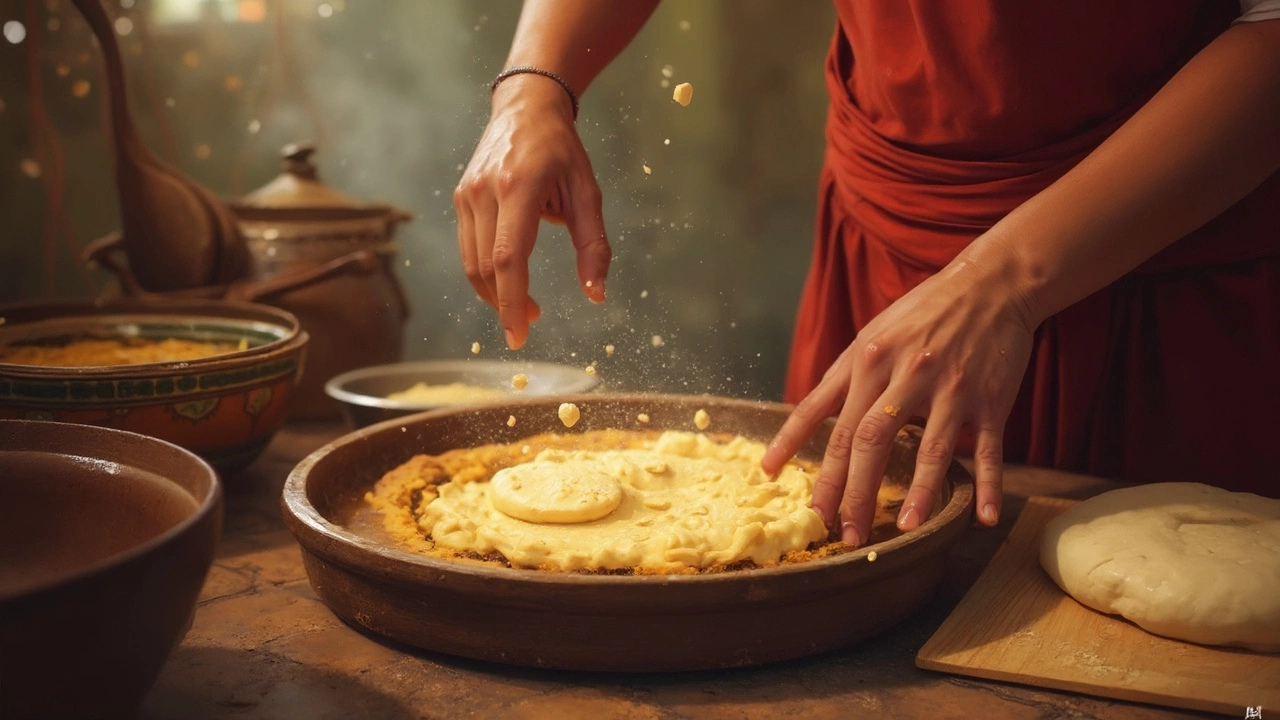
Why Are My Rotis Not Soft? Discover the Secrets to Fluffy Perfection
Struggling with your rotis turning out anything but soft isn't uncommon, but it can be fixed with a few simple tweaks. From kneading techniques to dough consistency, learn how to transform your rotis into soft, fluffy rounds. We'll explore common pitfalls and provide practical tips to elevate your roti game. With our handy guide, enjoy soft and delicious rotis every time.
View More