Soft Roti: How to Make the Perfect Indian Flatbread Every Time
When you think of everyday Indian bread, soft roti, a simple, unleavened flatbread made from whole wheat flour and water, cooked on a hot griddle. Also known as chapati, it’s the silent backbone of meals from Punjab to Tamil Nadu—eaten with dal, curry, or just ghee and salt. It’s not fancy. But get it right, and it becomes the thing you crave—warm, pliable, slightly charred at the edges, and soft enough to wrap around anything.
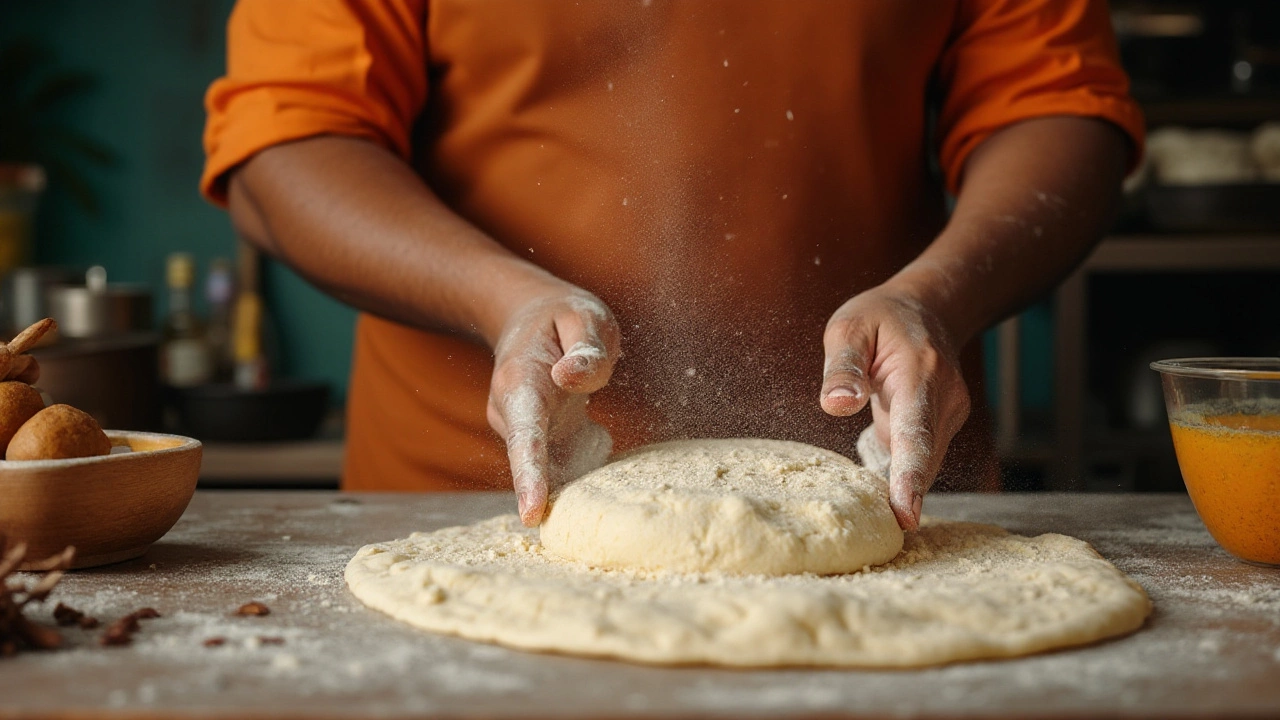
What makes roti soft isn’t just the flour. It’s the water temperature, the kneading time, the resting period, and how you roll it. Most people skip the rest. They mix, roll, and cook right away. That’s why their rotis turn hard. Real soft roti needs at least 30 minutes to relax after kneading. The gluten settles. The flour hydrates fully. That’s when it becomes easy to roll thin without tearing. And when you cook it? A little oil on the griddle helps. Not too much. Just enough to let it puff up like a balloon. That puff? That’s the sign of perfect heat and moisture balance.
It’s not just about technique—it’s about tradition. In most Indian homes, roti isn’t a side dish. It’s the plate. You use it to scoop up lentils, to dip into yogurt, to wipe the last bit of curry off the bowl. And it’s always made fresh. Leftover roti? Reheat it on the flame for five seconds. It comes back to life. That’s the magic. You won’t find this in store-bought packs. They’re dry. They’re stiff. They don’t puff. Real soft roti is made in under ten minutes, with just three ingredients: whole wheat flour, water, and salt. No baking powder. No oil in the dough. Just skill, patience, and a hot tawa.
And if you’ve ever tried making roti and ended up with a rock? You’re not alone. The trick isn’t in the recipe. It’s in the feel. The dough should be like your earlobe—soft but not sticky. The rolling should be even, not too thin in the middle. And the flame? Not too high. You want slow, even browning, not burning. That’s why so many Indian moms teach their kids to cook roti by hand—because you learn by touch, not by measuring cups.
Below, you’ll find real posts from home cooks who’ve cracked the code. They’ll show you how to fix grainy dough, why resting matters more than you think, how to store roti so it stays soft for days, and which flour blends actually work. No fluff. Just what works.
Secrets to Keep Roti Soft and Delicious
Achieving soft roti is an art perfected through attention to detail and technique. Explore the secrets to making your roti soft and delectable, with insights into ingredient selection, dough preparation, cooking methods, and storage techniques. Discover tried-and-tested tips for every step to ensure each roti is a warm, tender delight. Empower your roti-making skills with easy-to-follow advice that transforms a simple flatbread into a culinary masterpiece.
View More