Soft Dough: How to Get the Perfect Texture for Indian Breads and Snacks
When you're making soft dough, a pliable, smooth mixture used in Indian breads and snacks like dosa, idli, and roti. Also known as fermented batter, it's the foundation of some of India’s most loved breakfasts and street foods. It’s not just about mixing flour and water—it’s about timing, temperature, and texture. A good soft dough should feel alive: slightly springy, not sticky, and smooth enough to spread like silk on a hot griddle.
What makes dosa batter, a fermented blend of rice and lentils used for crispy South Indian crepes different from idli batter, the same base but steamed into fluffy cakes? It’s all in the grind and rest. Dosa batter needs to be smoother and thinner, while idli batter stays thicker and holds more air after fermentation. Both rely on natural bacteria to break down starches and create lift—no yeast needed. If your batter turns grainy, it’s not spoiled; it’s just under-blended. The fix? Grind it longer, soak the rice longer, or let it ferment in a warmer spot. And don’t skip the salt—it helps control fermentation and improves texture.
Then there’s Indian bread dough, the simple mix of whole wheat, water, and sometimes yogurt or ghee used for roti, paratha, and naan. This dough doesn’t ferment. It rests. And it needs to be kneaded until it feels like an earlobe—soft, elastic, and forgiving. Too dry? Add water a teaspoon at a time. Too sticky? Dust with flour, but don’t overdo it. The goal isn’t perfection—it’s consistency. A dough that holds its shape but still stretches without tearing.
Soft dough isn’t just a technique—it’s a rhythm. It’s the morning ritual of grinding batter in a wet grinder, the quiet wait while it rises on the counter, the smell of steam rising from idlis, the hiss of batter hitting a hot tawa. It’s why your grandmother’s dosas always tasted better. She knew when the dough was ready—not by the clock, but by feel. And now you can too.
Below, you’ll find real fixes for grainy batter, tips for perfect fermentation, and simple ways to adjust dough for every Indian dish—from fluffy idlis to crisp dosas to soft rotis. No guesswork. Just what works.
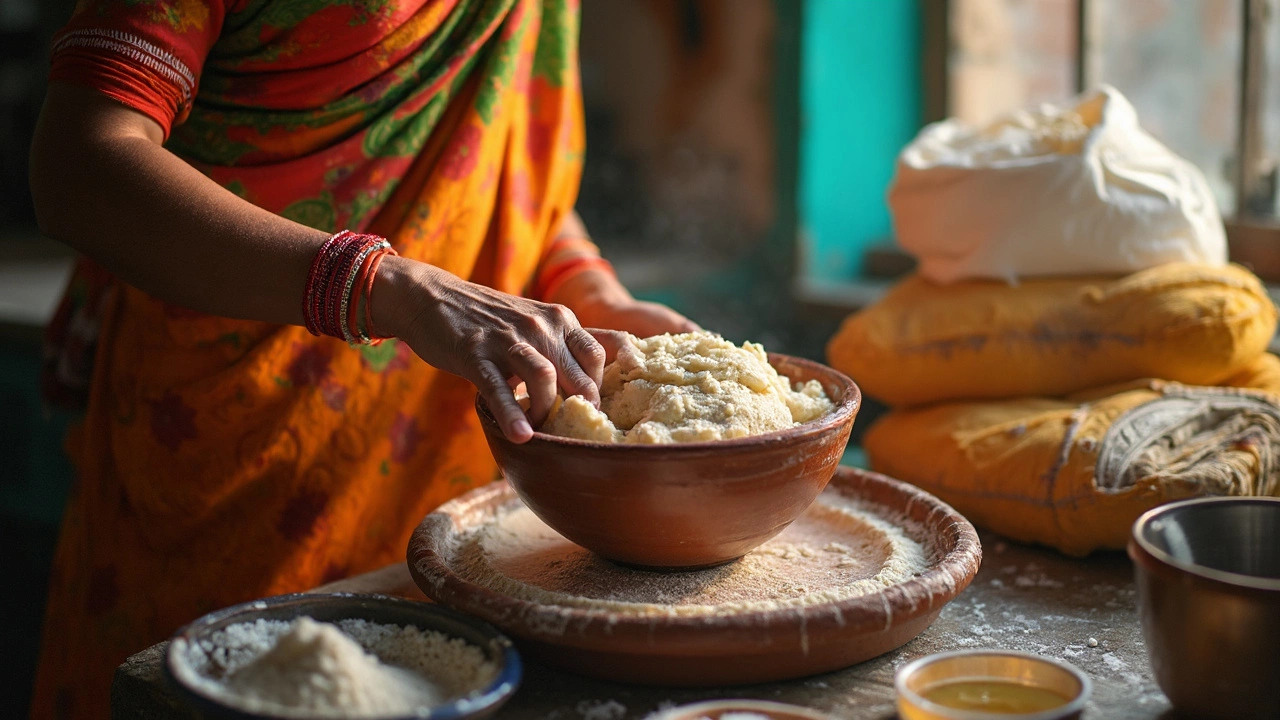
Soft Dough Secrets: The Key to Perfect Roti Every Time
Curious about why your rotis never turn out as soft as you'd like? This article reveals the often-overlooked details that make all the difference when kneading dough for roti. You'll find practical tips backed by kitchen-tested experience, from flour choices to how long to let the dough rest. Expect relatable advice and specific hacks you can start using today. Get ready to say goodbye to hard rotis for good.
View More