Soft Chapati: How to Make the Perfect Indian Flatbread Every Time
When you think of soft chapati, a simple, round, unleavened flatbread made from whole wheat flour and water, staple to millions of Indian meals. It's not just bread—it's the vehicle for curries, the wrap for vegetables, and the comfort in every bite. Also known as roti, it’s the backbone of daily eating across North and Central India, from Punjab to Uttar Pradesh. But why do some chapatis turn out hard and dry, while others are pillowy and perfect? It’s not magic. It’s technique.
The difference between a good chapati and a great one comes down to three things: flour, water, and heat. whole wheat flour, the only flour used in traditional chapati, has more fiber and less gluten than all-purpose flour, which affects how it holds moisture. You need cold water—not warm—to keep the gluten from tightening too much. And you knead it like you mean it. At least 10 minutes. No shortcuts. That’s what gives it elasticity. Then you let it rest. Not 10 minutes. Not 20. At least an hour. That’s when the flour fully hydrates and the gluten relaxes. Skip this, and your chapati will crack like dry clay.
traditional Indian bread, whether it’s chapati, paratha, or naan, all rely on direct heat for that signature puff. A tawa (flat griddle) works fine, but the real trick is the flame. After you roll it out, place it on a medium-hot tawa. Wait for those little bubbles to form. Flip it. Press gently with a cloth. Now hold it over an open flame for three seconds. That’s when it balloons up like a balloon. That’s the sign of perfect steam trapped inside. No flame? No puff. No puff? It’s just a flat, tough disk.
And don’t even think about storing them in the fridge. Cold kills softness. Stack them hot, cover with a clean kitchen towel, and keep them in a bread box or wrapped in a cloth. That’s how Indian moms do it—because they know heat and moisture are the only friends a chapati has after it leaves the tawa.
What you’ll find in the posts below aren’t just recipes. They’re the real-life hacks passed down through generations. How to fix dough that’s too dry. Why some families add a pinch of salt. How to roll chapatis evenly without a rolling pin. And yes—why your chapati won’t puff, even if you followed every step. These aren’t theory lessons. These are the fixes that actually work in kitchens from Delhi to Dharavi.
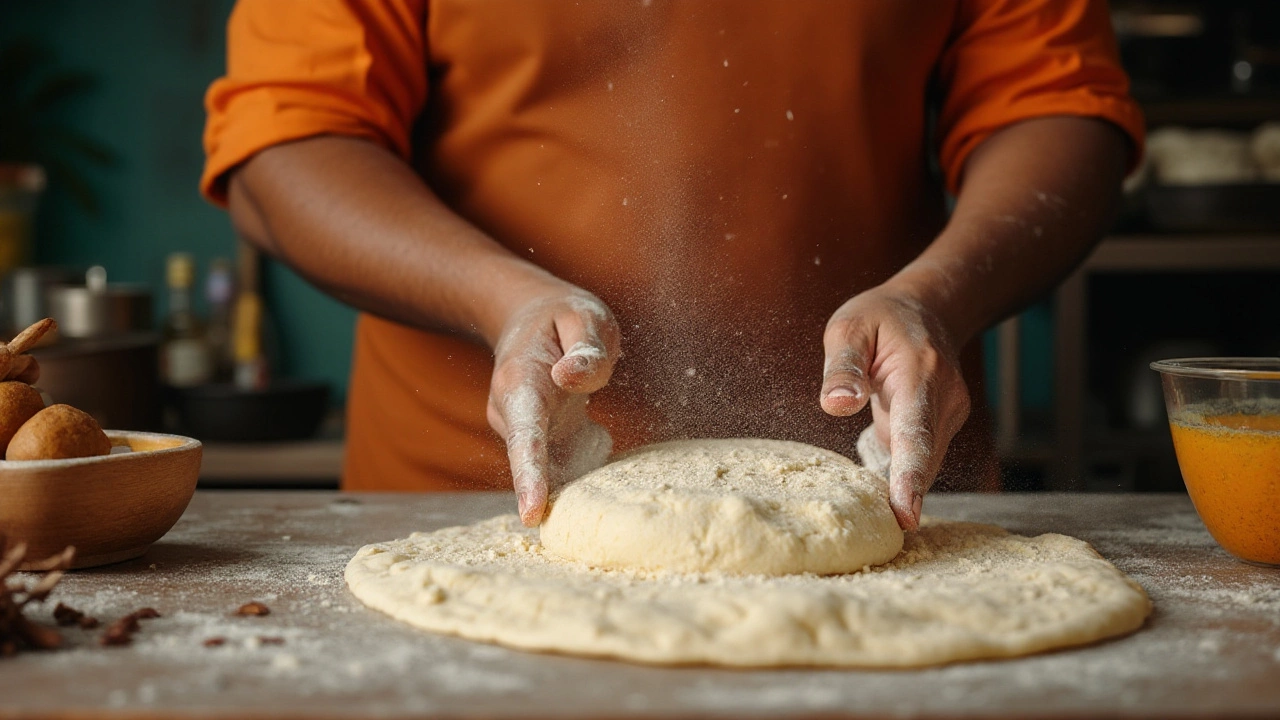
Secrets to Keep Roti Soft and Delicious
Achieving soft roti is an art perfected through attention to detail and technique. Explore the secrets to making your roti soft and delectable, with insights into ingredient selection, dough preparation, cooking methods, and storage techniques. Discover tried-and-tested tips for every step to ensure each roti is a warm, tender delight. Empower your roti-making skills with easy-to-follow advice that transforms a simple flatbread into a culinary masterpiece.
View More