Roti Recipe Tips: Perfect Flatbreads Every Time
When you think of roti, a simple, unleavened Indian flatbread made from whole wheat flour and water. Also known as chapati, it’s the daily bread in millions of Indian homes—not because it’s fancy, but because it’s reliable, filling, and pairs with everything. No oven? No problem. No fancy equipment? Doesn’t matter. All you need is a hot skillet, a little patience, and the right dough.
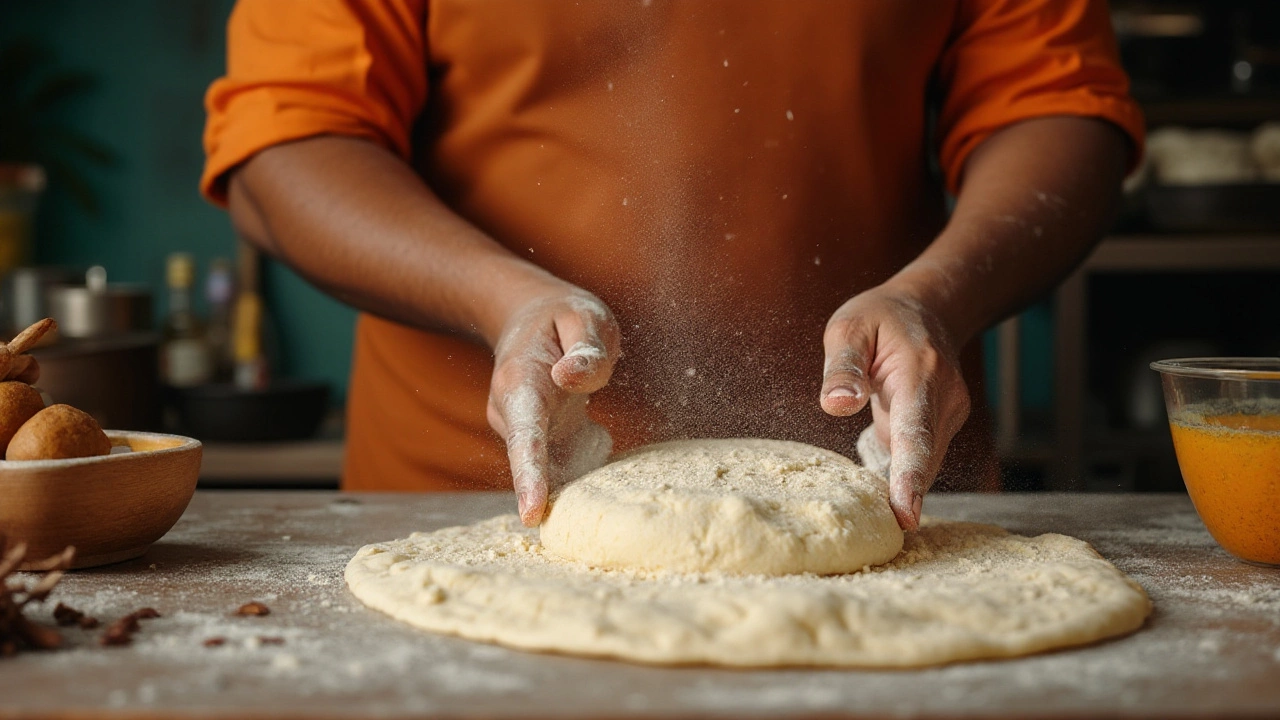
The secret to great roti isn’t in the recipe—it’s in the roti dough, a mix of whole wheat flour, water, and a pinch of salt, kneaded until smooth and elastic. Too dry? Your roti will crack. Too wet? It’ll stick to everything. The ideal dough should feel like your earlobe—soft, pliable, not sticky. Let it rest for at least 20 minutes. That’s not a suggestion; it’s science. Resting lets the gluten relax so the roti puffs up when cooked, not shrinks or tears.
Rolling matters more than you think. Don’t use too much flour while rolling—it dries out the surface. Use a light dusting, and rotate the dough as you roll to keep it even. A perfect roti isn’t round like a coin—it’s slightly uneven, with natural thick and thin spots. That’s how you get that soft center and crisp edges. Cook on medium-high heat. Wait for the first bubble to form, flip, press gently with a cloth, and watch it puff like a balloon. If it doesn’t puff, your pan isn’t hot enough, or your dough is too dry.
Many people skip the next step: wrapping the cooked rotis in a clean towel. That’s where the magic happens. The steam keeps them soft for hours. Skip this, and your rotis turn hard by lunchtime. And don’t store them in the fridge unless you’re planning to reheat them—cold makes them tough.
There’s a reason Indian families make roti every single day. It’s not just food. It’s comfort. It’s the base for dal, the wrapper for curry, the tool for scooping up chutney. And when you get the roti recipe tips right, it becomes something you don’t just eat—you crave.
Below, you’ll find real kitchen-tested advice from posts that dig into exactly how to fix common roti problems—why yours won’t puff, how to store them, what flour works best, and how to make them in under 10 minutes. No fluff. Just what works.
Secrets to Keep Roti Soft and Delicious
Achieving soft roti is an art perfected through attention to detail and technique. Explore the secrets to making your roti soft and delectable, with insights into ingredient selection, dough preparation, cooking methods, and storage techniques. Discover tried-and-tested tips for every step to ensure each roti is a warm, tender delight. Empower your roti-making skills with easy-to-follow advice that transforms a simple flatbread into a culinary masterpiece.
View More