Roti Making: How to Make Perfect Indian Flatbread at Home
When you think of everyday Indian food, roti, a simple, unleavened flatbread made from whole wheat flour and water. Also known as chapati, it’s the quiet backbone of meals across India—from family dinners in Punjab to quick lunches in Tamil Nadu. It doesn’t need fancy ingredients. Just flour, water, a pinch of salt, and a hot tawa. Yet getting it right? That’s where most people struggle.
Roti making isn’t about speed. It’s about touch. The dough needs to rest, not just sit. Kneading it until it’s smooth and elastic makes the difference between a stiff, cracked roti and one that puffs up like a cloud. The heat on the tawa has to be just right—not too hot, not too cold. Too hot and it burns before it puffs. Too low and it turns rubbery. And the rolling? Don’t force it. Let the weight of your rolling pin do the work. A thick center? That’s a sign you rushed. A perfect roti is thin, even, and soft enough to fold without tearing.
People often confuse roti with naan or paratha. But roti is different. No yeast. No butter. No frying. Just flour, water, and fire. It’s the daily bread of over a billion people. And while you’ll find it served with dal, curry, or even just ghee, its real power is in how it holds everything together—soaking up flavors without falling apart. That’s why every Indian kitchen has a tawa, and every home cook has their own rhythm when rolling and flipping.
What you’ll find in the posts below isn’t a single recipe. It’s the real, lived experience of roti making across India. From the grain-to-flour ratios used in rural Uttar Pradesh to the tricks grandmothers swear by to keep rotis soft for days. You’ll learn why some bakers add a dash of oil to the dough, how humidity changes your rolling game, and why the perfect puff isn’t luck—it’s technique. Whether you’re making your first roti or trying to fix a stubborn batch, these posts give you the no-nonsense answers you need.
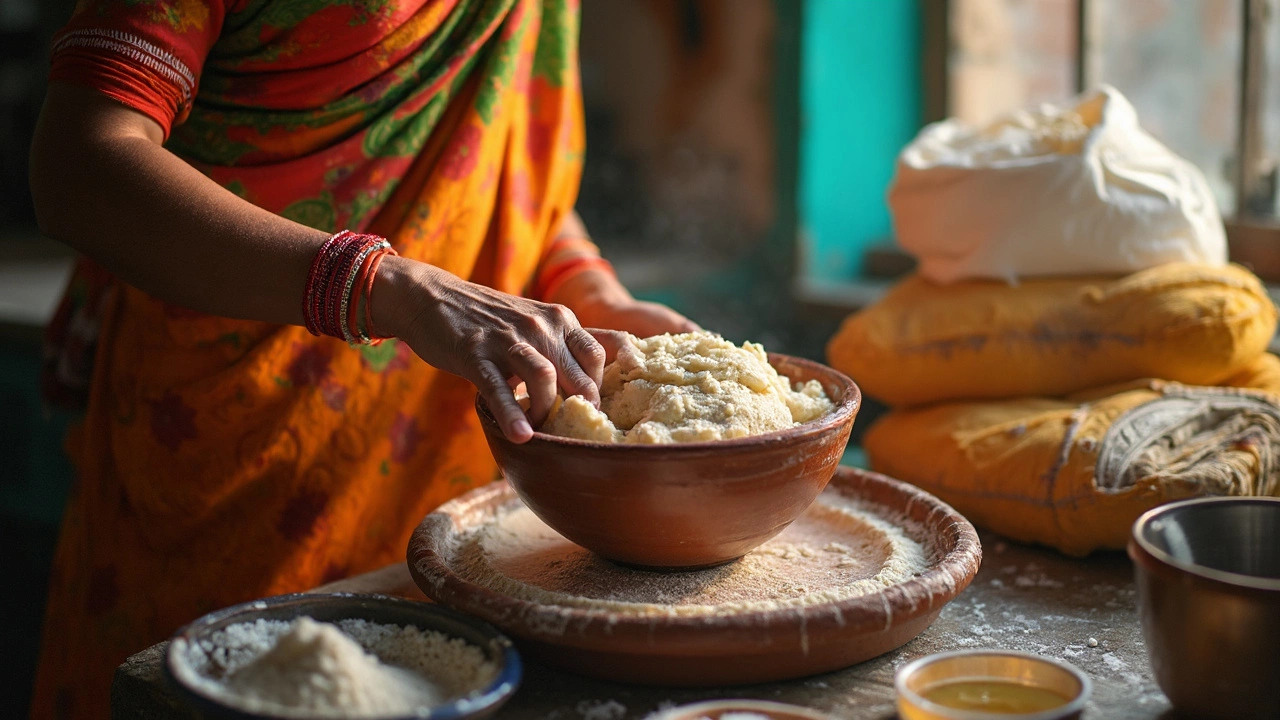
Soft Dough Secrets: The Key to Perfect Roti Every Time
Curious about why your rotis never turn out as soft as you'd like? This article reveals the often-overlooked details that make all the difference when kneading dough for roti. You'll find practical tips backed by kitchen-tested experience, from flour choices to how long to let the dough rest. Expect relatable advice and specific hacks you can start using today. Get ready to say goodbye to hard rotis for good.
View More