Roti: The Everyday Bread That Feeds India
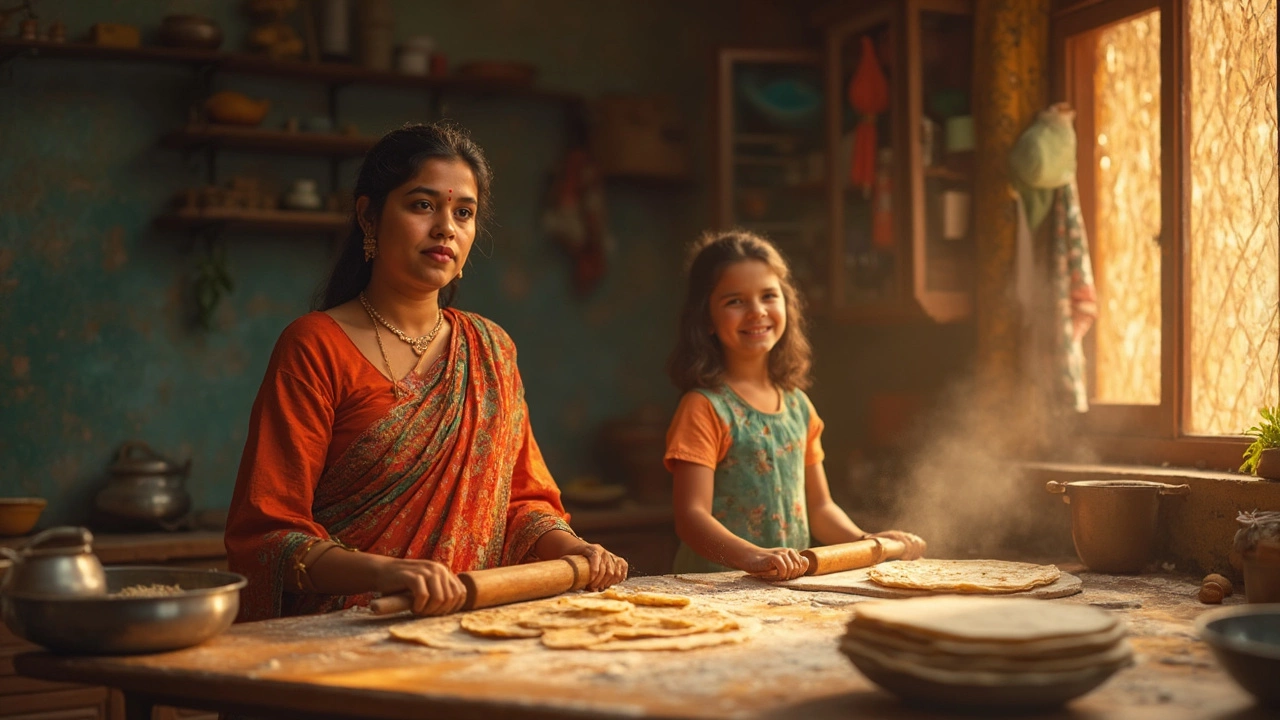
Roti, a simple, unleavened flatbread made from whole wheat flour, water, and salt. Also known as chapati, it’s the most common bread in Indian homes—not because it’s fancy, but because it’s reliable, filling, and made fresh every day. You won’t find roti in a fancy restaurant menu as the star, but you’ll find it on every single table—from rural villages to city apartments. It’s not just food. It’s ritual. It’s comfort. It’s the hand-pressed companion to dal, curry, or even just a spoon of ghee.
Roti is part of a larger family of Indian flatbreads, each with its own twist. Paratha, a layered, fried version of roti, often stuffed with potatoes or paneer, shows up on weekend breakfasts. Naan, a leavened bread baked in a tandoor, is the restaurant favorite. But roti? Roti is what you eat when you’re hungry, tired, or just need something real. It doesn’t need butter or cheese. It doesn’t need sauce. It just needs your hands to tear it, and your mouth to chew it slowly.
What makes roti work isn’t the recipe—it’s the rhythm. The flour is ground fresh. The water is warm, not cold. The dough is kneaded until it’s soft, not stiff. The rolling is quick, not perfect. The cooking is done on a hot griddle, not in an oven. No yeast. No sugar. No fancy tools. Just flour, water, salt, and heat. That’s it. And that’s why it’s everywhere. It’s cheap. It’s fast. It’s gluten-rich, fiber-packed, and doesn’t spike your blood sugar like white bread. It’s the reason India eats less sugar than most countries—because roti fills you up without needing sweet sides.
People ask, "What’s the #1 Indian dish?" Butter chicken? Dal tadka? No. The real #1 is roti. It’s the base. The canvas. The silent partner to every curry, every pickle, every bowl of yogurt. You can’t have a proper Indian meal without it. You can skip the rice. You can skip the paneer. But skip the roti? You haven’t eaten Indian food—you’ve just had sauce with a side of nothing.
Below, you’ll find real stories, real recipes, and real questions about roti: why some batter turns grainy, how to get the perfect puff, whether you can make it without a tawa, and how it compares to other Indian breads. These aren’t fancy chef tips. These are the things your grandmother knew—and the things your kitchen needs to know too.
Chapati vs Roti: What's the Real Difference?
Ever wondered if chapati and roti are actually different? This article cuts through the confusion, breaking down how chapati and roti are made, how they taste, and where they come from. You'll find out if you really need to stress about calling your bread a chapati or a roti. Grab some simple tips for rolling and cooking the perfect flatbread. After reading, you'll never hesitate in the kitchen again.
View More