Non-Vegetarian Foods in India: Chicken, Fish, and Meat Dishes You Need to Try
When people think of non-vegetarian foods, meat, poultry, and seafood dishes that form a core part of daily meals across India. Also known as Indian meat dishes, these foods aren’t just about protein—they’re tied to culture, climate, and centuries of cooking tradition. India doesn’t have one single way of eating non-veg. In coastal Kerala, fish is cooked in coconut milk and curry leaves. In Punjab, tandoori chicken sizzles in clay ovens. In Bengal, mustard oil and panch phoron turn small fish into rich, aromatic curries. These aren’t fancy restaurant dishes—they’re what families eat on weeknights.
Tandoori chicken, a marinated chicken dish cooked in a clay oven with yogurt, spices, and red chili. Also known as Indian grilled chicken, it’s one of the most popular non-vegetarian foods you’ll find from Delhi to Dubai. It’s not just spicy—it’s tender because of the yogurt marinade, which breaks down the meat naturally. Then there’s Indian fish curries, regional dishes using freshwater or sea fish, often cooked with tamarind, coconut, or turmeric. Also known as fish masala, they’re eaten daily in states like Goa, Odisha, and West Bengal, where rivers and oceans shape the diet. Even in cities, street vendors sell spicy kebabs, egg-based biryanis, and slow-cooked goat curries that have been passed down for generations.
What makes these dishes stand out isn’t just the meat—it’s how they’re seasoned, slow-cooked, or fermented. Unlike Western grilling, Indian non-veg often uses spice blends that don’t just add heat but depth—cumin, fennel, asafoetida, and dried mango powder. Many dishes are cooked with minimal oil, relying on natural fats from yogurt or coconut. And while some assume Indian non-veg is heavy, many regional versions are actually light, balanced, and packed with protein.
You’ll find non-vegetarian foods in India aren’t just about eating meat—they’re about eating well. Whether it’s a simple fish curry with rice in Tamil Nadu or a rich mutton curry during Eid in Lucknow, these meals carry history, seasonality, and local pride. The recipes below show you exactly how these dishes are made at home—no fancy tools, no imported ingredients, just real flavor from real kitchens.
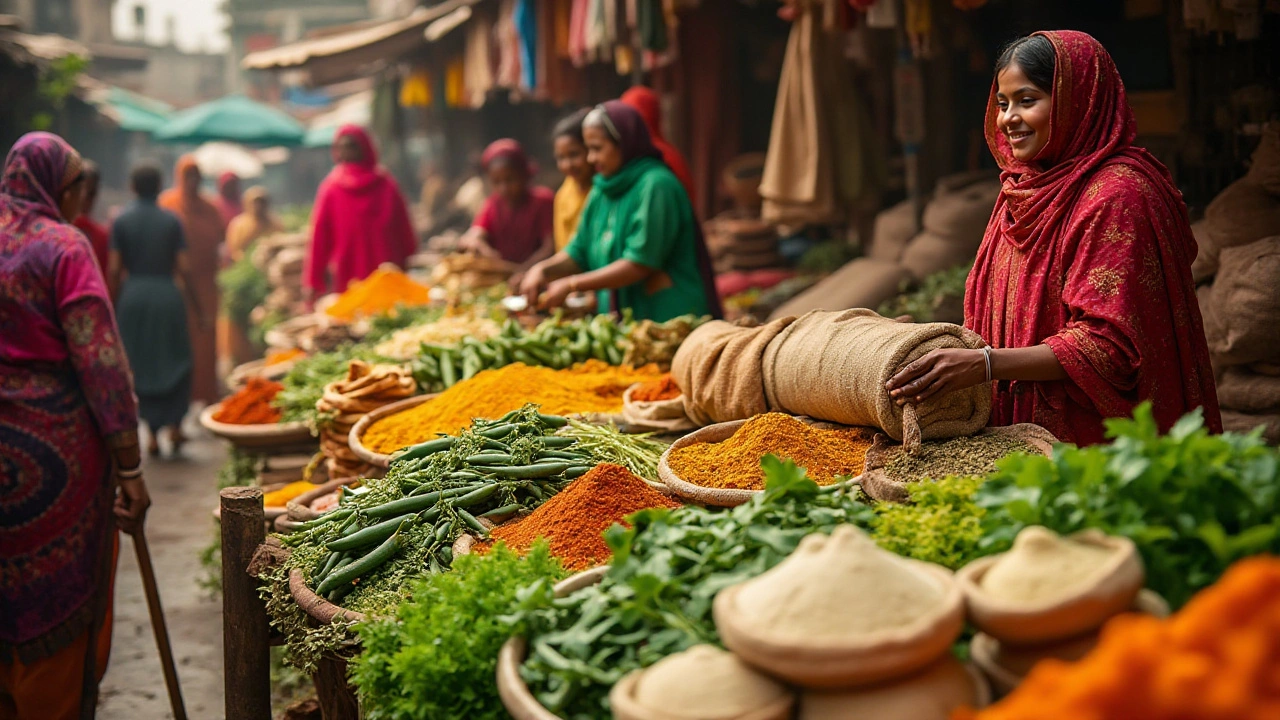
Indian Vegetarian Foods: What to Avoid on a Traditional Diet
The world of Indian vegetarian cuisine is vibrant and diverse, rooted in cultural and religious practices. However, many foods that are considered vegetarian in other cuisines do not qualify under the traditional Indian vegetarian lifestyle. This article explores common Indian vegetarian foods, clarifies misconceptions, and offers tips on adhering to a traditional vegetarian diet. There's a focus on ingredients and dishes that are commonly mistaken for vegetarian-friendly, helping to navigate these culinary delights while maintaining dietary preferences.
View More