Kitchen Hacks: Smart Indian Cooking Tips That Actually Work
When it comes to kitchen hacks, practical, no-fluff tricks that solve real cooking problems in Indian kitchens. Also known as Indian cooking shortcuts, these aren’t fancy tricks from influencers—they’re the quiet, proven methods passed down through generations of home cooks who need meals ready fast, without sacrificing taste. Think of them as the secret language of Indian kitchens: the way you soak basmati rice for exactly 30 minutes, why vinegar beats lemon for paneer, or how thinning sour cream makes it work like yogurt in tandoori chicken.
These kitchen hacks aren’t about buying new tools. They’re about using what you already have better. For example, grainy dosa batter? That’s not a failure—it’s usually a sign you didn’t ferment it long enough or blended it too late. The fix? Let it sit overnight, then blend again with a splash of water. Or take paneer: you’ve probably tried lemon juice and ended up with crumbly, weak curds. That’s because citrus doesn’t curdle milk cleanly. Vinegar does. It’s simple, reliable, and gives you firm, clean paneer every time. Then there’s the tandoori chicken marinade. Yogurt, spices, and acid—skip one, and you lose tenderness, color, or flavor. These aren’t opinions. They’re tested rules that work because of how Indian ingredients behave.
And it’s not just about what you add—it’s about what you avoid. Mixing citrus and dairy? It sounds natural, but it breaks the protein structure in milk, making paneer or raita grainy. Using sour cream straight from the tub? It’s too thick and greasy for chicken. Thin it with water or yogurt, and suddenly it’s perfect. These are the kinds of details that separate okay meals from great ones. You don’t need a chef’s degree. You just need to know the why behind the how.
What you’ll find below isn’t a list of random tips. It’s a curated collection of real, used-every-day hacks from Indian kitchens—from fixing fermented batter to choosing the healthiest breakfast, understanding why tandoori chicken turns orange, and even how to serve chutney so it doesn’t go to waste. These are the small things that make cooking Indian food less stressful and way more delicious. No theory. No fluff. Just what works.
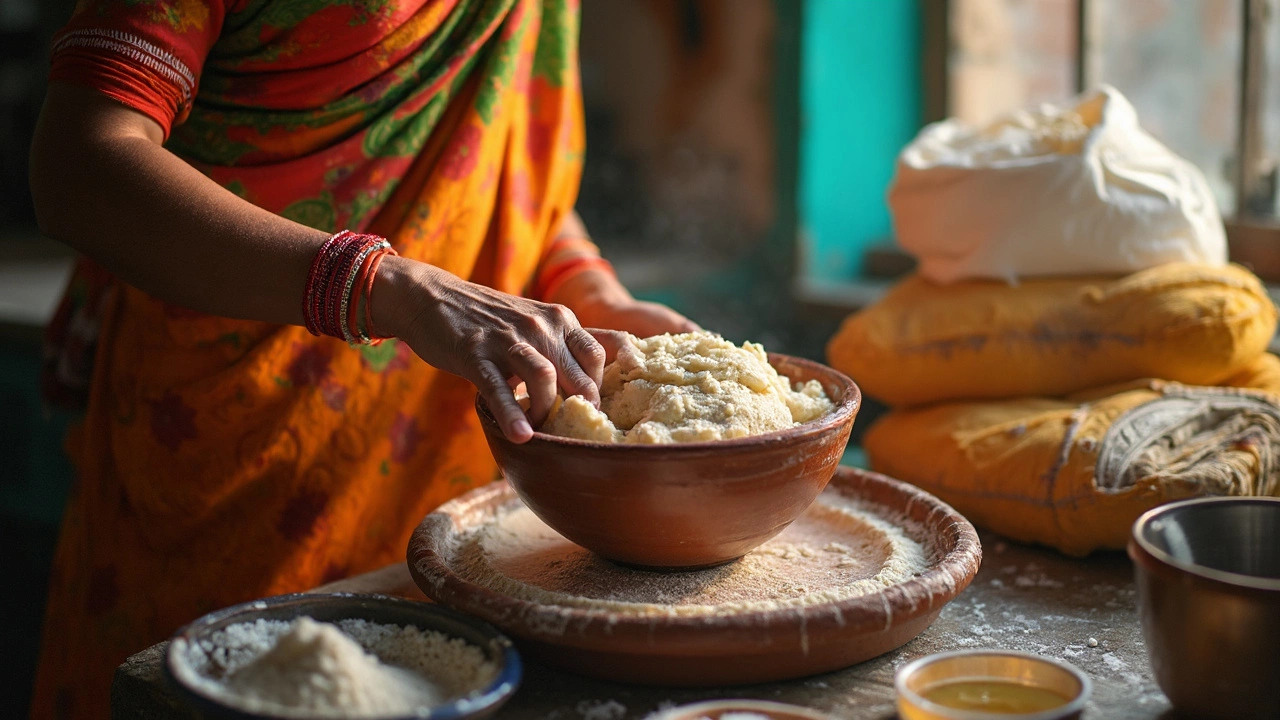
Soft Dough Secrets: The Key to Perfect Roti Every Time
Curious about why your rotis never turn out as soft as you'd like? This article reveals the often-overlooked details that make all the difference when kneading dough for roti. You'll find practical tips backed by kitchen-tested experience, from flour choices to how long to let the dough rest. Expect relatable advice and specific hacks you can start using today. Get ready to say goodbye to hard rotis for good.
View More