Indian Vegetarian: Real Meals, Rules, and Recipes That Define a Lifestyle
When people say Indian vegetarian, a dietary pattern rooted in culture, religion, and daily habit, not just a choice to avoid meat. Also known as lacto-vegetarian, it includes dairy but excludes eggs, meat, and fish—making it one of the most widespread and structured vegetarian diets in the world. This isn’t just about skipping chicken. It’s about what’s on the plate every morning, noon, and night across villages and cities from Punjab to Tamil Nadu.
Many assume Indian vegetarian means bland rice and lentils. But look closer. It includes strict Indian vegetarian, a version that avoids even onion and garlic, followed by communities like Jains and some Brahmin families. Then there’s the more common version that welcomes yogurt, ghee, and paneer—foods that aren’t just ingredients, they’re cultural anchors. You’ll find dairy-free Indian dishes, meals made without milk, ghee, or paneer, often using coconut, lentils, or nuts for richness in South India, where temple traditions and health beliefs shape the plate. These aren’t trendy vegan swaps—they’ve been cooked for centuries.
The connection between religion and food runs deep. In many homes, meals are planned around fasting days, festivals, or caste customs. That’s why you’ll see the same dishes—idli, dal tadka, chana masala—repeated across regions, but with subtle differences. One family uses mustard oil; another uses peanut oil. One skips turmeric during fasting; another adds jaggery to balance spice. This isn’t inconsistency—it’s adaptation within rules.
And it’s not just about what’s eaten. It’s about what’s avoided. No eggs. No meat. Sometimes no root vegetables. Some avoid garlic because it’s considered heating; others avoid mushrooms because they grow in dark, damp places—seen as impure. These aren’t random quirks. They’re part of a system that’s been passed down for generations.
What you’ll find in this collection isn’t just recipes. It’s the real story behind the food. You’ll learn why yogurt is non-negotiable in tandoori marinades, how to make paneer without citrus, and why dosa batter must ferment just right. You’ll see how low-calorie snacks like roasted chana beat chips, and why kheer is older than most desserts you know. You’ll also find what most Indians never eat—like beef, pork, or even certain legumes in some regions—and why.
Whether you’re trying to eat cleaner, understand cultural food practices, or just want to cook authentic meals without dairy or meat, this isn’t a list of trendy dishes. It’s a window into how over 400 million people in India eat every single day—without ever calling it a diet.
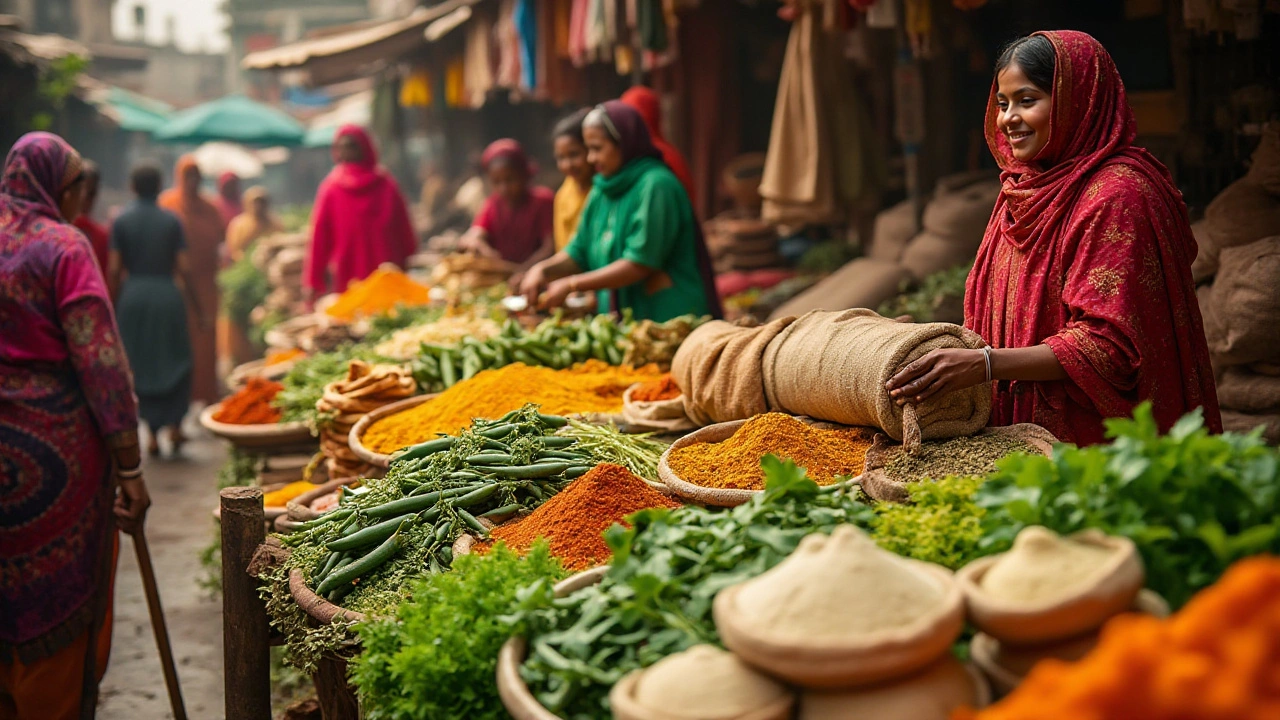
Indian Vegetarian Foods: What to Avoid on a Traditional Diet
The world of Indian vegetarian cuisine is vibrant and diverse, rooted in cultural and religious practices. However, many foods that are considered vegetarian in other cuisines do not qualify under the traditional Indian vegetarian lifestyle. This article explores common Indian vegetarian foods, clarifies misconceptions, and offers tips on adhering to a traditional vegetarian diet. There's a focus on ingredients and dishes that are commonly mistaken for vegetarian-friendly, helping to navigate these culinary delights while maintaining dietary preferences.
View More