Indian Tomatoes: How They Shape Flavor, Nutrition, and Everyday Cooking
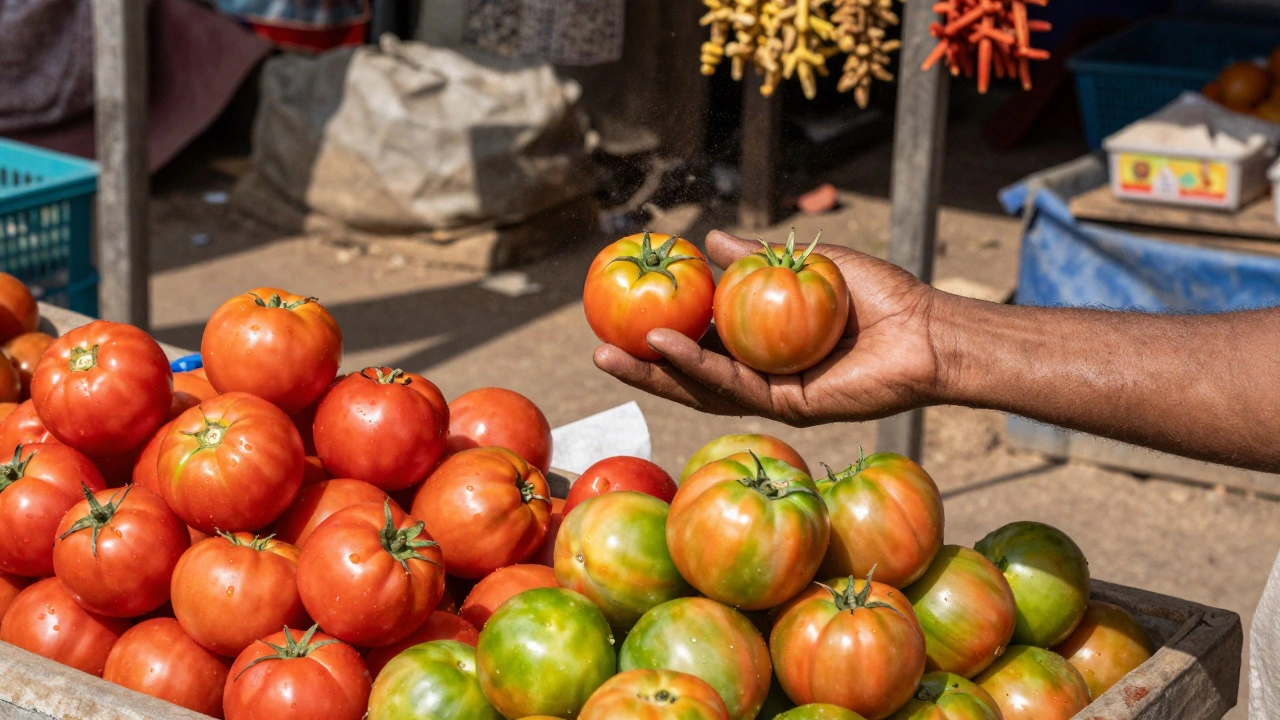
When you think of Indian tomatoes, smaller, tangier, and more intensely flavored than supermarket varieties, these are the tomatoes that give Indian curries their soul. Also known as desi tomatoes, they’re not just an ingredient—they’re the foundation of flavor in everything from dal tadka to aam ka achar. Unlike the large, watery tomatoes you find in Western supermarkets, Indian tomatoes are dense, slightly acidic, and packed with natural sugars that caramelize beautifully when cooked down. They’re the reason your masala doesn’t taste flat—they bring balance, body, and brightness.
These tomatoes aren’t just used raw or chopped. In Indian kitchens, they’re slow-roasted, sun-dried, pureed into pastes, and even fried in oil to deepen their flavor. They work with spices like cumin, turmeric, and coriander in ways no other tomato can. You’ll find them in chutneys, a staple condiment that turns simple meals into bold experiences, in biryani, where they add a subtle tang that cuts through rich meat and rice, and even in breakfast dishes like poha and upma. They’re the silent partner in dishes that rely on layering flavors—not heat, not cream, but the slow breakdown of tomato into a rich, unctuous base.
What makes Indian tomatoes special isn’t just their taste—it’s how they’re grown and used. Most are grown locally, harvested young, and used within hours. That means less water content, more skin, and a thicker pulp that holds up during long cooking. They’re not peeled or seeded unless absolutely necessary. The skin adds texture; the seeds add depth. In fact, many traditional recipes call for leaving them whole and crushing them by hand while cooking. This isn’t a mistake—it’s technique.
You won’t find them in fancy grocery chains, but you’ll find them in every local market across India—from the bustling lanes of Delhi to the quiet stalls of Tamil Nadu. They’re cheaper, more accessible, and more flavorful than imported varieties. And while some modern recipes push for Roma or plum tomatoes, anyone who’s cooked authentic Indian food knows: nothing else delivers the same result. If you’re trying to recreate a dish from scratch, using the wrong tomato is like using white sugar instead of jaggery—it changes everything.
That’s why the posts below cover everything you need to know about working with Indian tomatoes. You’ll find tips on how to pick the best ones, how to store them so they last longer, and how to use them in dishes where they’re not even mentioned by name—but are absolutely essential. Whether you’re fixing a bland curry, making chutney from scratch, or just trying to understand why your tomato-based dish tastes off, the answers are here. No fluff. No theory. Just real, practical ways to make your Indian cooking taste like it should.
Are Tomatoes Safe to Eat in India? What You Need to Know Before Using Them in Recipes
Tomatoes are safe to eat in India if you buy from trusted sources, wash them properly, and cook them when possible. Learn how to spot chemically ripened tomatoes and avoid risks in everyday cooking.
View More