Tomato Safety Checker
Check Your Tomatoes for Safety
Answer these 5 questions based on your tomatoes to determine if they might have been chemically ripened.
Tomatoes are everywhere in Indian cooking. They’re in curries, chutneys, dal, sabzis, and even in your morning tomato-egg bhurji. But if you’ve ever heard someone say, "Don’t eat tomatoes here, they’re not safe," you might wonder: is this true? Are tomatoes in India actually unsafe to eat?
The short answer? Yes, tomatoes in India are safe to eat - if you know how to handle them right. The problem isn’t the tomato itself. It’s how they’re grown, washed, and stored before they reach your kitchen.
Why Do People Say Tomatoes in India Are Unsafe?
It’s not a myth. There’s a real reason behind the warning. In many parts of India, especially in smaller towns and local markets, tomatoes are often treated with ethylene gas to ripen them faster. This isn’t illegal, but it’s rarely monitored. Ethylene is naturally used by farmers worldwide to control ripening, but when it’s applied in unregulated amounts - or mixed with harmful chemicals like calcium carbide - it becomes a problem.
Calcium carbide, a cheap and banned ripening agent, is still used illegally in some areas. It releases acetylene gas, which speeds up ripening but leaves behind traces of arsenic and phosphorus. These can cause stomach upset, nausea, or even long-term nerve damage with repeated exposure. That’s where the fear comes from.
But here’s the thing: you won’t find this in supermarkets, branded produce, or organic stores. Most urban buyers get tomatoes from reliable sources. The risk is mostly in roadside vendors, unmarked markets, or bulk purchases from unverified suppliers.
How to Tell If a Tomato Is Ripened Naturally
Not all red tomatoes are created equal. Here’s how to spot the difference:
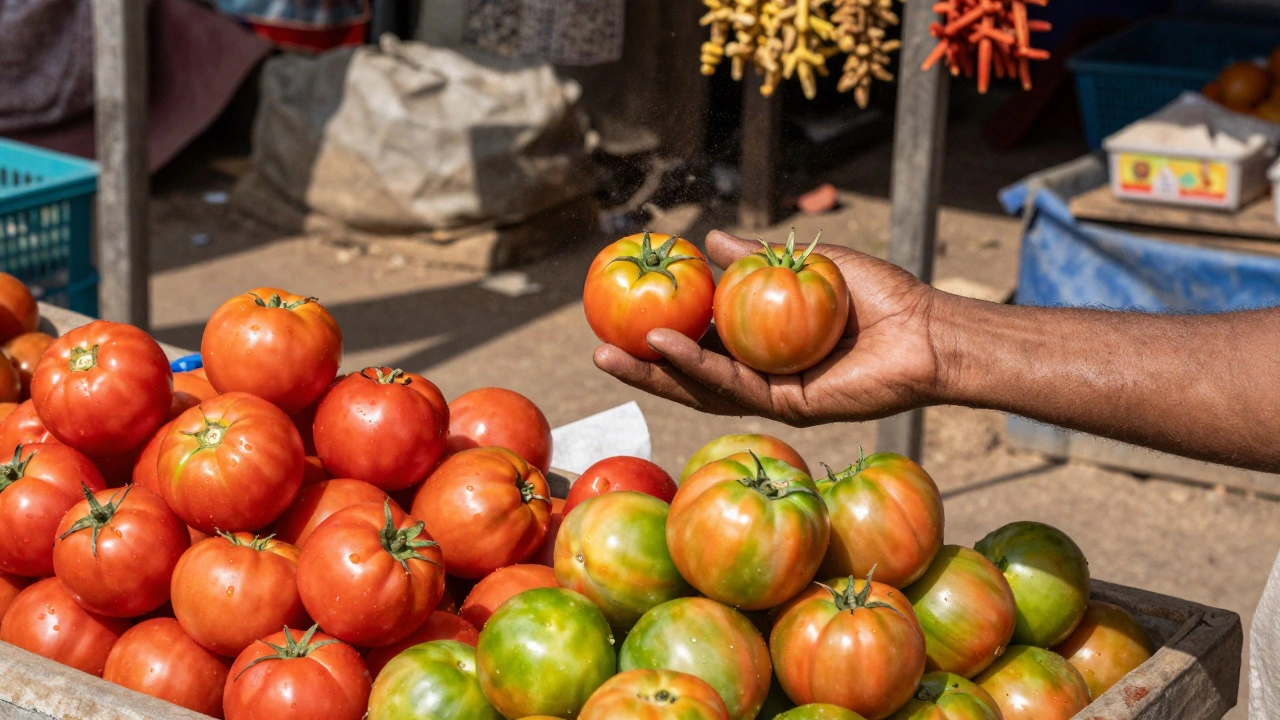
- Naturally ripened tomatoes have uneven color - green patches near the stem, slightly softer texture, and a sweet, earthy smell. They may not look perfect, but they taste like tomatoes should.
- Chemically ripened tomatoes are uniformly bright red, often hard to the touch, and smell bland or like nothing at all. They might look great on the outside, but cut them open - the inside is often white or pale, with no juicy flesh around the seeds.
One real-world test: if a tomato stays perfectly firm for days without rotting, even in warm weather, it’s likely been treated. Natural tomatoes soften within a day or two after ripening.
How to Clean Tomatoes Properly in India
Even if your tomatoes are naturally ripened, they can still carry dirt, pesticides, or bacteria from handling. Here’s how to clean them like a pro:
- Rinse under running tap water for at least 30 seconds. Don’t just dunk them.
- Use a soft vegetable brush to gently scrub the skin. Tomato skin is thin but can trap dirt in tiny crevices.
- Soak in a bowl of water with a splash of vinegar (1 part vinegar to 3 parts water) for 5 minutes. This removes surface pesticides and bacteria better than water alone.
- Rinse again with clean water and pat dry with a clean cloth.
Never use soap. It leaves a residue that’s hard to rinse off and isn’t meant for food. Baking soda works too - mix a teaspoon into a bowl of water and soak for 10 minutes.

Tomatoes in Indian Recipes: What’s Safe to Eat?
Here’s the truth: most Indian dishes that use tomatoes are actually safer than you think - because of how they’re cooked.
When you cook tomatoes in oil with spices - like in a tomato-based curry, masala, or chutney - the heat kills most harmful bacteria. Cooking also breaks down any residual chemicals. So if you’re making:
- Tomato dal - boiling for 20+ minutes makes it safe.
- Tomato chutney - simmered with vinegar and sugar, it’s naturally preserved.
- Tomato rice - cooked with spices and heat, no issue.
The only time you need to be extra careful is with raw tomatoes. Think:
- Salads (rare in traditional Indian meals, but common in urban cafes)
- Raw tomato slices with salt and pepper
- Tomato-based dips like raita with raw tomato
For these, always buy from trusted sources - supermarkets like Big Bazaar, Dmart, or organic stores like Nature’s Basket. Avoid buying tomatoes from street vendors if you’re eating them raw.
Where to Buy Safe Tomatoes in India
You don’t need to avoid tomatoes. You just need to shop smarter.
Here are the safest places to buy tomatoes in India:
- Supermarkets - Dmart, Reliance Fresh, Big Bazaar. These have supply chain controls and regular testing.
- Organic stores - Nature’s Basket, Farm2Kitchen, or local organic co-ops. These tomatoes are grown without synthetic ripening agents.
- Farmer’s markets - In cities like Pune, Bengaluru, or Delhi, weekend markets let you talk directly to farmers. Ask how the tomatoes were ripened.
- Online grocery - BigBasket, Blinkit, JioMart. Many now offer verified "chemical-free" or "farm-fresh" labels.
Price isn’t always an indicator. You can find cheap, safe tomatoes at local markets too - just know what to look for.
What Happens If You Eat a Chemically Ripened Tomato?
One bad tomato won’t make you sick. Most people eat them without knowing. The real risk comes from long-term, repeated exposure.
Short-term effects (if any):
- Stomach cramps
- Mild nausea
- Headache or dizziness (rare)
Long-term exposure (months or years) to calcium carbide residues may affect the nervous system. But again - this is rare. Most people who eat tomatoes daily in India don’t have health issues. The key is variety and cleaning.
Studies from the Indian Council of Medical Research (ICMR) show that tomatoes sold in regulated markets have pesticide levels well below safety limits. The problem is in unregulated channels.
Can You Grow Your Own Tomatoes in India?
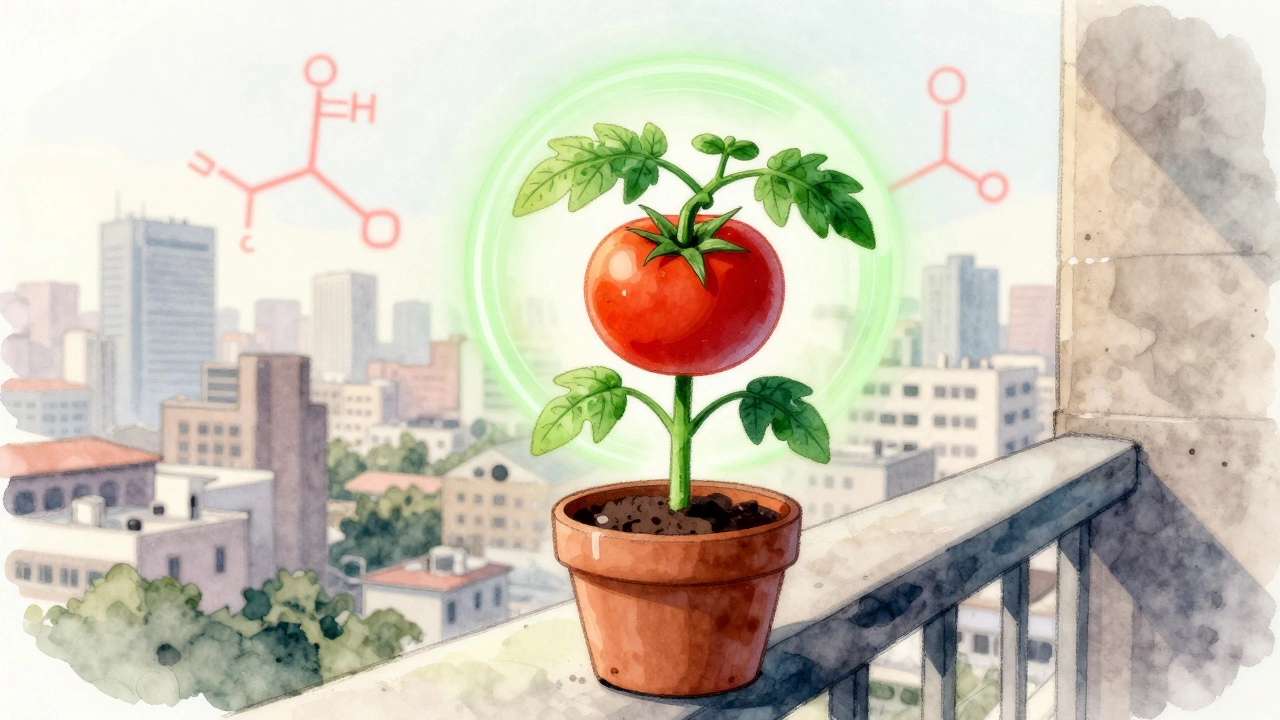
If you’re worried, growing your own is the safest bet. Tomatoes grow easily in pots on balconies or terraces across India. Even in Delhi or Mumbai, people grow them in 5-gallon buckets.
Use:
- Well-draining soil
- At least 6 hours of sunlight
- Water every other day
- No chemical fertilizers - compost or cow dung works great
Within 60-70 days, you’ll have ripe, safe tomatoes. No ripening agents. No pesticides. Just flavor.
Final Verdict: Are Tomatoes Safe to Eat in India?
Yes. Tomatoes are safe to eat in India - if you take simple steps.
Don’t panic. Don’t avoid them. Just:
- Buy from trusted sources
- Wash them properly
- Cook them when possible
- Avoid raw tomatoes from unknown vendors
Tomatoes are a cornerstone of Indian food. They add acidity, color, and depth to dishes that define the cuisine. Removing them from your kitchen means losing the soul of many recipes - from a simple tomato rice to a rich Rogan Josh.
There’s no need to fear tomatoes. Just be smart about where you get them and how you prepare them. That’s all it takes to enjoy them safely - every single day.
Are tomatoes in India treated with chemicals?
Some tomatoes, especially those sold in small markets or by street vendors, may be treated with calcium carbide or ethylene gas to ripen faster. This is illegal in many cases and unregulated. However, tomatoes from supermarkets, organic stores, or certified suppliers are tested and safe. Always check the source.
Can I eat raw tomatoes in India?
Yes, but only if you’re sure of the source. Raw tomatoes from trusted supermarkets or organic stores are safe. Avoid raw tomatoes from roadside vendors or unmarked stalls. Always wash them thoroughly with vinegar water before eating raw.
Does cooking tomatoes remove chemicals?
Cooking doesn’t remove all chemicals, but it does kill bacteria and break down many surface residues. Heat from frying, boiling, or simmering reduces the risk significantly. Most traditional Indian tomato dishes are cooked for 15-30 minutes, which makes them much safer than raw tomatoes.
What’s the best way to wash tomatoes in India?
Rinse under running water for 30 seconds, scrub gently with a soft brush, then soak in a mix of 1 part vinegar to 3 parts water for 5 minutes. Rinse again and dry. This removes pesticides, dirt, and surface bacteria better than water alone.
Should I avoid tomatoes if I have a weak stomach?
Not necessarily. If you have a sensitive stomach, focus on buying tomatoes from clean sources and always cook them. Raw tomatoes can be harder to digest, especially if they’re not fresh or are treated. Cooked tomato dishes like dal, sabzi, or chutney are easier on the stomach and safer.