Indian Cuisine Staples: Essential Foods That Define Indian Meals
When you think of Indian cuisine staples, the foundational foods that form the backbone of daily meals across India. Also known as core Indian ingredients, these are not fancy restaurant dishes—they’re what families eat every morning, noon, and night. These aren’t just recipes. They’re habits. Rituals. The quiet, daily rhythm of Indian life.
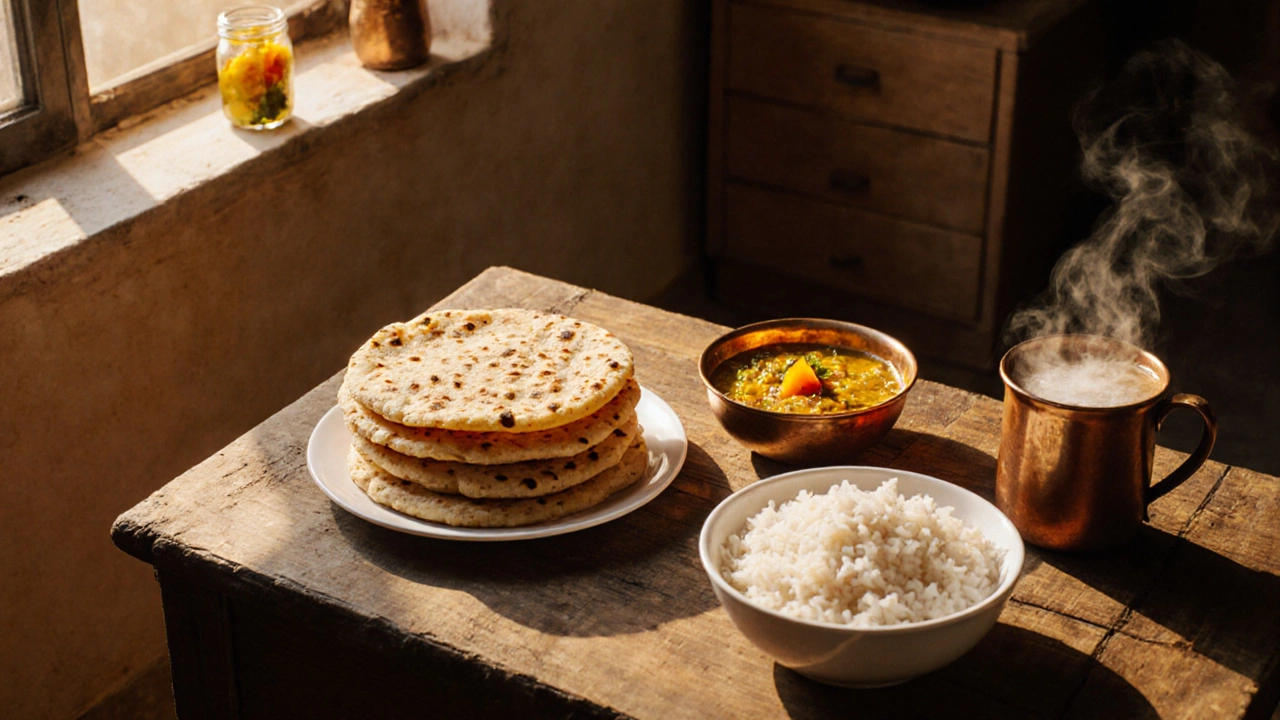
At the heart of most Indian meals is dal, a simple lentil stew cooked with turmeric, cumin, and garlic. It’s served with rice or flatbread, and every region has its own version—from the creamy dal makhani of the north to the tangy sambar of the south. Then there’s basmati rice, the long-grain staple that soaks up spices and holds its shape. You won’t find a single Indian household that doesn’t keep a bag of it in the pantry. And let’s not forget paneer, the fresh, non-melting cheese made by curdling milk with vinegar or lemon juice. It’s the protein anchor in curries, snacks, and even breakfasts.
These staples don’t exist in isolation. They work together. Idli and dosa, made from fermented rice and lentil batter, are breakfast staples in the south but show up in homes nationwide. You’ll find them alongside chutneys made from coconut, tamarind, or mint—each one a flavor partner to the main dish. Even the way you eat matters: using your hands, pairing hot rice with cool yogurt, or sopping up gravy with warm roti. These aren’t just food rules—they’re cultural codes.
What makes Indian cuisine staples powerful is their simplicity. No fancy gadgets. No obscure ingredients. Just lentils, rice, spices, and dairy—used in ways that turn the ordinary into something deeply satisfying. Whether you’re making moong dal khichdi for a sick day, soaking basmati rice for perfect fluffy grains, or learning why vinegar works better than lemon for paneer, you’re tapping into centuries of smart, practical cooking.
Below, you’ll find real stories from Indian kitchens—how people actually eat, what they avoid, what they swear by, and why some dishes stay mild while others pack heat. You’ll see why butter chicken dominates global menus, how to pick the healthiest Indian meal at a restaurant, and why some dals are harder to digest than others. These aren’t theoretical guides. They’re the truths behind the meals that keep India running.
Most Popular Indian Food: What Indians Eat the Most Daily
Discover India's most eaten food, why roti tops the list, regional breakfast habits, quick recipes, nutrition facts, and a handy FAQ for Indian breakfast lovers.
View More