Indian Chutney vs English Chutney: Key Differences and Uses
When you think of Indian chutney, a vibrant, spicy, and often fermented condiment made from fresh herbs, fruits, or vegetables, commonly used in South Asian meals. Also known as chatni, it's not just a side—it's the flavor engine behind dosas, samosas, and even plain rice. Now, picture English chutney, a sweet, slow-cooked preserve made from fruits like mango or apple, often spiked with vinegar and sugar, and served with cheese or cold meats. Also known as fruit chutney, it’s more of a pantry staple than a daily table companion. These two may share a name, but they’re as different as a street food stall and a British tea party.
Indian chutney is alive—fermented, fresh, and sharp. It’s made in minutes with green chilies, coriander, tamarind, or coconut, and used right away to cut through fried snacks or add zing to breakfast. English chutney, on the other hand, is patient. It simmers for hours, turns thick and jam-like, and sits on shelves for months. One wakes up your taste buds; the other mellows them. You won’t find Indian chutney in a jar at a British pub—unless it’s been imported and sweetened to fit local tastes. And you won’t find English chutney in a South Indian home unless it’s been brought back from a trip abroad.
The difference isn’t just taste—it’s culture. Indian chutney is tied to daily rhythm: morning idlis get coconut chutney, lunchtime dosas get tomato chutney, and evening snacks get mint-cilantro chutney. It’s never an afterthought. English chutney? It’s a sidekick to ploughman’s lunches or Christmas puddings. It’s nostalgic, not necessary. One is a spice-driven art form passed down through generations; the other is a colonial-era preserve born from surplus fruit and British preservation habits.
And here’s the thing—Indian chutney doesn’t need sugar to balance flavor. It uses tamarind, lime, or roasted cumin. English chutney leans hard on sugar and vinegar to preserve and sweeten. That’s why you can’t swap them. Pouring English chutney on a samosa would be like putting maple syrup on pizza. It’s not wrong—it’s just not right.
When you look at the recipes in this collection, you’ll see why Indian chutney is more than a condiment. It’s a flavor tool. You’ll find guides on how to pair it with snacks, how to store it without losing its punch, and even how to fix a batch that turned too sour or too sweet. You’ll also see how it connects to other Indian staples—like why yogurt and chutney go together like bread and butter, and how chutney helps balance the heat in biryani or the richness of paneer dishes.
There’s no middle ground here. Indian chutney is bold, fresh, and unapologetic. English chutney is sweet, slow, and comforting. They’re both delicious—but they belong to different tables, different meals, different lives. If you’re trying to understand Indian food, you can’t skip chutney. Not the kind in jars with cellophane lids. The kind made fresh every morning, with a mortar and pestle, and eaten before the sun gets too high.
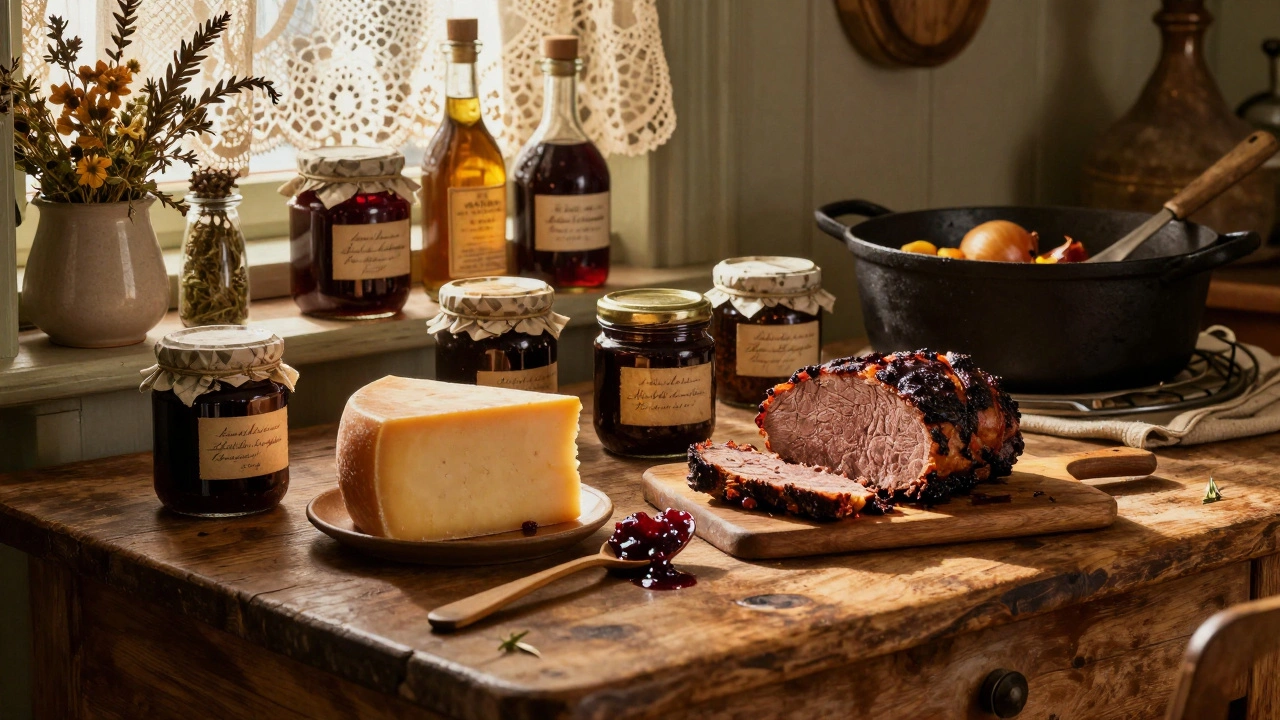
What Is English Chutney? The Surprising History and How It’s Different from Indian Chutney
English chutney is a sweet, spiced preserve made from fruit and vinegar, distinct from Indian chutney. Learn its history, ingredients, and how to use it with cheese, meats, and sandwiches.
View More