Indian Chutney: Fresh, Spicy, and Essential Condiments of Indian Cuisine
When you think of Indian food, you might picture curries, biryanis, or tandoori meats—but you’re probably forgetting the quiet hero on the side: Indian chutney, a vibrant, hand-ground condiment made from fresh herbs, fruits, or spices that adds brightness, heat, and balance to every bite. Also known as chutney, it’s not just a dip—it’s the soul of the meal. Every region in India has its own version, and no plate is complete without at least one. Whether it’s cooling coconut chutney with idli, fiery green mint chutney on samosas, or sweet-tart tamarind chutney on chaat, Indian chutney turns simple food into something unforgettable.
Chutney isn’t just about taste—it’s about balance. It cuts through richness, wakes up dull flavors, and even helps digestion. The tamarind chutney, a thick, sweet-and-sour paste made from soaked tamarind pulp, jaggery, and spices. Also known as imli chutney, it’s the classic partner for pakoras and vada pav brings a deep tang that balances fried snacks. Meanwhile, mint chutney, a bright, herb-heavy blend of fresh mint, cilantro, green chilies, and lemon. Also known as pudina chutney, it’s the go-to for grilled meats and street food adds a sharp, clean kick. Then there’s coconut chutney, a creamy, mildly spicy paste from southern India, made with grated coconut, roasted lentils, and dried chilies. Also known as thengai chutney, it’s the perfect match for dosa and idli. These aren’t just recipes—they’re regional identities, passed down through generations, made fresh daily, and never bottled for long.
What makes Indian chutney different from Western sauces? It’s the texture, the timing, and the truth: it’s meant to be made right before eating. No preservatives, no long shelf life—just raw ingredients pounded or blended to release their full flavor. That’s why store-bought versions rarely taste the same. The best chutneys are made in small batches, with a mortar and pestle if you’re lucky, and eaten within hours. They’re not an afterthought—they’re a ritual.
And here’s the thing: Indian chutney isn’t just for snacks. It’s served with breakfasts like upma and poha, tucked into wraps like kathi rolls, dolloped on rice, and even mixed into dal for extra zing. It’s the secret weapon in home kitchens across India—simple, cheap, and impossible to ignore.
Below, you’ll find real recipes, common mistakes, and regional twists from across India. Whether you’re trying to make your first mint chutney or wondering why your tamarind paste turned bitter, you’ll find answers that actually work.
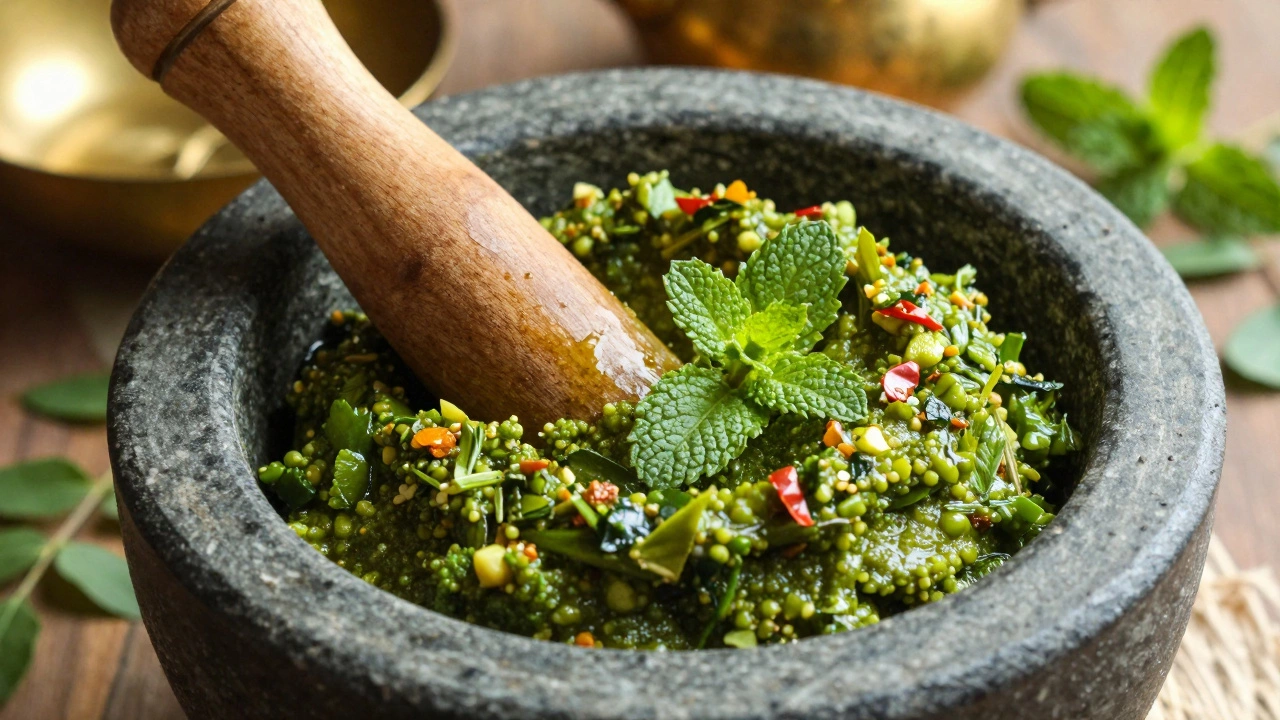
What Is Chutney Called in English?
Chutney doesn't have an English name because it's a unique Indian condiment with its own flavor profile. Learn why terms like 'sauce' or 'relish' don't capture what chutney really is.
View More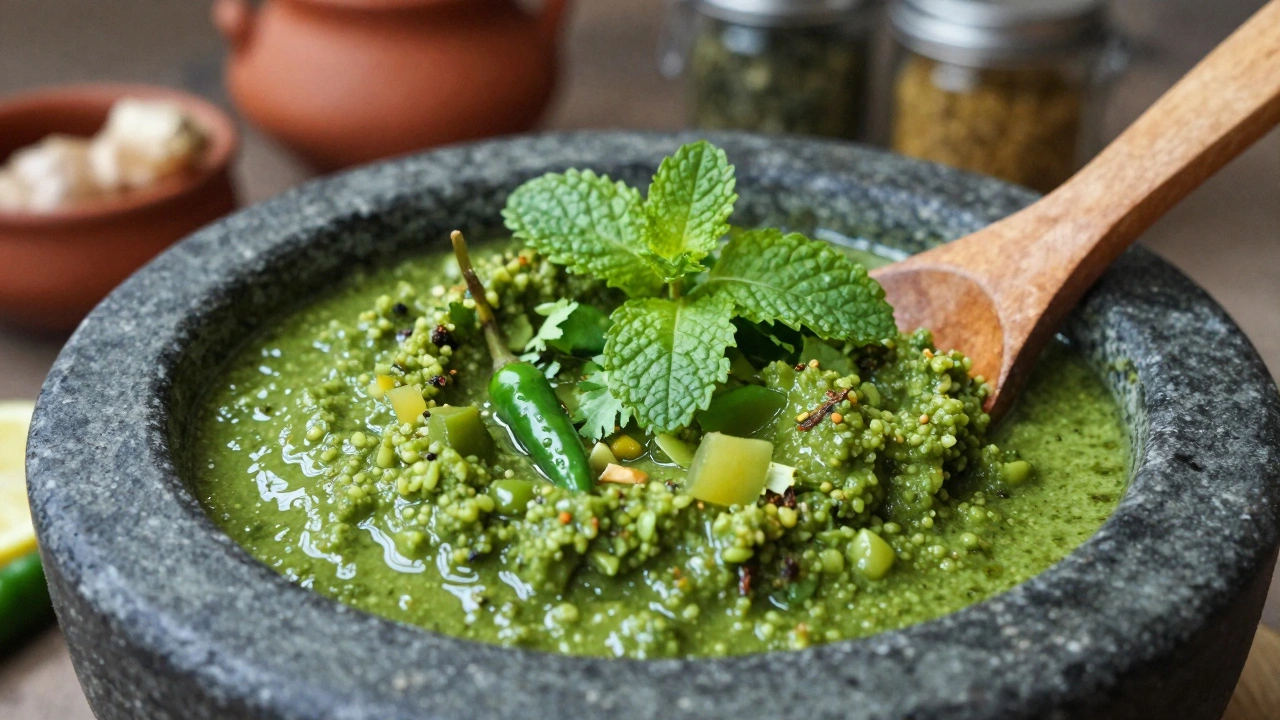
What's the Difference Between a Chutney and a Relish?
Chutney and relish may look similar, but they're worlds apart in flavor, texture, and origin. Learn how to tell them apart and use each one the right way.
View More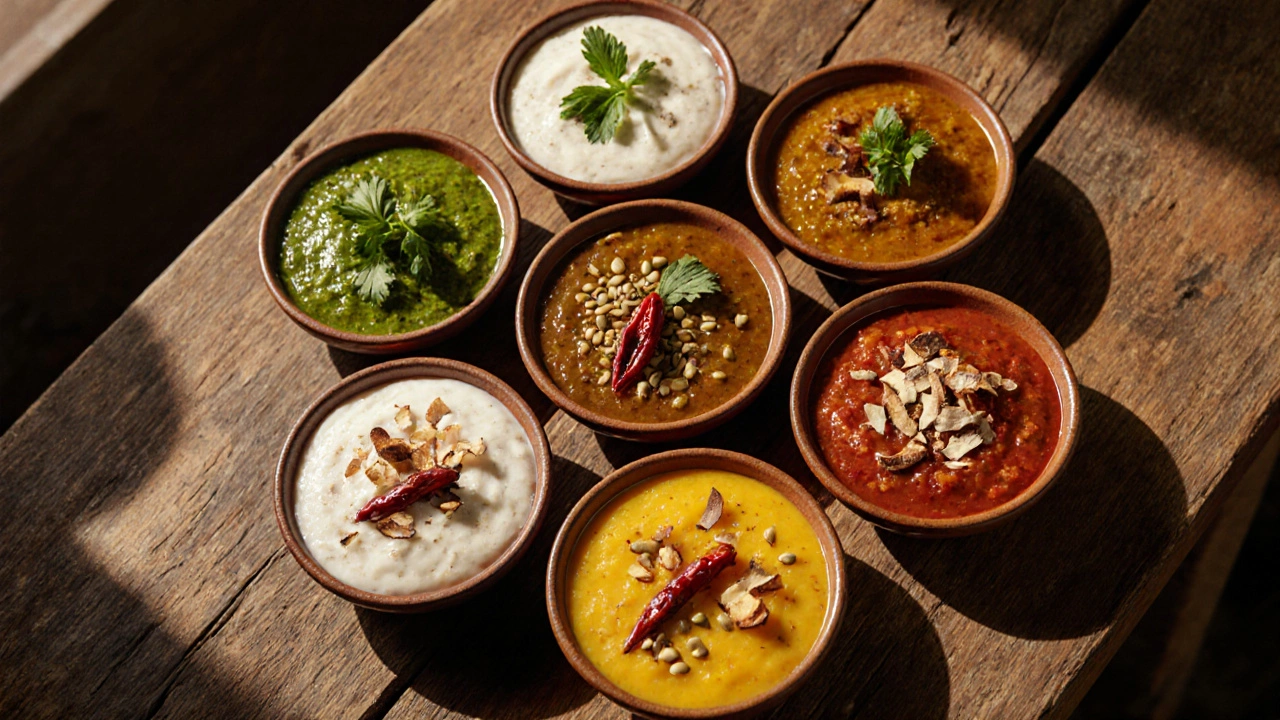
How to Eat Indian Chutney: Pairing Tips & Serving Ideas
Learn how to serve, pair, store, and revitalize Indian chutney with practical tips, quick hacks, and a handy comparison table.
View More