Dough Tips: Perfect Indian Batters for Dosa, Idli, and More
When you're making dough, a mixture of ground grains and water left to ferment, commonly used in Indian breakfasts like dosa and idli. Also known as fermented batter, it's the foundation of some of India’s most loved meals. Getting it right isn’t about following rigid rules—it’s about understanding how the ingredients behave. A good dough isn’t just smooth; it’s alive. The fermentation process turns simple rice and lentils into something light, tangy, and crisp when cooked. Skip this step, or rush it, and you’ll end up with a flat, dense dosa or a gummy idli. No amount of oil or spice will fix a bad batter.
Most people think the secret is in the ratio of rice to urad dal, but the real issue is usually fermentation, the natural process where microbes break down sugars and produce gas, making batter rise and become airy. It’s what gives dosa its crunch and idli its softness. Temperature matters more than you think. In winter, you need warmth—near a heater, in an oven with the light on, or wrapped in a towel. In summer, even a few extra hours can turn good batter into sour, over-fermented sludge. And don’t ignore the water. Hard water can kill fermentation. If your batter never rises, try filtered or bottled water.
grainy batter, a common problem where the ground rice and lentils feel coarse instead of silky. It’s not normal—it’s a sign you didn’t grind long enough or used dry ingredients. You need to grind the rice and dal separately, then mix them. The dal should be whipped until it’s fluffy and white, like whipped cream. If it’s still gritty, you won’t get that airy texture. And don’t skip soaking. Rice needs at least 4 hours, dal 2. Too little soak, and the grinder can’t break it down. Too much, and the grains start sprouting—messy and unpredictable.
What about salt? Add it after fermentation, not before. Salt slows down the microbes. If you add it early, your batter might not rise at all. And don’t stir it hard after fermentation. Just fold it gently. Overmixing kills the bubbles you worked so hard to create. If your dosa sticks to the pan, it’s not the pan—it’s the batter. It needs to be the right thickness: pourable, like heavy cream. Too thick? Add a splash of water. Too thin? Let it sit longer to thicken naturally.
And here’s the thing—dough isn’t just for dosa. It’s the base for idli, uttapam, pesarattu, and even some regional pancakes. The same principles apply everywhere. Whether you’re in Chennai or Coimbatore, the goal is the same: a batter that rises, bubbles, and cooks into something light and flavorful. You don’t need fancy tools. Just a good grinder, patience, and a little attention to detail.
Below, you’ll find real fixes from real cooks—how to rescue grainy batter, why citrus ruins paneer (yes, it’s related), how to tell if your batter is ready, and what to do when it smells off. No fluff. Just what works.
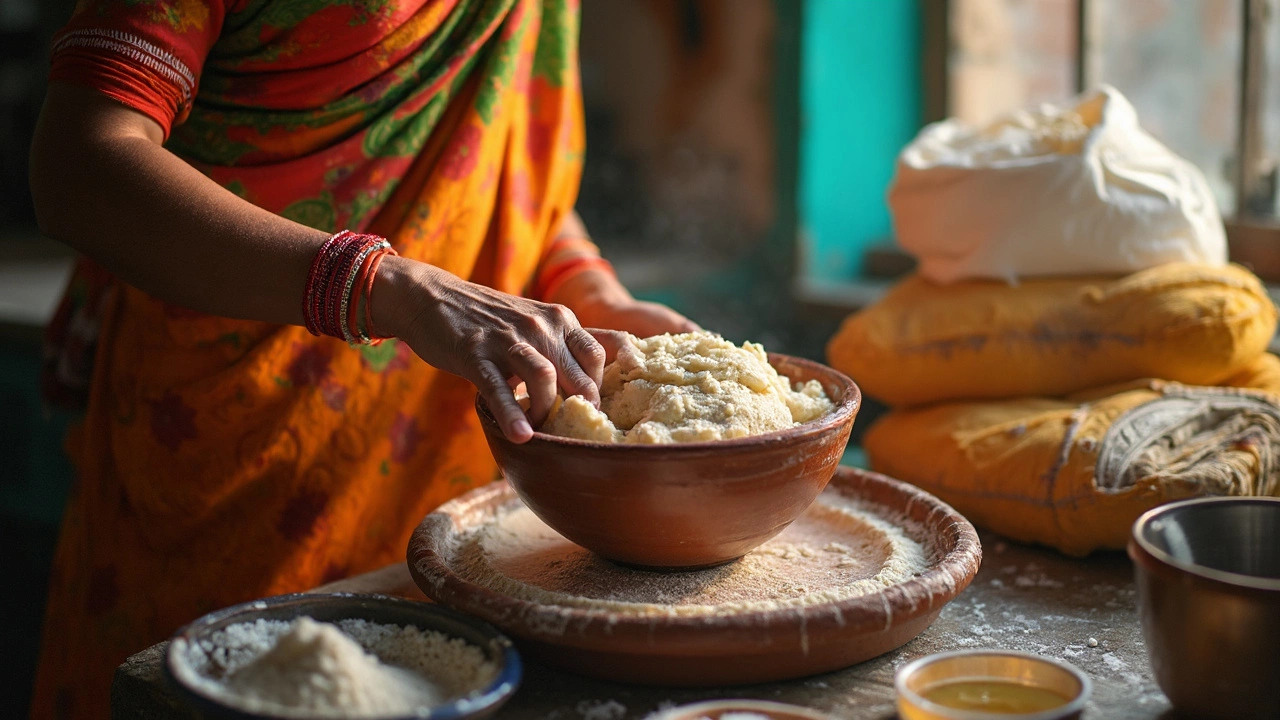
Soft Dough Secrets: The Key to Perfect Roti Every Time
Curious about why your rotis never turn out as soft as you'd like? This article reveals the often-overlooked details that make all the difference when kneading dough for roti. You'll find practical tips backed by kitchen-tested experience, from flour choices to how long to let the dough rest. Expect relatable advice and specific hacks you can start using today. Get ready to say goodbye to hard rotis for good.
View More