Dosa Nutrition: Calories, Protein, and Health Benefits Explained
When you think of dosa, a thin, crispy fermented rice and lentil pancake from South India. Also known as dosai, it's one of the most common breakfasts in India and a favorite worldwide for its light texture and natural flavor. But is it actually good for you? The answer isn’t just yes—it’s more interesting than you think. Dosa isn’t just a tasty snack; it’s a smartly balanced meal built on ancient food science. The batter, made from soaked rice and urad dal, ferments overnight. That process doesn’t just make it rise and get crispy—it unlocks nutrients your body can actually use.
Let’s break it down. A single medium dosa (about 6 inches) has around 120 calories, mostly from complex carbs and plant-based protein. The fermentation boosts protein availability by up to 30%, meaning your body absorbs more of the amino acids than it would from unfermented rice or lentils. That’s why dosa is often recommended for kids, athletes, and people recovering from illness. It’s also naturally low in fat unless you cook it in lots of oil. Serve it with coconut chutney or sambar, and you’re getting fiber, probiotics, and slow-digesting carbs that keep you full longer. Compare that to toast with jam or sugary cereal, and dosa starts looking like a nutritional win.
And here’s something most people miss: fermentation turns simple carbs into something gentler on your gut. The good bacteria break down phytic acid—a compound that blocks mineral absorption—so your body gets more iron, zinc, and magnesium from the same batter. That’s why traditional dosa batter makers always wait 12–24 hours before cooking. Modern shortcuts skip this, and you lose the real benefits. If you’re watching your weight, go for plain dosa with minimal oil. If you want more protein, try masala dosa with a side of dal or add chickpea flour to the batter. The key is in the ingredients and how they’re treated—not just what’s on the plate.
What you’ll find below are real, practical posts that dig into dosa nutrition from every angle: how fermentation changes its calorie count, why it’s better than bread for blood sugar, how to make it high-protein without dairy, and what toppings actually help or hurt its health profile. No fluff. Just facts from people who cook this every day.
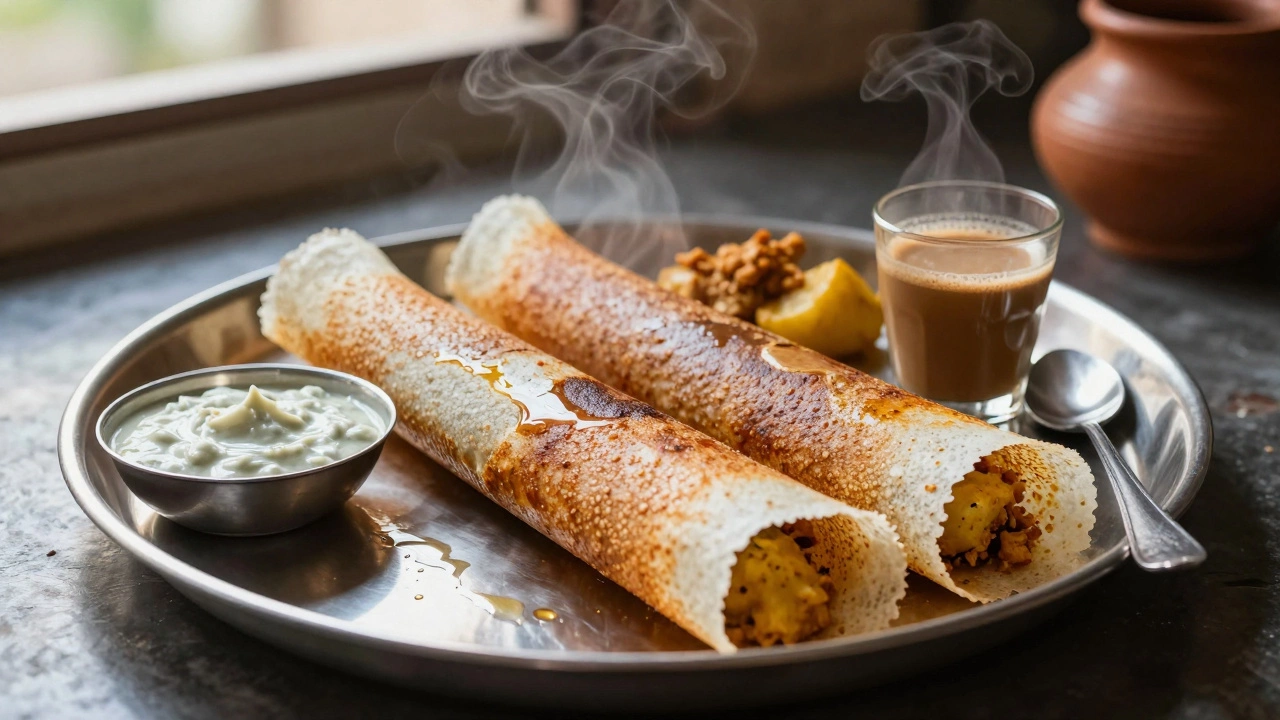
What Are the Disadvantages of Eating Dosa? Health and Dietary Concerns Explained
Dosa is a popular Indian breakfast, but it’s high in refined carbs, low in protein, and often fried in unhealthy oil. Learn the real health downsides of eating dosa daily and how to make it better.
View More
Which is healthier, idli or dosa? A real comparison
Idli and dosa use the same batter, but idli is steamed and lower in fat, making it the healthier choice. Learn how fermentation, oil, and cooking methods affect nutrition.
View More