British Chutney: What It Is, How It Differs from Indian Chutney, and Why It Matters
When you hear British chutney, a sweet, tangy condiment born from colonial India but shaped by British tastes. Also known as English chutney, it's not just Indian chutney with a British accent—it’s a completely different category of flavor. While Indian chutney is fresh, spicy, and often made daily with herbs, green chilies, and yogurt, British chutney is slow-cooked, shelf-stable, and packed with fruit, vinegar, and sugar. One is a living side dish; the other is a pantry staple.
This difference isn’t just about taste—it’s about history. British chutney emerged when colonial officers in India wanted to preserve local flavors for home. They took the idea of Indian chutney, a fermented or fresh condiment made with tamarind, coconut, cilantro, or mint, used to balance spice and add brightness to meals and turned it into something that could last months. They added raisins, brown sugar, cloves, and cider vinegar, then bottled it like jam. Meanwhile, in India, chutney stayed alive—made fresh, eaten the same day, and varied by region: coconut chutney in the south, garlic chutney in Maharashtra, tamarind chutney in the north. One is a tradition of immediacy; the other, of preservation.
Today, British chutney shows up on cheese boards, in sandwiches, or alongside cold meats—not with rice or roti. It’s not meant to cut through spice like its Indian cousin. Instead, it adds depth to sharp cheddar or sweet ham. If you’ve ever tried a British chutney and thought, "This isn’t like the chutney at my favorite Indian restaurant," you’re right. They’re cousins, not twins.
And here’s the thing: you don’t need to choose one over the other. Knowing the difference helps you use them better. Use Indian chutney to liven up a dosa or balance a spicy biryani. Reach for British chutney when you want something sweet-tart to pair with grilled cheese or a roast. Both have their place. The confusion? It’s just a legacy of empire. The value? It’s two rich traditions, side by side.
Below, you’ll find real posts that dig into how chutney works—how to serve it, how to fix it, and how it fits into everyday Indian cooking. Some talk about the spicy, fresh versions you make at home. Others show you how to use chutney like a pro. No fluff. Just clear, practical insights from people who cook this food every day.
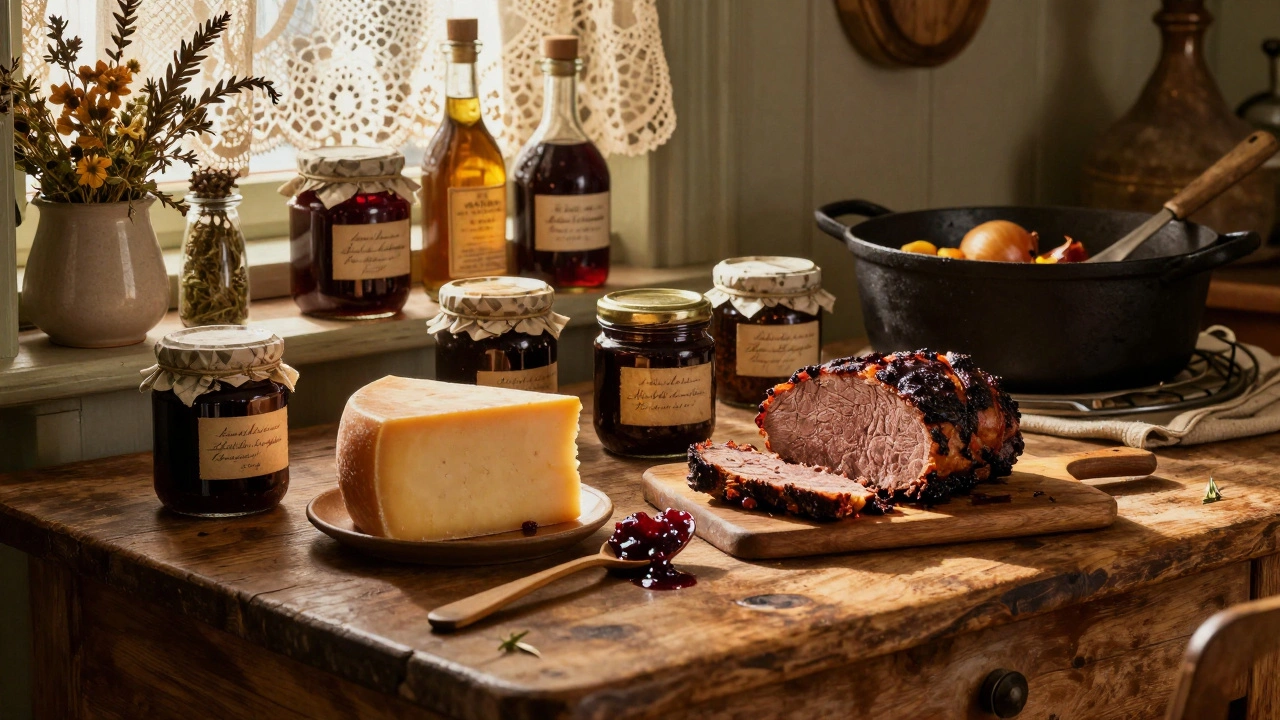
What Is English Chutney? The Surprising History and How It’s Different from Indian Chutney
English chutney is a sweet, spiced preserve made from fruit and vinegar, distinct from Indian chutney. Learn its history, ingredients, and how to use it with cheese, meats, and sandwiches.
View More