Indian Street Food Discovery Guide
How to use: Click on a popular dish or a regional term to discover its local name, typical flavor profile, and the regional context described in the article.
Select an Item to Explore:
Click a card above to reveal the regional secrets of Indian street food!
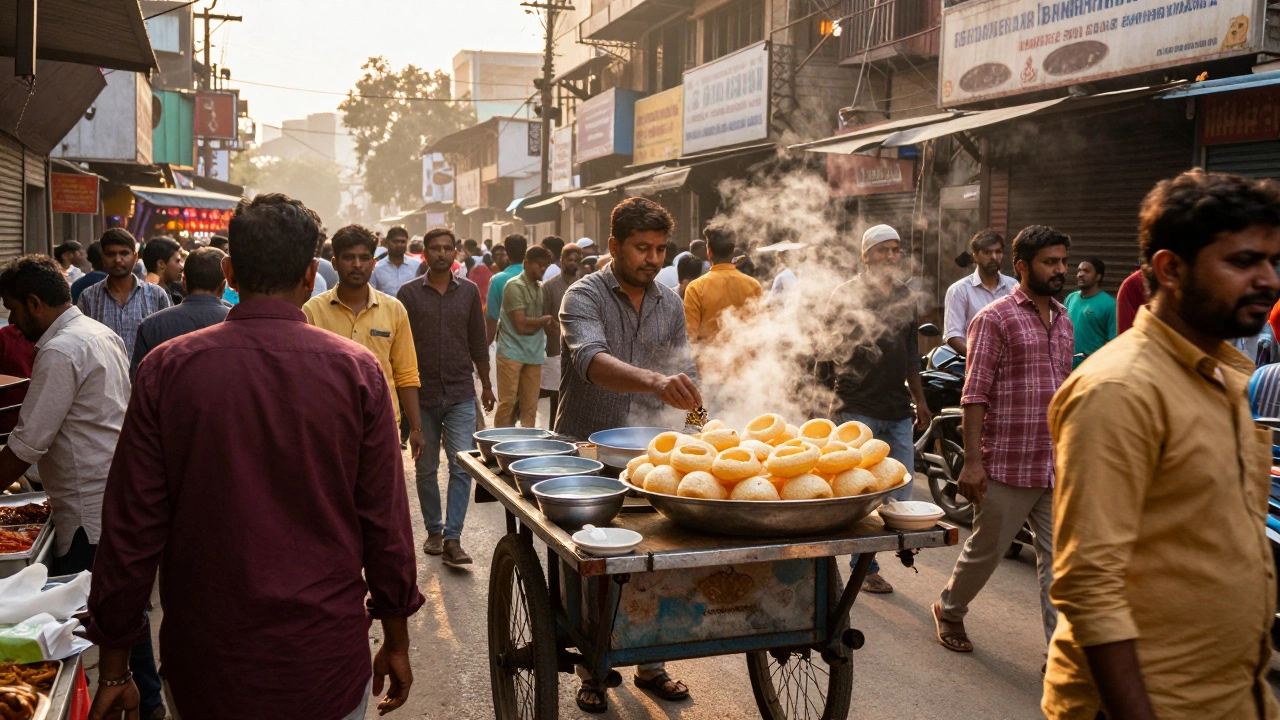
If you walk down any busy road in Delhi, Mumbai, or Kolkata, you will see crowds gathered around small carts and stalls. You might wonder, what do people actually call this? While the English term is simply "street food," in India, it is rarely that simple. Depending on who you ask and where you are standing, it could be called Indian street food, chaat, nasalta, or simply "the food from the thela." It is not just a category of food; it is a social ritual that brings people from every walk of life together over a shared plate of spicy treats.
Main Takeaways
- The most common general term for savory street snacks is "Chaat."
- "Thela" refers to the pushcart where most street food is sold.
- Regional terms vary: "Nasta" or "Nashta" is often used for morning street snacks.
- Indian street food is divided into sweet, savory, and fried categories.
The Magic of Chaat: More Than Just a Word
When people ask what street food is called in India, the word Chaat is a category of savory snacks sold by vendors on the streets of India, characterized by a balance of sweet, spicy, and tangy flavors usually comes up first. The word itself comes from the Hindi word "chatna," which means to lick. This is a nod to the intense flavors that make you want to savor every last drop of chutney.
Chaat isn't just one dish. It is an entire family of snacks. For example, you have Pani Puri is a popular snack consisting of hollow crispy puris filled with spiced potato and dipped in flavored water. In Mumbai, they call it Pani Puri, but if you head to Kolkata, you will hear it called Phuchka. In Delhi, it might be Gol Gappa. Despite the name change, the core experience-a burst of spicy water and crunch-remains the same.
The Thela and the Vendor Culture
To understand the terminology, you have to look at where the food comes from. Most street food is sold from a Thela is a traditional wooden or metal pushcart used by street vendors to transport and sell goods, including cooked food. When a local says, "Let's go to the thela," they aren't talking about the cart itself, but the food being served from it.
The vendors are often called "wallahs." A Pani Puri wallah or a Vada Pav wallah is a specialist. These vendors often hold a monopoly over a specific street corner for decades, becoming local celebrities. The relationship between the customer and the vendor is informal; you don't usually see a printed menu. You just point at what looks good or ask for the "special" of the day.
Regional Names and Local Varieties
India is too big to have just one name for its street snacks. The vocabulary changes as you cross state borders. In the North, especially in Punjab and Delhi, street food often revolves around heavy, fried items. You will hear the term Aloo Tikki is a spiced potato patty that is shallow-fried and often served with yogurt and tamarind chutney. These are often grouped under the general umbrella of "Chatpata" food, which describes a taste that is simultaneously salty, spicy, and sour.
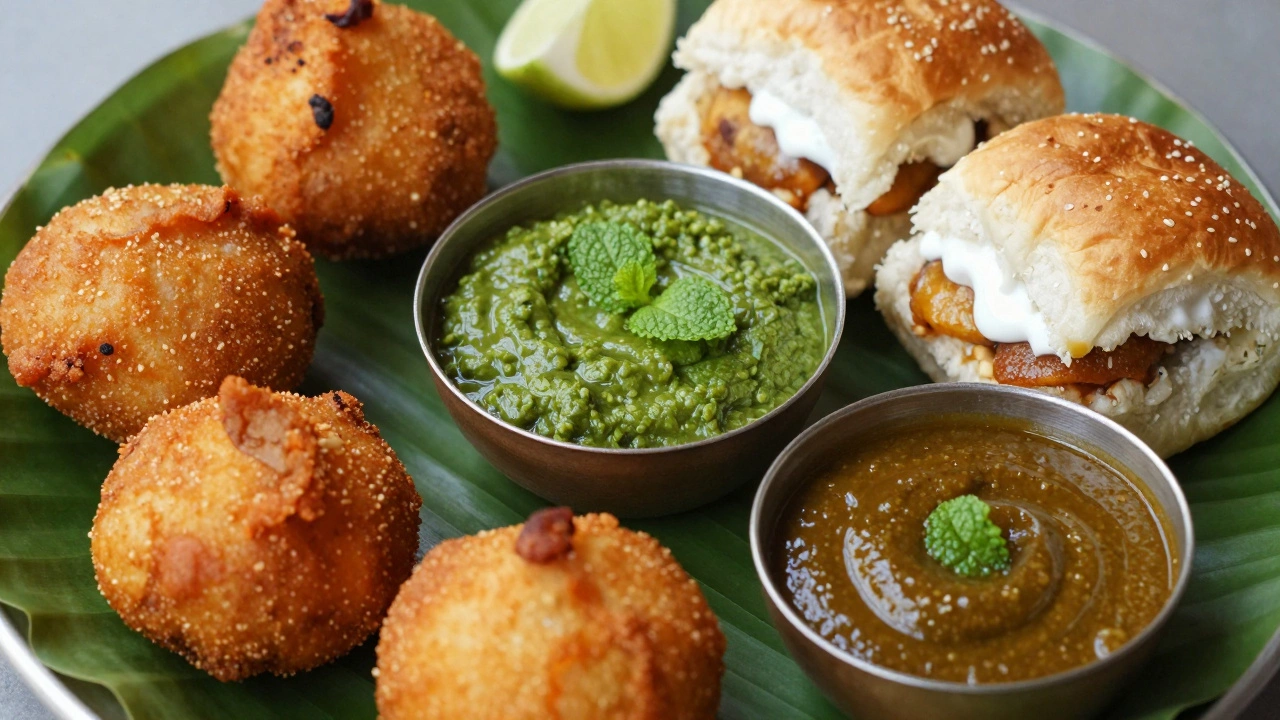
Moving toward the West, in Maharashtra, the terminology shifts. Here, the Vada Pav is the quintessential Mumbai street snack, consisting of a deep-fried potato dumpling inside a bread roll reigns supreme. It is often called the "Indian Burger." In the South, street food is often associated with Tiffin centers. While tiffin originally meant a lunchbox, it evolved into a term for light snacks and breakfast items like Idli and Vada sold on the street.
| Region | Common Term | Popular Dish | Key Flavor Profile |
|---|---|---|---|
| North India | Chaat / Chatpata | Aloo Tikki | Tangy & Spicy |
| West India | Nasta / Pav-based | Vada Pav | Savory & Garlic |
| East India | Tele-bhaja (Fried) | Phuchka | Sour & Pungent |
| South India | Tiffin / Snacks | Masala Dosa | Fermented & Nutty |
The Role of Chutneys and Spices
You cannot talk about what street food is called without mentioning the liquids that define it. The essence of most street food is the Chutney is a condiment used in Indian cuisine, typically made from herbs, spices, and fruit like tamarind or mint. These are not just side sauces; they are the primary flavor agents.
There are usually two main types found at any stall: the green chutney (made from cilantro and mint) and the brown chutney (made from tamarind and jaggery). When a vendor mentions "Meethi" (sweet) or "Teekhi" (spicy), they are referring to these chutneys. If you ask for something "extra teekha," you are asking for more of the spicy green sauce. This simple language of "sweet vs. spicy" is how most street food orders are customized on the fly.
From Breakfast to Dessert: The Daily Cycle
Street food in India follows a strict clock. In the early mornings, the focus is on Nashta is the Hindi term for breakfast or a light morning snack, often consisting of savory items like Poha or Parathas. You will find vendors selling hot Poha (flattened rice) or Puri Bhaji. At this time of day, the food is called "breakfast street food," but locals just call it nashta.
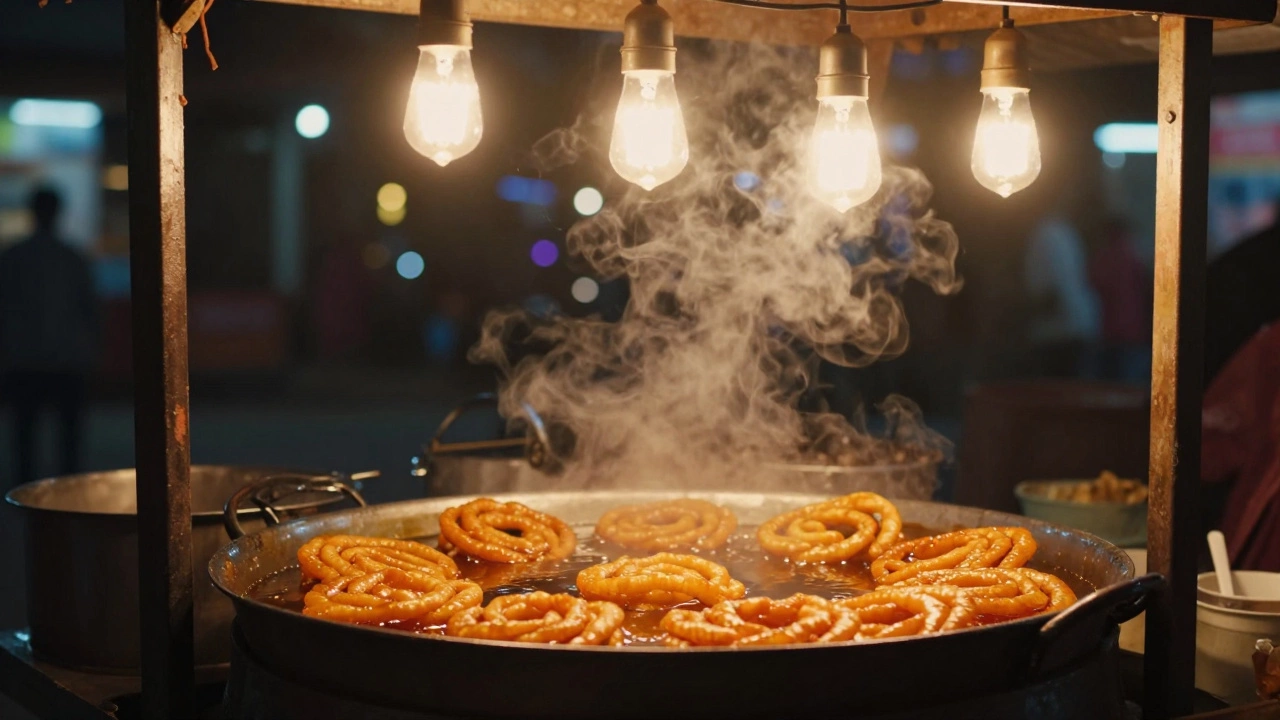
As the sun sets, the streets transform into a dessert paradise. This is where the term Mithai is the general term for any Indian sweet or confectionery, often sold from specialized shops or street carts takes over. From hot Jalebis dripping in syrup to cold Kulfi (traditional ice cream), the vocabulary shifts from salty and spicy to sweet and creamy. These items are often sold from "Halwai" shops, where a Halwai is a traditional confectioner.
Practical Tips for Navigating Street Food
If you are visiting India and want to experience this culture, knowing the names is helpful, but knowing the etiquette is better. Most street food is meant to be eaten standing up. Don't look for a chair; the "table" is usually a small piece of cardboard or a leaf plate called a Donas.
One common mistake is trying to find "street food" on a map. You won't find it listed as a business. Instead, look for the crowds. If a thela has a long line of locals, the food is likely fresh and the flavor is authentic. Also, remember that "spicy" in the context of Indian street food is often a level higher than what you might find in a restaurant. If you are not used to it, ask for "kam mirch" (less chili).
Is there one single word for street food in India?
No, there isn't one single word. While "street food" is the English term, locals use various words depending on the type of food. "Chaat" refers to savory snacks, "Nashta" refers to breakfast items, and "Mithai" refers to sweets. The physical cart is called a "Thela."
What is the difference between Pani Puri, Phuchka, and Gol Gappa?
They are essentially the same concept-a crispy hollow ball filled with spiced mash and flavored water-but the names vary by region. Pani Puri is the common name in Mumbai/West India, Phuchka is the term used in West Bengal/East India (usually with a spicier, tangier water), and Gol Gappa is the preferred name in Delhi/North India.
What does "Chatpata" mean in the context of street food?
"Chatpata" is a flavor profile rather than a specific dish. It describes a taste that is a mix of spicy, salty, sweet, and sour all at once. Most chaats aim for this specific balance to stimulate the taste buds.
What is a "Halwai"?
A Halwai is a traditional Indian confectioner or sweet-maker. While they may have a permanent shop, many operate as street vendors selling fresh, hot sweets like Jalebi or Gulab Jamun directly to pedestrians.
Which street food is the most popular across India?
While regional preferences vary, Pani Puri (and its variations) is arguably the most widespread and beloved street snack across the entire country due to its unique flavor and interactive way of eating.
Next Steps for Your Food Adventure
If you are planning a trip, start by identifying the "food hubs" in each city. For instance, in Delhi, head to Chandni Chowk for an overwhelming variety of chaats. In Mumbai, spend an evening at Juhu Beach to try Vada Pav and Pav Bhaji. If you are a beginner, start with the most popular items and always carry a bottle of water. If you want to experiment further, try asking vendors for "regional specialties"-they often have secret dishes that aren't the most famous but are loved by the locals.