Tandoori Flavor Simulator
Adjust the settings below to simulate how different choices affect the final taste, texture, and aroma of your tandoori chicken.
Click "Simulate" to see your results.
Analyzing...
Scientific Insight:
Key Takeaways:
You’ve probably stood over a grill in Auckland, watching smoke curl up from a skewer of red meat, wondering what makes that specific bite of tandoori chicken hit different. It’s not just the spice mix. It’s not just the heat. There is a complex dance of biology, physics, and culinary history happening inside that clay pot that turns ordinary poultry into something legendary. If you have ever tried to replicate it at home and failed, you aren’t alone. Most people miss the crucial chemical reactions that happen when yogurt meets intense radiant heat.
The secret isn't hidden in a single ingredient; it's in how those ingredients interact with fire. Let’s break down exactly why this dish tastes so good, without getting bogged down in academic jargon. We are talking about real flavors, real textures, and the specific reasons your kitchen might be missing out on that smoky magic.
The Yogurt Marinade: More Than Just Tenderizing
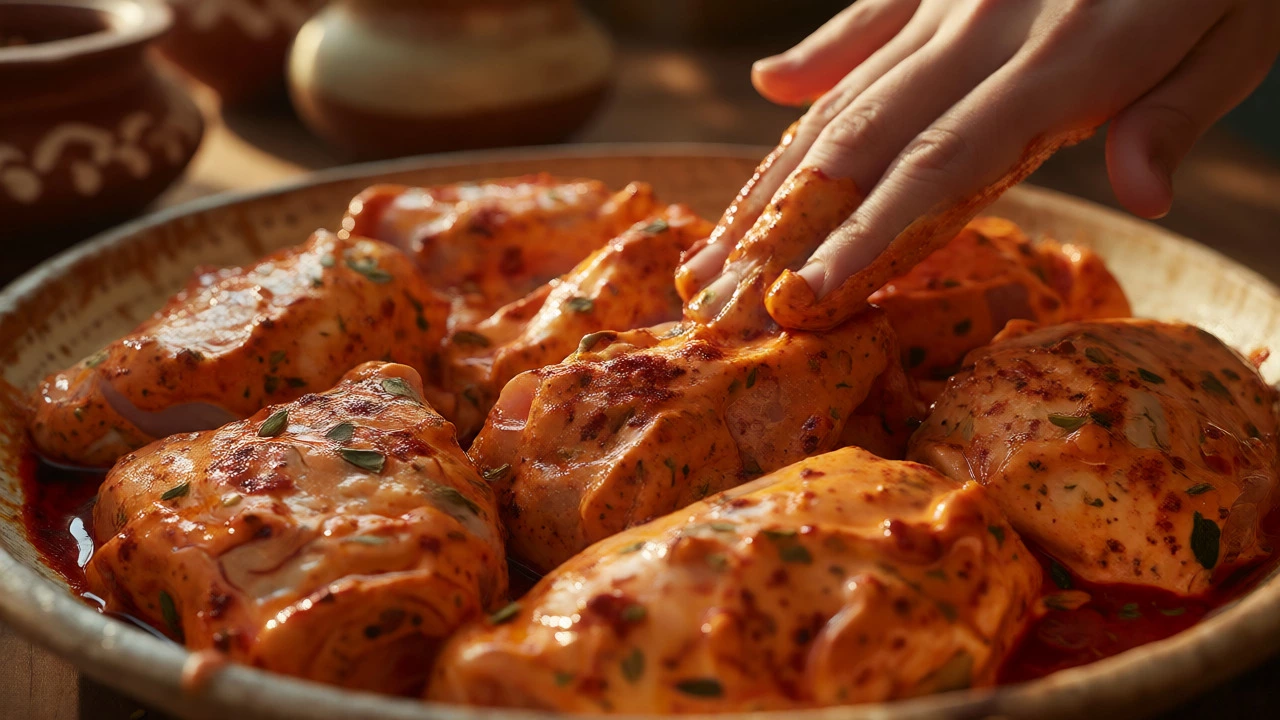
Start with the base. You cannot make authentic tandoori chicken without yogurt. But why? It’s tempting to think yogurt is just there to keep the meat moist. While moisture retention is part of it, the real job of yogurt is enzymatic breakdown. Yogurt contains lactic acid and calcium. These two components work together to weaken the protein bonds in the chicken muscle fibers. This process, known as denaturation, happens slowly but effectively during marination.
If you use lemon juice or vinegar instead, the acid is too harsh. It can turn the surface of the chicken mushy before the inside is tender. Yogurt is gentler. It penetrates deeper. Furthermore, yogurt creates a thick coating that acts as an insulator. When you throw that coated chicken into extreme heat, the yogurt layer protects the delicate meat from instantly drying out. It allows the interior to cook evenly while the exterior crisps up. Without this protective barrier, you get dry, rubbery chicken. With it, you get juicy, succulent bites that fall off the bone.
| Base Ingredient | Acidity Level | Tenderizing Effect | Crust Formation |
|---|---|---|---|
| Yogurt | Mild (Lactic Acid) | Deep, even penetration | Thick, charred, creamy crust |
| Lemon Juice | High (Citric Acid) | Surface level only | Thin, uneven, risk of mushiness |
| Vinegar | Very High (Acetic Acid) | Rapid, aggressive breakdown | Poor adhesion, burns easily |
| Buttermilk | Moderate | Light tenderizing | Watery, less char potential |
The Maillard Reaction and Radiant Heat
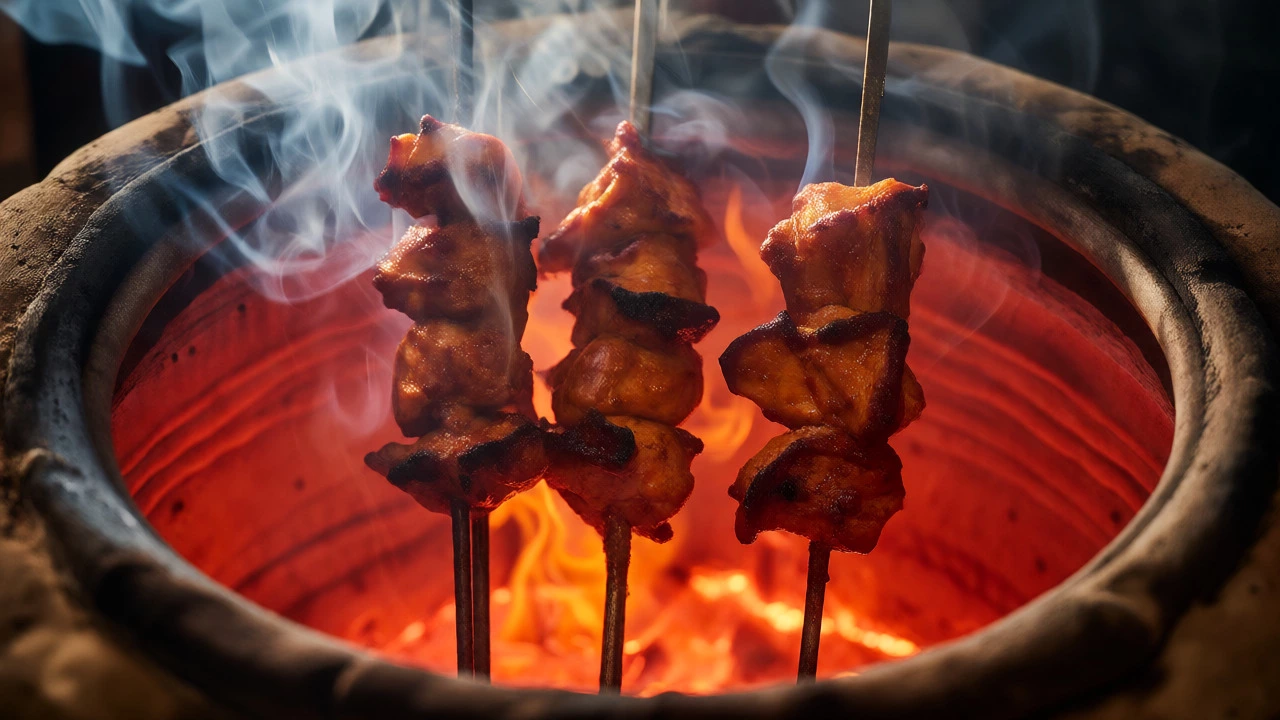
Here is where the physics comes in. A standard oven cooks with convection-hot air moving around the food. A tandoor oven cooks primarily with radiation. The walls of the clay pot glow red-hot, often reaching temperatures above 400°C (750°F). This radiant heat hits the chicken directly. This environment triggers the Maillard reaction aggressively. This is the chemical reaction between amino acids and reducing sugars that gives browned food its distinctive flavor. Think of the difference between boiled steak and grilled steak. The tandoor amplifies this effect tenfold.
The high heat causes rapid caramelization of the spices and proteins on the surface. This creates a complex web of flavor compounds that simply cannot form at lower temperatures. You get notes of nuttiness, bitterness, and sweetness all at once. Because the heat is so intense, the cooking time is short. This preserves the natural juices inside while creating a heavily charred, flavorful exterior. If you try to mimic this in a home oven at 200°C, you end up steaming the chicken rather than searing it. You lose those critical flavor compounds because the temperature never gets high enough to drive the reaction fully.
Charcoal Smoke: The Invisible Spice
Let’s talk about smoke. Real tandoori chicken is cooked over charcoal, usually made from hardwoods like acacia or neem. Charcoal produces a clean, hot flame with minimal volatile organic compounds compared to gas or wood logs. But it does produce smoke. This smoke contains phenolic compounds. These compounds adhere to the fat and proteins on the surface of the chicken. They act as preservatives and flavor enhancers. This is why tandoori chicken has that unmistakable "smoky" taste that liquid smoke can never quite replicate.
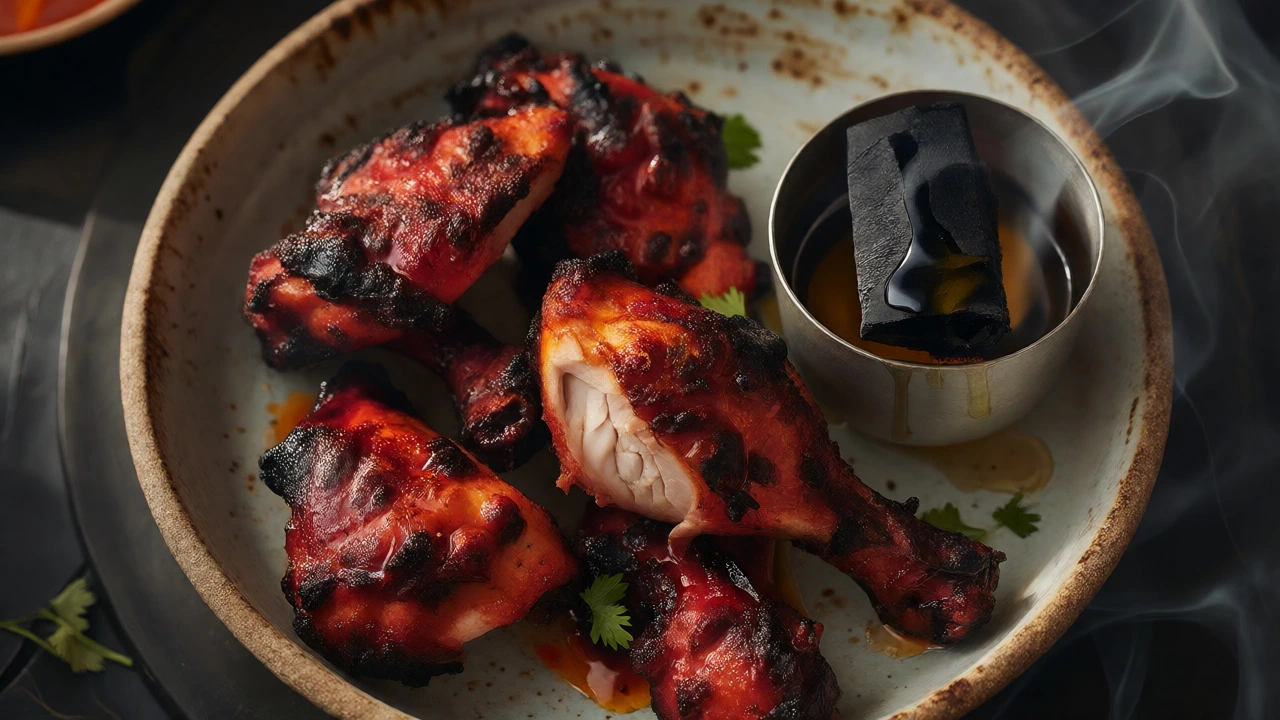
In Auckland, many home cooks use electric grills or gas barbecues. These methods lack the particulate matter found in charcoal smoke. To bridge this gap, some chefs add a small piece of burning charcoal to the serving bowl. They drop a dollop of ghee onto the coal and cover the dish immediately. The trapped smoke infuses the already cooked chicken. This technique, called "dhungar," adds depth. However, it is a shortcut. The true flavor profile comes from the interaction of fat dripping onto hot coals during the actual cooking process. Those drips create steam and smoke that rises back up into the meat. It is a closed-loop flavor system.
The Spice Blend: Balancing Heat and Aroma
Tandoori masala is not just chili powder. It is a carefully balanced mixture designed to withstand high heat. Key ingredients include Kashmiri red chili, which provides vibrant color without excessive heat, and garam masala, which adds warm, aromatic notes like cardamom, cloves, and cinnamon. Then there is kasuri methi (dried fenugreek leaves). Kasuri methi is the unsung hero. It adds a subtle maple-like sweetness and a distinct earthy aroma that cuts through the richness of the yogurt and fat.
Garlic and ginger paste are also essential. When exposed to high heat, garlic transforms from sharp and pungent to sweet and mellow. Ginger adds a zesty kick that balances the heaviness of the dairy-based marinade. The combination creates a flavor profile that is multi-dimensional. You get heat from the chilies, warmth from the spices, acidity from the yogurt, and umami from the fermented dairy. No single ingredient dominates. They support each other. If you skip the kasuri methi, the dish will taste flat. If you use fresh coriander instead of dried, it will burn and turn bitter before the chicken is done.
Texture Contrast: The Crunch Factor
Flavor is only half the battle. Texture matters. Tandoori chicken offers a unique textural contrast that few other dishes achieve. The outside is crisp, slightly charred, and chewy. The inside is incredibly soft and moist. This contrast stimulates the palate. Humans are wired to enjoy varied textures. The yogurt marinade plays a huge role here again. As it dries under the intense heat, it forms a skin-like layer. This layer traps steam inside the meat while becoming crunchy itself.
To achieve this at home, ensure your marinade is thick. If it is runny, it slides off the chicken. Pat the chicken pieces dry before marinating to help the yogurt stick. Use a heavy-bottomed pan or a cast-iron skillet if you don't have a tandoor. Preheat the pan until it is smoking hot. Place the chicken in and do not touch it for several minutes. Let the crust form. If you move it too soon, you tear the crust and lose that satisfying crunch. The goal is a dark reddish-brown exterior that snaps when you bite into it, giving way to tender white meat.
Fat Content and Marination Time
Chicken breast is lean. Traditional tandoori chicken often uses thighs or drumsticks. Why? Fat carries flavor. The intramuscular fat in dark meat renders down during cooking, basting the meat from the inside out. This keeps it juicy even if you slightly overcook it. Breast meat dries out quickly. If you must use breast, marinate it longer-at least 12 hours. This gives the enzymes more time to break down the tough proteins. For thighs, 4 to 6 hours is sufficient. Over-marinating acidic mixes can eventually make the texture chalky, so watch the clock.
Adding oil to the marinade helps conduct heat. It also helps the spices bloom. Some recipes call for mustard oil, which has a pungent kick that mellows upon heating. Others prefer vegetable oil. Both work, but mustard oil adds authenticity. The oil also helps create that glossy finish on the cooked chicken. Dry chicken looks unappetizing. Oiled chicken looks inviting. It signals freshness and richness to our brains before we even take a bite.
Can I make tandoori chicken without a tandoor oven?
Yes, you can. Use a broiler or a very hot cast-iron skillet. Preheat your oven's broiler to high. Place the marinated chicken on a rack over a baking sheet. Cook for 10-15 minutes, flipping halfway. To add smokiness, use the dhungar method: place a lit piece of charcoal in a small steel bowl, pour ghee on it, and cover the dish with a lid for 5 minutes after cooking.
Why is my tandoori chicken dry?
Dryness usually results from using lean cuts like breast without enough fat, overcooking, or a thin marinade. Switch to chicken thighs for better moisture retention. Ensure your marinade is thick enough to coat the meat generously. Also, avoid cooking at low temperatures for too long; high heat seals the juices in quickly.
What gives tandoori chicken its red color?
Traditionally, the color comes from Kashmiri red chili powder, which is bright red but mild in heat. Many commercial versions use artificial food coloring. For a natural approach, rely on Kashmiri chili and perhaps a pinch of paprika. Avoid adding too much turmeric, as it turns the color orange rather than red.
How long should I marinate the chicken?
For best results, marinate for at least 4 hours, preferably overnight. The yogurt needs time to penetrate the meat and tenderize it. If you are in a rush, 2 hours is the minimum, but the flavor and texture will be significantly inferior to a longer marination period.
Is tandoori chicken healthy?
It can be quite healthy. It is high in protein and low in carbohydrates. The main calories come from the yogurt and any added oils. Using Greek yogurt reduces sugar content. Grilling rather than frying eliminates excess oil absorption. However, watch the sodium content in store-bought spice mixes.