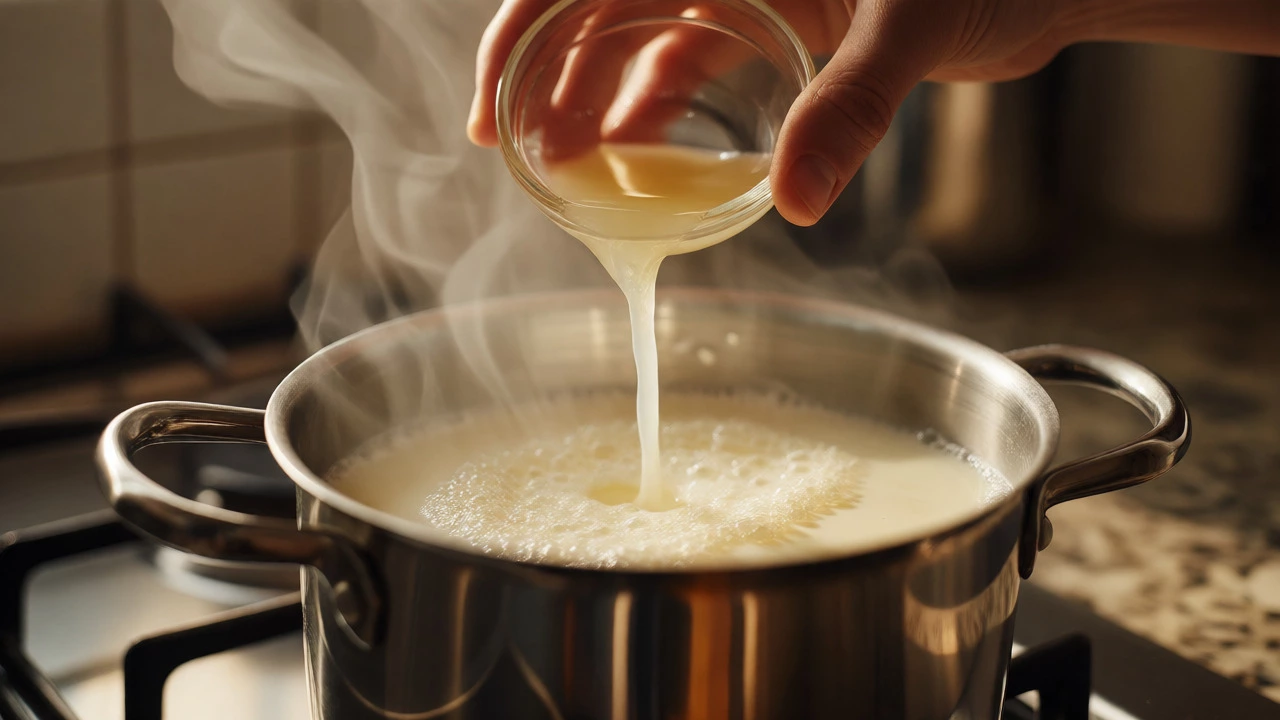
Paneer Texture Diagnostic & Fixer
Is your paneer too hard? Too soft? Answer these questions to diagnose the issue and get the perfect texture next time.
Quick Rescue Tips (If already made)
You cut open the block of paneer, expecting a soft, creamy cube that melts in your mouth. Instead, you get a dense, chewy brick that feels more like eraser rubber than cheese. You’re not alone. This is one of the most common frustrations for home cooks making their own dairy products.
The difference between silky-smooth paneer and a rubbery disaster often comes down to three specific moments: how hot the milk was, what acid you used, and how much pressure you applied during pressing. It’s not magic; it’s chemistry. Once you understand why the protein structure collapses or tightens up, you can fix it every single time.
What Actually Makes Paneer Rubber?
To fix the problem, you have to look at what happens inside the pot. Paneer is an unaged cheese made by coagulating milk with an acidic agent. The main protein in milk, casein, usually floats around in tiny clusters called micelles. When you add acid (like lemon juice or vinegar) to hot milk, those micelles lose their electrical charge and clump together. That’s curdling.
If you handle this process aggressively, the casein proteins bond too tightly. They squeeze out almost all the moisture and trap air bubbles that turn into hard pockets. This creates a dense matrix that resists chewing. Think of it like over-kneading bread dough-you develop too much gluten (or in this case, protein tension), and the result becomes tough instead of tender.
Conversely, if you don’t press it enough, it falls apart. But rubberiness specifically points to over-coagulation or excessive heat exposure.
The Heat Trap: Boiling vs. Simmering
Here is where most recipes fail. They say "boil the milk." That’s dangerous advice for paneer. If you let milk hit a rolling boil before adding the acid, the proteins denature (unfold) too quickly and violently. They form long, tangled chains rather than soft, short clumps.
Milk temperature plays a critical role here. Ideally, you want the milk hot enough to separate cleanly-around 80°C to 90°C (176°F to 194°F)-but not screaming hot. If you don’t have a thermometer, watch the edges. As soon as you see small bubbles forming at the rim and steam rising steadily, take it off the heat source. Let it sit for a minute, then add your acid.
Why does this matter? Cooler temperatures allow for a slower coagulation process. This gives the curds time to form distinct, soft grains rather than a solid mass. Slow and low wins the race for texture.
Acid Choice: Lemon Juice vs. Vinegar
Not all acids are created equal when it comes to texture. You might think any sour liquid works, but the concentration matters.
| Coagulant | Texture Result | Ease of Use | Flavor Impact |
|---|---|---|---|
| Lemon Juice | Softer, slightly grainier | High (easy to control) | Mild citrus note |
| White Vinegar | Firmer, smoother | Medium (potent) | Neutral if rinsed well |
| Citric Acid | Very consistent | Low (hard to dose) | No flavor |
| Yogurt/Curd | Softest, moist | Hard (slow reaction) | Tangy, fermented taste |
Lemon juice is generally safer for beginners because it’s less potent than distilled white vinegar. If you pour in too much vinegar, you shock the milk, causing rapid, harsh curdling. This leads to rubbery cubes. With lemon juice, you have a wider margin for error.
Pro tip: Dilute your acid with a little water. Pouring straight, concentrated acid into hot milk creates localized spots of extreme acidity. These spots cause immediate, hard coagulation. Diluting ensures even distribution and a gentler set.
The Pressing Mistake: Squeezing Out the Soul
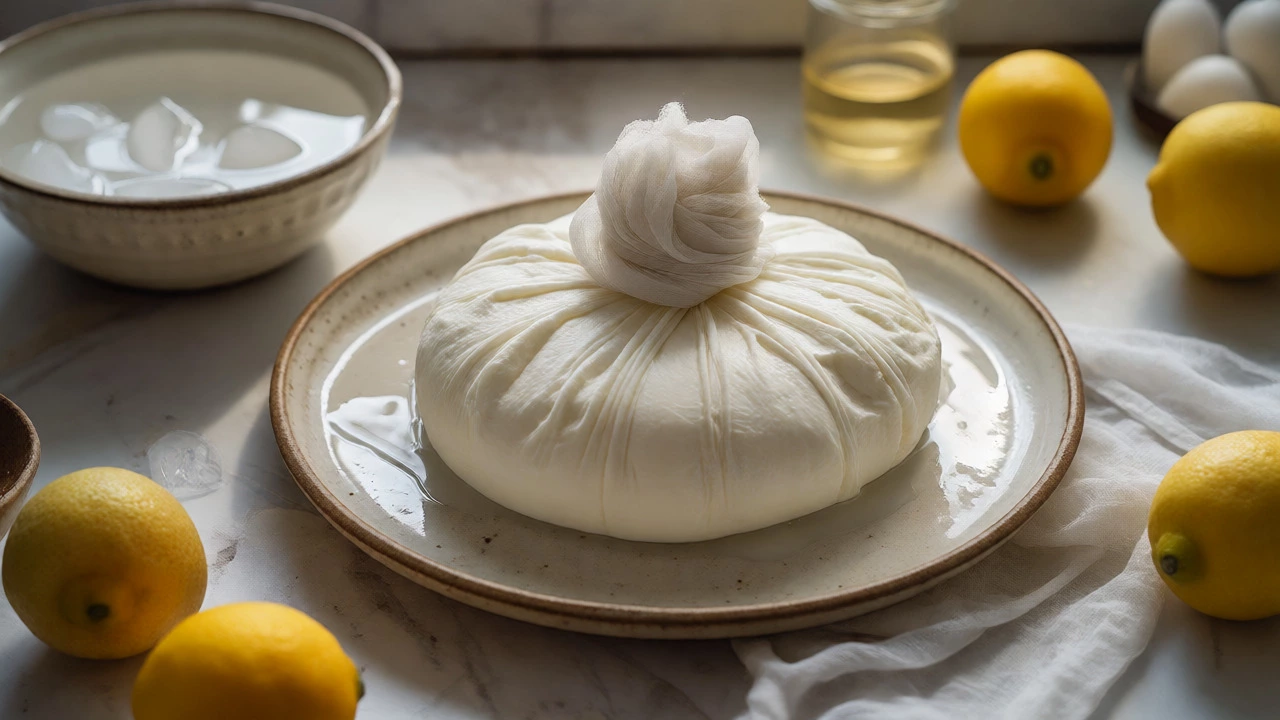
This is the number one culprit for store-bought-style hardness at home. After the milk curdles, you drain it through muslin cloth. Then comes the temptation: "I need it firm, so I’ll put a heavy weight on it." If you use a mortar and pestle, a full gallon of water, or a stack of books for more than 30 minutes, you are squeezing out the fat and moisture that make paneer palatable. You are essentially dehydrating the protein network. For soft, melt-in-the-mouth paneer suitable for bhurji or malai kofta, press gently. A light plate with just enough weight to shape the block is sufficient. If you want firmer paneer for tikka or grilling, press for 1-2 hours max. Never leave it overnight under heavy weight unless you want something closer to tofu-firmness.
- Soft Paneer: Drain only, no weight. Use immediately or within 2 hours.
- Medium Paneer: Light weight (1-2 kg) for 30-45 minutes.
- Firm Paneer: Heavy weight (5+ kg) for 2-3 hours.
Moisture Management: The Ice Bath Trick
Once you’ve drained the whey, do not skip the cooling step. Hot curds continue to cook and tighten. If you leave them warm while you wash dishes, they will harden further.
Immediately submerge the wrapped bundle of curds in cold water or ice water. This stops the cooking process instantly. It also helps rinse away excess acid, which can contribute to a chalky, dry texture. Soak it for 10-15 minutes. This simple step rehydrates the outer layer of the curds and relaxes the protein strands, resulting in a softer bite.
Fixing Already Rubbery Paneer
So, you already made the mistake. Your paneer is currently sitting in the fridge looking like a hockey puck. Can you save it?
Yes, mostly. You cannot reverse the protein bonding, but you can change how it behaves in the pan.
- The Soak Method: Cut the rubbery paneer into cubes. Submerge them in warm salted water (not boiling) for 20-30 minutes. The warmth and slight salinity help relax the fibers and add back some surface moisture. Pat dry before using.
- The Marination Hack: Do not grill or fry raw rubbery paneer. It will shrink and become tougher. Marinate it in a thick yogurt-based mix with oil and spices. The enzymes in yogurt (if fresh) and the fats in the oil penetrate the porous structure, lubricating the protein chains from the outside in.
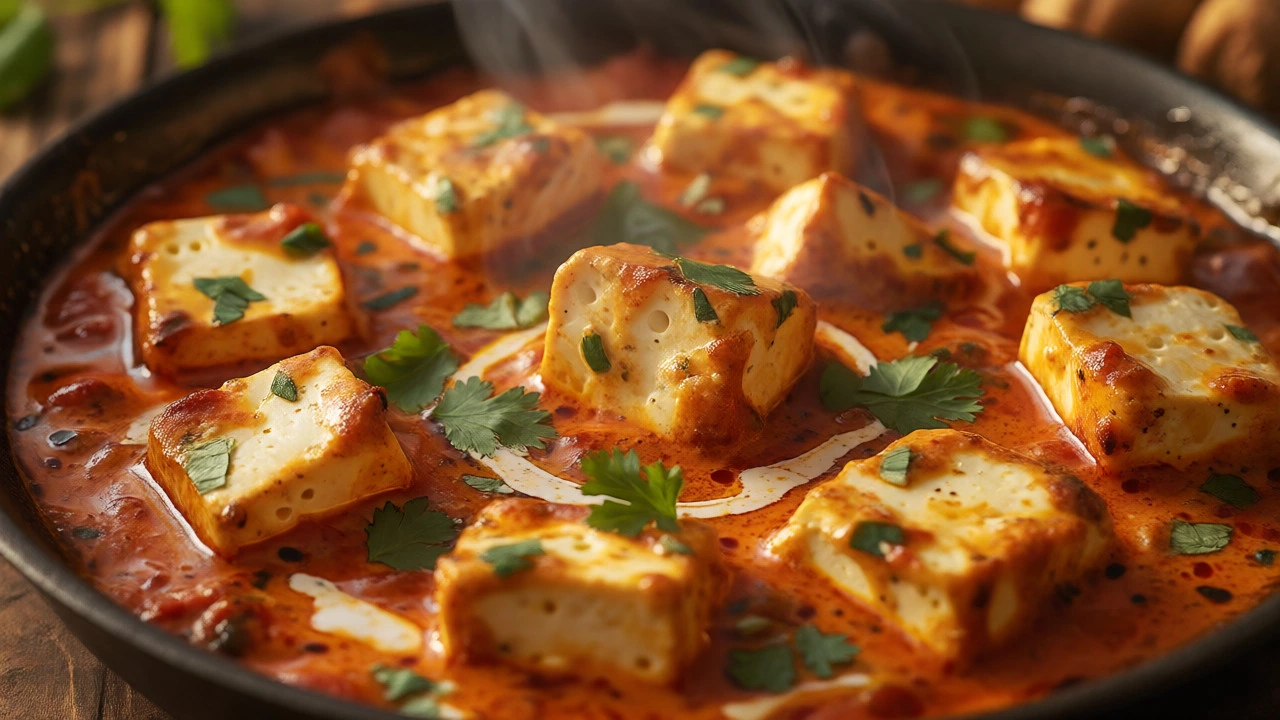
- The Gravy Rescue: If it’s really bad, stop trying to serve it as a standalone dish. Crumble it into a rich, creamy gravy like Shahi Paneer or Makhani. The sauce masks the density, and the slow simmering breaks down the exterior slightly.
Choosing the Right Milk
Finally, consider your starting material. Full-fat buffalo milk yields a denser, richer paneer because of the higher casein content. Cow’s milk produces a softer, whiter, and more delicate curd.
If you are using toned or skimmed milk, expect a drier, crumblier texture regardless of your technique. There isn’t enough fat to coat the protein strands and keep them pliable. For the best results, stick to whole milk (full cream). The fat globules act as buffers between the casein networks, preventing them from fusing into a solid rock.
Key Takeaways
- Do not boil milk vigorously; remove from heat at first signs of bubbling.
- Dilute your acid (lemon/vinegar) before adding it to ensure gentle coagulation.
- Avoid heavy pressing times; 30 minutes is plenty for most dishes.
- Cool the curds in an ice bath to stop cooking and relax proteins.
- Use full-fat milk for a softer, more forgiving texture.
Can I fix rubbery paneer after it has been cooked in a curry?
It is difficult to fully reverse the texture once cooked, but you can improve it by simmering the curry longer on low heat. Adding a splash of cream or coconut milk towards the end can also help coat the hard pieces, making them feel less dry in the mouth. However, prevention is far easier than cure.
Does the type of pot affect paneer texture?
Yes. Stainless steel pots with thick bases distribute heat evenly, reducing the risk of scorching the bottom. Scorching alters the protein structure near the heat source, leading to uneven curds. Avoid thin aluminum pans that create hot spots, as these cause localized overheating and harder curds.
Why is my paneer crumbly instead of rubbery?
Crumbly paneer usually means you added too much acid or stirred too vigorously during curdling. It can also happen if the milk wasn't hot enough, leading to incomplete coagulation. To fix this next time, reduce the amount of acid slightly and stir gently in one direction only.
Is homemade paneer supposed to be soft?
Fresh homemade paneer should be soft and moist, similar to firm tofu but with a dairy richness. It should yield easily to pressure from a fork. If it requires significant force to cut or chew, it has been over-processed or over-pressed.
How long can I store homemade paneer before it gets hard?
Homemade paneer without preservatives starts to lose moisture and harden within 2-3 days in the refrigerator. To maintain softness, store it submerged in fresh water in an airtight container, changing the water daily. This keeps the exterior hydrated and prevents drying out.