Indian Chai Recipe Calculator
Customize Your Brew
Your Chai Recipe
Based on your preferences
Ingredients Needed
- 1 Milk: 1 cup
- 2 Water: 1 cup
- 3 Black Tea Leaves: 2 tsp
- 4 Ginger (crushed): 1 inch
- 5 Cardamom Pods: 2 pods
- 6 Sugar: 2 tbsp
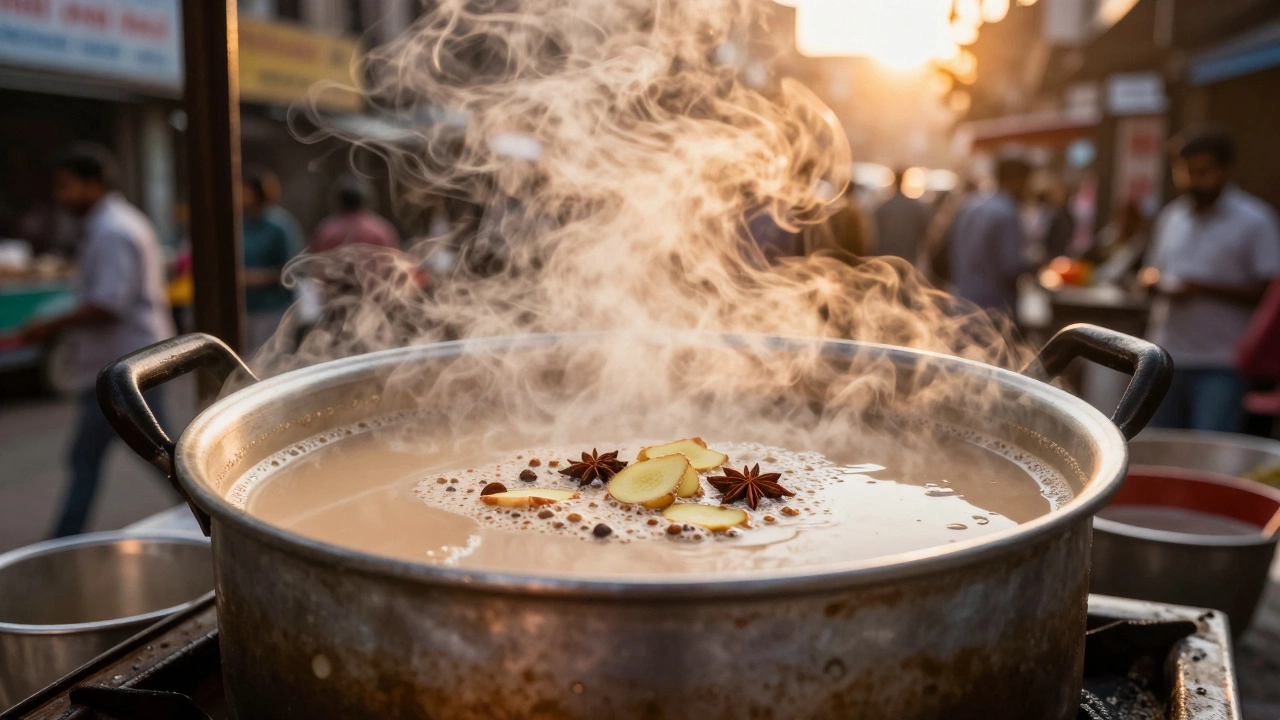
You walk into a bustling street stall in Mumbai or a quiet home in Delhi, and the first thing you notice is the smell. It’s not just coffee; it’s something richer, creamier, and deeply spiced. You see a large pot boiling vigorously, steam rising with clouds of cardamom and ginger. This is Chai, the lifeblood of India. But if you’re used to Western tea culture-where hot water meets a leaf bag and maybe a splash of milk at the end-you might have one burning question: Why do Indians put so much milk in their tea?
It seems counterintuitive at first. In many parts of the world, tea is a delicate infusion. In India, it’s a hearty brew where milk isn’t an afterthought; it’s half the equation. To understand why, we have to look beyond taste. We need to explore history, climate, agriculture, and the simple human need for energy.
The Colonial Roots: From British Black Tea to Indian Chai
To answer this, we have to rewind to the 19th century. Before the British arrived in large numbers, most Indians drank what they called "kadak chai" or herbal infusions made from local herbs like tulsi (holy basil), ginger, and peppermint. These were boiled in water, often without any actual tea leaves (Camellia sinensis).
Then came the British East India Company. They wanted to break China’s monopoly on tea. So, they started planting tea gardens in Assam and Darjeeling. Suddenly, there was a surplus of black tea in India. But here’s the catch: the British elite drank their tea with milk and sugar. As this habit trickled down through colonial administration and urban centers, it merged with local tastes.
However, it wasn’t just about copying the British. It was about adaptation. Fresh milk was available locally, unlike imported goods. Over time, the practice of boiling tea leaves directly in milk became a distinctively Indian innovation. It transformed a colonial import into a national staple.
The Practical Reason: Energy and Nutrition
Let’s talk about survival and daily life. For centuries, millions of Indians worked long hours in fields, factories, and markets under the sun. A cup of plain black tea provides caffeine, but it doesn’t provide calories.
Milk changes everything. When you boil tea in milk, you’re creating a calorie-dense drink. Add sugar (which is cheap and widely produced in India), and you have a quick source of energy. Think of it as liquid food. For a laborer starting a shift at dawn, or a student pulling an all-nighter, chai offers both the kick of caffeine and the sustenance of carbohydrates and fats.
This is why chai is often consumed with savory snacks like samosas or pakoras. The combination balances the sweet richness of the drink with salty, fried textures. It’s a complete mini-meal.
Climate and Comfort: Cooling Down by Heating Up
If you’ve visited India during the summer, you know the heat can be oppressive. Yet, people still drink hot chai. How does that make sense?
It comes down to physiology. Drinking a hot beverage causes you to sweat. As that sweat evaporates, it cools your body down. This is known as evaporative cooling. In humid climates, this effect is less pronounced, but in dry heat, it works wonders.
Moreover, the spices commonly added to chai-ginger, cardamom, cloves, and black pepper-are considered "warming" in Ayurvedic medicine. They stimulate circulation and digestion. After a heavy meal, especially one rich in lentils and vegetables, a cup of spiced milk tea aids digestion and prevents bloating. It’s not just a drink; it’s a digestive aid.
The Taste Profile: Balancing Bitterness and Strength
There’s also a purely culinary reason. Indian tea leaves, particularly those from Assam, are robust and tannic. If you steep them in plain water for too long, they become incredibly bitter and astringent. Most Indians prefer their tea strong-what they call "kadak."
Milk acts as a buffer. The proteins and fats in milk bind with the tannins, softening the bitterness and creating a smooth, velvety texture. Without milk, a truly strong cup of Assam tea would be undrinkable for most palates. The milk allows the tea to be boiled for several minutes, extracting maximum flavor and caffeine without becoming harsh.
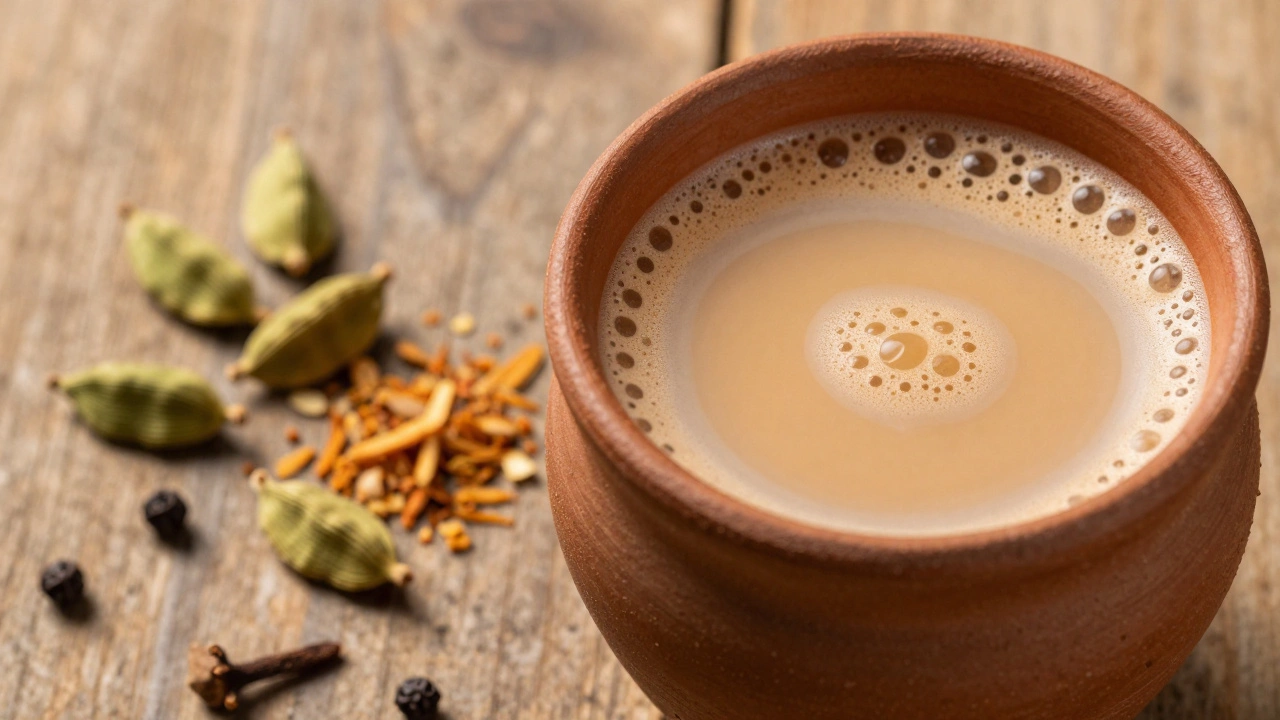
Additionally, the spices need a medium to carry their oils. Water alone doesn’t extract the full essence of cardamom or cinnamon. Milk, being fatty, pulls out those aromatic compounds, resulting in a complex, layered flavor profile that water-based tea simply cannot match.
Cultural Ritual: More Than Just a Drink
In India, chai is social glue. It’s offered to guests as a sign of hospitality. It’s discussed over politics at bus stops. It’s the fuel for office gossip. The act of making chai is often communal. You don’t just pour water; you watch the pot, stir it, let it froth, and skim the foam.
This ritualistic aspect reinforces the use of milk. Making chai is a process. It takes time. Boiling milk and tea together requires attention. It’s not a grab-and-go beverage in its traditional form. The effort involved makes it special. It signifies care. Serving someone plain black tea might feel rushed or cold. Serving them freshly boiled, creamy chai says, "I value your presence."
| Feature | Western Black Tea | Indian Chai |
|---|---|---|
| Brewing Method | Steeping leaves in hot water | Boiling leaves, milk, and spices together |
| Milk Ratio | Optional, small amount (splash) | Equal parts or more milk than water |
| Spices | Rarely added | Commonly added (cardamom, ginger, etc.) |
| Sugar | Optional | Almost always added |
| Texture | Light, clear | Creamy, opaque, frothy |
| Purpose | Relaxation, afternoon break | Energy boost, digestion, socializing |
How to Make Authentic Indian Chai at Home
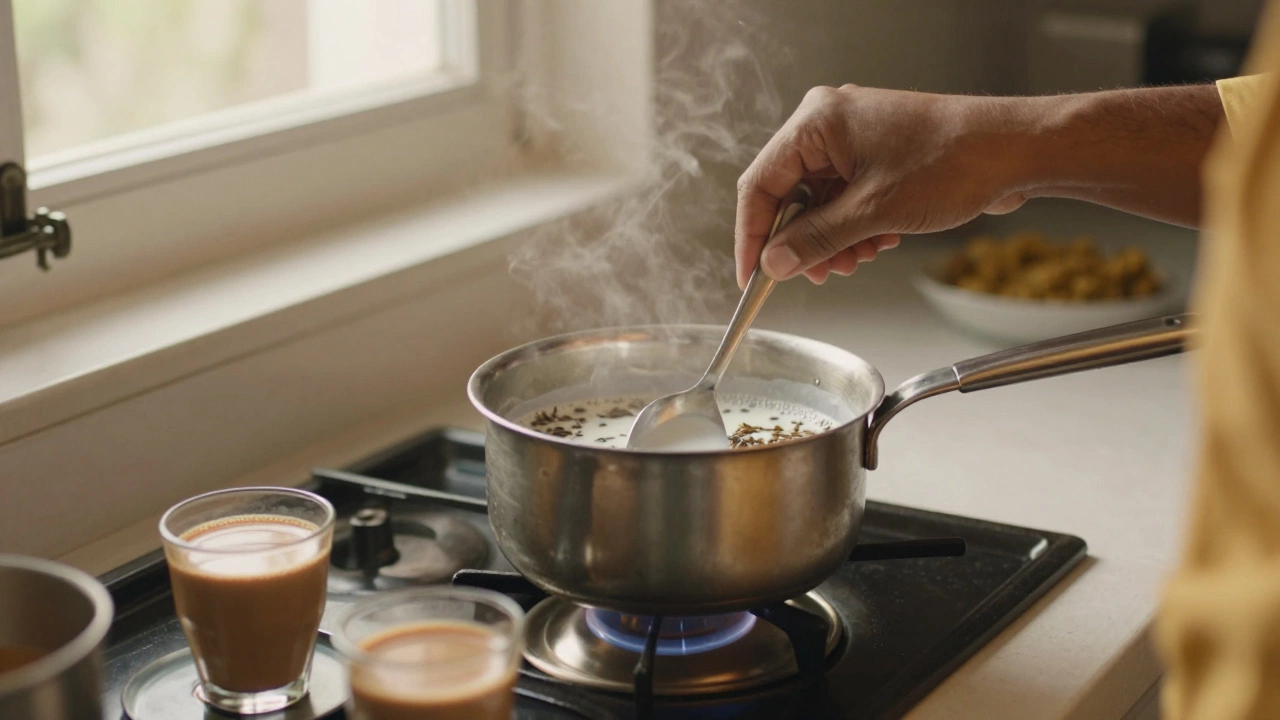
If you want to experience why milk is essential, you have to try making it yourself. You can’t just add milk to a tea bag. Here’s the authentic method:
- Gather Ingredients: You’ll need 1 cup of whole milk, 1 cup of water, 2 teaspoons of loose-leaf black tea (Assam blend works best), 1 inch of fresh ginger (crushed), 2 green cardamom pods (crushed), and sugar to taste.
- Boil Water and Spices: In a saucepan, bring the water to a boil. Add the crushed ginger and cardamom. Let it simmer for 2 minutes to release the aromatics.
- Add Tea Leaves: Stir in the black tea leaves. Let it boil for another minute. You’ll see the color darken.
- Add Milk: Pour in the milk. Increase the heat and let it come to a rolling boil. Watch closely-it will rise quickly.
- The "Pull": Once it foams up, reduce the heat slightly. Let it simmer for 2-3 minutes. This step is crucial. It cooks the raw taste out of the milk and melds the flavors.
- Strain and Serve: Strain the chai into cups. Add sugar while it’s hot. Enjoy immediately.
Notice how the milk turns a creamy beige color? That’s the magic happening. The tea has infused into the fat molecules of the milk, creating a uniform, rich beverage.
Regional Variations: Not All Chai Is the Same
While milk is universal in Indian chai, the style varies by region. In North India, chai is often stronger and sweeter, served in small clay cups called "kulhads" which impart an earthy aroma. In South India, you might find "filter coffee" dominating, but when chai is made, it’s often lighter, sometimes with less milk and more focus on the tea leaf itself.
In West Bengal, "adda chai" is a cultural phenomenon where friends gather for hours discussing everything under the sun, fueled by endless cups of milky tea. In Punjab, chai is thicker, almost like a dessert, often paired with parathas.
These variations show that while the core principle-milk and tea boiled together-remains constant, the expression adapts to local tastes and traditions. But everywhere, the milk is non-negotiable.
Can I make chai with skim milk instead of whole milk?
You can, but it won’t taste the same. Whole milk contains fat, which carries the flavor of the spices and softens the tannins in the tea. Skim milk results in a thinner, slightly more bitter cup. If you must use low-fat milk, consider adding a teaspoon of ghee or coconut oil to mimic the richness.
Why do Indians boil their tea instead of steeping it?
Boiling extracts more caffeine and flavor from the leaves, creating a stronger brew. It also cooks the spices, releasing their essential oils more effectively than simple steeping. The boiling process also helps to emulsify the milk and tea, creating a smoother texture.
Is Indian chai healthy?
In moderation, yes. The spices like ginger and cardamom have anti-inflammatory properties. However, traditional chai is high in sugar and saturated fat from the milk. To make it healthier, reduce the sugar, use low-fat milk, or switch to jaggery (unrefined cane sugar) for a lower glycemic index.
What type of tea leaves should I use for chai?
Assam black tea is the gold standard for chai because of its bold, malty flavor that stands up to milk and spices. Darjeeling tea is too delicate and floral for traditional chai. Avoid tea bags if possible; loose-leaf tea provides better quality and consistency.
Do all Indians drink milk tea?
Do all Indians drink milk tea?
The vast majority do. While some health-conscious individuals or those avoiding lactose may opt for plain black tea or herbal infusions, milk tea is the default across almost all regions, religions, and socioeconomic classes in India. It is a unifying cultural symbol.